Rasbokil Church: A Late Medieval Church in Sweden
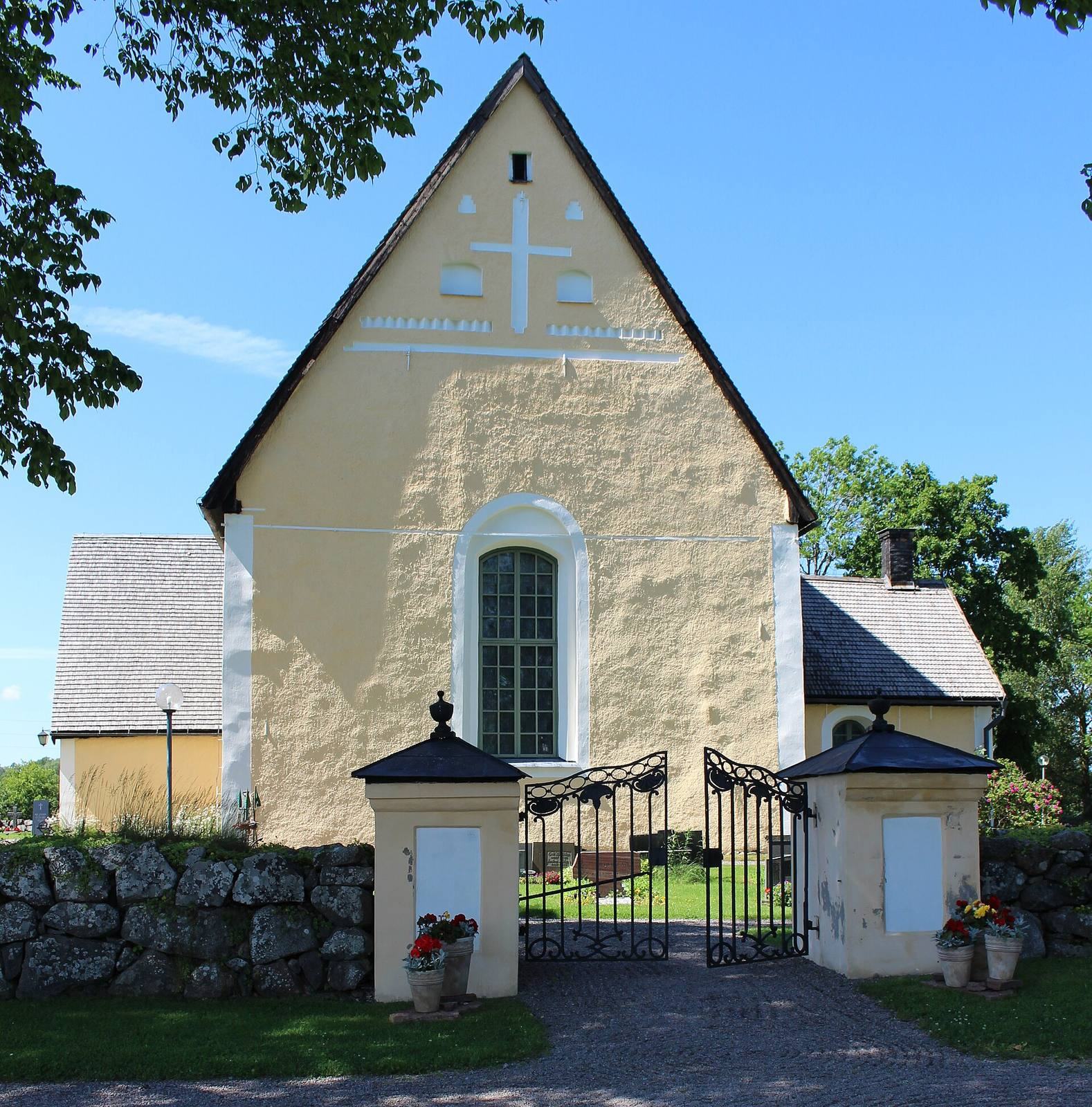
Site at a Glance
- Country
- Sweden
- Primary era
- Medieval
- Eras represented
- Medieval, Early Modern, Modern
- Civilizations
- Swedish
- Site type
- Religious
- Remains
- Church
On this page9 sections
History
Rasbokil Church is a late-medieval church in Uppsala, Sweden, a few kilometres north of Rasbo. It belongs to the Church of Sweden’s Rasbo-Rasbokil parish in the Archdiocese of Uppsala, a major church district overseen by an archbishop. The present church was built in the late 15th century or around 1500 and was probably consecrated during the 15th century.
Medieval foundations
An earlier church probably stood on the site. It may have been built of wood and had a masonry sacristy, a possibility supported by older stonework between the present sacristy and choir. Stones from an earlier building were also incorporated into the church.
Alterations and restoration
During the 18th century, most of the windows were enlarged, the vaults were repaired, and whitewashing covered the medieval paintings. A window was opened in the north wall around 1870, and the exterior was coated with render during the 1870s. In 1909–10, architect Sigurd Curman led an interior restoration that uncovered and repaired the paintings. The upper part of the altarpiece was restored in the 1930s, after its Baroque frame was found in pieces in the bell tower. Roof and sheet-metal work took place on the church and tower in 1975; the tower’s upper roof was then changed from shingles to copper sheeting.
The freestanding bell tower was built in the 18th century. It was initially open, then enclosed with boarding in the 19th century. The church has retained much of its original appearance and has not undergone substantial rebuilding.
Furnishings and memorials
An 11-stop organ made by Carl Holm of Uppsala in 1757 was given to the church through the will of Captain Johan Conrad Sternfeldt. The present organ dates to 1829 and was renovated by Åkerman & Lunds Nya Orgelfabriks AB in 1932 and Bröderna Moberg in 1971. The pulpit, made in the mid-17th century by Berendt Sifwertson of Uppsala, was given by Colonel Jurgen Schildt after his return from the Thirty Years’ War, a major European conflict fought from 1618 to 1648. Carl Claes Mörner (1730–1786), a Swedish nobleman, is buried in the von Post family grave at the church.
Remains
Church building and churchyard
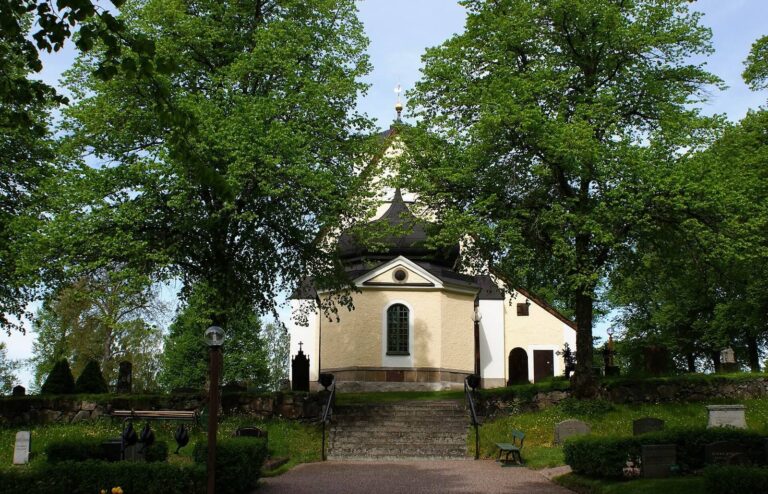
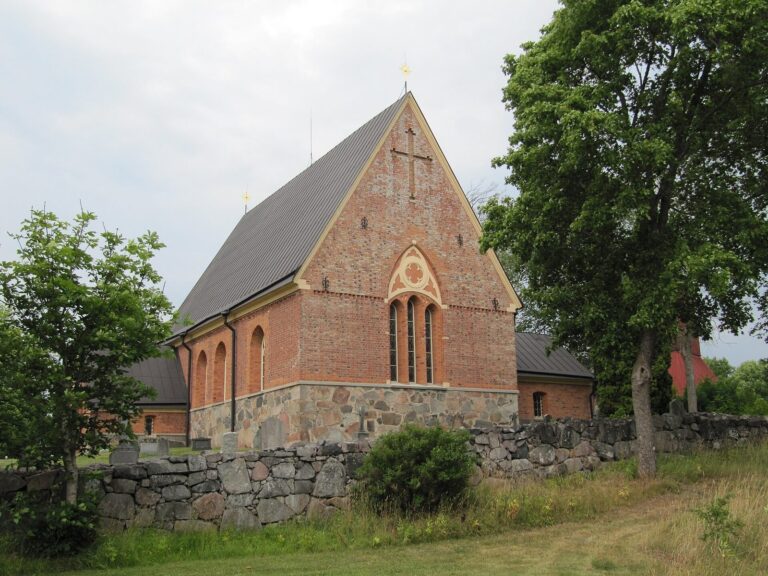
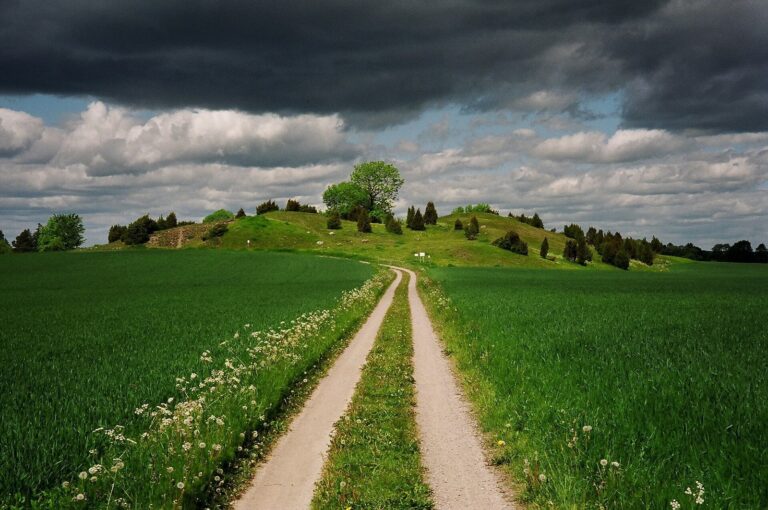
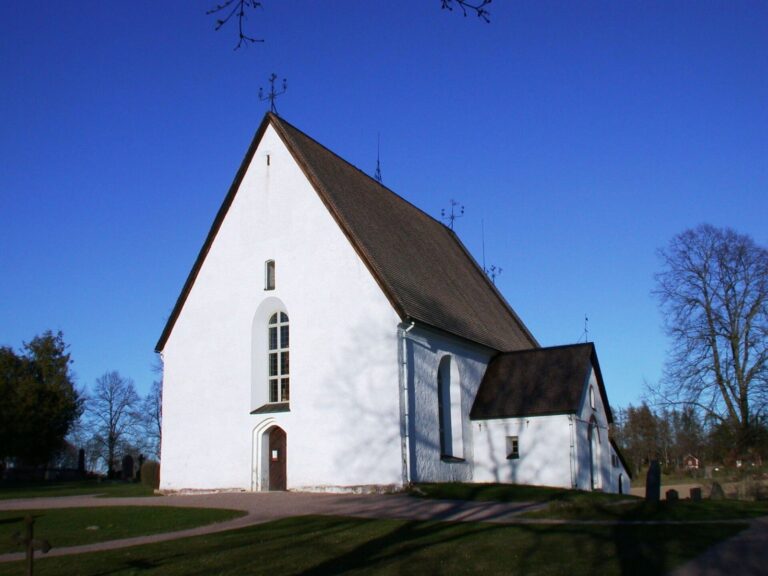
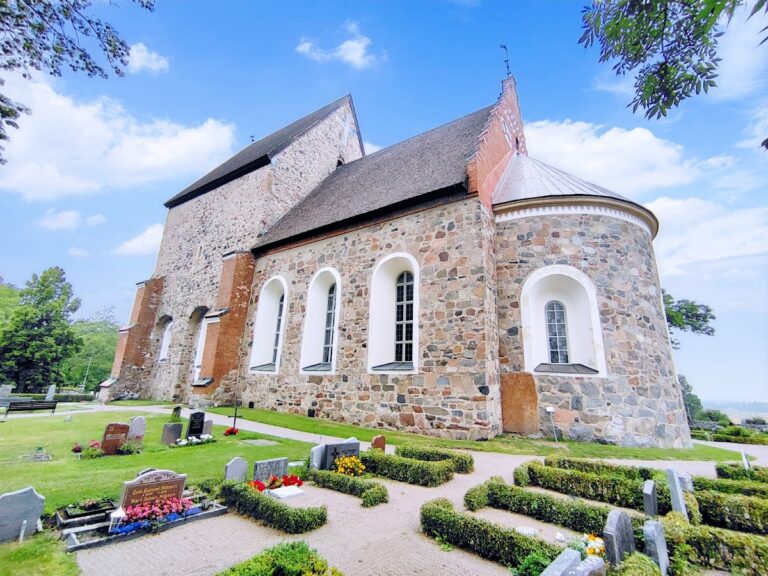
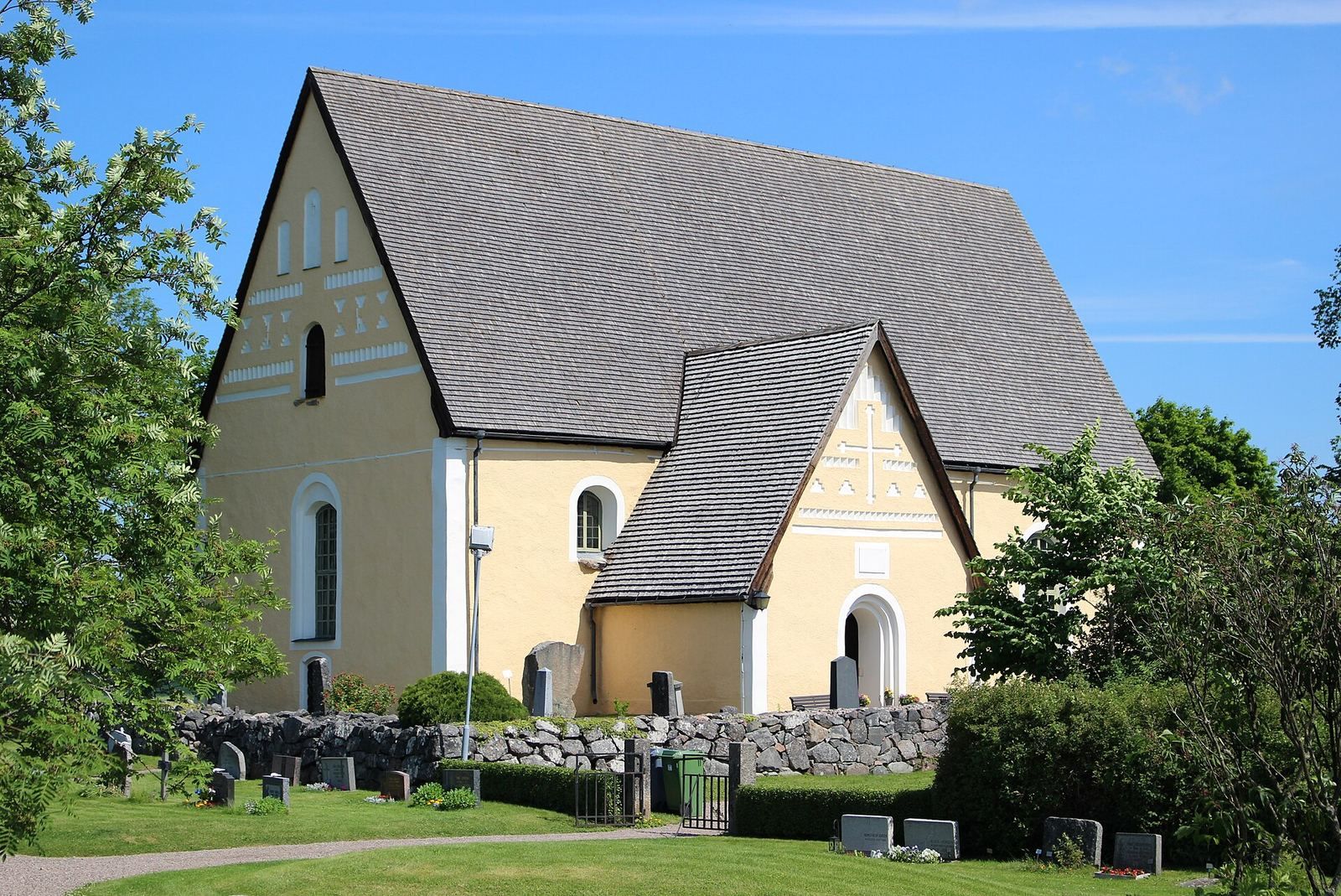
The church stands at the edge of the Lejsta River valley. Its hall-like plan has a single nave and a choir, the altar end of the worship space, of equal width. The interior is divided into three sections, with two star-patterned vaulted sections over the nave and a ribbed vault over the choir. Fieldstone forms the walls, while brick is used in the gables. The exterior is yellow with white details, beneath a steep, shingle-covered roof. A sacristy lies to the northeast and a porch to the southwest. Their pointed gables have decorative rows of shallow, closed arches. The oldest masonry lies between the sacristy and choir; it probably dates to the Folkung period, associated with the medieval Swedish House of Bjelbo.
A grey-stone boundary wall and a lychgate, a roofed entrance through the boundary, enclose the churchyard. Runestone U 1012 stands within it.
Interior and associated structures
Paintings and furnishings
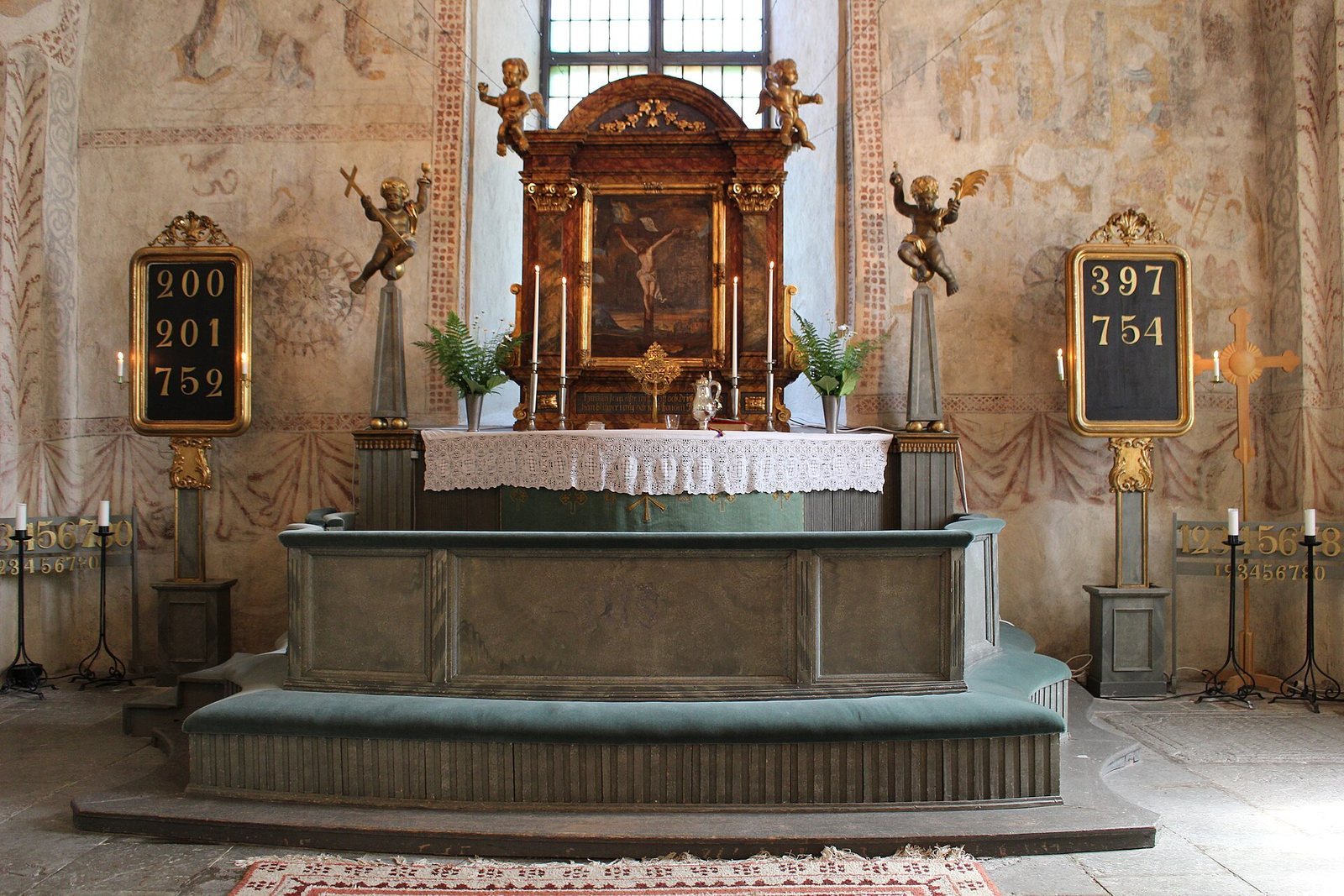
The vault paintings probably date to the 1520s and are attributed to an anonymous workshop conventionally called the Rasbokil Master. Their unusual subjects include family trees of Jesus and Mary, and they are noted for their distinguished quality. The baptismal font is carved from Gotland sandstone and probably dates to the 13th century. It was returned to the choir during the 1909–10 restoration after previously standing in the mortuary building. Early-modern altar furnishings include an altarpiece and an altar painting; the upper part of the altarpiece contains a painting. The decorated porch door dates from the reign of Gustav III, king of Sweden from 1771 to 1792. The present mechanical organ has a slider chest and a compass of 54/18. Before 1909 it stood on the west gallery; it is now on a raised platform at the west end.
Bell tower
The detached tower stands in a field on a rise south of the church, some distance from the main building. It contains two bells tuned to F-sharp 1 and B-flat 1.