Quidenham Hall: A Country House in Norfolk
Site at a Glance
- Popularity
- Medium
- Country
- United Kingdom
- Primary era
- Early Modern
- Eras represented
- Early Modern
- Civilizations
- English
- Site type
- Domestic
- Remains
- Elite Residence
On this page7 sections
History
Early ownership and construction
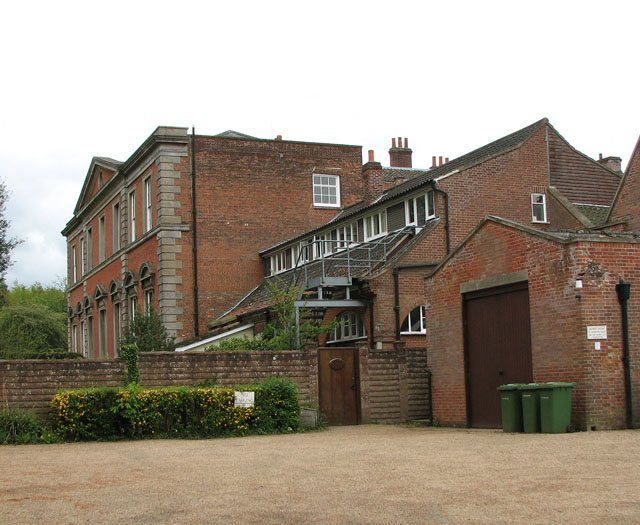
Quidenham Hall is a country house at Quidenham in Norfolk, England. A dwelling stood on the site by 1000, and the property passed to the Bedingfeld family around 1400. In 1572, John Holland, a local elected member of Parliament, bought the manor. Around 1600, his son Thomas began building the present house.
John Bristow later enlarged the house. It remained with the Holland family until around 1800, when George Keppel, 3rd Earl of Albemarle, acquired it. The property subsequently passed down through the Keppel family.
Royal visits and new uses
King Edward VII regularly visited the house in the early twentieth century. In 1948, the Carmelites of Rushmere, Ipswich, acquired it from the Keppel family and re-established it as a monastery for Carmelite nuns. The Carmelite community continues to hold the hall.
In 1989, some cottages on the property were transferred for use as a hospice for sick children. The hospice is now managed by the independent charity East Anglia Children’s Hospices.
Remains
The property includes the country house and cottages. The hall’s surviving form incorporates later additions to its original building.
Estate buildings
Quidenham Hall
The present house dates to around 1600. Its later additions include an East Wing and a west portico, a roofed entrance supported by columns.
Estate cottages
Some cottages remain on the property. They formerly housed staff employed by the Keppel family and are now used by a children’s hospice.