Queensberry House: A Seventeenth-Century Town House in Edinburgh
Site at a Glance
- Rating
- 4.7
- Popularity
- Very Low
- Country
- United Kingdom
- Primary era
- Early Modern
- Eras represented
- Early Modern
- Civilizations
- Kingdom of Scotland
- Site type
- Domestic
- Remains
- Elite Residence
On this page8 sections
History
Early buildings and a new town house
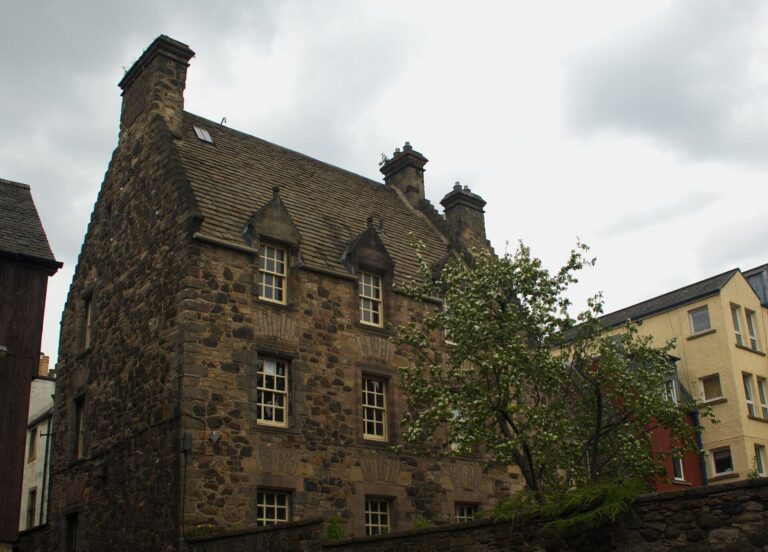
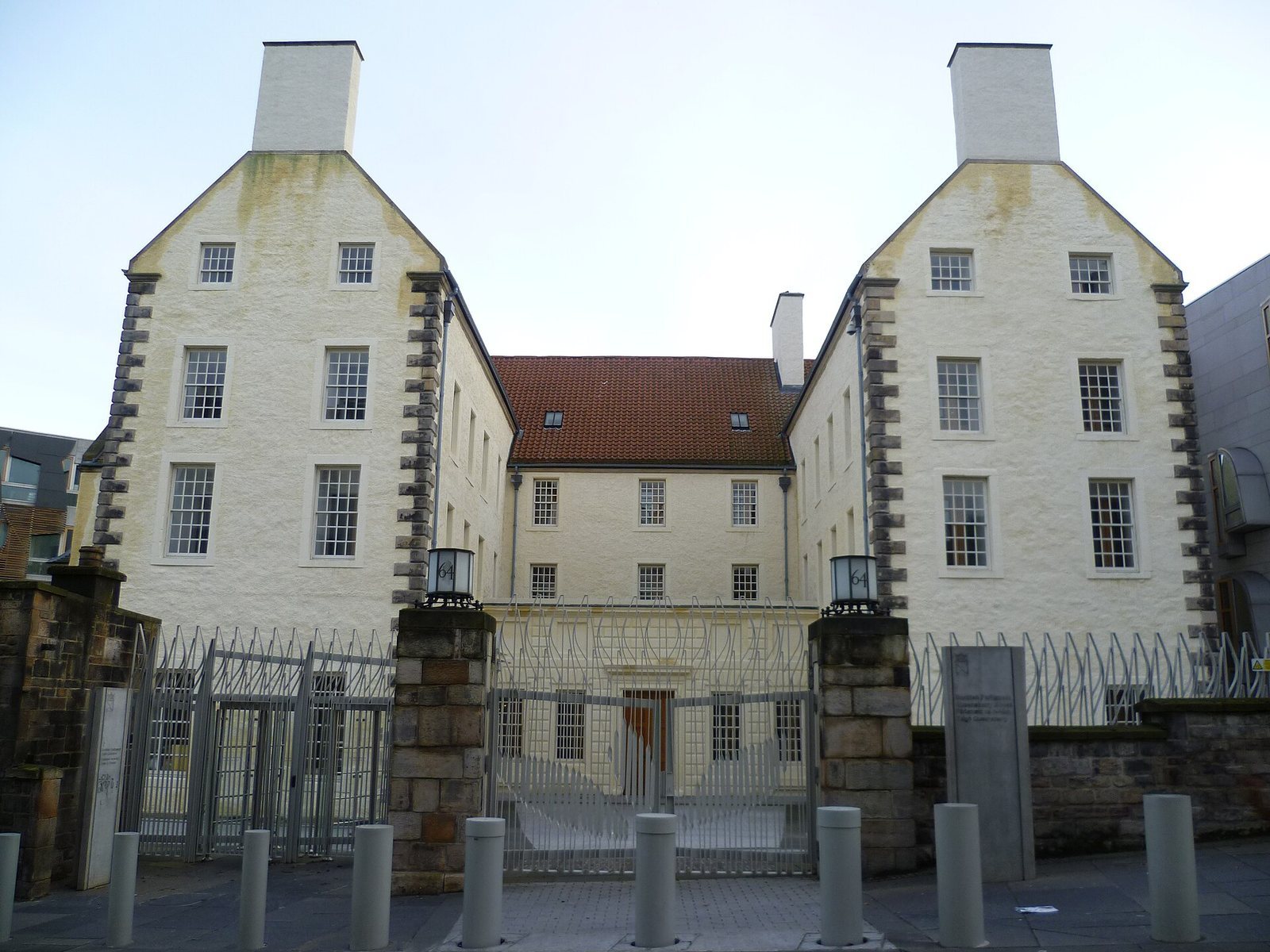
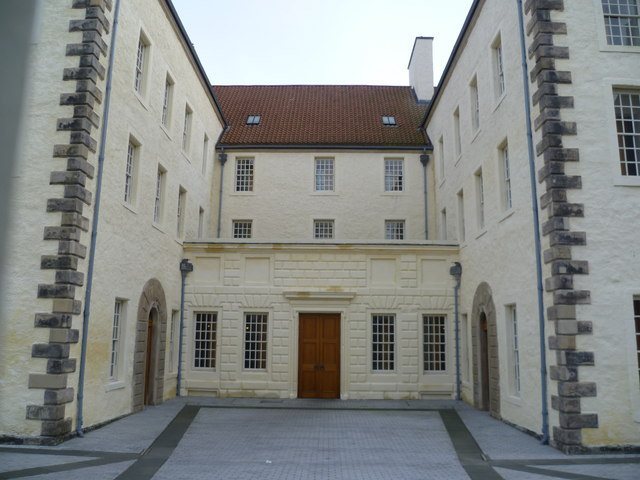
Queensberry House is a seventeenth-century town house on the Canongate in Edinburgh, Scotland. It was built between 1667 and 1670 as a grand residence for Margaret Douglas of Balmakelly. Earlier dwellings had occupied the site: in 1581, Jerome Bowie, master of the king’s wine cellar, bought two houses there from the family of stonemason Gilbert Cleuch.
Charles Maitland, Lord Hatton, acquired the new house in 1679 after he had to leave his accommodation at the Palace of Holyroodhouse. The house was altered in 1681 and renovated in 1770.
The Queensberry family and the Union crisis
William Douglas, 1st Duke of Queensberry, bought the house in 1686 and died there in 1695. It passed to his son James, 2nd Duke of Queensberry, who signed the Treaty of Union in 1707. The treaty joined Scotland and England as the Kingdom of Great Britain. Many regarded James’s part in it as treacherous and self-interested, particularly because he received titles and money, and an Edinburgh mob attacked the house.
A notorious tale links the night of the signing to the killing of a kitchen servant. It says that James left through the protesting crowd, escorted to the signing while his eldest surviving son, James Douglas, Earl of Drumlanrig, and a young servant remained at the house. The son was described as violently insane. According to the tale, when the Duke returned, he found his son turning a spit over the servant’s body by the kitchen fire; the servant was said to have been killed, roasted, and eaten. Although it was widely believed that the Duke ordered his son strangled, James was instead taken secretly to a family estate in Yorkshire, where he died in 1715. The servant’s ghost is also associated with the house.
After the 2nd Duke died in 1711, the house passed to his second son and heir, Charles Douglas, who had been born there in 1698. Charles’s wife, Catherine, Duchess of Queensberry, supported the poet and playwright John Gay, who visited the house several times.
Changing uses and parliamentary role
In 1745, during the Jacobite rising, officers wounded at the Battle of Prestonpans were lodged in the house. Jacobites supported the Stuart claim to the British throne. As affluent residents moved away following the opening of Edinburgh’s New Town, Queensberry House ceased to be the dukes’ principal residence and became rented accommodation. William Aitchison bought it in 1801.
The building served as a hospital from 1803 to 1996, including as a cholera hospital during the epidemic of the 1830s. From the 1850s it also housed a refuge and night asylum for homeless people, a role it continued until the Second World War. In 1945 it became a home for elderly homeless people.
The Scottish Government acquired the house in 1997 for government use. When the new Scottish Parliament building opened in 2004, Queensberry House became the oldest part of the parliamentary complex. It now contains offices for the Presiding Officer, two Deputy Presiding Officers, the Parliament’s Chief Executive, and other staff. The house is a Category A listed building, Scotland’s highest listing category for buildings of national or international importance.
Remains
The house and archaeological evidence
The town house
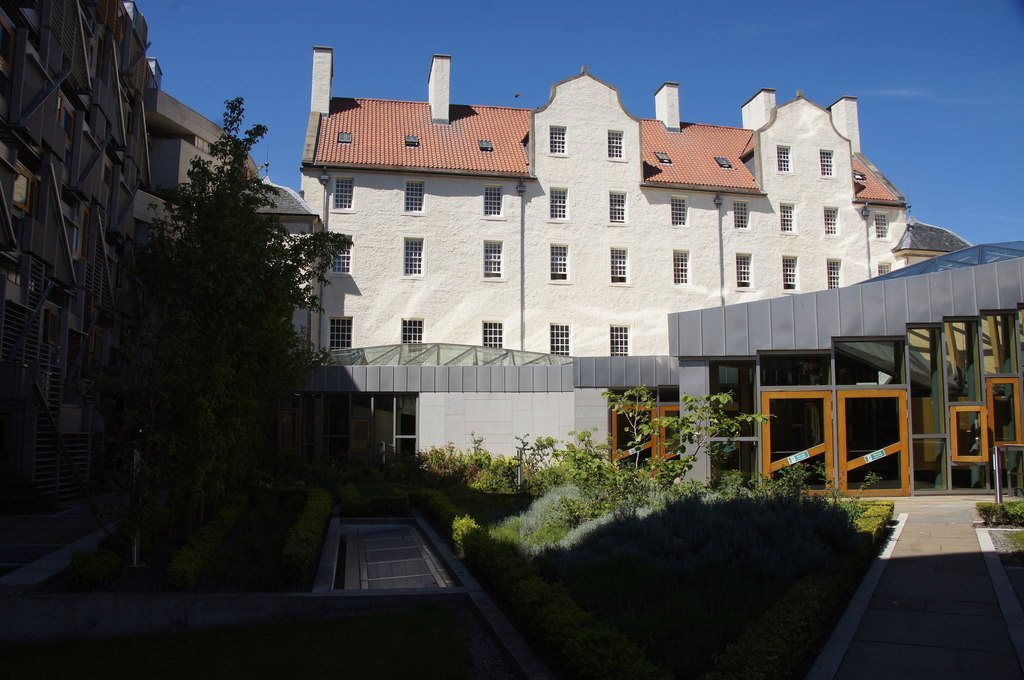
The four-storey building stands on the south side of the Canongate, at the north-west corner of the Scottish Parliament complex, and is connected to the newer Parliament building. After Aitchison bought the house in 1801, interior fittings were removed, including wooden panelling and fireplaces.
The kitchen
Archaeological work before construction of the Parliament complex found evidence of metalworking in the kitchen. This activity was probably connected with testing and refining precious metals. Because Maitland oversaw the Scottish Mint, which produced coinage, archaeologists have suggested that the kitchen may also have been adapted as a workshop for reducing the precious-metal content of coins.