Puig des Molins, Ibiza: A Phoenician-Punic Necropolis
Site at a Glance
- Rating
- 4.7
- Popularity
- High
- Country
- Spain
- Primary era
- Iron Age
- Eras represented
- Iron Age, Modern
- Civilizations
- Carthaginian, Spanish
- Site type
- Burial
- Remains
- Necropolis
On this page12 sections
History
Puig des Molins is a Phoenician-Punic necropolis near Ibiza Town, Spain, used from the seventh century BC into the third century AD. Its burials are an important source of evidence for Carthaginian influence on the island.
Foundation and Punic use
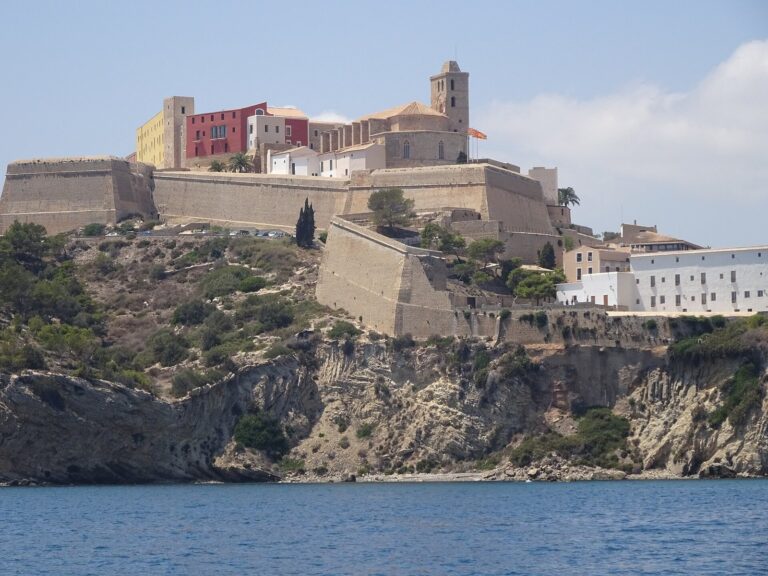
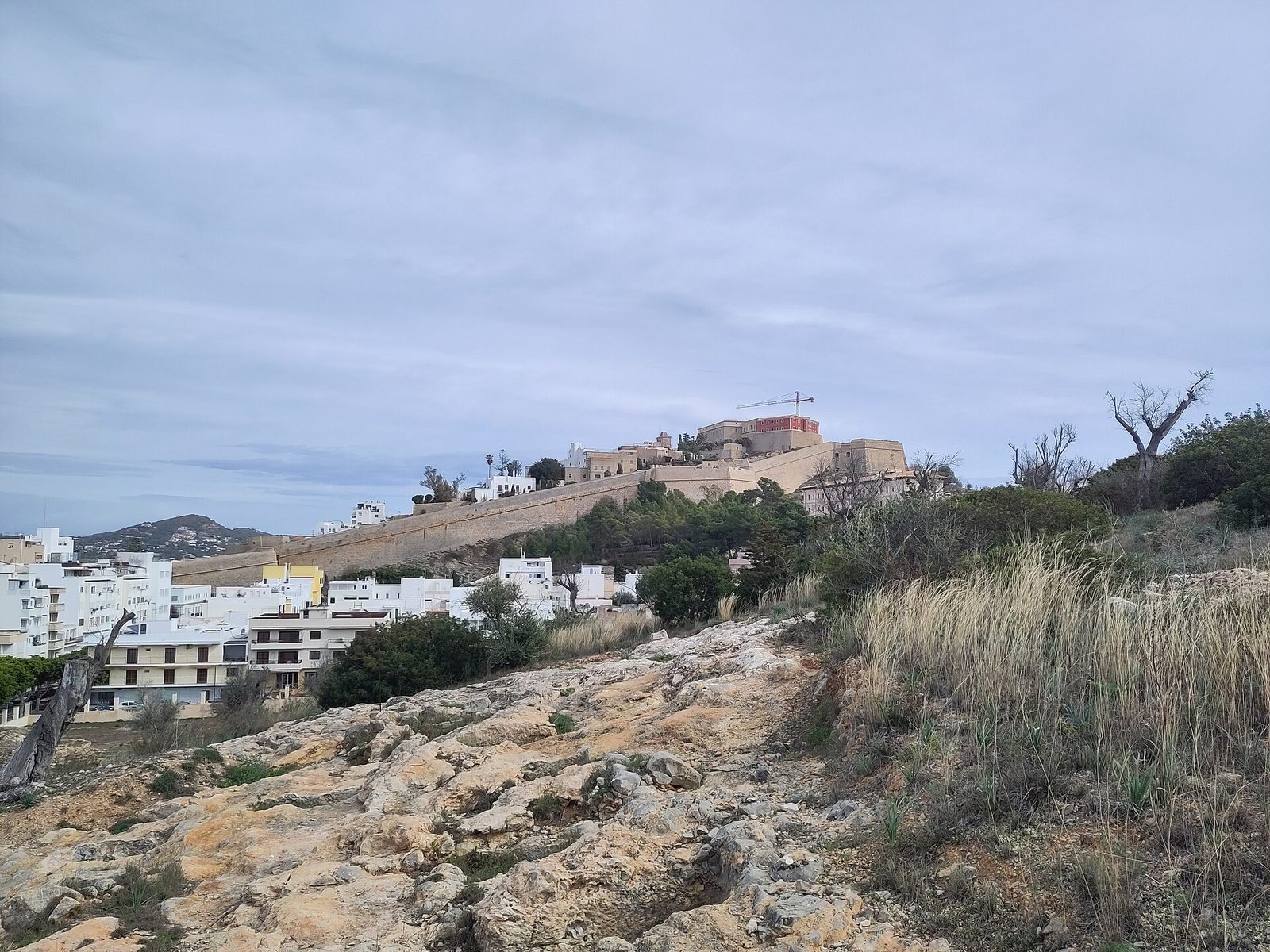
Carthaginian colonization of Ibiza began in 654 BC with the establishment of Ibosim, the settlement that became the present city of Ibiza. Named for Bes, an ancient protective deity, Ibosim served as a naval trading post and strategic fortress. The nearby cemetery developed during the seventh century BC and remained in use for centuries.
Burial customs changed over time. Cremation predominated in the seventh and early sixth centuries BC. A later phase lasting three centuries involved inhumation in tombs cut into rock, and inhumation is also associated with a renewed phase in the early third century BC. Both cremation and inhumation are represented at the necropolis.
Some historians and archaeologists have proposed that people buried in Ibiza’s Punic cemeteries were mainly foremen and other workers serving local trading posts. In this interpretation, entrepreneurs and major merchants were buried at Carthage.
Roman and Islamic reuse
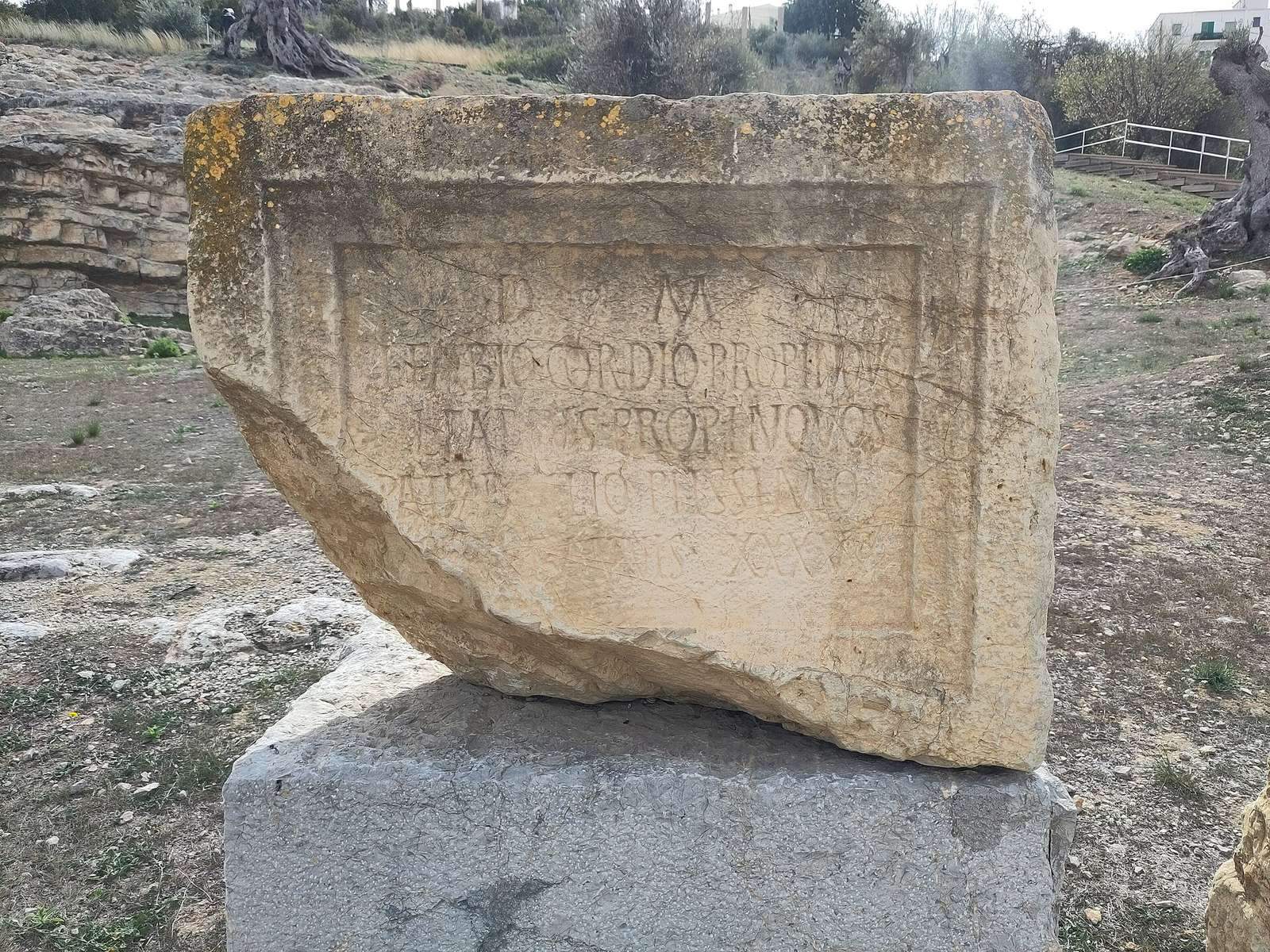
Romans later reused Punic tombs for burials. During the Islamic period, older tombs were used again, with burials placed in both their entrance shafts and chambers.
Protection and museum
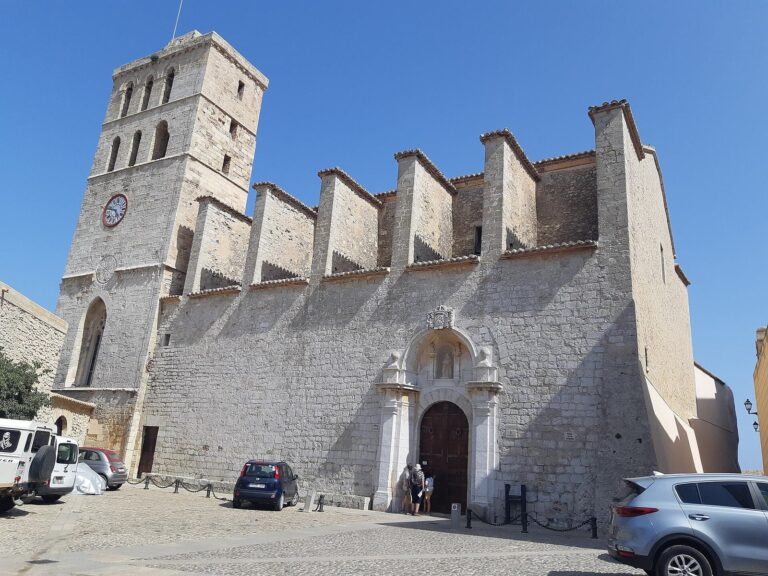
The necropolis became a protected archaeological zone in 1931 and was included in the UNESCO World Heritage property “Ibiza, Biodiversity and Culture” in 1999. A museum for the island’s archaeological finds was proposed in 1929, following a visit by King Alfonso XIII. In 1935, a new building was proposed to replace the museum in Dalt Vila, Ibiza’s fortified historic quarter. Construction was delayed by the Spanish Civil War and completed in 1965. The museum became state-owned in 1984.
Remains
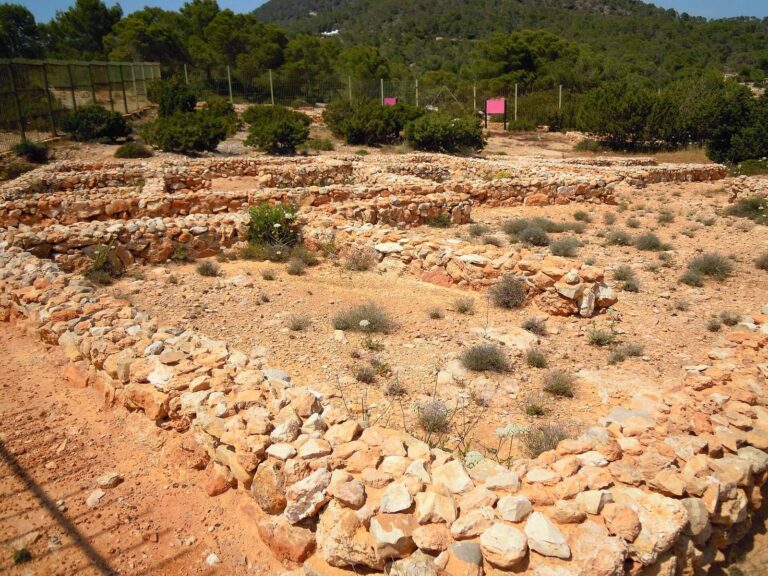
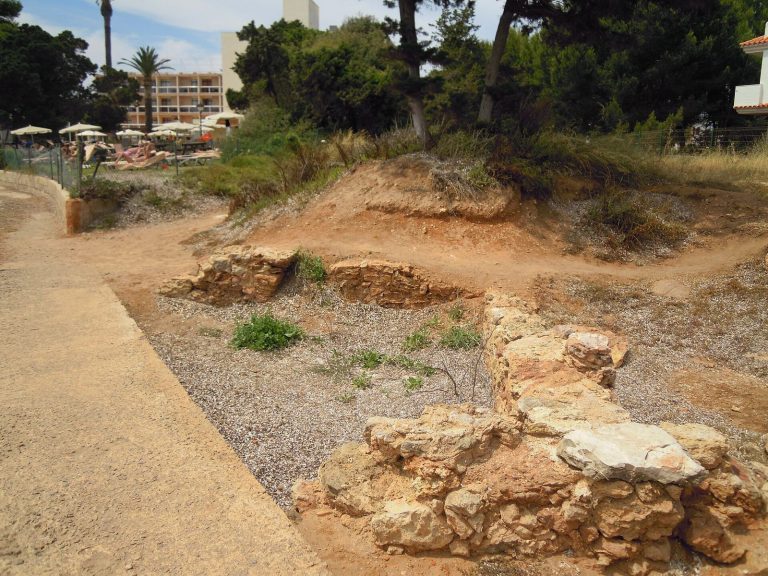
The necropolis occupies the slope of Puig des Molins, where underground tombs were cut into the rock. The present site covers about five hectares, while the original burial ground is described as covering approximately 10,000 square metres. More than 3,000 burials have been discovered, and excavation continues. Estimates place the number of tombs cut into the hill at between 4,000 and 5,000.
Rock-cut tombs
Chambers and burial sequence
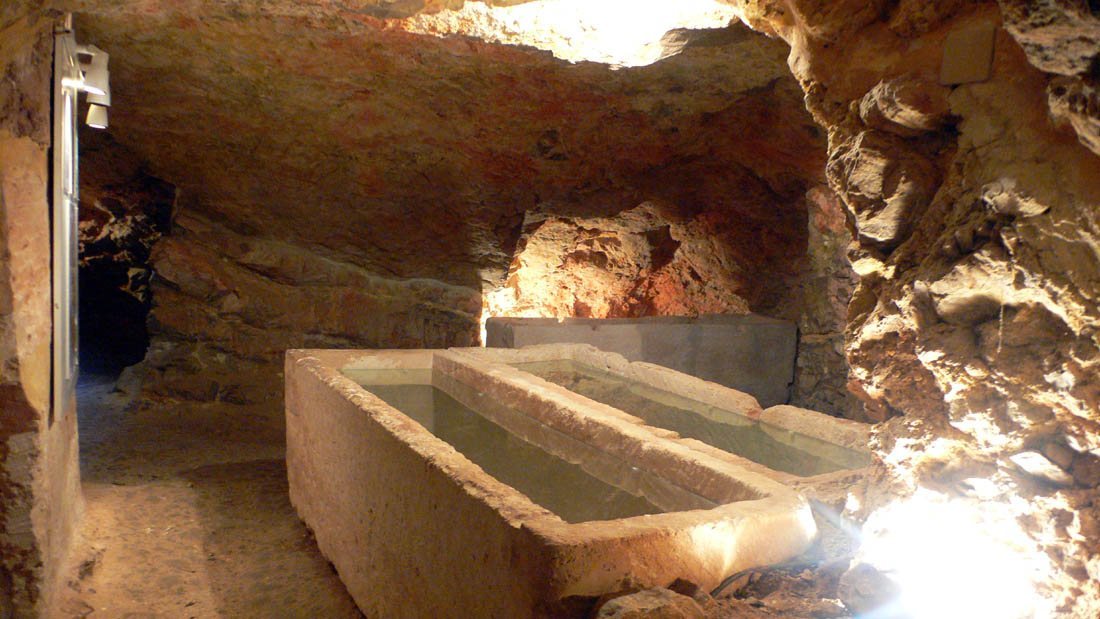
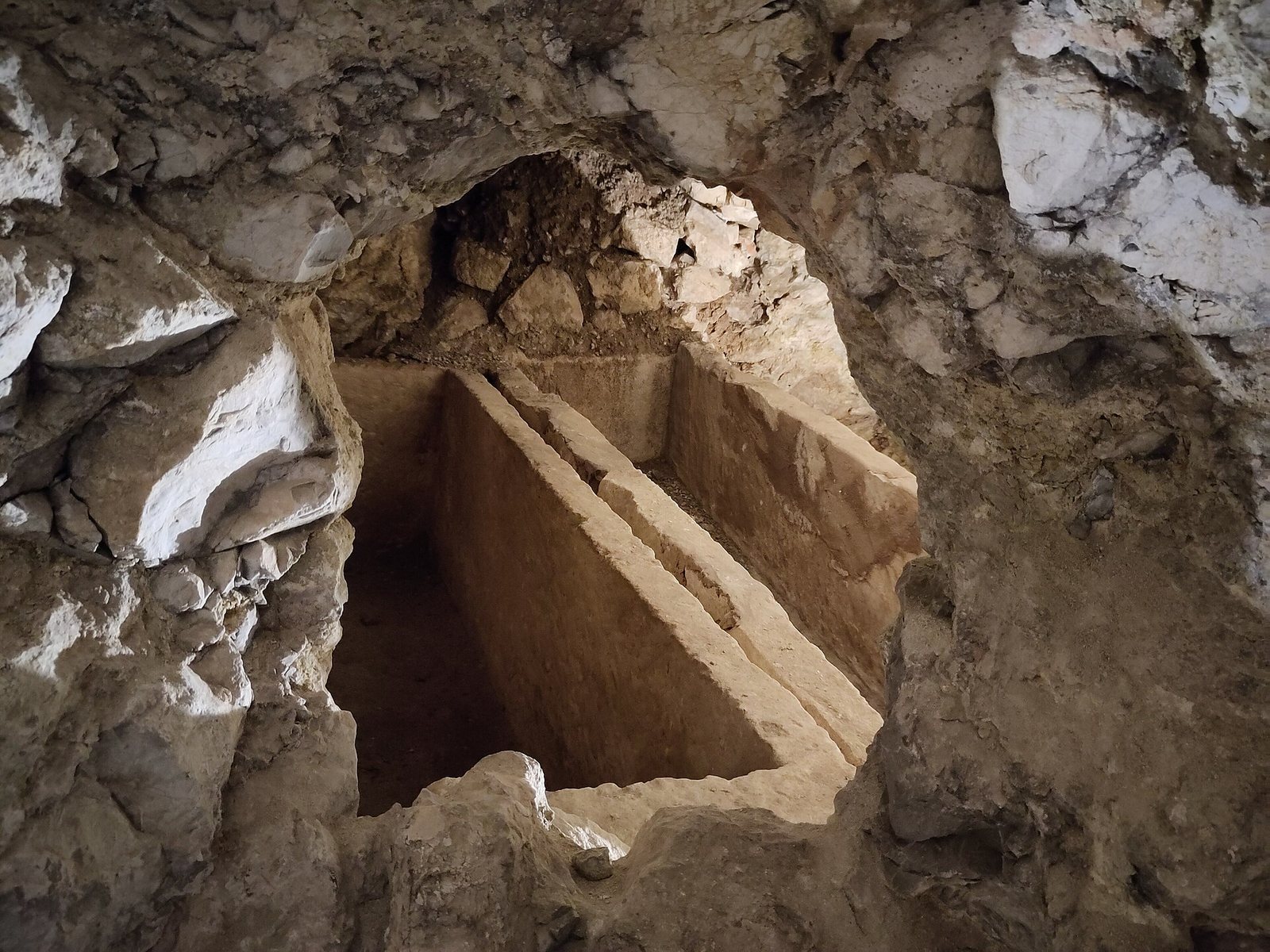
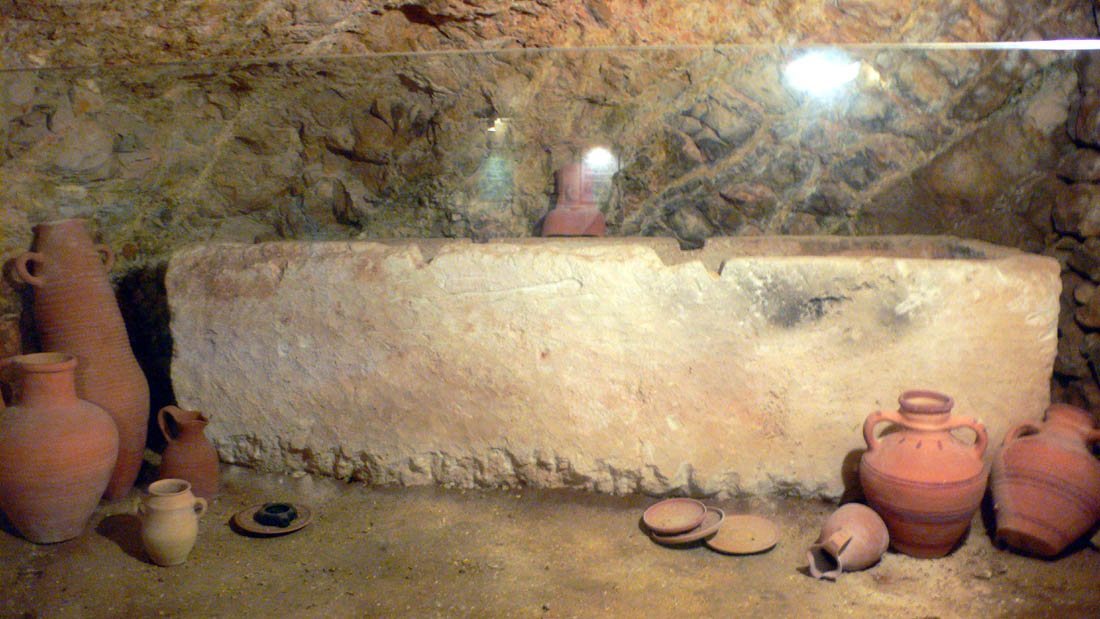
A typical tomb had an entrance shaft leading to a burial chamber, where funerary objects and a stone coffin, or sarcophagus, could be placed. A large slab sealed the chamber, and earth filled the shaft. Some bodies were covered with stone slabs instead of being placed in sarcophagi. Tombs served family burials, and their size varied with a family’s financial means. When a chamber was used repeatedly, newer burials could be placed in sarcophagi while earlier remains were moved onto the chamber floor.
Altered chambers
Some tombs remain undisturbed, while many were plundered. The removal of grave goods was accompanied by damage to the thin rock walls separating chambers. Passages cut through those walls have joined many tombs into a tunnel-like system.
Funerary finds
Terracotta figures
Hundreds of terracotta figures from the necropolis depict the dead, protective deities and sacred animals. Figures of men, sometimes bearded, occur alongside more numerous representations of women. Female figures often wear richly patterned clay cloaks decorated with rosettes, palm motifs, flowers and other Greek or eastern designs. Their arms were fired separately and attached, and could be held open, raised in an offering gesture or positioned around symbolic objects. Three artistic styles are represented among figures associated with burials from the fifth century BC through the Roman period.
Individual finds
A female terracotta figure from the fifth or fourth century BC is now in Spain’s National Archaeological Museum in Madrid. It wears a kalathos, a basket-shaped crown interpreted as a sign of divine status after death and linked to the deceased’s devotion to Astarte, a goddess worshipped by Phoenicians and in the ancient Near East. The figure holds a small pig and has pierced ears and a perforation through the nasal septum. A sixth-century-BC plaque depicting a sphinx from Puig des Molins is also held by the Madrid museum.
Other finds include amulets, offering vessels, occasional jewelry, lamps, coins and axes dedicated as religious offerings. Terracotta figures and necklaces made from glass, bone and ivory beads are common among the funerary objects.
Archaeological museum
The museum has five exhibition rooms across 1,514 square metres. Its displays cover death in the Phoenician period from 626 to 525 BC, Punic funerary customs and burials from 525 to 25 BC, and death during Roman times and Late Antiquity, the later Roman era and transition toward the medieval period, through AD 600. The Sainz de la Cuesta collection is also shown, with a bust of Tanit, a major Carthaginian goddess, as its centerpiece.