Puig Castellar: An Iron Age Iberian Settlement in Spain
Site at a Glance
- Rating
- 4.7
- Popularity
- Medium
- Country
- Spain
- Primary era
- Iron Age
- Eras represented
- Iron Age
- Civilizations
- Iberian
- Site type
- Settlement
- Remains
- Village
On this page6 sections
History
Iberian occupation
Puig Castellar is an Iron Age Iberian settlement founded by the Laietans on a hill between Santa Coloma de Gramenet and Montcada i Reixac, Spain. The Laietans were an ancient Iberian people of the northeastern Iberian Peninsula. The settlement was occupied from the sixth to the third centuries BCE, then abandoned between the third and second centuries BCE. Its inhabitants relied chiefly on farming and livestock raising, alongside metalworking and textile production. Puig Castellar is among the best-preserved Iberian settlements in the area around Barcelona.
Rediscovery and archaeological study
Local landowner Ferran Sagarra i de Siscar discovered the site in 1904–1905. In 1917, he transferred the land to the Institute of Catalan Studies, a Catalan scholarly institution. The institute excavated the settlement’s northern area between 1922 and 1925. Further excavation campaigns, organized by the local Puig Castellar Hiking Association, took place from 1954 to 1958.
On 30 April 2024, Puig Castellar received Catalonia’s Cultural Asset of National Interest designation as an archaeological zone.
Remains
Settlement plan and structures
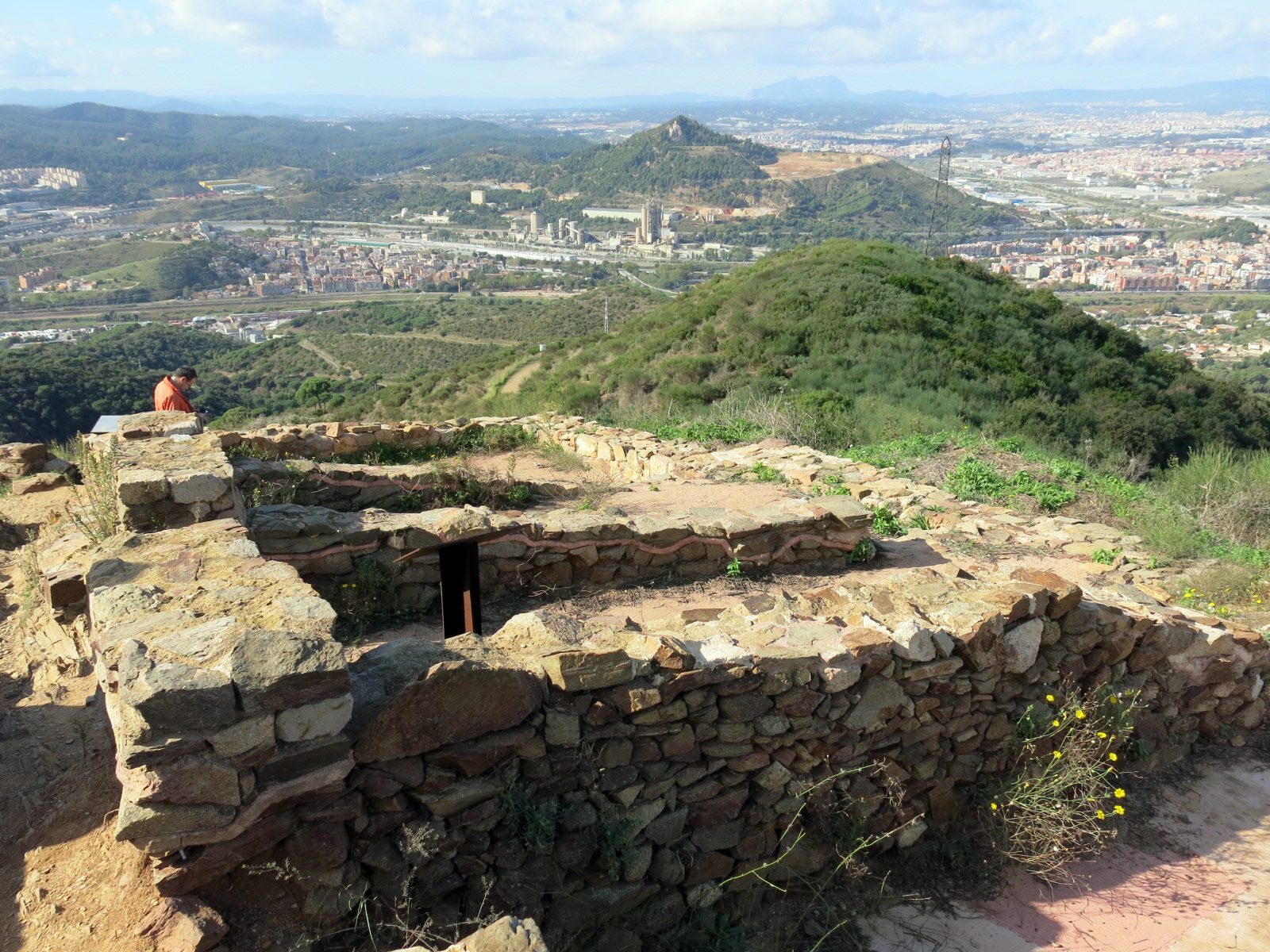
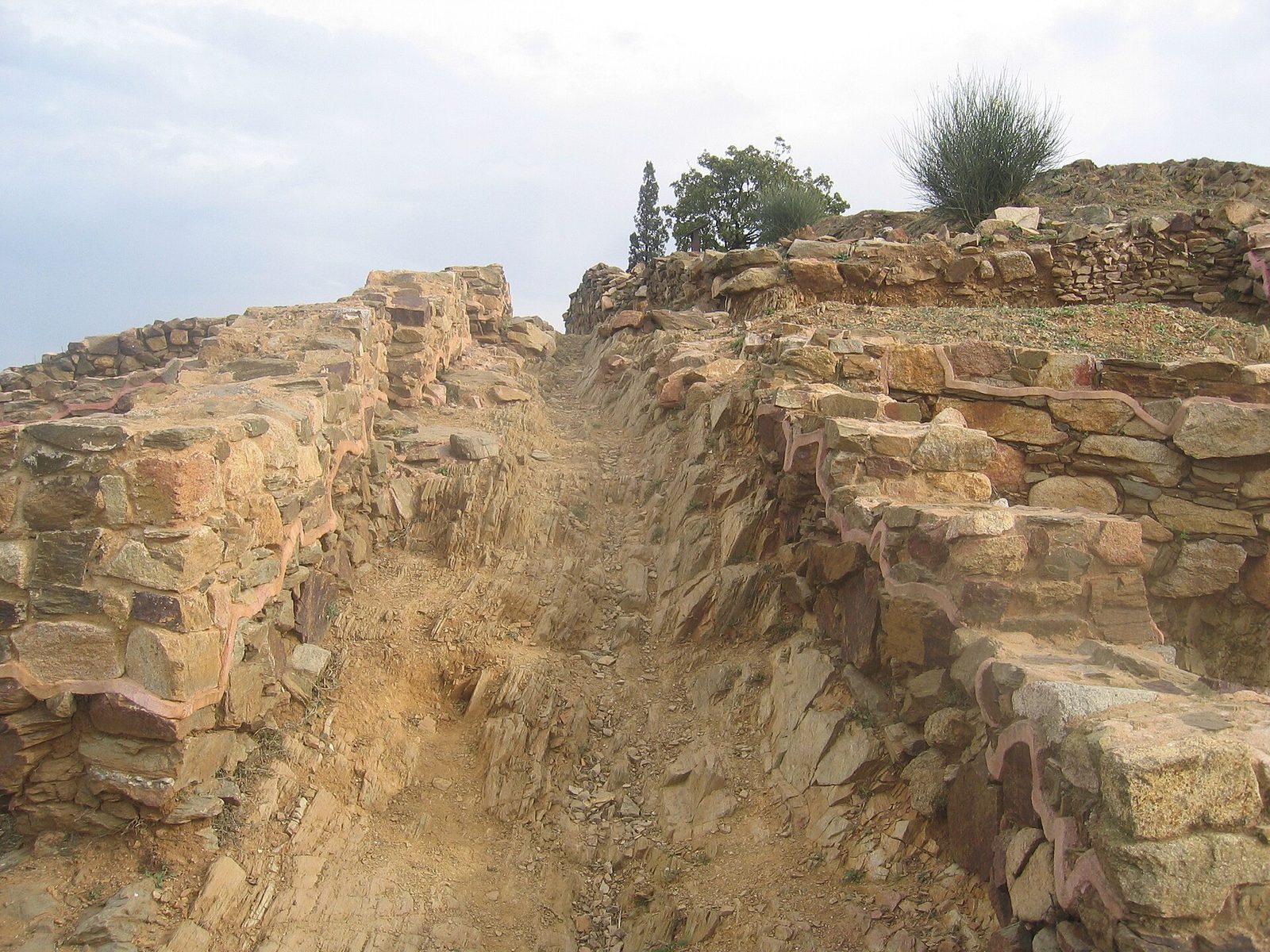
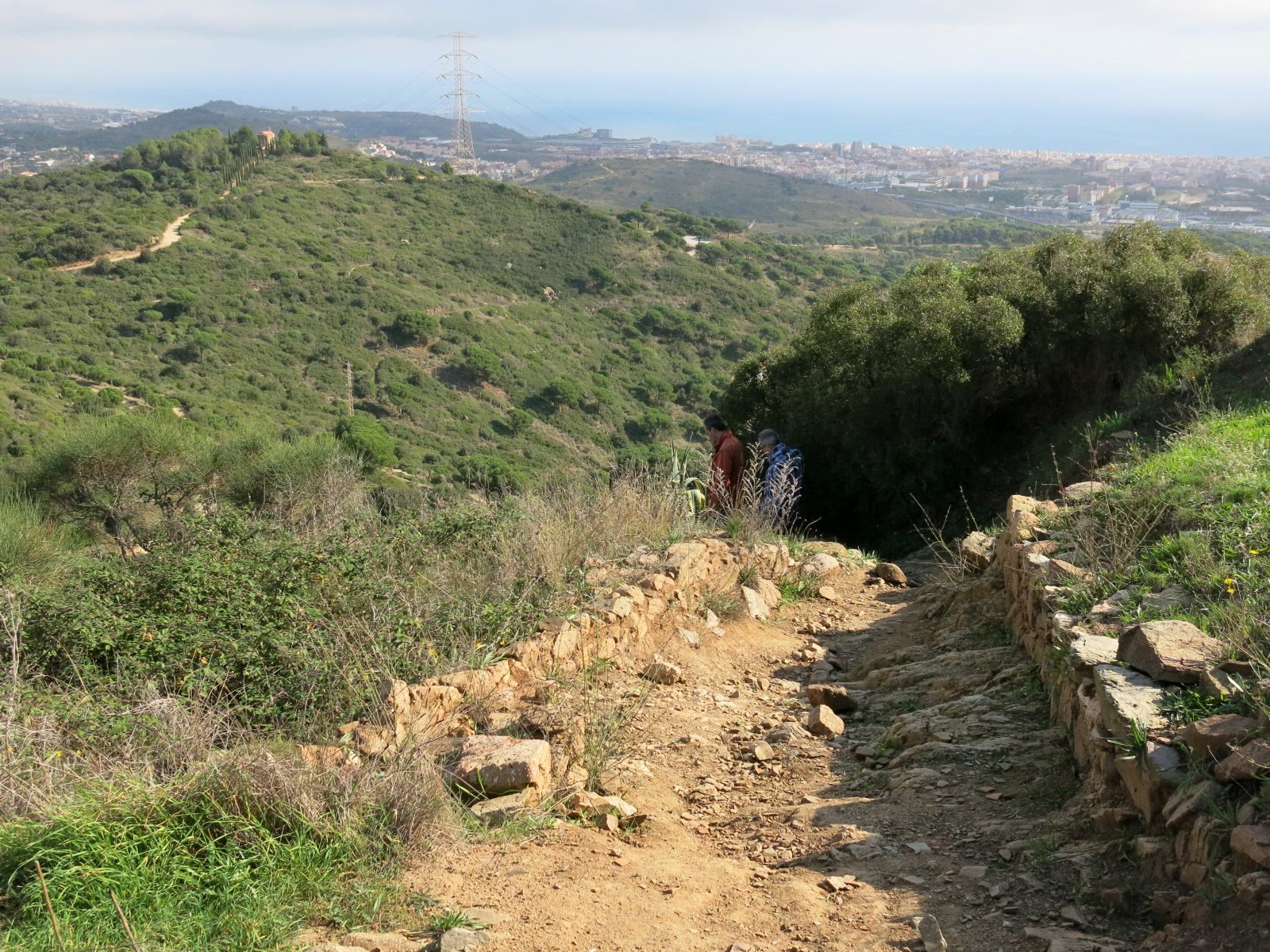
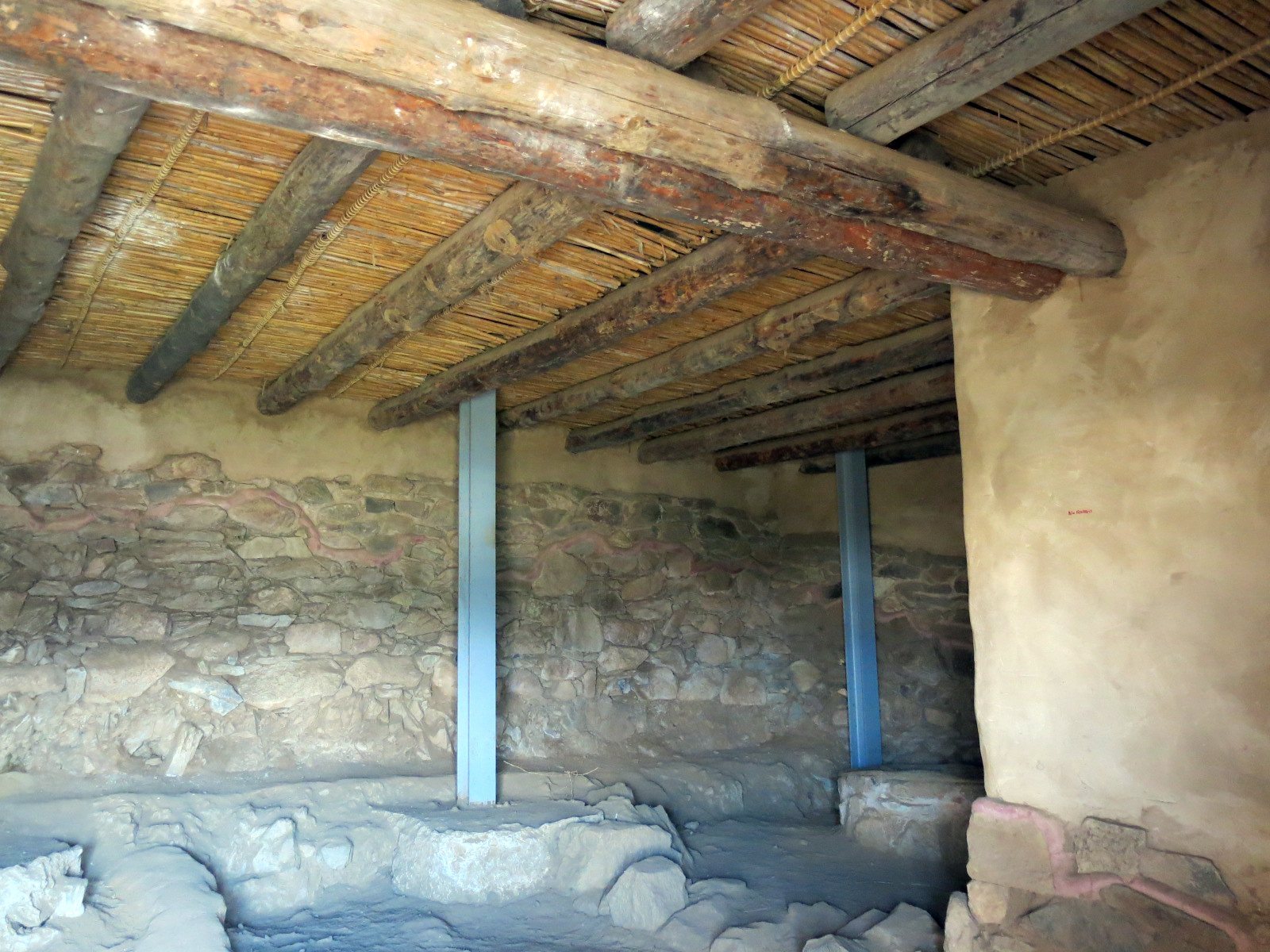
The settlement occupies the summit of a 303-metre hill, also called Turó del Pollo, and covers about 5,000 square metres. Its elliptical plan includes three lengthwise streets and more than 30 houses, a layout that suggests a population slightly above 300. An older area lies on the sunny slope and a newer one on the shaded slope. Houses stand at different elevations, with higher homes associated with greater social importance; the highest part is thought to have held the most important buildings. A reconstructed house contains a mill, and the site also has a wall-walk, a passage along a defensive wall used for movement or patrol.
Excavated finds
Excavations yielded an iron fire-dog, a metal support for fuel in a hearth; a terracotta head of Tanit, a Phoenician goddess associated with fertility; and a nailed skull. The skull may relate to a Celtic practice of preserving the heads of defeated enemies. These finds are held at the Museum of Archaeology of Catalonia in Barcelona and the Torre Balldovina Museum in Santa Coloma de Gramenet.