Puerta Nueva de Bisagra: Toledo’s Renaissance City Gate
Site at a Glance
- Country
- Spain
- Primary era
- Early Modern
- Eras represented
- Medieval, Early Modern
- Civilizations
- Spanish
- Site type
- Military
- Remains
- Gate
On this page9 sections
History
Puerta Nueva de Bisagra is a Renaissance gate in Toledo, Spain, rebuilt in the sixteenth century as the city’s principal entrance. It later replaced the smaller Puerta Antigua de Bisagra as Toledo’s main entrance.
The earlier gate
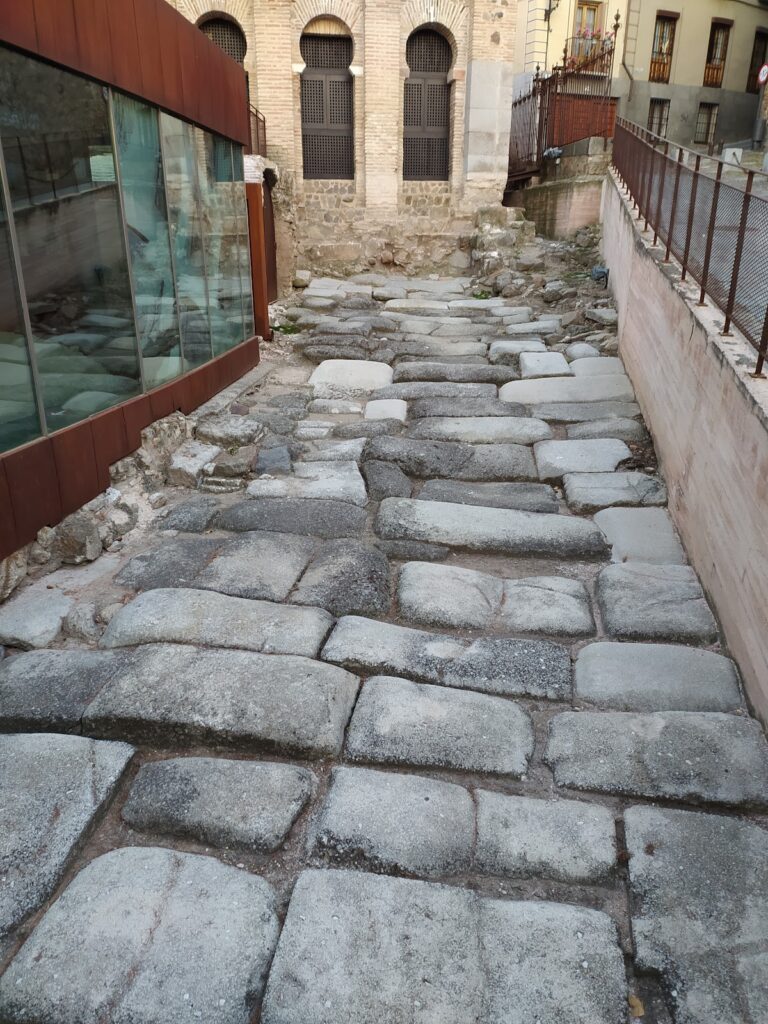
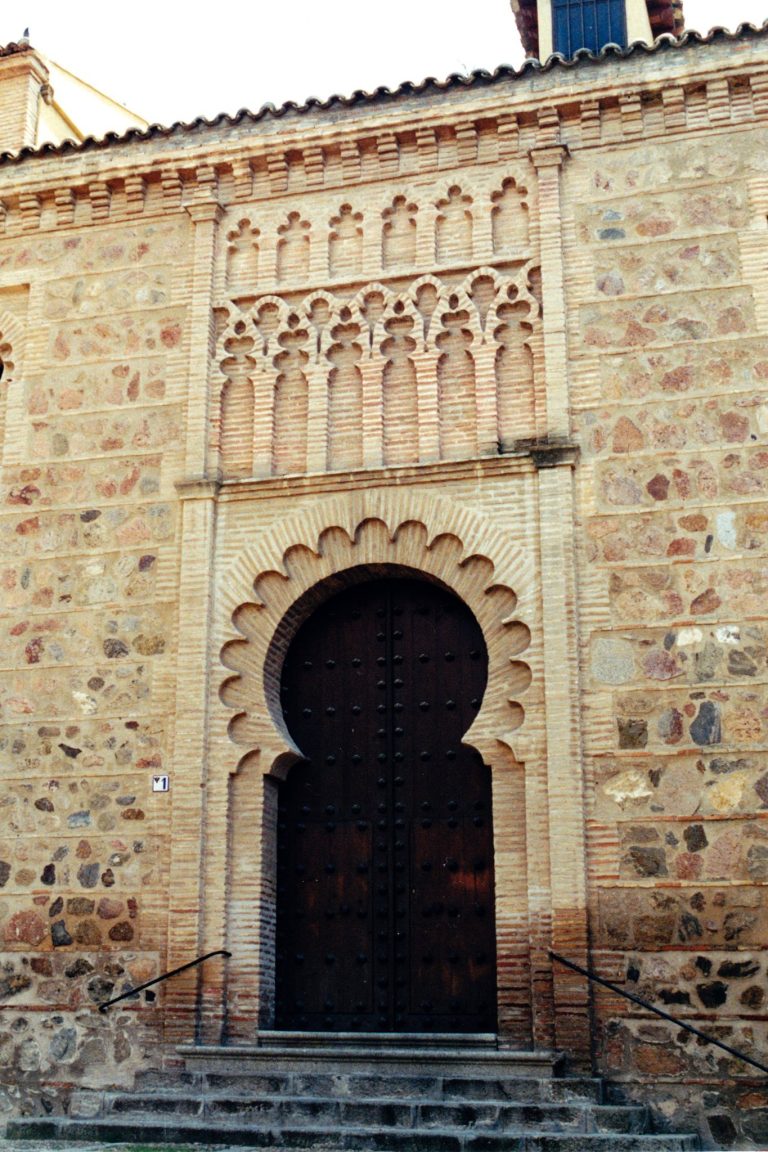
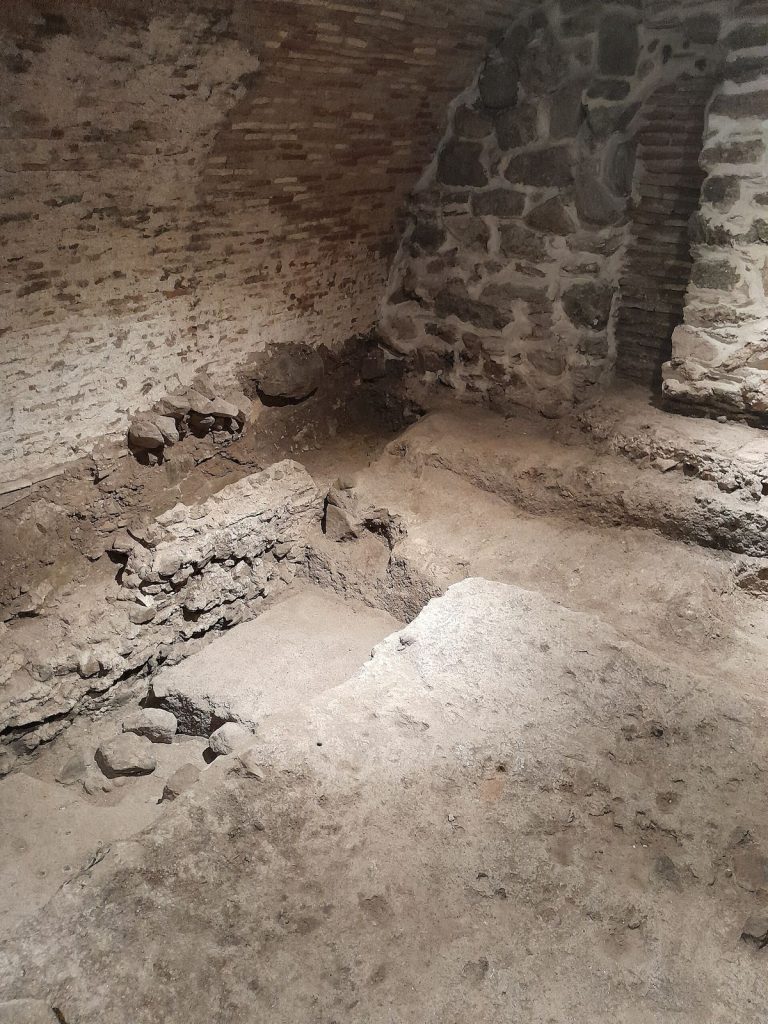
An earlier gate, known by the Arabic name bab al Shaqra, existed before Alfonso VI, a medieval king of León and Castile, conquered Toledo in 1085. Its origins are disputed: it has been described as Arab or as Mudéjar, an Iberian tradition combining Islamic forms and techniques with work produced under Christian rule. Excavations in 1999, carried out during a project to restore Toledo’s walls, revealed that the Renaissance gate stands over an older entrance with a passage that changed direction. This entrance had been sealed and taken out of use, perhaps during the conquest. It predates 1085 and is older than the nearby Puerta Antigua de Bisagra, also called the Puerta de Alfonso VI.
Renaissance reconstruction
The reconstruction probably began around 1540 and may have involved Nicolás de Vergara the Elder, Juan de Benavides, Eugenio Sánchez, and Alonso de Covarrubias. Covarrubias was involved around 1547–48 and built the main part in 1559; the works were completed in 1576. Around 1550, Charles V, Holy Roman Emperor and king of Spain, ordered the gate enlarged and renovated because the earlier entrance was too narrow for pedestrians and horse-drawn vehicles.
Later changes and local tradition
In 1934, nearby houses attached to the gate were demolished and two additional vehicle entrances were built. The work was financed by the Count of Romanones, the title held by politician Álvaro de Figueroa. After prolonged rain, the gate’s right-hand tower collapsed on 12 April 1946. A statue of Charles V was installed in 1958. The gate is listed as an Asset of Cultural Interest and forms part of the Historic City of Toledo.
A local legend concerns the guardian angel shown above the gate. It says the angel allowed the plague into Toledo on condition that it take only seven residents. After 7,000 people died, the plague supposedly argued that it had kept its promise: only seven had died from the disease itself, while the others had died from fear and apprehension. Archaeologist Castaños y Montijano first published the legend in 1919 in Revista Toledo; teacher Ismael del Pan later popularized it in Folklore toledano.
Remains
The gate complex
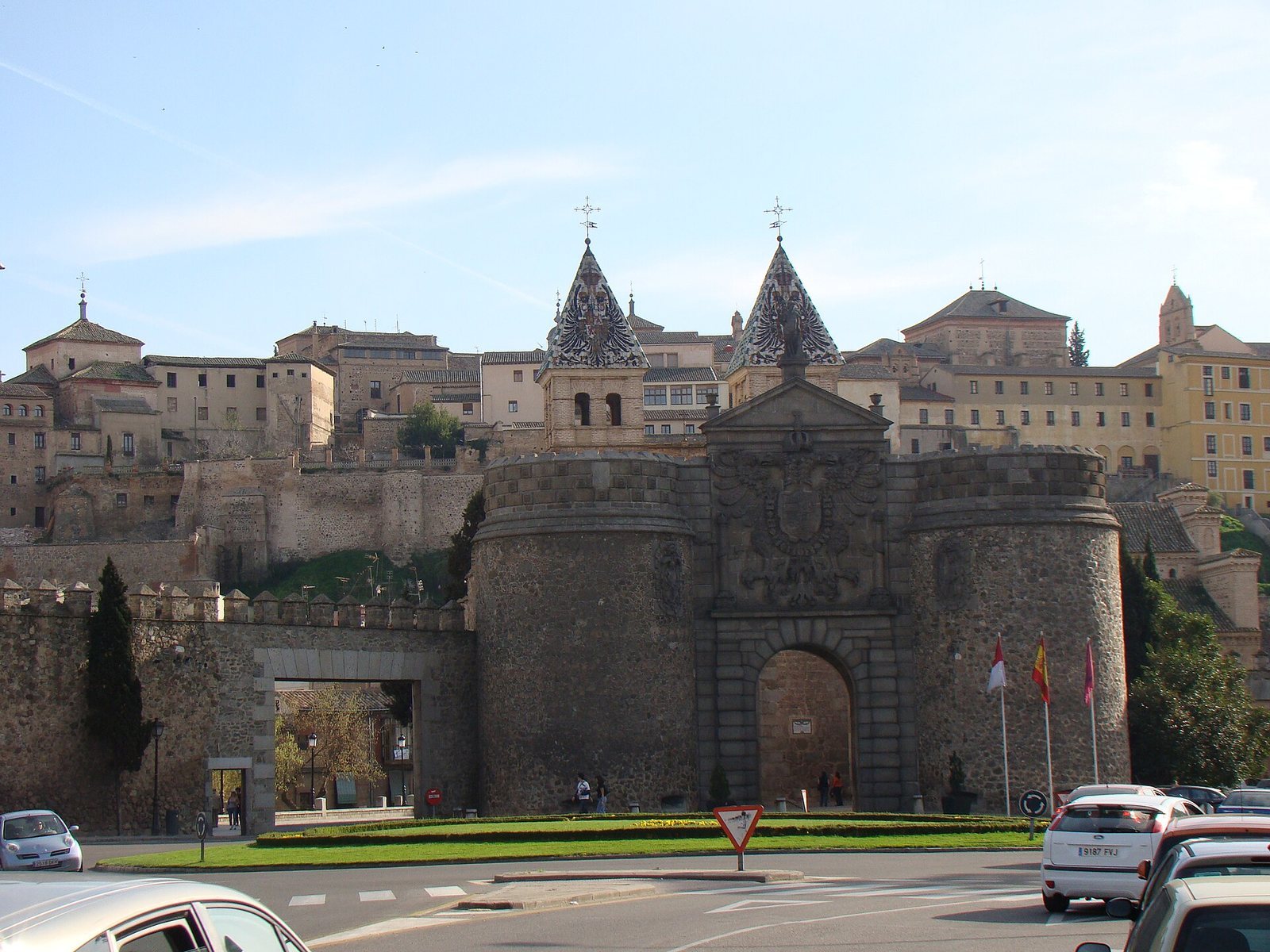
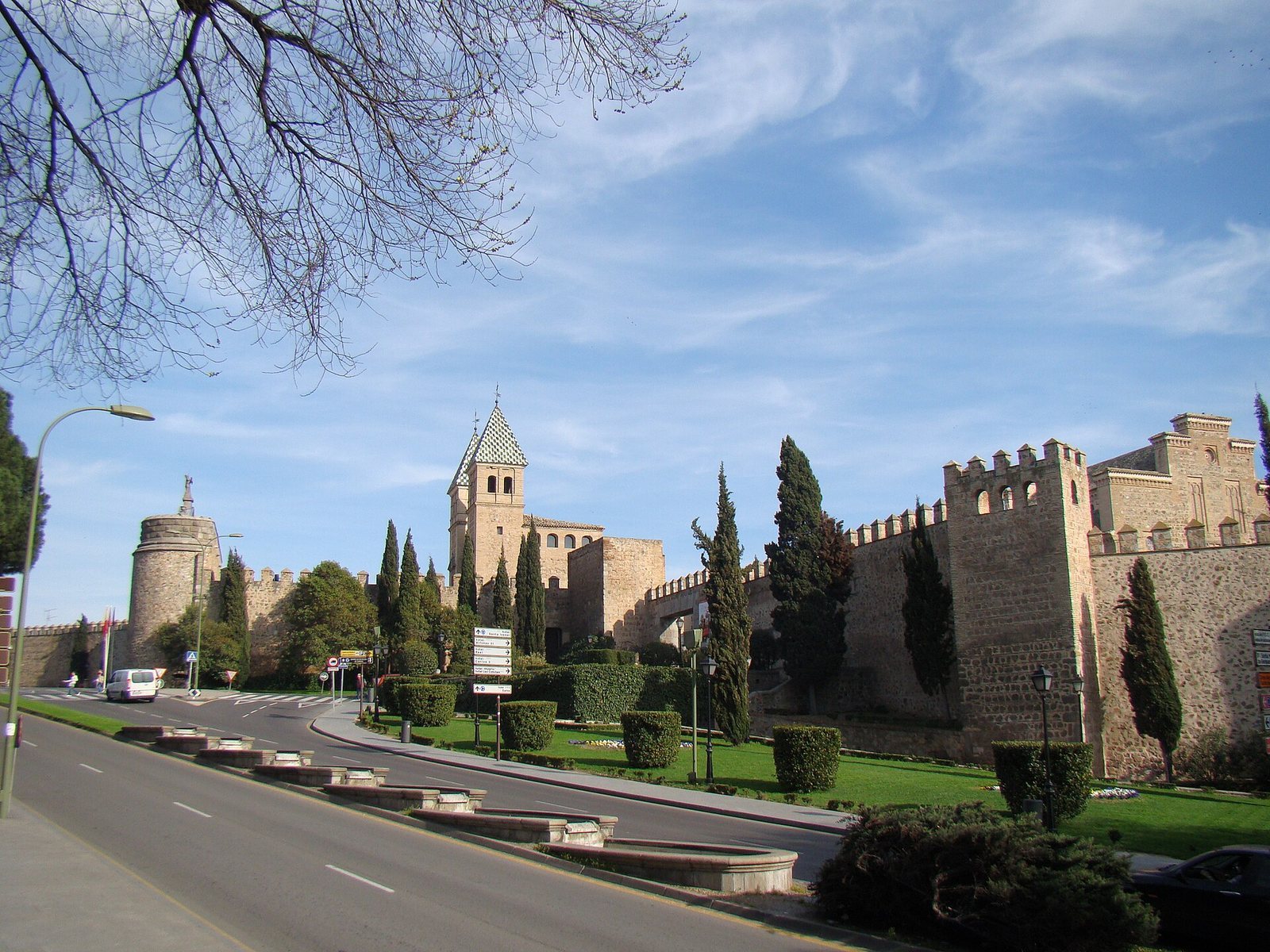
The gate has two separate bodies joined by two high walls with alternating raised sections and gaps, enclosing a main courtyard. A smaller courtyard adjoins it. The complex combines Renaissance architecture with features that belong to the earlier medieval structure.
Outer entrance
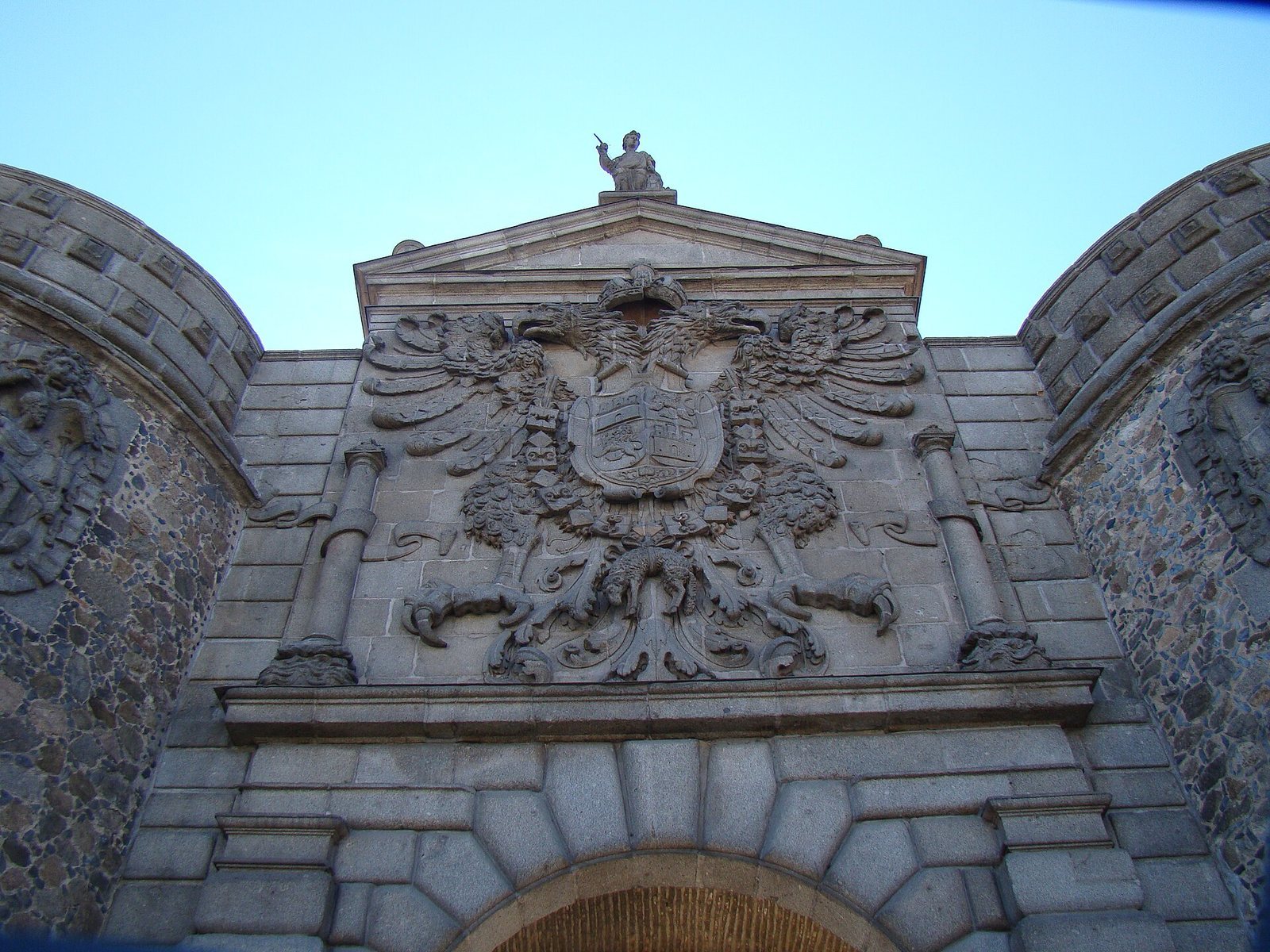
The outer face has a semicircular arch built from evenly cut stone blocks with rough, raised faces. Above it is a large coat of arms of Toledo, traditionally called the Imperial City, bearing a double-headed eagle. A triangular feature above the entrance, called a pediment, carries a sculpture of the city’s guardian angel holding a raised sword. Two large circular towers flank the arch, each bearing an image of a seated king.
City-facing entrance and courtyards
The inner, city-facing body has another semicircular arch between two square towers. Their pyramidal roofs are topped with ceramic ornaments called finials. The western tower is solid and belongs to the medieval structure; the other square tower bears Charles V’s coat of arms. A statue of the emperor stands in the courtyard between the two gate bodies. In the adjoining Patio del Encuentro, or Meeting Courtyard, the earlier bent entrance is visible.
Earlier entrance
The earlier entrance has substantial foundations and a passage that turns rather than running straight through the wall. Some of its original openings were covered. Large, regularly cut blocks from the Islamic gate survive in the western tower, where the masonry alternates blocks laid with their short ends facing outward and blocks laid with their long sides facing outward.