Priory Church, Leominster: A Medieval Priory and Anglican Parish Church
Site at a Glance
- Rating
- 4.7
- Popularity
- Medium
- Country
- United Kingdom
- Primary era
- Medieval
- Eras represented
- Medieval, Modern
- Civilizations
- British, English
- Site type
- Religious
- Remains
- Church
On this page10 sections
History
Early Christian tradition and the medieval priory
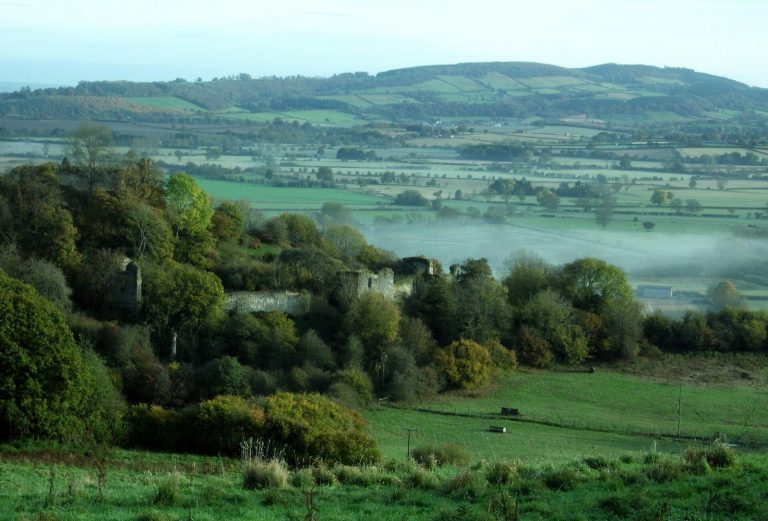
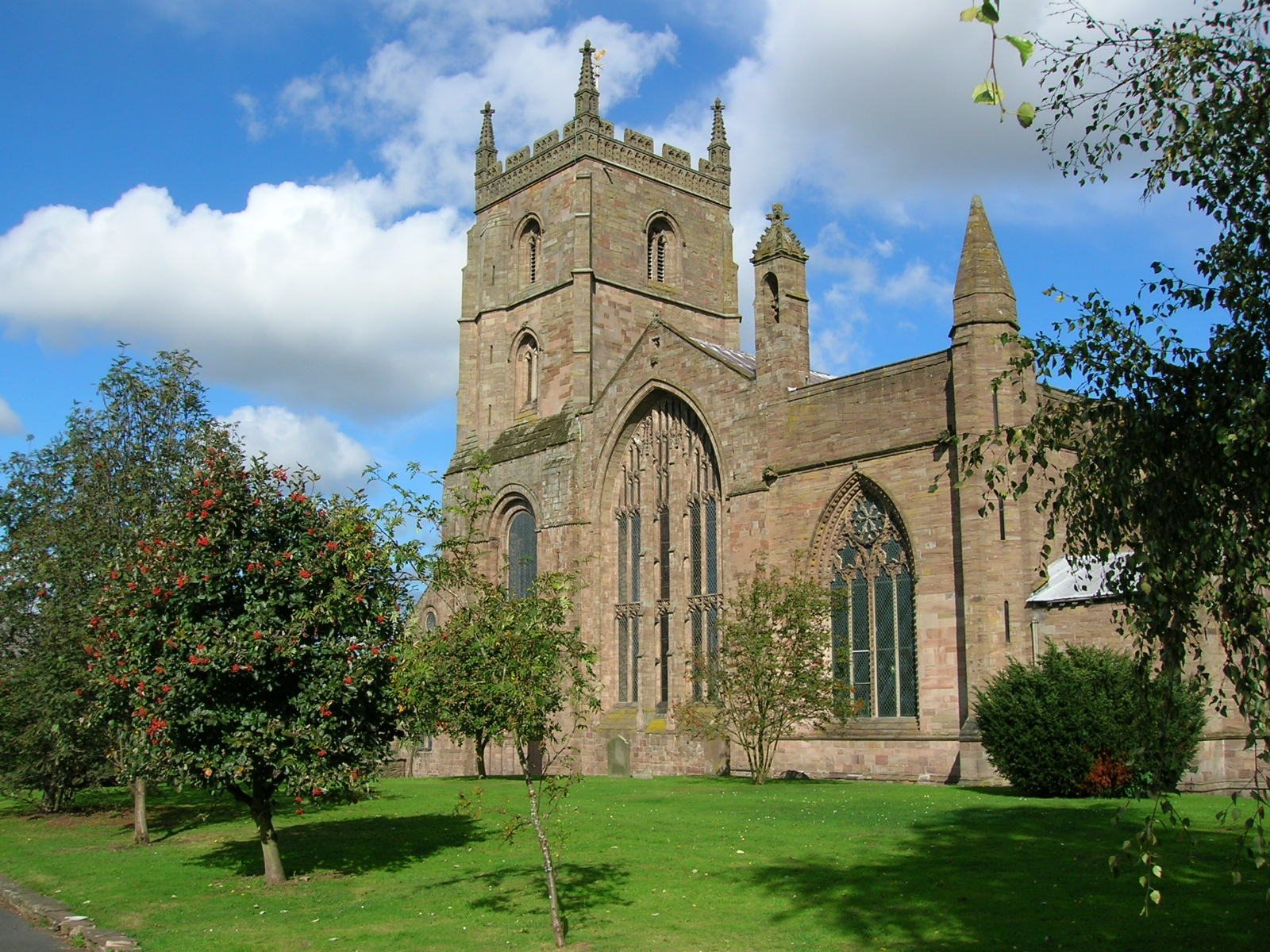
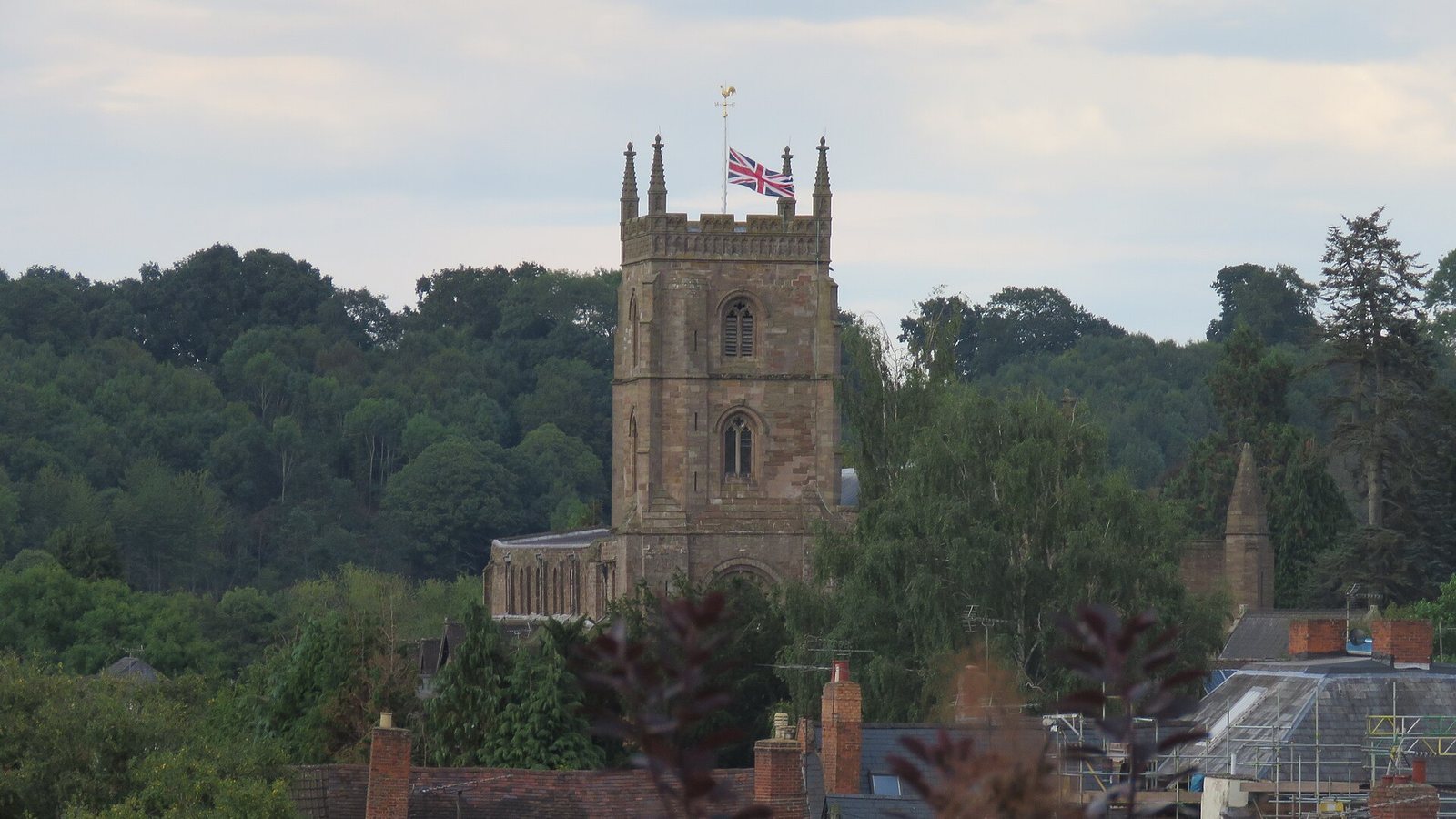
Priory Church, Leominster, is an Anglican parish church in the United Kingdom, dedicated to Saints Peter and Paul. Built around the thirteenth century for a Benedictine priory, a community of monks following the Rule of Saint Benedict, it was founded by Reading Abbey. Its history may reach further back: an Anglo-Saxon monastery may have occupied the same site.
A foundation tradition dates the beginning of a Christian community here to 660 and associates it with Saint Eadfrith, a monk said to have travelled from Lindisfarne, an important early medieval monastic centre in Northumbria. Late-twelfth-century charters confirming John Ford’s grant of land to the priory name his sisters Solicita and Matilda Ford as physicians. They are identified as the earliest known English women doctors.
The priory’s end and later changes
In 1539, the church’s eastern end and most of the monastic buildings were destroyed. The main body of the church survived, while much of the cloister’s stone was taken for reuse elsewhere. This destruction took place during the Dissolution, the Crown’s suppression of monasteries in England.
The church’s original eight bells were cast in 1755 by William Evans of Chepstow, in South Wales. Sir George Gilbert Scott inserted quatrefoil piers, with their four-lobed design, between 1872 and 1879. Two further bells were added in 1894, increasing the ring to ten.
The church remains part of the Church of England and the Diocese of Hereford. It is a Grade I listed building, the highest category of listed status in England, reserved for buildings of exceptional interest.
Remains
Church and bells
Church fabric
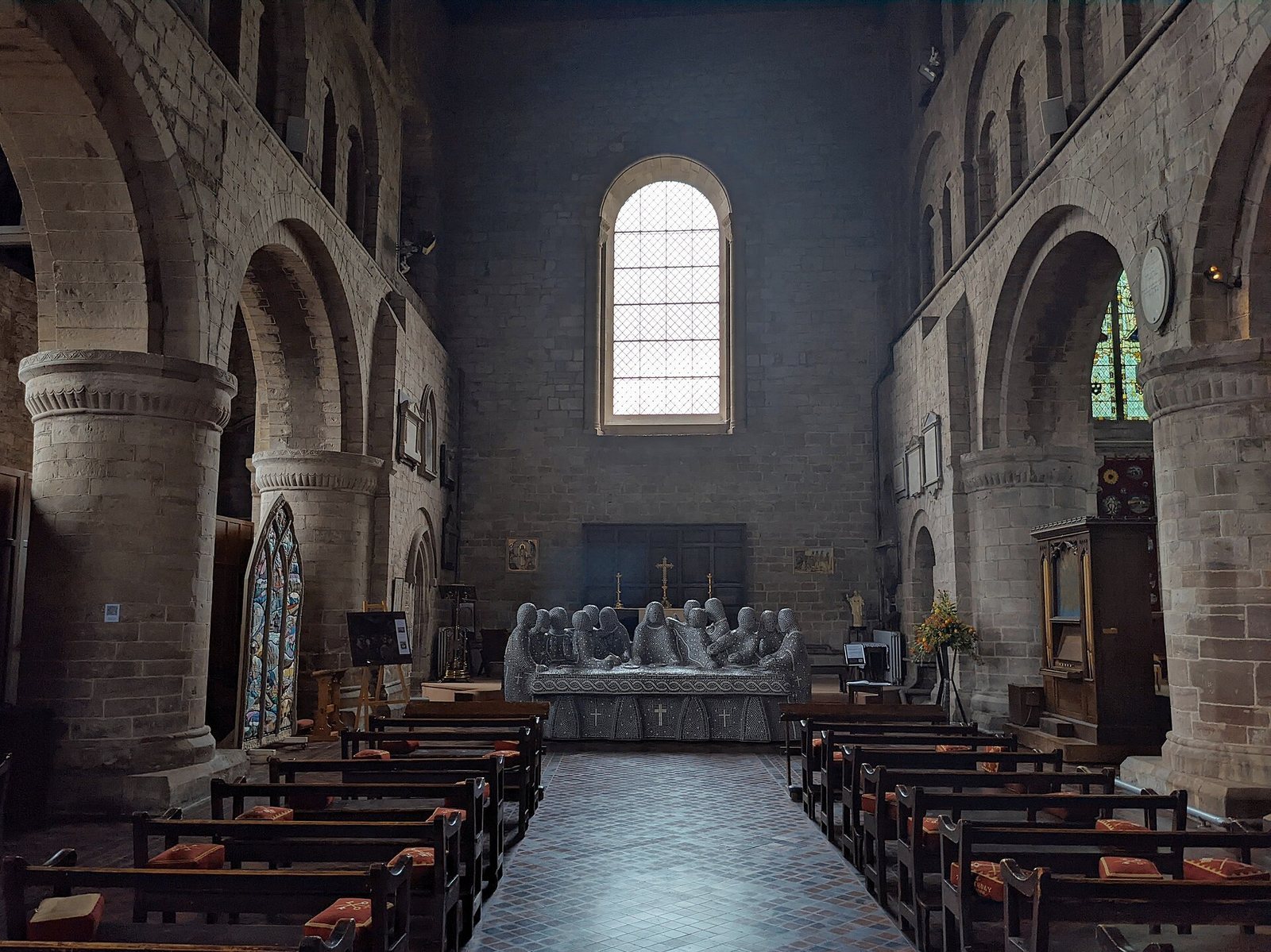
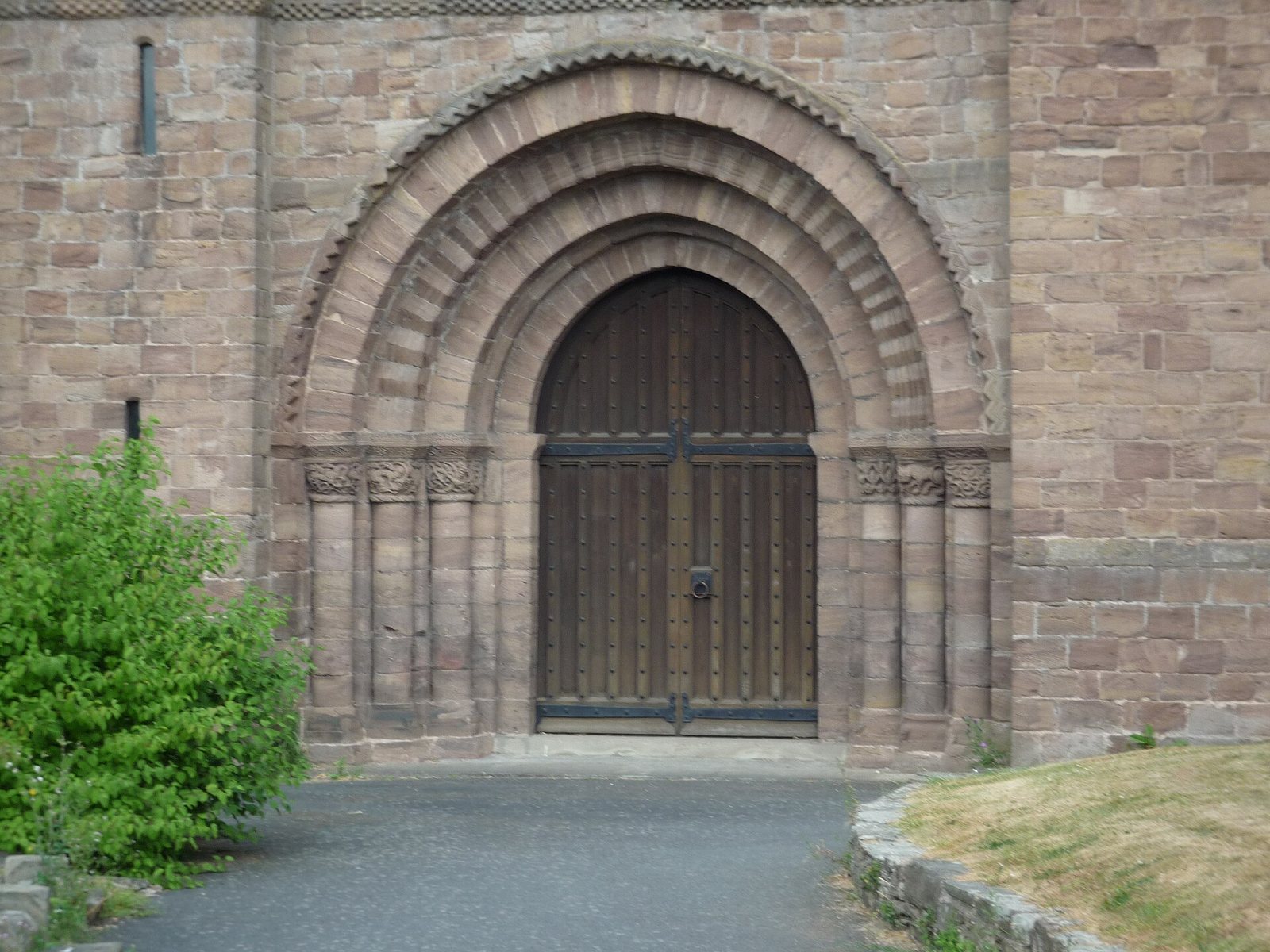
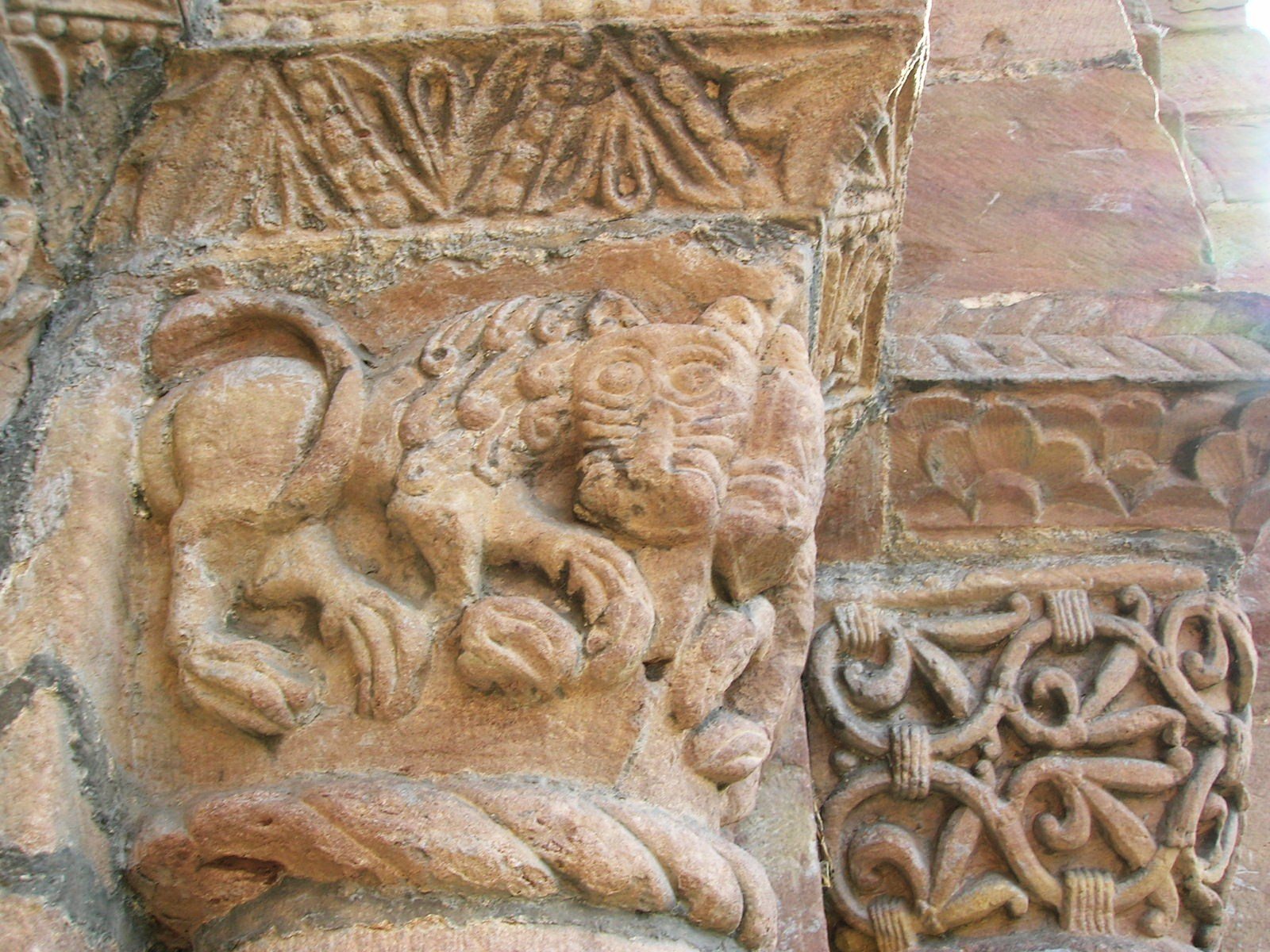
The church combines Norman architecture, the Romanesque style that developed in England after the Norman Conquest, with later architectural styles. Quatrefoil piers are among the features of its interior.
Bell ring
The church has a peal, or set of bells in a tower, comprising ten bells. The original eight were carried upstream by barge on the rivers Wye and Lugg. The two later additions are bells 1 and 2, made by John Warners of London. The largest bell, known as the tenor, weighs just over one metric tonne and sounds E-flat.
Archaeological and churchyard evidence
Cloister and animal bones
The priory’s cloister lay to the north of the church. Investigations in 2005 identified its position. Discarded animal bones found at the site were radiocarbon dated to the seventh century, indicating occupation during that period.
Churchyard graves and memorials
The churchyard contains graves and memorials connected with the theatrical Kemble family, including the grandparents of actress Sarah Siddons. It also holds the war grave of a Second World War soldier who served in the Royal Army Service Corps, a British Army organization responsible for logistical support.