Presidio Santa Cruz de Terrenate: A Spanish Frontier Military Settlement in Arizona
Site at a Glance
- Rating
- 4.7
- Popularity
- Very Low
- Country
- United States
- Primary era
- Early Modern
- Eras represented
- Early Modern
- Civilizations
- Spanish
- Site type
- Military
- Remains
- Fort
On this page10 sections
History
Presidio Santa Cruz de Terrenate is a Spanish frontier military settlement in Huachuca City, Arizona, United States, established in 1775 and built in 1776. It was created for King Charles III of Spain by Hugo O’Conor, an Irish-born colonel in the Spanish Army, as part of the northern frontier defenses of New Spain, the Spanish viceroyalty that included Mexico and large areas of what is now the southwestern United States.
Frontier reorganization and foundation
The presidio was the second location of an institution founded in 1741 at Terrenate in Sonora. Its relocation followed regulations issued in 1772 to establish a defensive line along New Spain’s northern frontier. The same reorganization affected the presidios of Tubac, Real de Tucsón, Fronteras, and Altar. Santa Cruz de Terrenate formed part of a chain of Spanish presidios extending from Los Adaes to Alta California.
The garrison consisted of soldados de cuera, Spanish frontier soldiers who wore protective leather armor. The presidio served both as a fortified military settlement and as a base for administering and defending the frontier.
Unfinished construction and abandonment
Construction did not reach the specifications planned for the presidio. The garrison faced a shortage of crops, raids on horse herds, surprise attacks on supply mule trains, and recurring Apache attacks. The Anglo-Spanish War, an eighteenth-century conflict between Spain and Great Britain, added further military pressure. These logistical and military difficulties, along with corruption, hindered completion of the settlement.
The garrison abandoned the site in 1780. The presidio was then transferred to the former location of the Santa María Suamca mission, at the place now called Santa Cruz in Sonora.
Later occupation and archaeological investigation
Following the 1854 Gadsden Purchase, through which the United States acquired territory from Mexico including land in present-day southern Arizona and New Mexico, the site became part of the United States. The United States Army occupied it briefly in 1878 and abandoned it later that year.
Charles DiPeso excavated the site in 1951, and additional archaeological work took place from 2007 through 2010. These investigations identified the presidio as having been built over an earlier Sobaipuri settlement. The settlement was called Santa Cruz, a name that helped give the presidio its name and ultimately contributed to the name of the Santa Cruz River. The site lies within the San Pedro Riparian National Conservation Area.
Remains
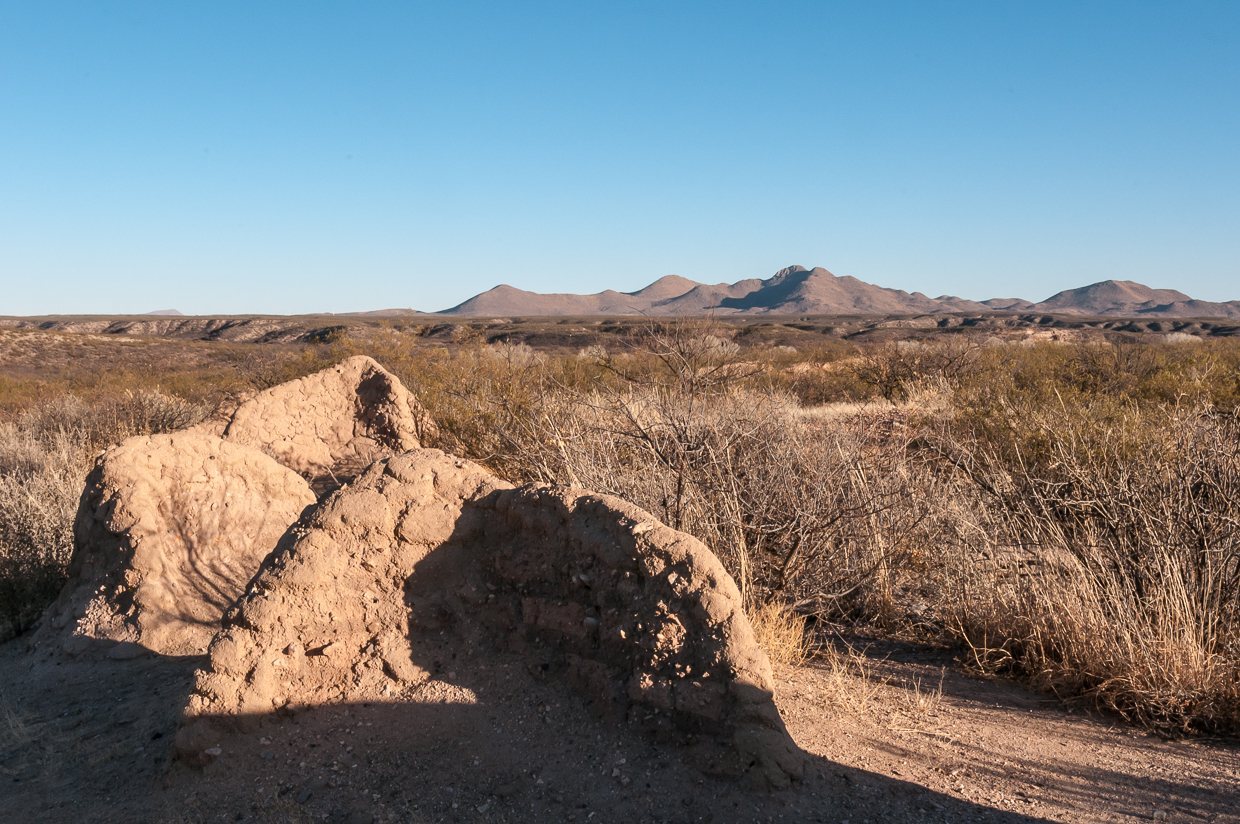
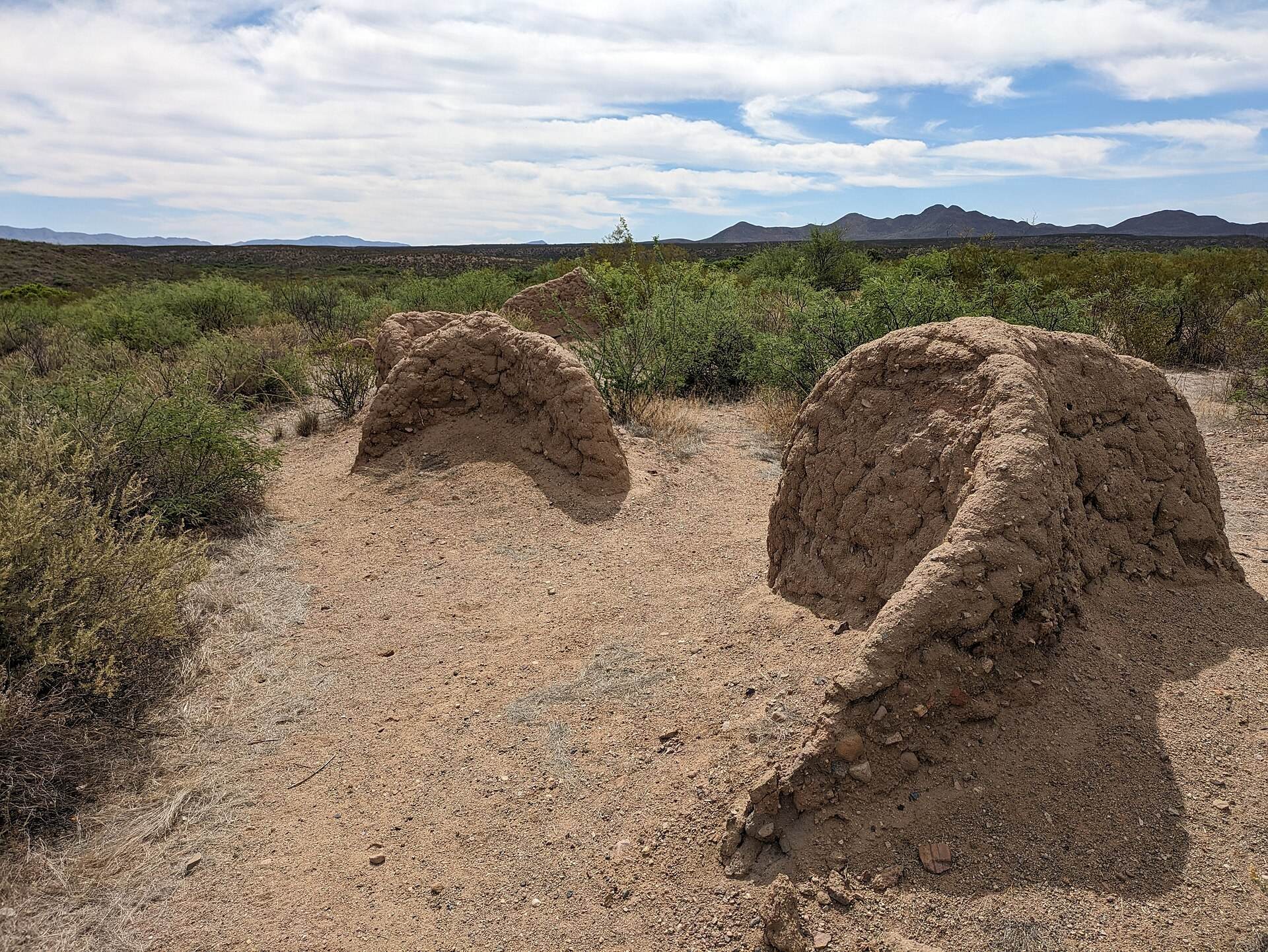
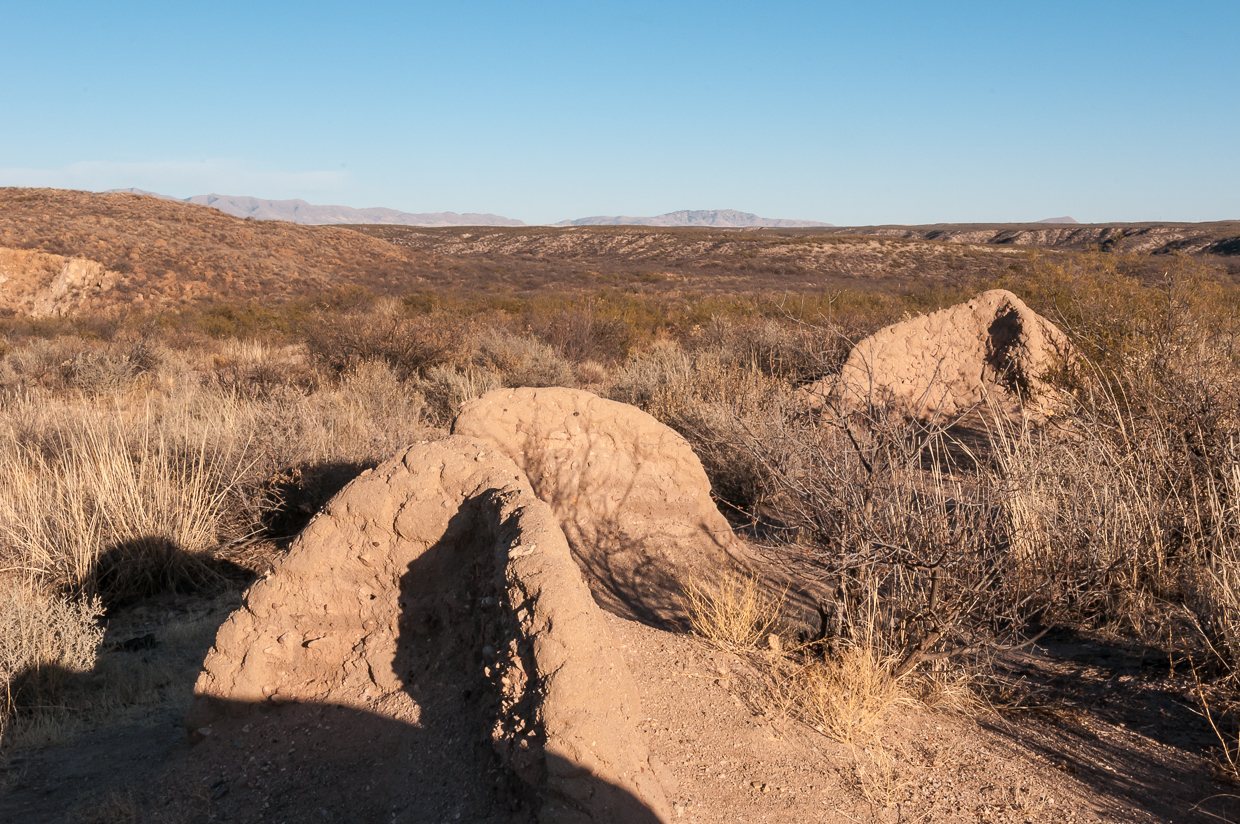
The site occupies a bluff or hill overlooking the San Pedro River. Its surviving physical evidence consists chiefly of adobe walls and associated installations, including structures interpreted as living quarters for soldiers and their families. The Spanish fortification was built over an earlier Sobaipuri settlement, while still older Hohokam and Archaic materials occur within and around the remains.
Presidio structures
Adobe quarters
Adobe structures at the site are interpreted as quarters for the presidio’s soldiers and their families. The walls formed part of the Spanish military settlement constructed in 1776. Their archaeological remains preserve the material evidence of domestic life within the garrison, alongside other adobe walls and auxiliary installations belonging to the presidio.
Earlier occupations
Sobaipuri settlement
The presidio stands over a pre-existing Sobaipuri settlement. The Sobaipuri were an Indigenous people of the upper San Pedro River region and other parts of the northern Sonoran frontier. An earlier interpretation identified the settlement as Quiburi, but later archaeological and historical analysis rejected that identification. The settlement’s name was Santa Cruz.
Hohokam and Archaic evidence
Surface pottery fragments and pottery eroding from the adobe walls indicate an earlier Hohokam occupation. Hohokam refers to prehistoric settled communities of the American Southwest associated with distinctive pottery. Archaic arrowheads and tools, representing an earlier tradition broadly associated with hunter-gatherer societies, occur on the surface, within the adobe walls, and in house fills. These materials have eroded from the walls of the central fortification.