Palazzo Salis: An Eighteenth-Century Palace in Switzerland
Site at a Glance
- Popularity
- Very Low
- Country
- Switzerland
- Primary era
- Early Modern
- Eras represented
- Early Modern
- Civilizations
- Unclassified
- Site type
- Domestic
- Remains
- Elite Residence
On this page10 sections
History
Construction and family
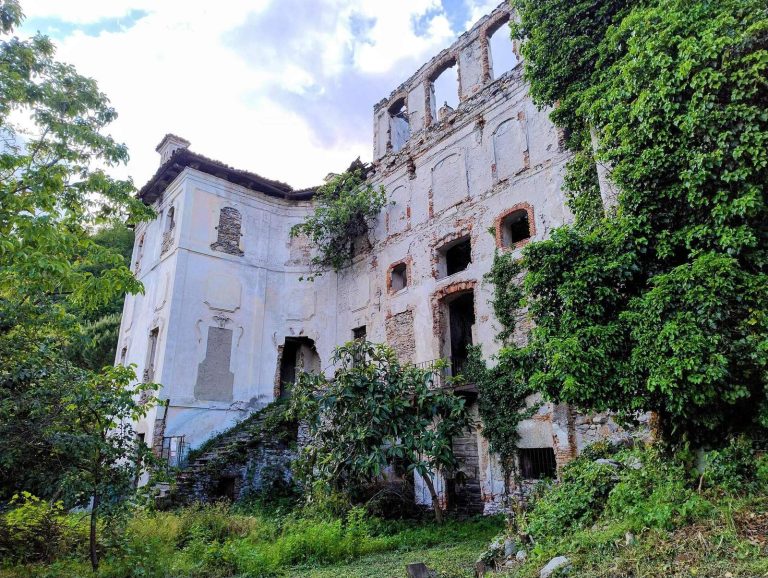
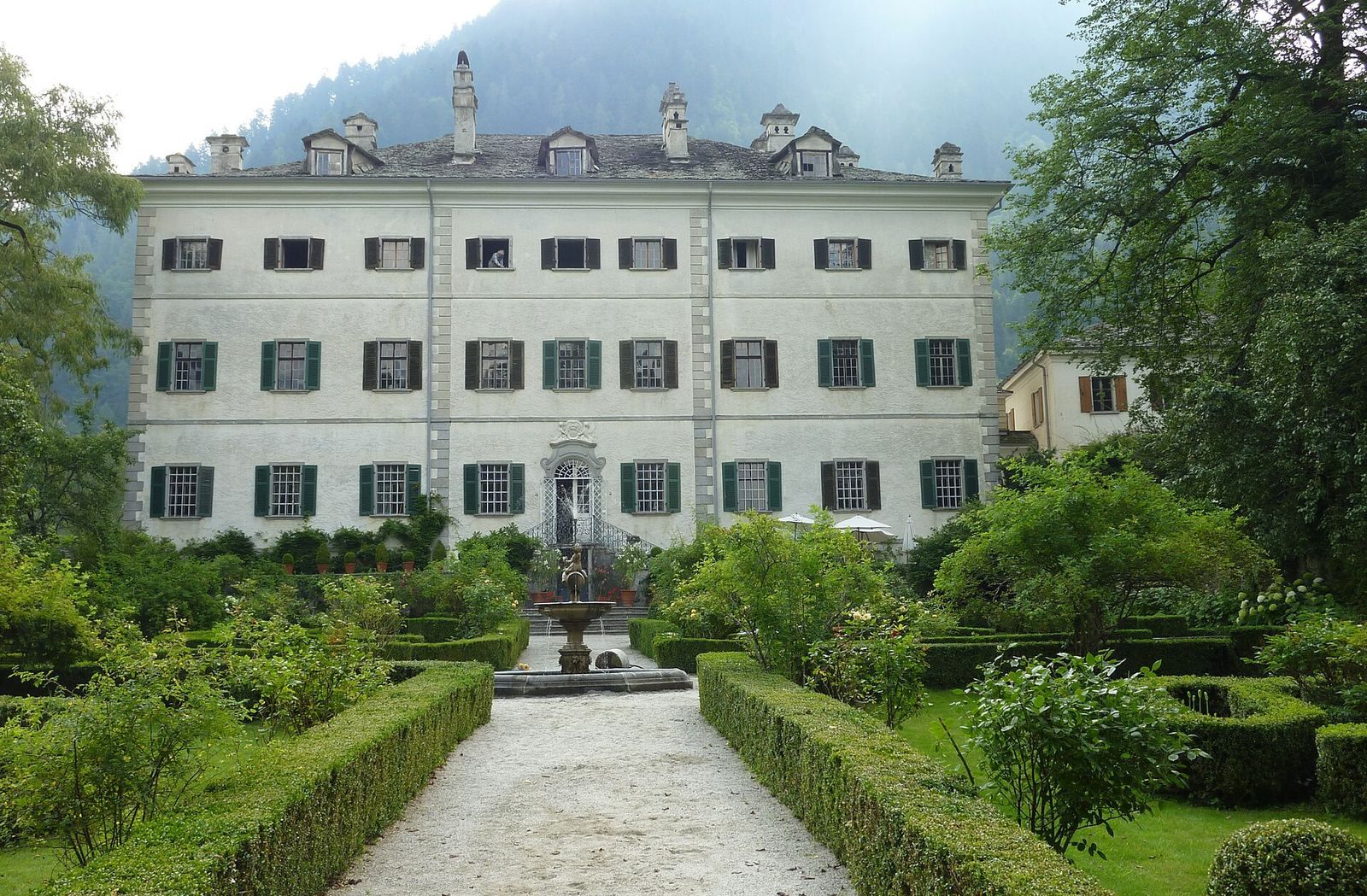
Palazzo Salis is an eighteenth-century palace in Bondo, a hamlet of Bregaglia, Switzerland, built from 1766 to 1776 by Milanese architect Francesco Croce. Hieronymus von Salis (1709–1794), a Swiss-born diplomat who served Britain and was also known there as Jerome de Salis-Soglio, commissioned the building.
The English branch of the Salis family began with Hieronymus, and his descendants continue to inhabit the palace.
Restoration and recognition
The garden was restored from 1991 to 1998, followed by restoration of the building from 1997 to 1998. Palazzo Salis is classified as a Swiss cultural property of national importance. In 2008, the garden received the Prix Schulthess des jardins, a Swiss award for gardens and garden design.
Remains
The palace and its garden form a single architectural unit, combining a large residence with an eighteenth-century garden laid out in the classical Italian taste. The building has a basement, two principal floors, and a mezzanine, an intermediate floor. Formal reception rooms occupy the center, with living rooms along the sides and small studies at the corners.
Palace
Plan and exterior
The palace has a hipped roof, which slopes down on all sides, with three dormers, roof openings that project outward, facing the garden. Granite frames surround the doorways, which are topped by pediments bearing the Salis coat of arms. Their spiral-shaped ornaments are called volutes. The building also contains a particularly complex stairwell.
Rooms and decoration
One of the corner studies follows a Japanese style and has painted chinoiserie, a European decorative fashion inspired by Chinese motifs and forms. Stucco work by Domenico Spinelli of Como and decoration in the Louis XVI style, a late-eighteenth-century French mode associated with Neoclassical design, adorn the interiors.
Stoves
Several stoves remain in the palace. One, a domed example made by stove maker Johan Jakob Kuhn, dates to the late eighteenth century.
Paintings
The paintings include a portrait of the English noblewoman Lady Rachel Fane, attributed to Flemish Baroque painter Anthony van Dyck, and heads of young girls by eighteenth-century French painter Jean-Baptiste Greuze. A depiction of Catherine of Siena, a fourteenth-century Italian religious mystic later recognized as a Catholic saint, may be by Lombard Renaissance painter Bernardino Luini. The collection also includes a self-portrait by Swiss-born Neoclassical artist Angelika Kauffmann.
Garden
The eighteenth-century garden lies west of the palace. Its geometric plan includes a central jet fountain and a symmetrical external staircase.