Palazzo Cappa Cappelli: A Nineteenth-Century Palace in L’Aquila
Site at a Glance
- Country
- Italy
- Primary era
- Modern
- Eras represented
- Modern
- Civilizations
- Unclassified
- Site type
- Domestic
- Remains
- Elite Residence
On this page4 sections
History
Rebuilding and nineteenth-century ownership
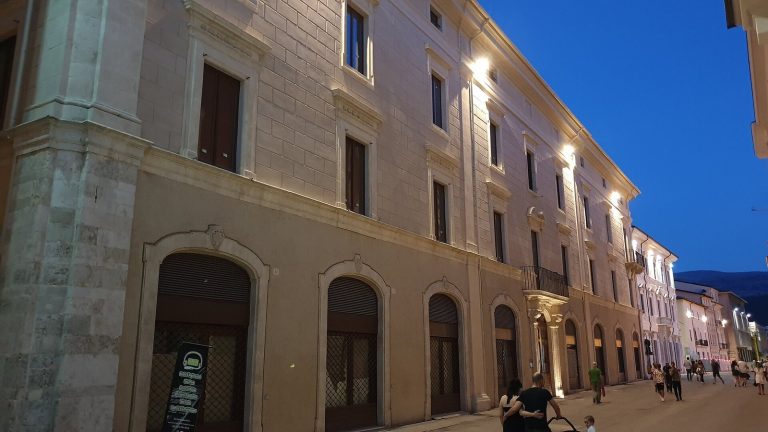
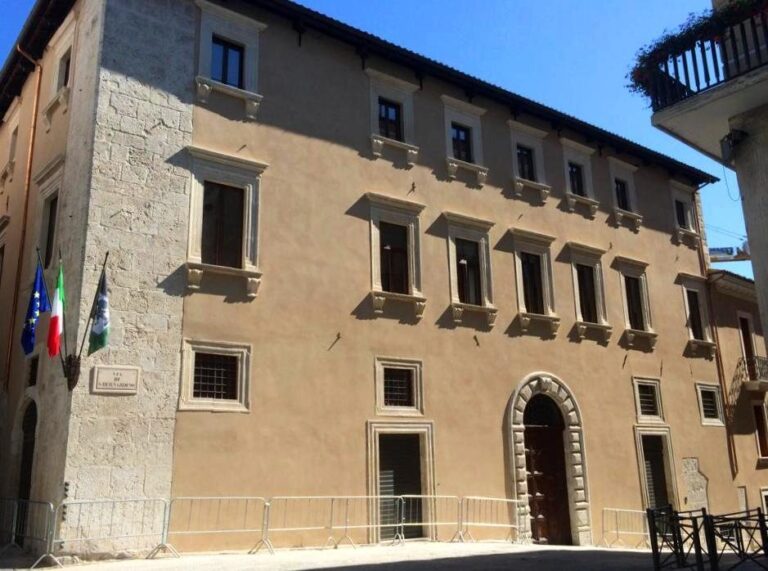
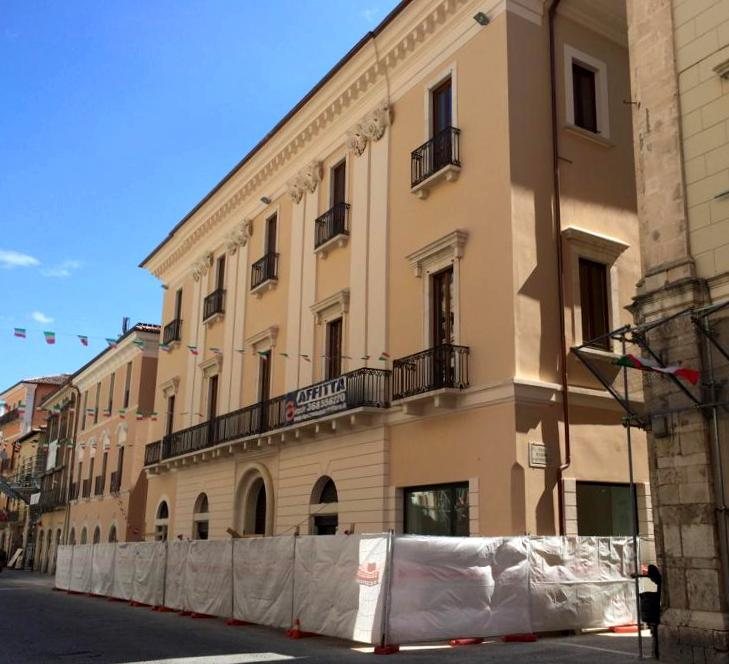
Palazzo Cappa Cappelli is a nineteenth-century palace in central L’Aquila, Italy, near Piazza del Duomo, commissioned by the Cappelli family during the city’s rebuilding after the 1703 earthquake. Its construction formed part of civil building projects that reshaped Corso Vittorio Emanuele. The palace replaced Palazzo Ciampella, which had stood between properties of the historic Pica family uphill and those of the Rustici family downhill.
In the first half of the nineteenth century, the palace belonged to the Antonini marquises. It later passed to Marquis Francesco Cappelli, whose name remains attached to the building. By inheritance, it subsequently went to the related Cappa family, identified as its owner.
Earthquake damage and restoration
The 2009 earthquake damaged the palace. Restoration work began in 2013 and was completed in 2015. The building is protected by the Soprintendenza, Italy’s authority for safeguarding cultural property.
Remains
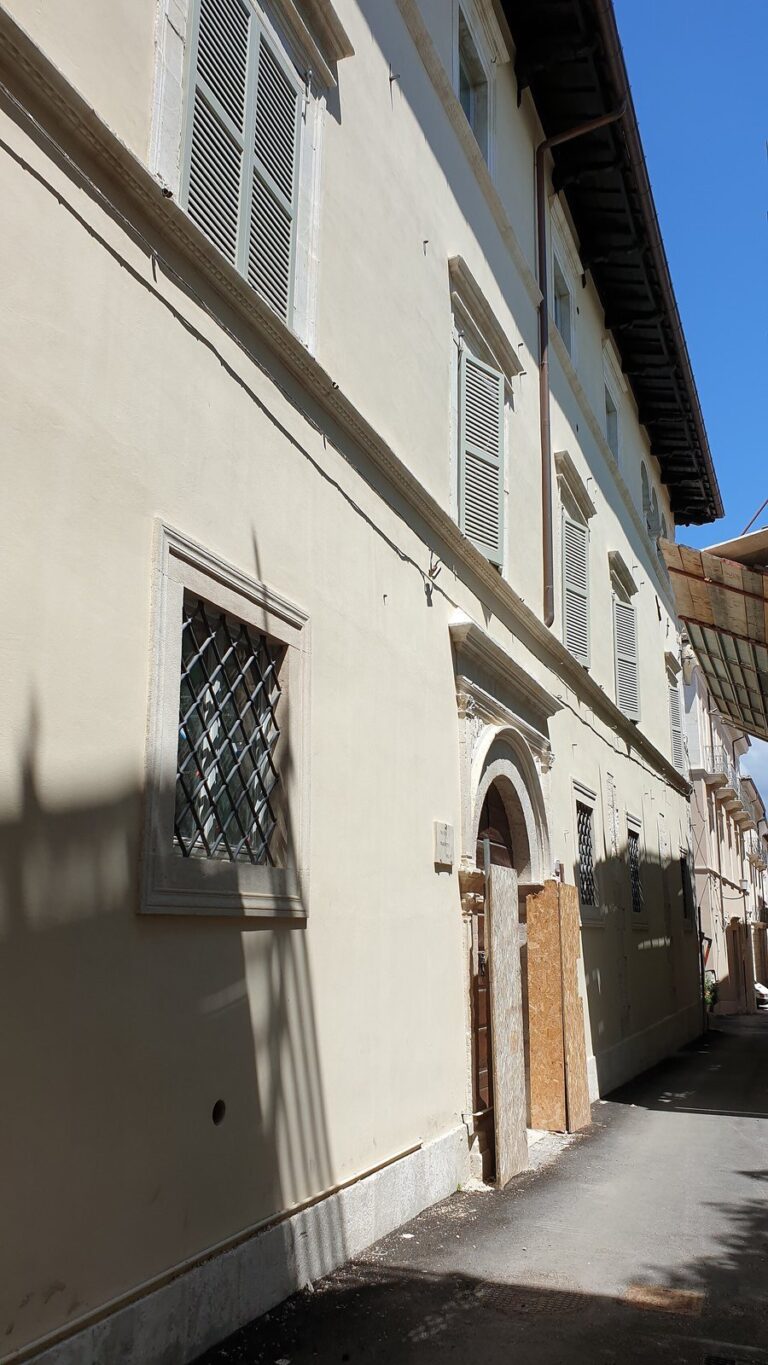
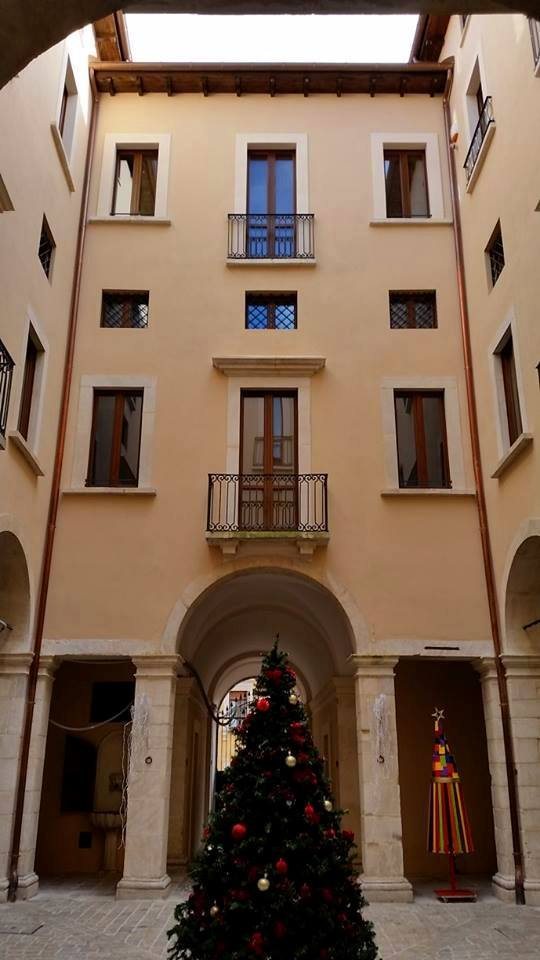
The palace combines Neo-Renaissance influences, a style that revives forms associated with Renaissance architecture, with a layout oriented toward two public spaces. Its main façade faces Corso Vittorio Emanuele, while the rear opens onto Largo Silvestro dall’Aquila, popularly known as Piazzetta del Sole. The space behind the building was once a private courtyard. After its expropriation, the balconies facing the square were enclosed with glazing, changing the rear elevation. The palace remains in use.