Palacio de los Águila: A Renaissance Palace in Ciudad Rodrigo
Site at a Glance
- Rating
- 4.4
- Popularity
- Medium
- Country
- Spain
- Primary era
- Early Modern
- Eras represented
- Early Modern
- Civilizations
- Crown of Castile, Habsburg, Habsburg Spain, Spanish
- Site type
- Domestic
- Remains
- Elite Residence
On this page8 sections
History
Construction and patronage
The Palacio de los Águila is a Renaissance palace in Ciudad Rodrigo, Spain, built across the sixteenth and seventeenth centuries. It is the largest palace in the city. Don Antonio del Águila, Ciudad Rodrigo’s senior standard-bearer and castle governor, promoted its construction. The architect Hernando de Güemes began the work, which continued over an extended period under several master builders.
Restoration and later use
In 1969, the palace was declared a historic-artistic monument and designated an Asset of Cultural Interest, Spain’s formal category for protected cultural heritage. Restoration in 2000 was followed by its use as the Hispano-Portuguese Center and as a venue for temporary exhibitions.
Remains
Palace architecture
Layout
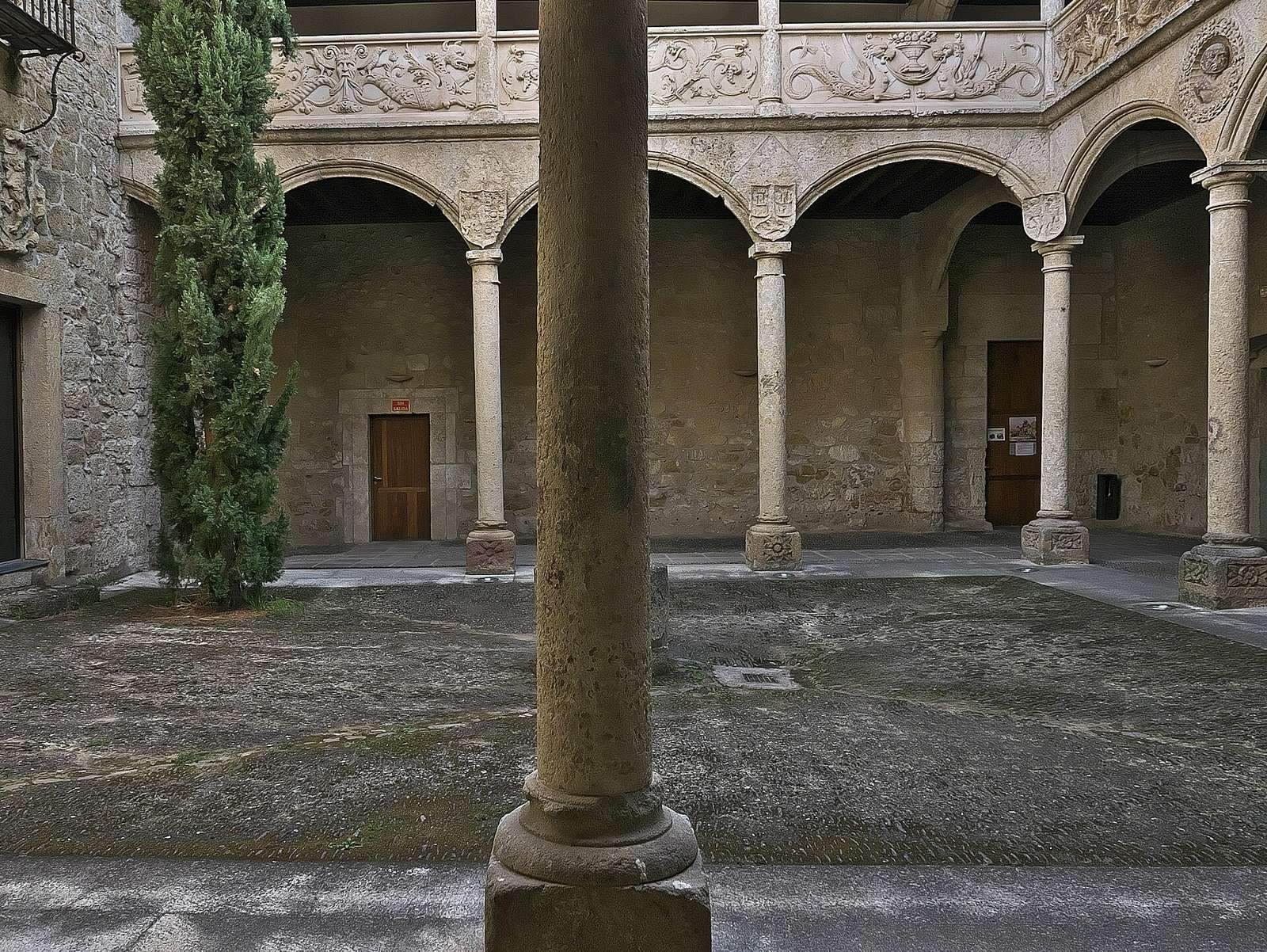
The Renaissance-style palace occupies a city block and stands without adjoining buildings. Its grounds include a garden, two interior courtyards, and a private chapel.
Entrance portal
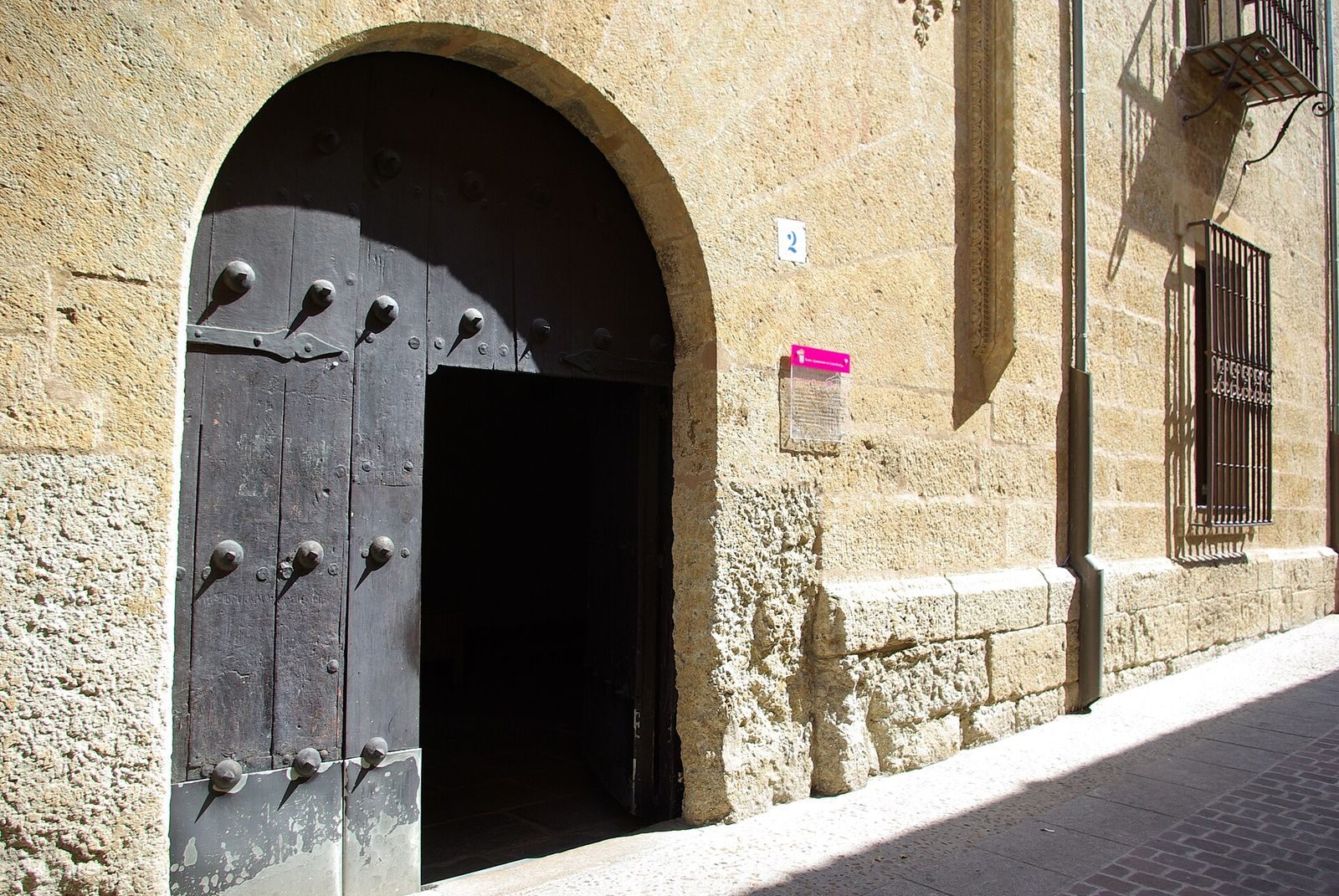
The entrance portal uses voussoirs, the wedge-shaped stones that form an arch. A rectangular frame, known as an alfiz, surrounds the arch.
Courtyard arcade
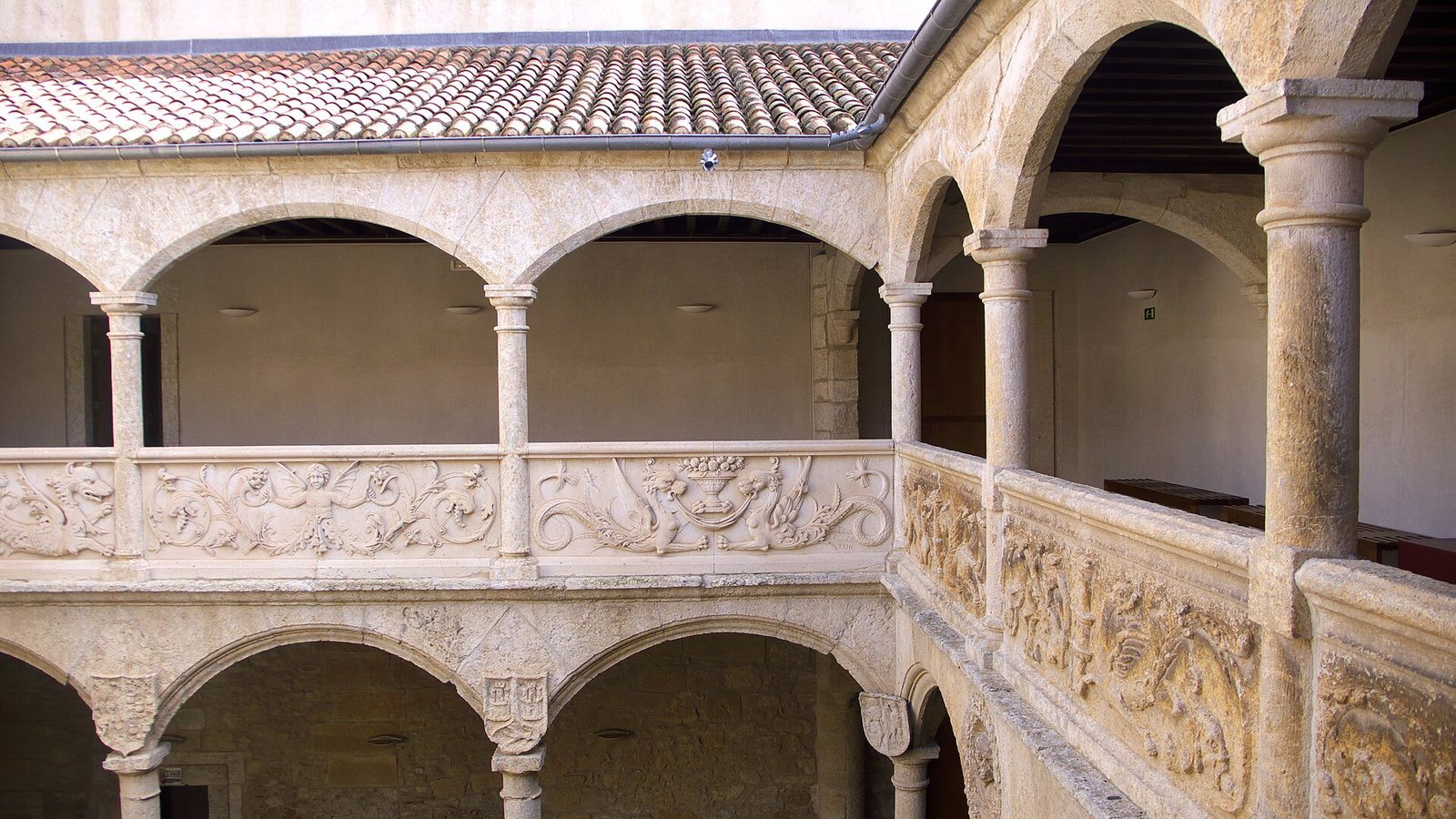
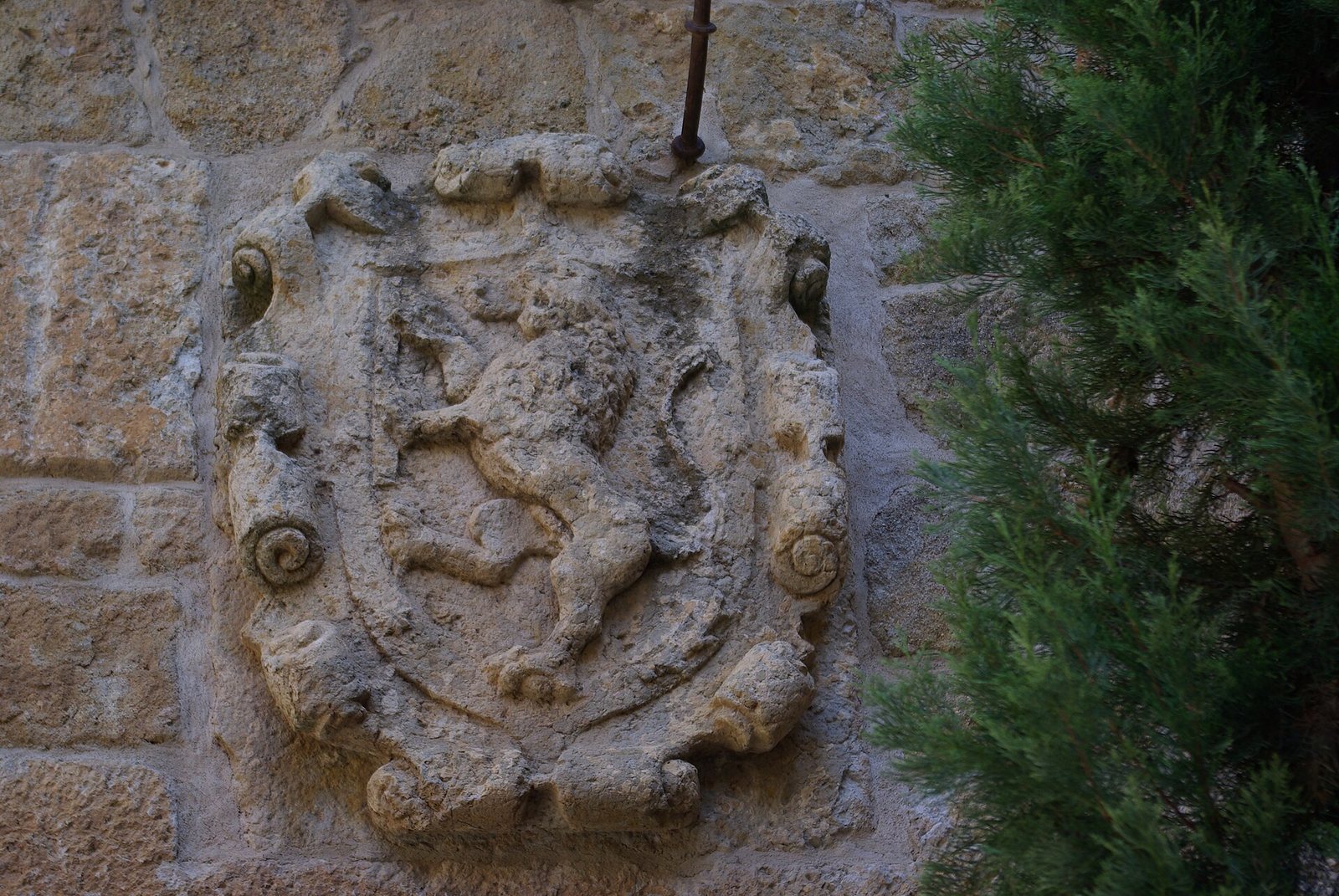
One courtyard has a richly ornamented Plateresque double arcade running along three sides. Medallions and coats of arms decorate the triangular spaces between the arches and their frames, while the parapets of the upper gallery are carved.