Ottagono Abbandonato: A Venetian Lagoon Fort
Site at a Glance
- Popularity
- Medium
- Country
- Italy
- Primary era
- Early Modern
- Eras represented
- Early Modern
- Civilizations
- Venetian
- Site type
- Military
- Remains
- Fort
On this page7 sections
History
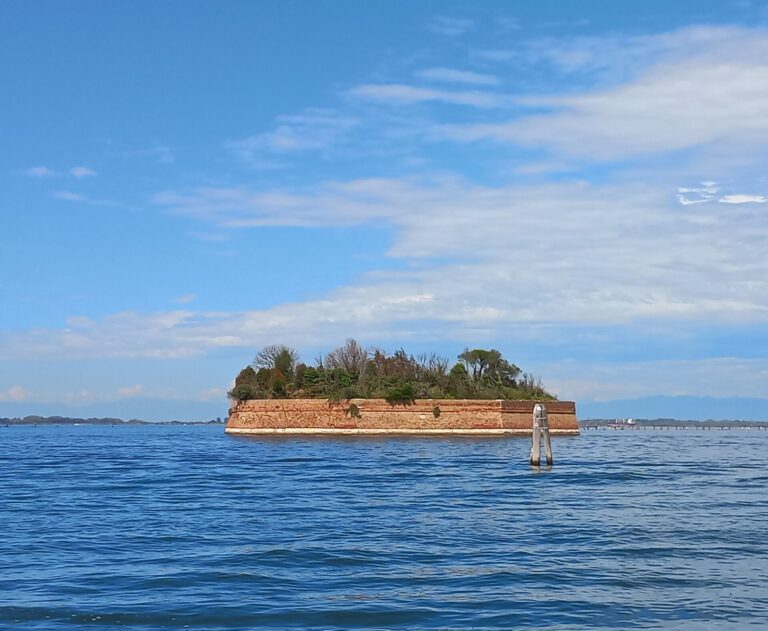
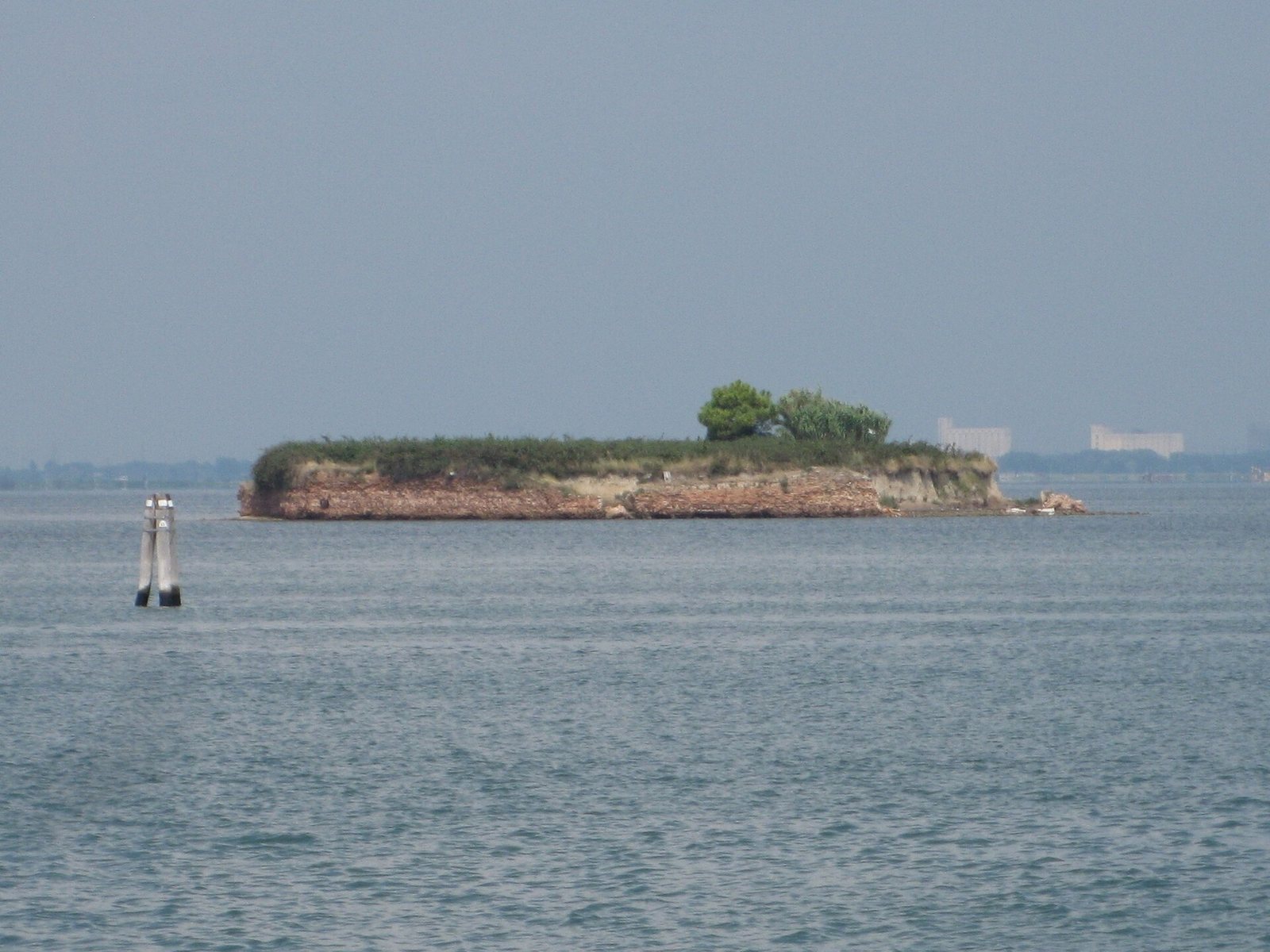
Ottagono Abbandonato is an octagonal fort on an island in the central Venetian Lagoon, Italy, built by the Republic of Venice in the Venetian Renaissance style to defend the lagoon entrance at Malamocco. It guarded that entrance from the sixteenth through the twentieth century.
Possible Roman harbor
Excavations and core sampling by Italy’s National Research Council uncovered Roman-period remains near the island. Since the ancient shoreline is thought to have extended into this area, a harbor mentioned by the ancient Greek geographer Strabo has been proposed beside the fort. The suggested location is near the final course of the Medoacus, an ancient river name associated with the modern Brenta, but the harbor’s identification remains hypothetical.
Venetian lagoon defenses
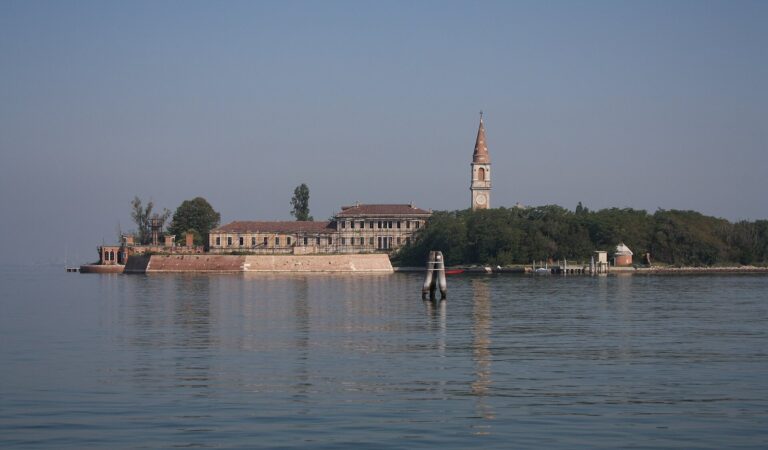
Ottagono Abbandonato, originally called Ottagono Campana, was one of four octagonal forts built to protect the lagoon from Ottoman attack. As Venice’s wars with the Ottoman Empire intensified around 1571, the Ottoman fleet fought a coalition led by Spain and Venice at the Battle of Lepanto, a major naval engagement. The Venetian Senate resolved to secure the lagoon entrances. Along with Ottagono Alberoni and Ottagono Poveglia, this fort was intended to stop enemy ships that had passed the defenses at Malamocco.
Later military use and decline
During the War of Candia, Venice’s 1646–1669 conflict with the Ottoman Empire over Crete, the island’s defenses were strengthened. The forts were later neglected, and modernization work resumed in 1726. Military users over the fort’s long service included the Republic of Venice, the Habsburg-ruled Archduchy of Austria, the Austrian-ruled Kingdom of Lombardy-Venetia, the Kingdom of Italy, and the Italian Republic. By 1870, the island was known as Ottagono Abbandonato, meaning Abandoned Octagon, and its decline had begun.
Remains
Island and fortification
The island lies between Poveglia and Alberoni and covers about 0.3 hectares. Erosion has reduced it to roughly half its former extent. The octagonal fort was built of stone, brick, and earth. A raised base about 1.5 metres high, made with material taken from the adjacent canal and partly from Roman remains, supported a fortification about 3 metres high. Cannons were installed on the island. The structure is now in poor condition and continues to decay.
Roman-period finds
Roman-period pottery, including amphorae, has been found near the island.