Östanå Castle: A Swedish Noble Estate and Historic Residence
Site at a Glance
- Popularity
- High
- Country
- Sweden
- Primary era
- Early Modern
- Eras represented
- Early Modern
- Civilizations
- Swedish
- Site type
- Domestic
- Remains
- Elite Residence
On this page6 sections
History
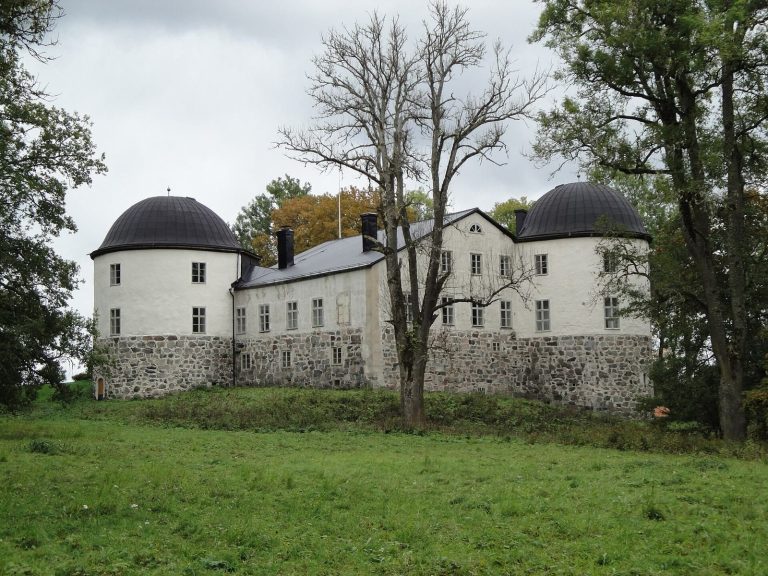
Östanå Castle is a Swedish castle and estate in Österåker Municipality, Stockholm County, about 50 kilometres northeast of Stockholm.
Noble ownership and the Vira ironworks
Swedish noble families held the castle from the 14th through the 17th centuries. Anders Isaksson Banér owned it in 1433. Its hereditary owners included members of the Banér, Bååt, Fleming, and Wrede families. Peder Erlandsson Bååt was also an owner, and the Bååt family’s tenure extended from the 15th century to 1654. Fabian Wrede owned the castle in 1687.
The Vira ironworks was established on the estate in 1629. It supplied weapons to the Swedish state and Crown during the Thirty Years’ War, a major European conflict fought from 1618 to 1648, and continued supplying them into the 18th century.
Destruction, rebuilding, and later use
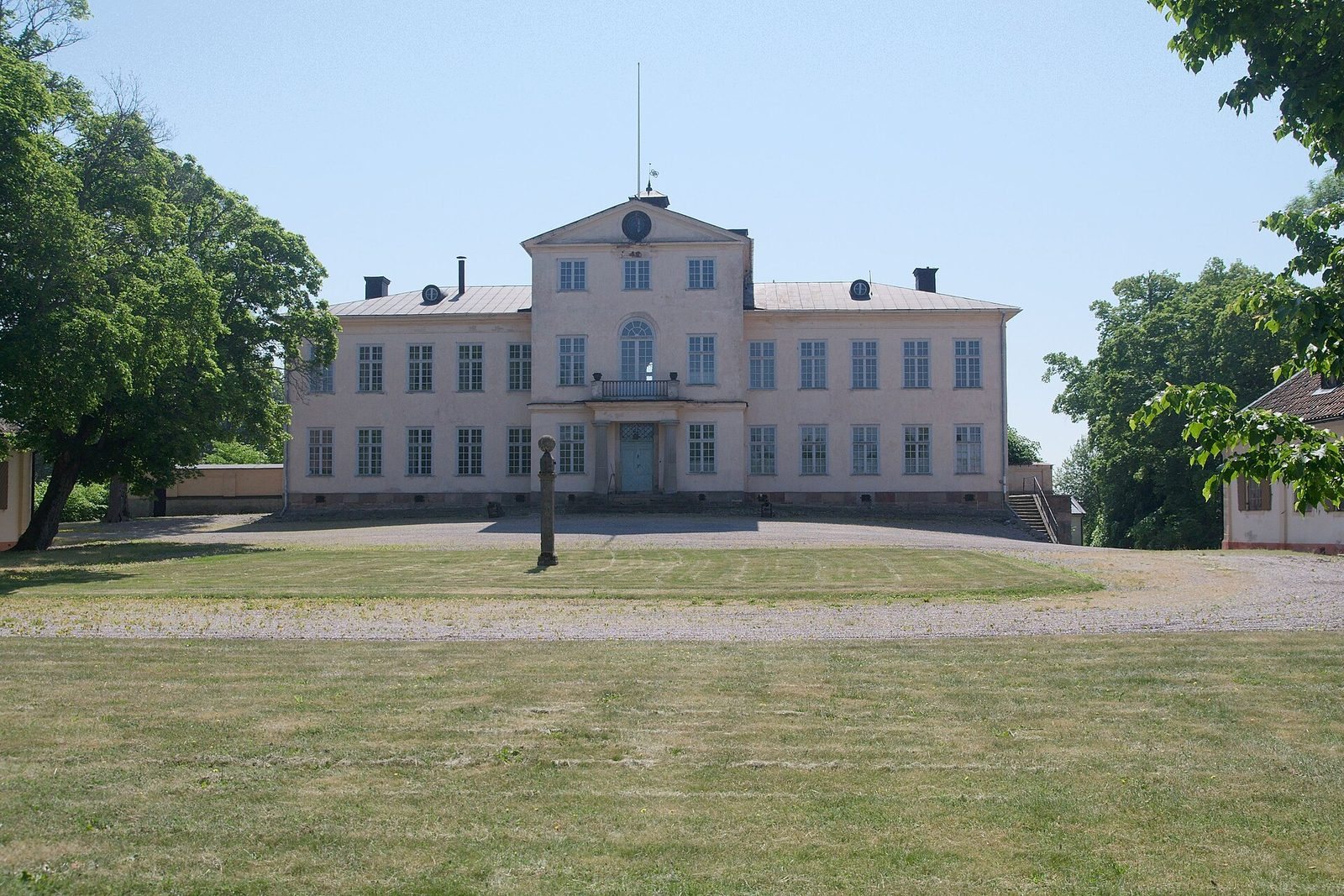
Russian forces destroyed the original wooden building in 1719 during attacks along Sweden’s coast. The present main building was constructed from 1791 to 1794 for Simon Bernhard Hebbe, a Swedish merchant and landowner.
In the late 19th century, the castle was home to Erik Gustaf Boström, then prime minister of Sweden.
Remains
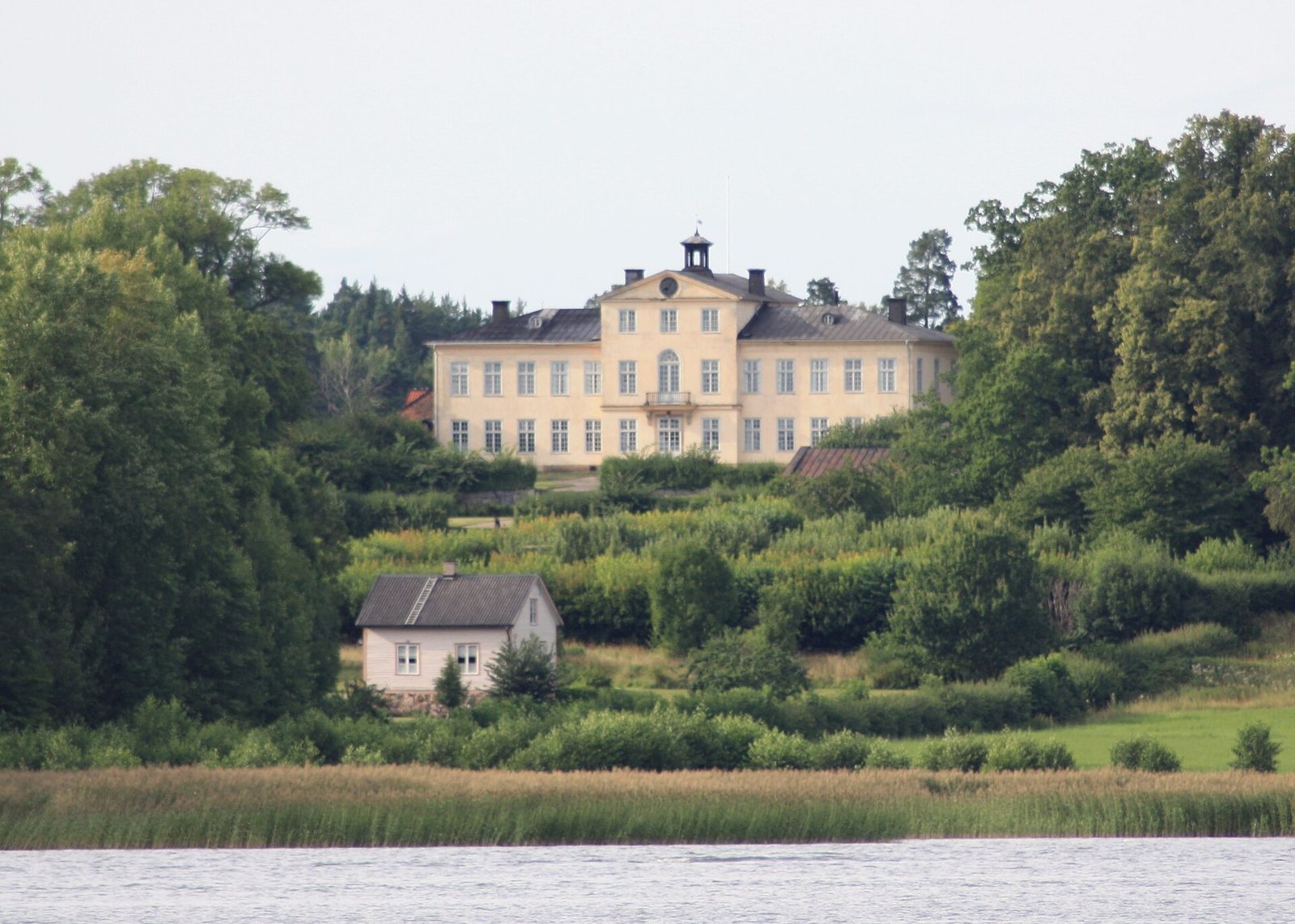
The castle occupies terraces descending toward the sea and overlooks the main shipping channel into Stockholm through the archipelago.
Main building
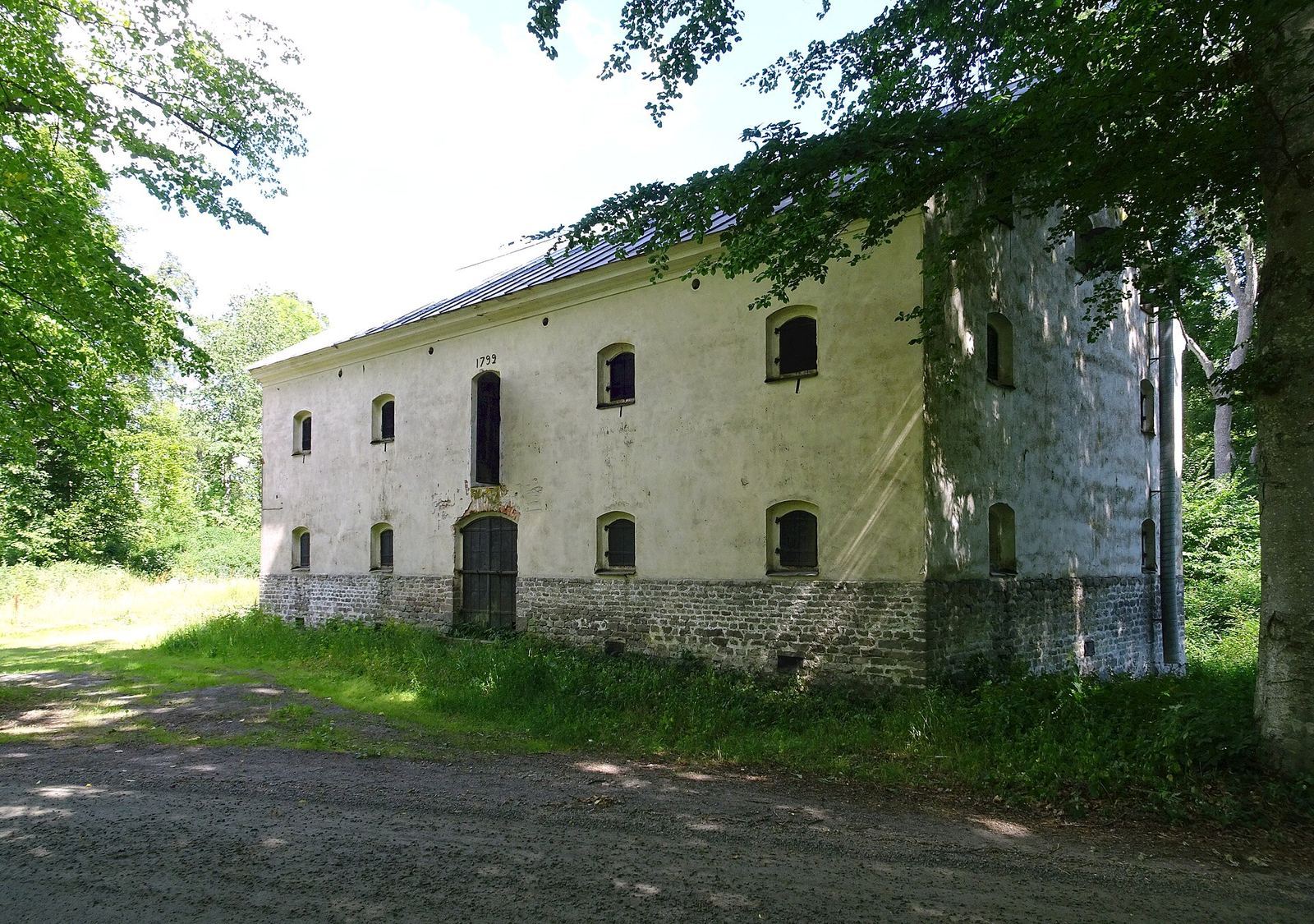
The main building has a rectangular plan and two storeys, with its central section rising to three. In 2016, the castle was in poor repair.
Gardens and waterfront
A formal Baroque garden surrounds the castle, and the grounds also contain a heavily overgrown park. The Östanå ferry port lies immediately west of the estate and serves Ljusterö.