Ohr ha-Chaim Synagogue: A Place of Worship and Study in Jerusalem
Site at a Glance
- Popularity
- Medium
- Country
- Israel
- Primary era
- Unclassified
- Eras represented
- Unclassified
- Civilizations
- Unclassified
- Site type
- Religious
- Remains
- Synagogue
On this page8 sections
History
Foundation and study
The Ohr ha-Chaim Synagogue is a place of Jewish worship and study in Jerusalem, Israel. Rabbi Chaim ibn Attar, a Moroccan-born rabbi and Kabbalist, meaning a scholar of Jewish mysticism, founded it in 1742. With support from Jews in Livorno, he established a yeshiva, a Jewish institution for religious study, in the building. The synagogue’s name honors its founder and comes from his commentary, Ohr ha-Chaim, on the Pentateuch, the first five books of the Hebrew Bible.
At its height, the yeshiva had about 60 students and educated members of the Sephardic scholarly elite. Students studied during the day, prayed and offered supplications at night, and visited the graves of revered religious figures. Prominent Jerusalem residents also sought their advice. A Hasidic tradition, from a Jewish religious movement that emerged in Eastern Europe in the eighteenth century, recounts that Rabbi Pinchas of Koretz said he would spend the day at the synagogue and the night at Rachel’s Tomb if he came to Jerusalem.
Changing communities and wartime closure
After Ibn Attar died, his uncle, Rabbi Moses ben Attar, took charge of the site. Moses died about a year later, and Ottoman authorities confiscated the synagogue because of his debts. The premises then stood empty for years. In the early nineteenth century, Rabbi Menachem Mendel of Shklov, a pupil of the influential Lithuanian scholar known as the Gaon of Vilna, bought the property, which passed to the Ashkenazi community. The synagogue had previously served Sephardic Jews.
Members of the Perushim, an Ashkenazi community associated with the tradition of Menachem Mendel of Shklov and the Gaon of Vilna, initially prayed and studied there only on weekdays because they lacked permission to hold Sabbath and holiday services. Synagogue activity and the Kabbalistic yeshiva later resumed. In time, the synagogue served the Ashkenazi community under Rabbi Shlomo Rosenthal. In the years before the Jewish Quarter fell in 1948, Rabbi Mordechai Weingarten was responsible for it.
Before and during the 1948 Arab-Israeli War, the conflict surrounding Israel’s establishment, the Haganah, a Jewish defense organization in pre-state Palestine, used the building as a defensive position. The synagogue closed in 1948 when the Arab Legion, Transjordan’s army, took the Jewish Quarter. It remained out of synagogue use during Jordanian rule.
Reopening and present use
After Israel captured the Old City in 1967, the synagogue was renovated and reopened for Ashkenazi worship. It follows Orthodox practice and uses a Kabbalistic form of Nusach Ashkenaz, the Ashkenazi Jewish prayer rite. A morning kollel, an institution for advanced Jewish study, associated with Karlin Hasidism, a branch of the Hasidic movement, operates there.
Remains
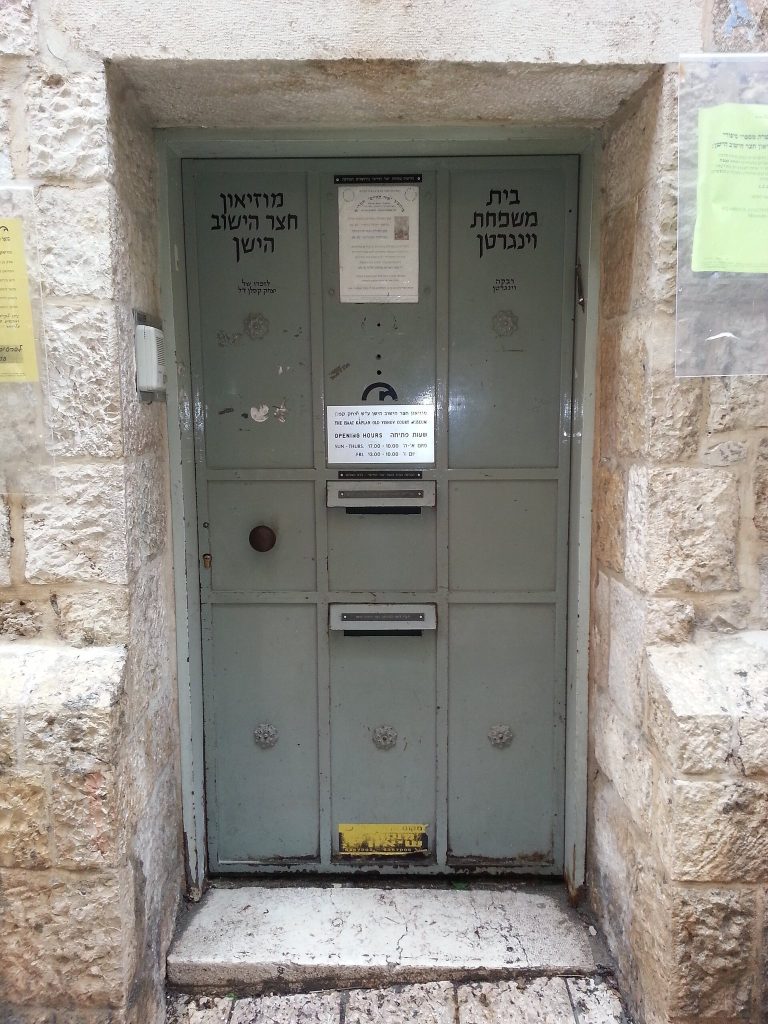
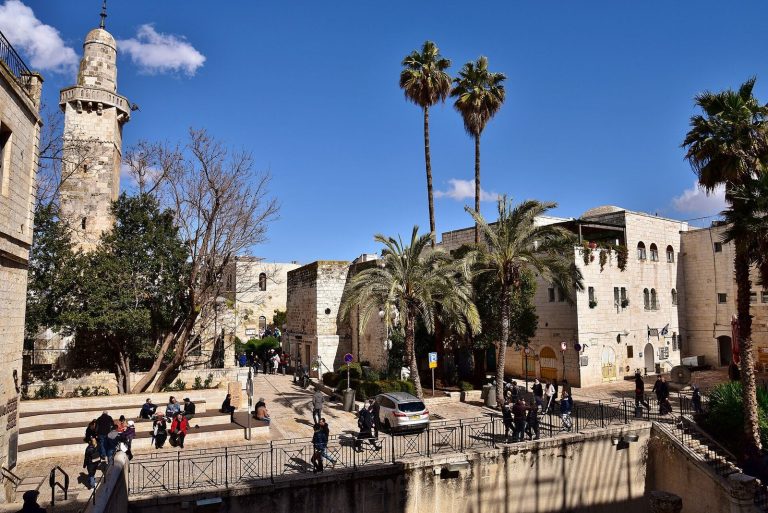
The synagogue occupies the upper, second floor of a building complex on Ohr ha-Chaim Street, also called Ezra Street, in the Jewish Quarter of Jerusalem’s Old City. The complex also contains the Ari Synagogue and the Old Yishuv Court Museum. The synagogue entrance is through the museum, but the synagogue is separate from it.
Interior arrangement
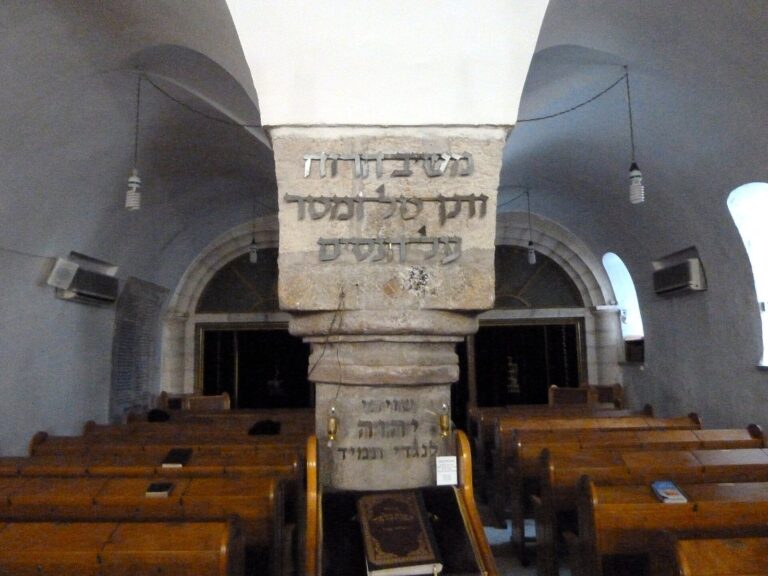
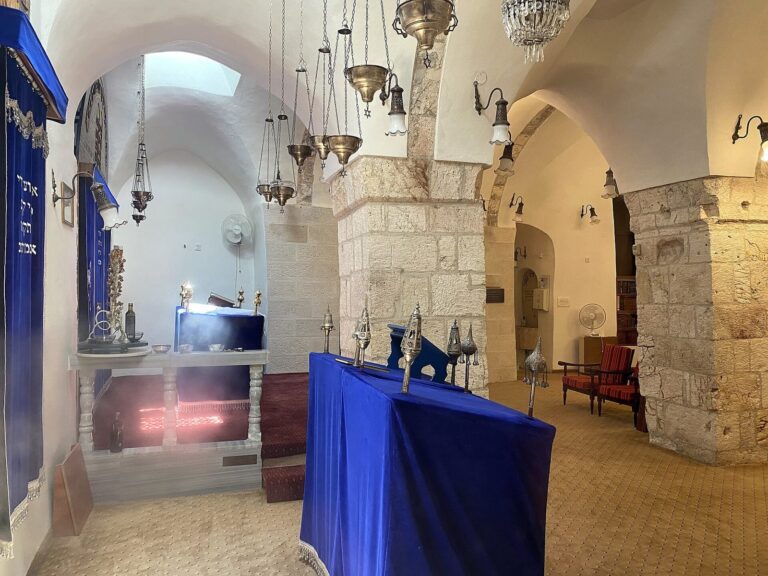
Men’s section
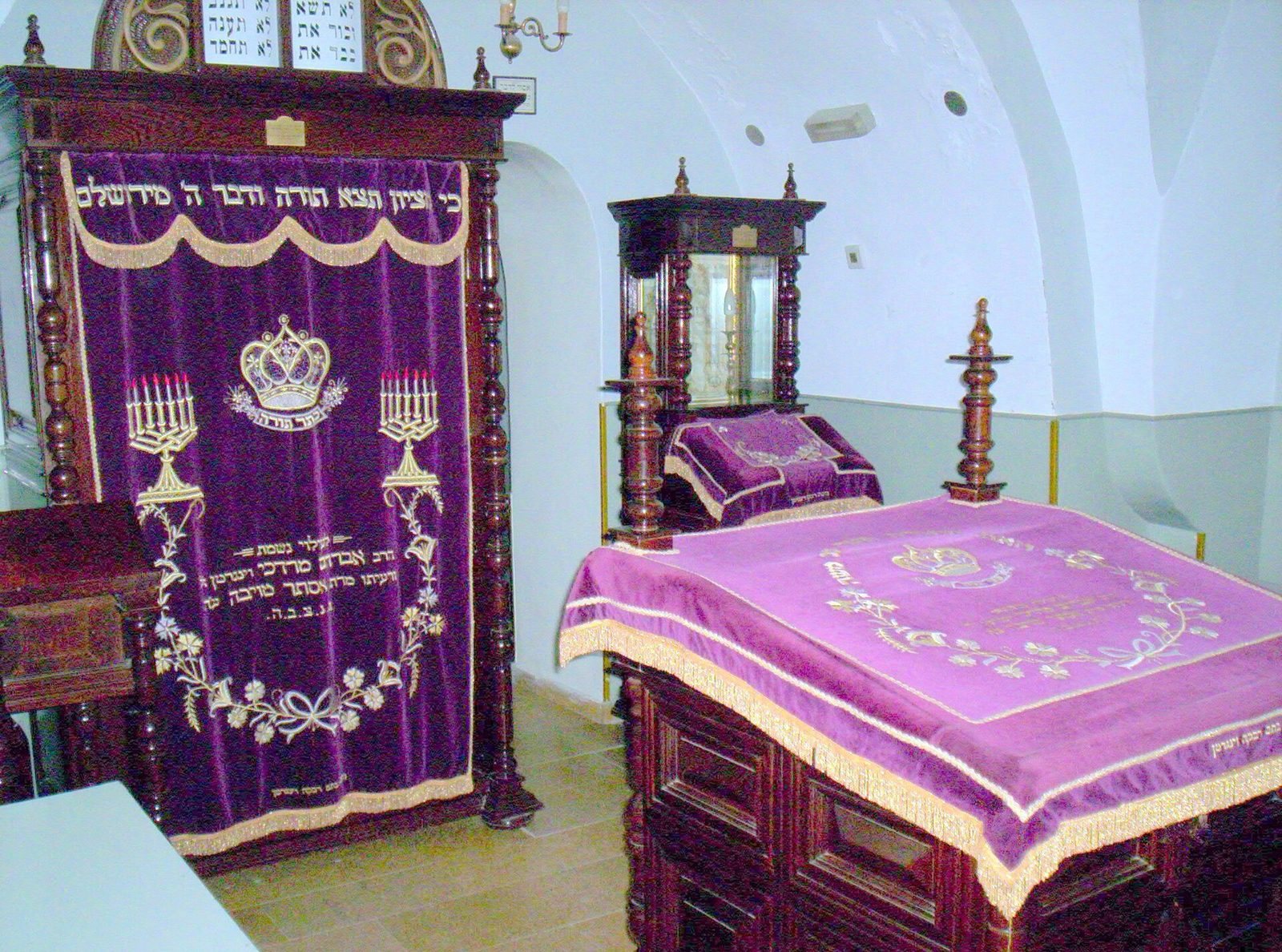
The Torah ark stands against the eastern wall of the men’s section. A room at the rear is associated with the tradition that Ibn Attar studied there with Eliyahu Ha-Navi, or Elijah, a prophet in the Hebrew Bible.
Women’s section and ritual pool
The women’s section occupies a separate room. Beneath it, near the stairs leading to the section, is a small mikveh, a pool used for Jewish ritual immersion. Its discovery confirmed a longstanding tradition that one existed there.