Odd Fellows Mansion: A Rococo Town Residence in Copenhagen
Site at a Glance
- Popularity
- High
- Country
- Denmark
- Primary era
- Early Modern
- Eras represented
- Early Modern, Modern
- Civilizations
- Danish, Denmark–Norway
- Site type
- Domestic
- Remains
- Elite Residence
On this page7 sections
History
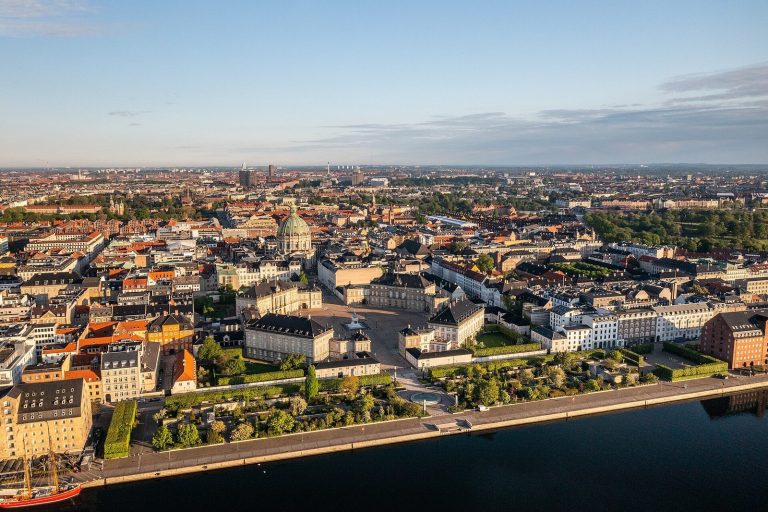
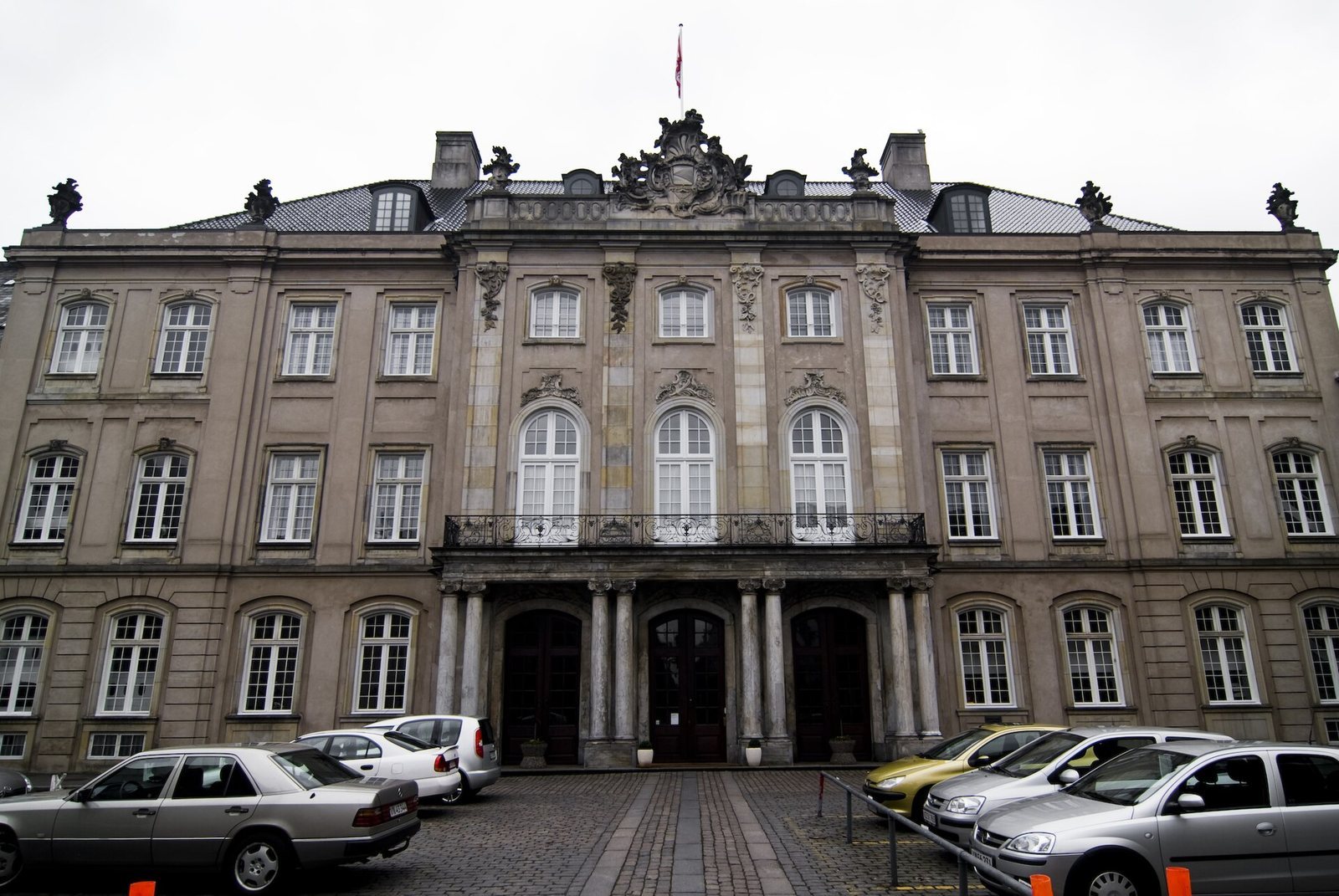
The Odd Fellows Mansion is a Rococo town residence on Bredgade in Copenhagen, Denmark, built from 1751 to 1755. Rococo is an ornate eighteenth-century architectural and decorative style. The mansion formed part of Frederiksstaden, a new district laid out under Frederick V, king of Denmark and Norway from 1746 to 1766, following French models.
Construction and early ownership
The site had previously belonged to the gardens of Sophie Amalienborg. Johann Gottfried Rosenberg designed the mansion under architect and urban planner Nicolai Eigtved, who also devised the district plan. Its patron, Christian August von Berckentin, was a wealthy merchant and politician who had recently become a count. After Berckentin’s death in 1758, the property passed to his daughter Louise and her husband, Christian Sigfred von Plessen. Louise, later known as Louise von Plessen, served as a lady-in-waiting at the royal court.
In the early 1760s, merchant Heinrich Carl von Schimmelmann bought the property for 40,000 Danish kroner, and it became known as Schimmelmann Mansion. After Heinrich Carl’s death, his son Heinrich Ernst inherited it in 1782.
Cultural life and changing ownership
Heinrich Ernst and his wife Charlotte made the mansion a center of cultural life. Both were interested in the arts, and Charlotte held salons, private gatherings for conversation and the arts. During the summer, their artistic activities moved to their country residence, Sølyst, north of Copenhagen.
When Heinrich Ernst died in 1831, the property passed to his son Carl von Schimmelmann, then to Carl’s son Ernst Conrad Carl Joseph von Schimmelmann in 1833. The Schimmelmann family retained it until 1884, while several wealthy families occupied the mansion during the nineteenth century. Among them was Danish merchant and art patron Rudolph Puggaard, who welcomed artists associated with the Danish Golden Age, a period of artistic and cultural achievement in nineteenth-century Denmark.
Alterations, the Odd Fellows, and restoration
Architects Johan Schröder and Georg Wittrock carried out extensive alterations from 1884 to 1890. In 1900, the local branch of the Independent Order of Odd Fellows, a fraternal organization, acquired the building, giving it its present name. An electrical fault in a cable caused a major fire during an event in 1992. The fire destroyed large parts of the mansion and valuable paintings; the building was restored in its historic style in 1994.
Remains
Exterior and garden connections
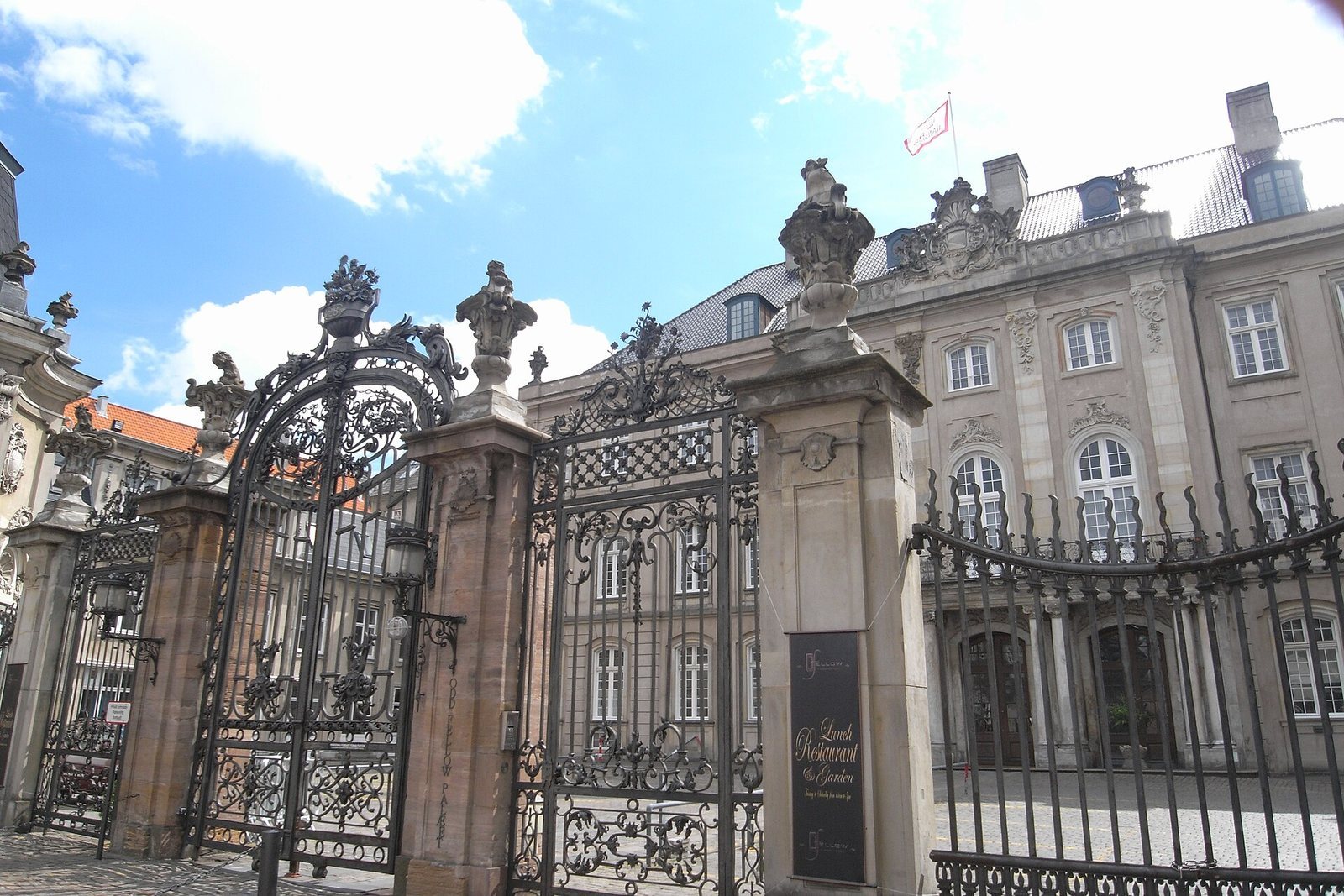
The mansion is a Rococo townhouse on Bredgade 28, opposite Dronningens Tværgade, where it serves as a visual terminus. It lies between the King’s Garden and Christianshavn, near Amalienborg Palace, Kongens Nytorv, and the Marble Church. Three verandas connect the building directly to its garden.
Interior spaces
Interior embellishments added in 1775 included paintings in the Knights’ Hall. Schröder designed the concert hall, which seats 250 and is known for its acoustics. Other rooms used for musical performances differ in size and have varied colors and painted decoration. They include the Mirror Hall, Gallery Hall, Rose Hall, Gentlemen’s Hall, and Ladies’ Hall, alongside conference and meeting rooms.