Oare House: An Eighteenth-Century Residence in the United Kingdom
Site at a Glance
- Popularity
- Medium
- Country
- United Kingdom
- Primary era
- Early Modern
- Eras represented
- Early Modern, Modern
- Civilizations
- British
- Site type
- Domestic
- Remains
- Elite Residence
On this page7 sections
History
Construction and remodelling
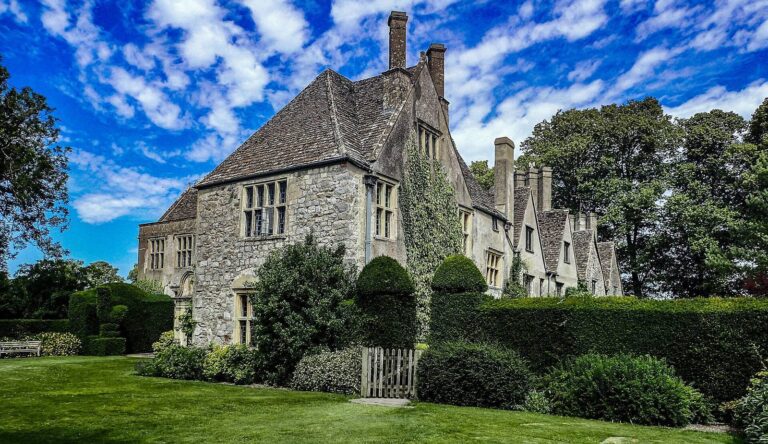
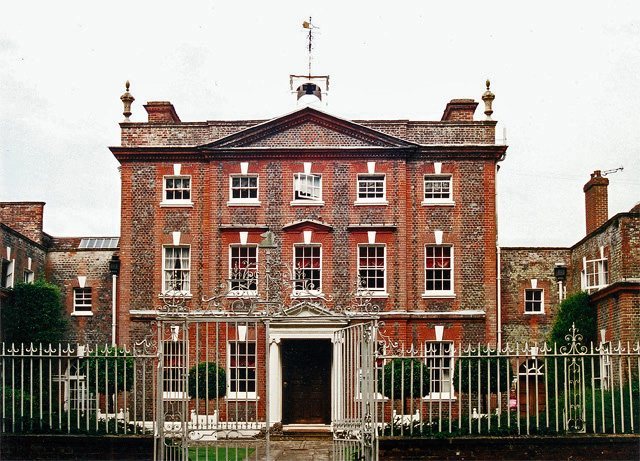
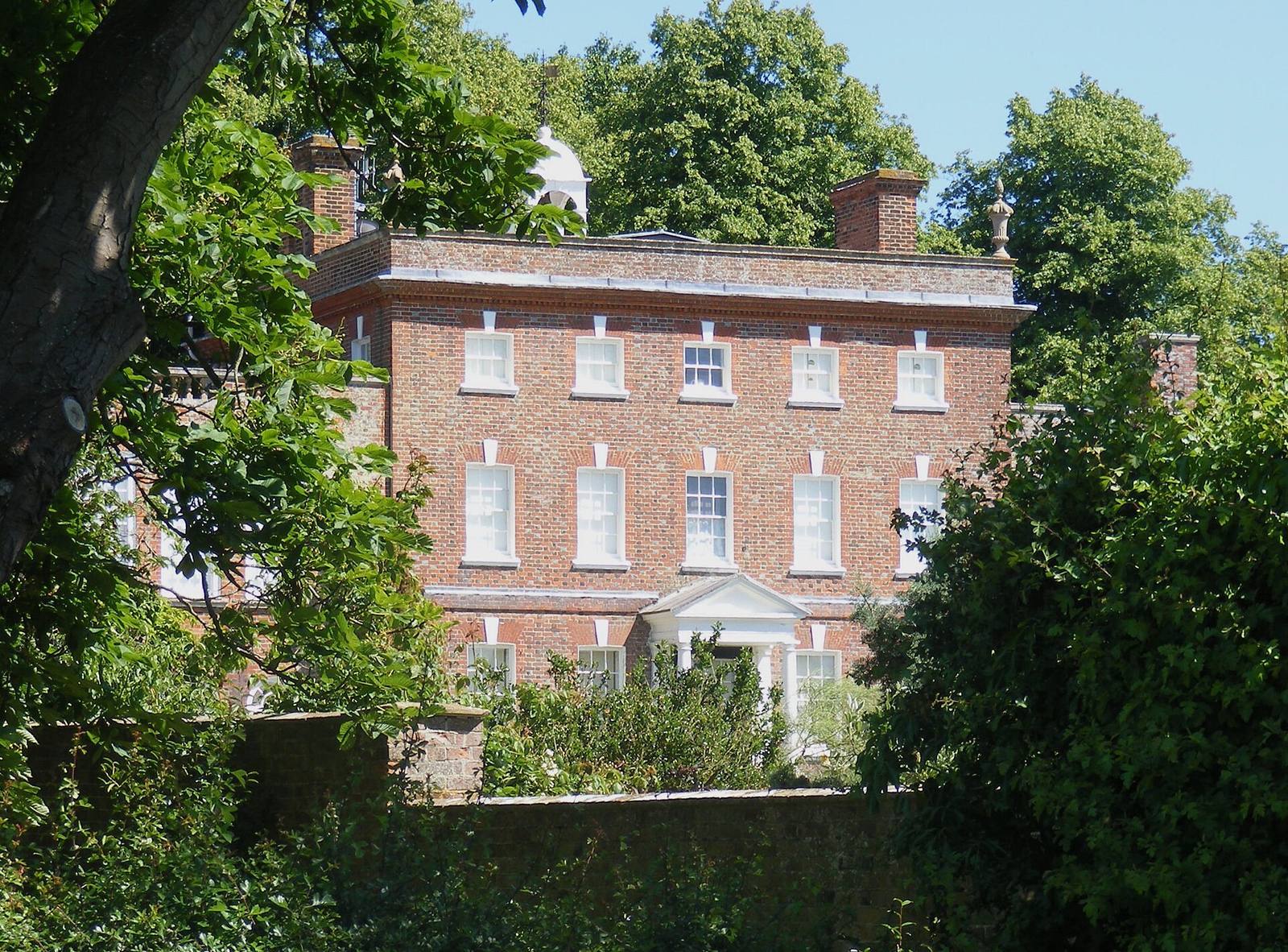
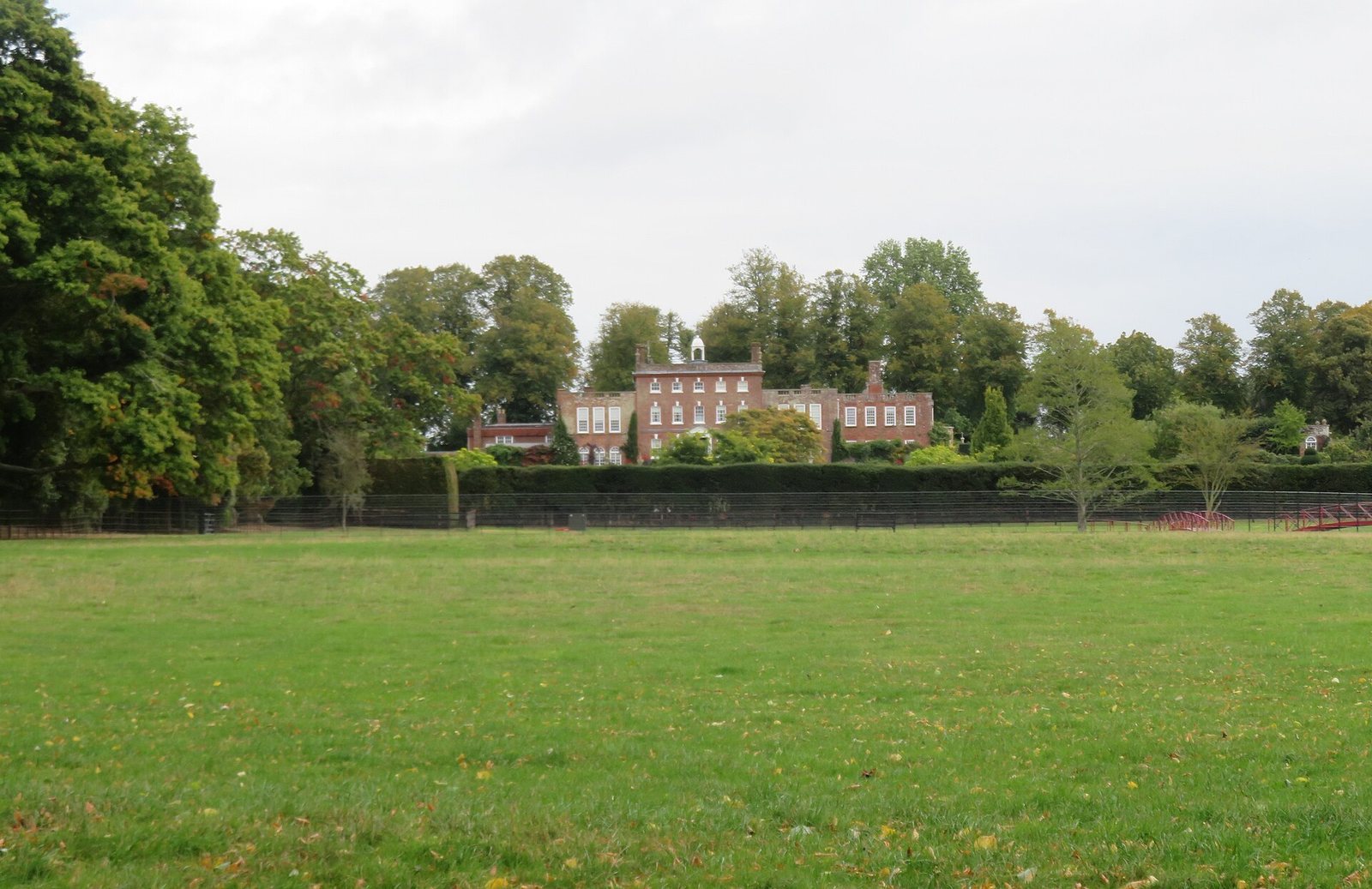
Oare House is a residence in the United Kingdom, built in 1740 for Henry Deacon, a London wine merchant. In the early 1920s, architect and conservationist Clough Williams-Ellis substantially remodelled it for Geoffrey Fry, 1st Baronet. Fry had served as private secretary to British prime ministers Bonar Law and Stanley Baldwin.
Listing and later ownership
The house received Grade I listing in 1952, the highest category for buildings of exceptional interest. Its gardens are listed Grade II on the Register of Historic Parks and Gardens, a category for parks and gardens of special historic interest. In 1965, Alick Downer, then Australian High Commissioner, bought the house. A high commissioner is a senior diplomatic representative exchanged between Commonwealth countries. Downer used Oare House to entertain prominent figures from English and Australian society. The house is now owned by Sir Henry Keswick.
Remains
Gardens and pavilion
The grounds include gardens containing a summerhouse, while Oare Pavilion stands west of the gardens.
Summerhouse
Clough Williams-Ellis designed the summerhouse in the gardens.
Oare Pavilion
Completed in 2003, Oare Pavilion is the only building in Britain designed by I. M. Pei, a Chinese-American architect known for modernist buildings.