Niwatorizuka Kofun: A Late-Sixth-Century Burial Mound in Japan
Site at a Glance
- Rating
- 4.3
- Popularity
- Low
- Country
- Japan
- Primary era
- Medieval
- Eras represented
- Medieval
- Civilizations
- Yamato
- Site type
- Burial
- Remains
- Burial Mound
On this page6 sections
History
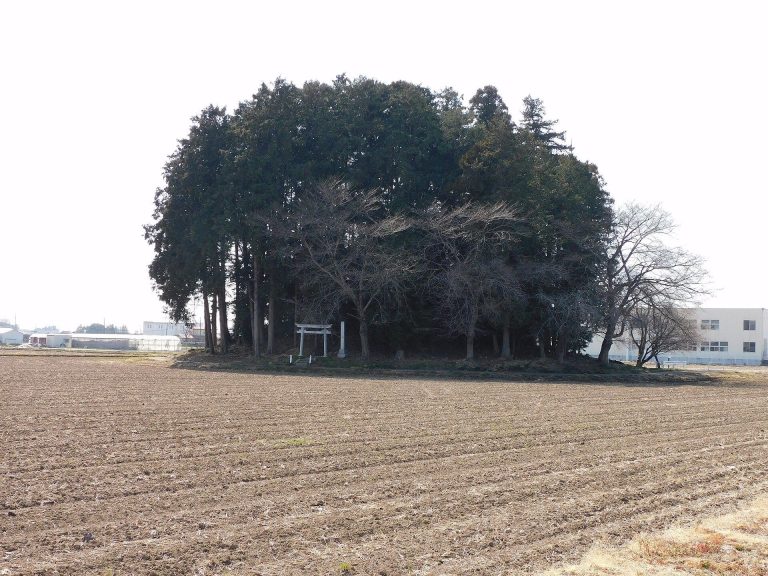
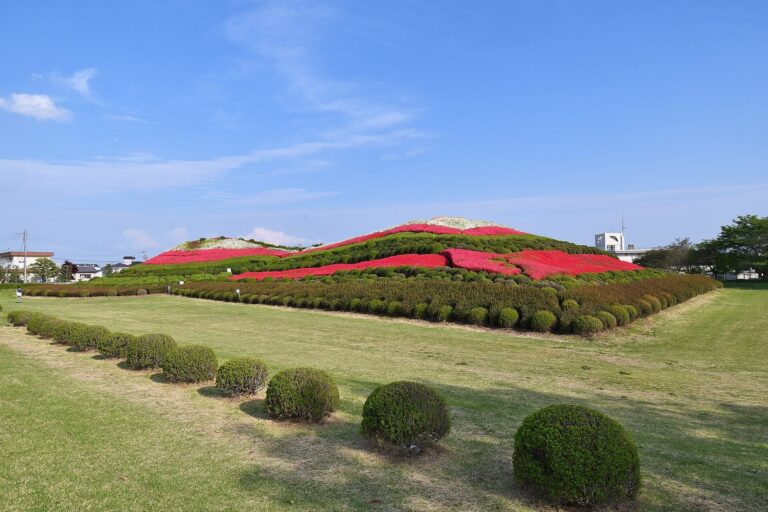
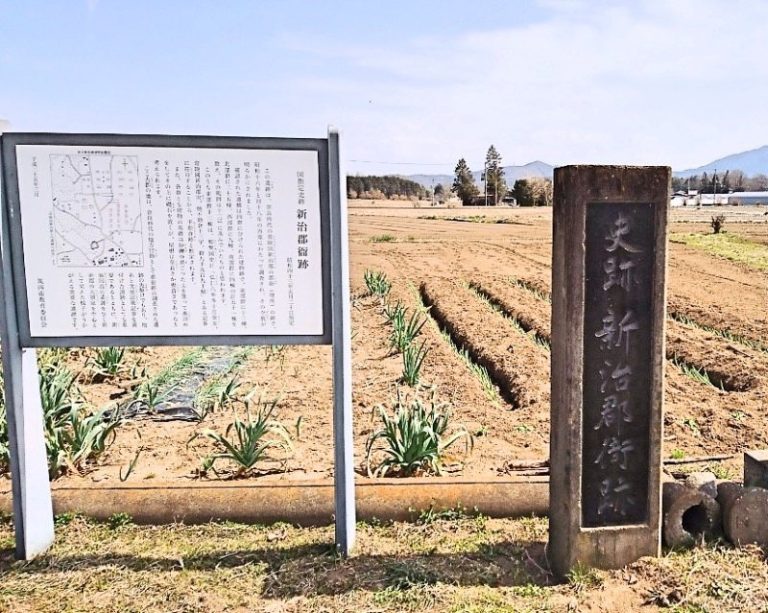
Niwatorizuka Kofun is a burial mound in Moka, Tochigi Prefecture, Japan. Built in the late sixth century during the Kofun period, an era named for the widespread construction of burial mounds, it is regarded as the principal mound in a group of 17 spread across the area. Of those mounds, eight remained extant by 1984. Niwatorizuka is valued as evidence of a phase before the central area of the ancient Haga District developed. A nearby site is interpreted as the district government center, the local administrative headquarters, and temple ruins lie to its south.
Excavations and archaeological importance
The mound was excavated in 1885. In 1930, the enlargement of a potato-storage pit on its west side brought haniwa, clay funerary figures and objects associated with burial mounds, to light. An archaeological investigation of the west side followed in 1931. The name Niwatorizuka comes from the many chicken-shaped haniwa found in twentieth-century excavations.
The site is also valued for its place in the history of archaeological study. Its nearby setting in relation to the interpreted district headquarters and the temple ruins provides evidence for understanding the development of ancient Haga.
Remains
Mound and burial chamber
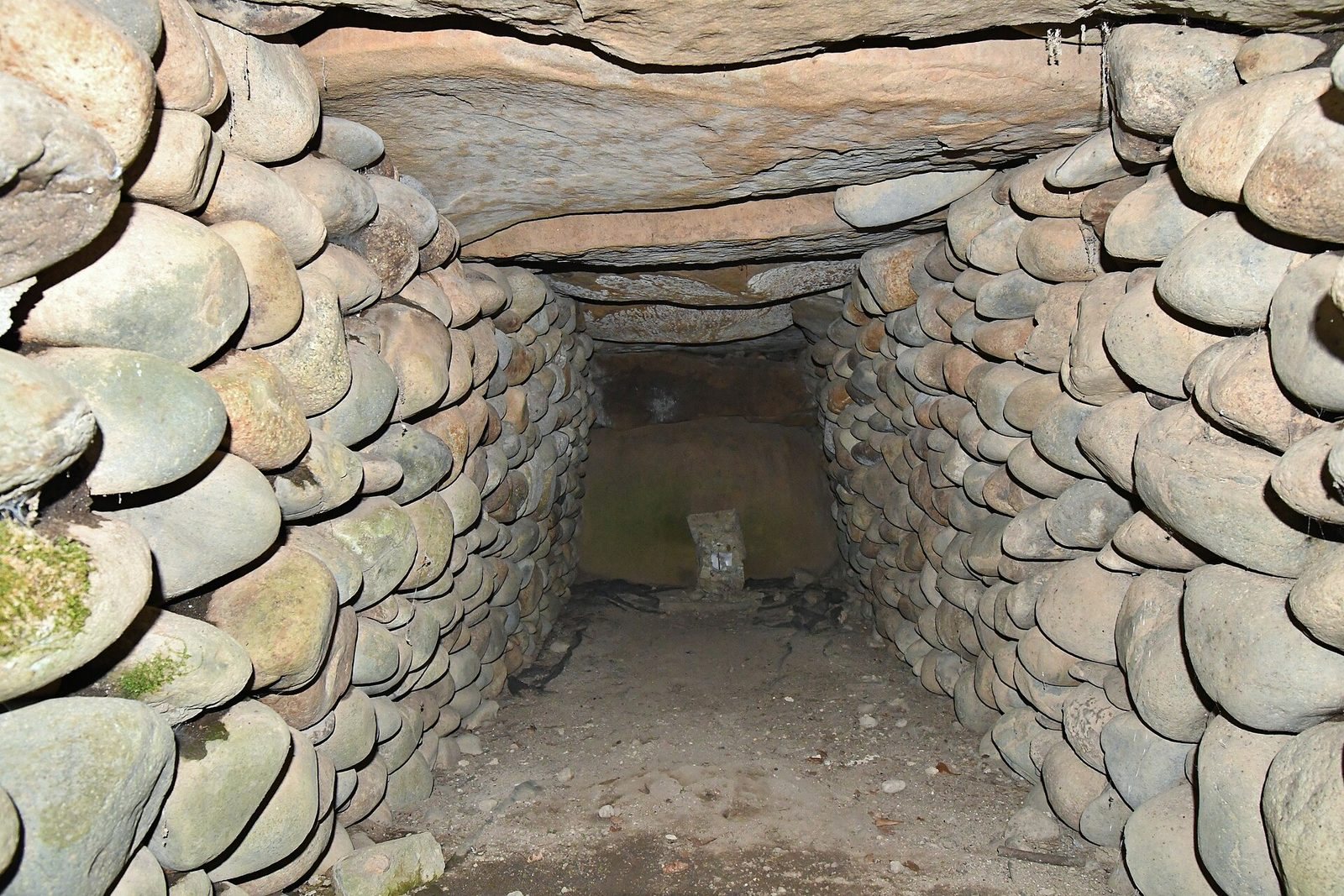
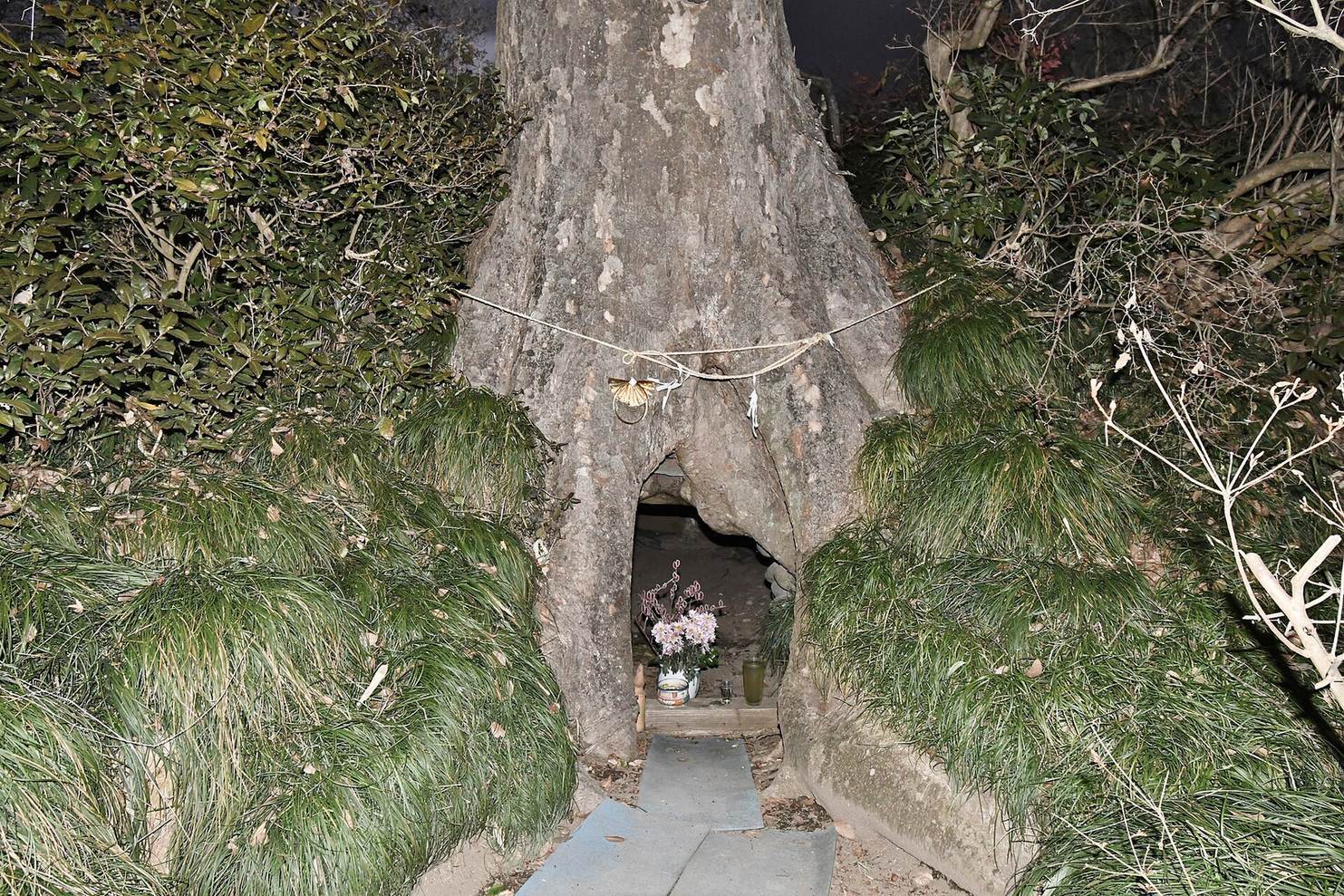
The mound stands on a low terrace east of the Gogyō River. Its altered form measures about 22 metres east to west, 18 metres north to south, and 2.5 metres high. The original mound is estimated to have been circular, about 30 metres across and 4 metres high. A horizontal-entry stone burial chamber opens to the southwest, without projecting side walls at its entrance. Its narrow, elongated plan widens toward the rear, creating a paddle-like shape. The chamber is 5.68 metres long, 1.58 metres wide at the rear and 0.81 metres at the entrance; the rear wall is 1.51 metres high. That wall is built in two courses. River stones form the side walls, with their narrower ends facing inward; the walls slope toward one another, and smaller stones fill the spaces behind them. Six stones make up the ceiling.
Figurative haniwa
Figurative haniwa were set in two rows around the mound’s exterior. The figures include human forms and examples shaped like chickens and arm guards. Finds included intact chicken figures, a woman carrying a child on her back, and nude male and female figures. A figure of a man playing a koto, a traditional Japanese plucked zither, is attributed to Niwatorizuka and exhibited at the Aichi Prefectural Ceramic Museum. Other haniwa from the mound are held or exhibited at the Tokyo National Museum, while replicas are displayed at the Tochigi Prefectural Museum.
Finds from the burial
The 1885 excavation apparently yielded human bones and teeth, hair, beads, bell-adorned armlets, iron arrowheads, a straight iron sword, and horse equipment including a bridle bit. The human remains, hair, and beads were found on a flat stone before the chamber’s rear wall, while the sword lay nearby and the horse equipment was found close to the entrance. The objects’ present whereabouts are unknown.