Nhất Trụ Pagoda: A Tenth-Century Buddhist Temple at Hoa Lư
Site at a Glance
- Rating
- 4.2
- Popularity
- Very Low
- Country
- Vietnam
- Primary era
- Medieval
- Eras represented
- Medieval
- Civilizations
- Unclassified
- Site type
- Religious
- Remains
- Pagoda
On this page7 sections
History
Nhất Trụ Pagoda is a tenth-century Mahayana Buddhist temple in Tay Hoa Lu, Ninh Binh, Vietnam, founded by King Lê Đại Hành in 984 during the Early Lê period. It stands within the special-protection zone of the Hoa Lư Ancient Capital complex, a fortified central settlement associated with the Đinh and Early Lê dynasties. The pagoda is one of the ancient Đinh and Early Lê-period temples that survive within the former citadel and is regarded as the most important of these surviving pagodas.
Foundation at Hoa Lư
Nhất Trụ formed part of the old Yên Thành village area, in the central section of the eastern city. Its setting places it near Yên Thành communal house, the shrine of Princess Phất Kim, and the temple of King Lê Đại Hành, all within the Hoa Lư historical complex.
During the tenth century, the pagoda served both as a Buddhist religious centre and as a meeting place for the monks Pháp Thuận, Khuông Việt, and Vạn Hạnh, who discussed affairs of state there. Its name comes from the stone Buddhist scripture pillar positioned before the sanctuary. A Buddhist scripture pillar is a stone monument carved with sacred formulas or religious verses.
The stone-scripture tradition at Hoa Lư began before Nhất Trụ’s pillar. In 971, the Song emperor of China ordered Buddhist scriptures to be carved on stone pillars. In 973, Đinh Liễn, son of King Đinh Tiên Hoàng, erected 100 such pillars at Hoa Lư. After the Đinh dynasty, Lê Hoàn, also known as Lê Đại Hành, continued the practice by commissioning the pillar at Nhất Trụ. This helped establish a Vietnamese tradition of placing stone scriptures before Buddhist sanctuaries.
Later associations and living traditions
Nhất Trụ’s role within the Hoa Lư complex is expressed in a traditional couplet that calls Tràng An the scenic original capital and Nhất Trụ the celebrated place where the traces of the Buddha remain. In the later capital of Thăng Long, Lê Đại Hành’s grandson through his daughter, King Lý Thái Tông, built One Pillar Pagoda. Its architecture is described as having several similarities to Nhất Trụ.
The pagoda was rebuilt in 1944 and restored in 1992. It is administered by the Vietnam Buddhist Sangha. Its festival is held alongside those of eight other ancient pagodas during the Trường Yên festival period in the third lunar month. Annual observances include a ceremony on the fifteenth day of the first lunar month, when offerings are made to the Buddha and prayers are offered for peace and national prosperity. A poetry gathering commemorates Pháp Thuận on the night of the full moon, while a ceremony on the eighth day of the fourth lunar month seeks favorable weather and good harvests.
Remains
Pagoda layout
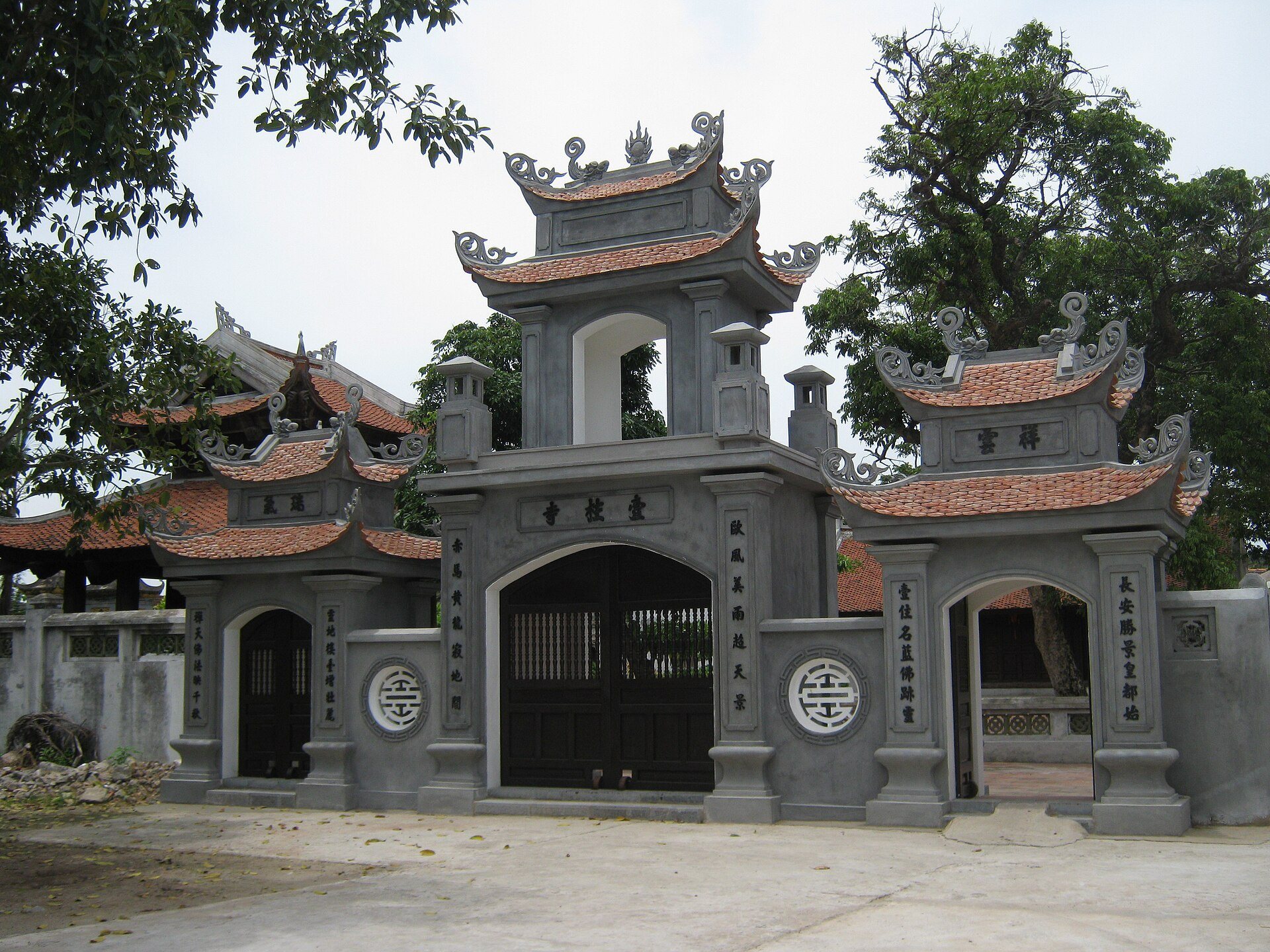
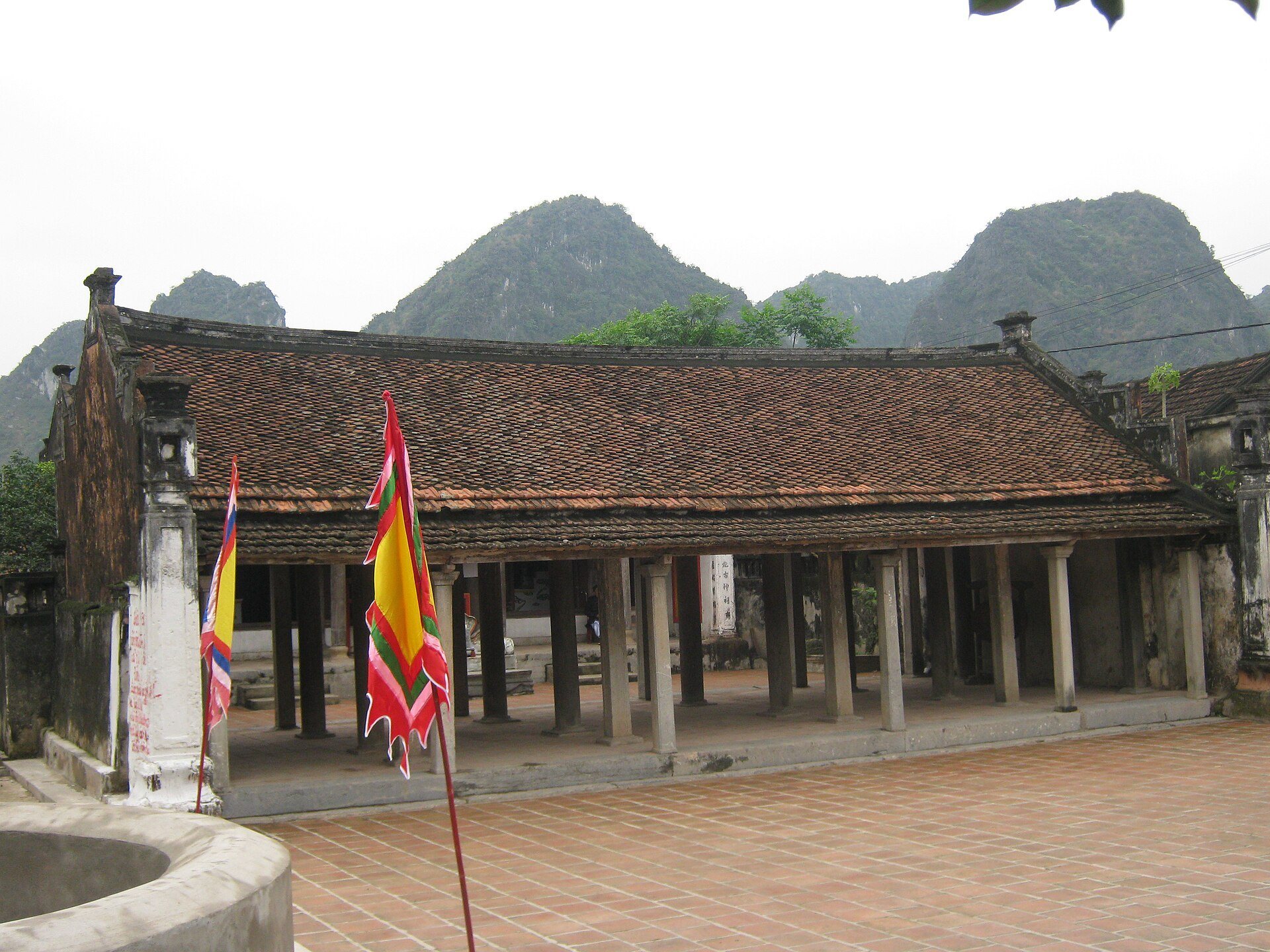
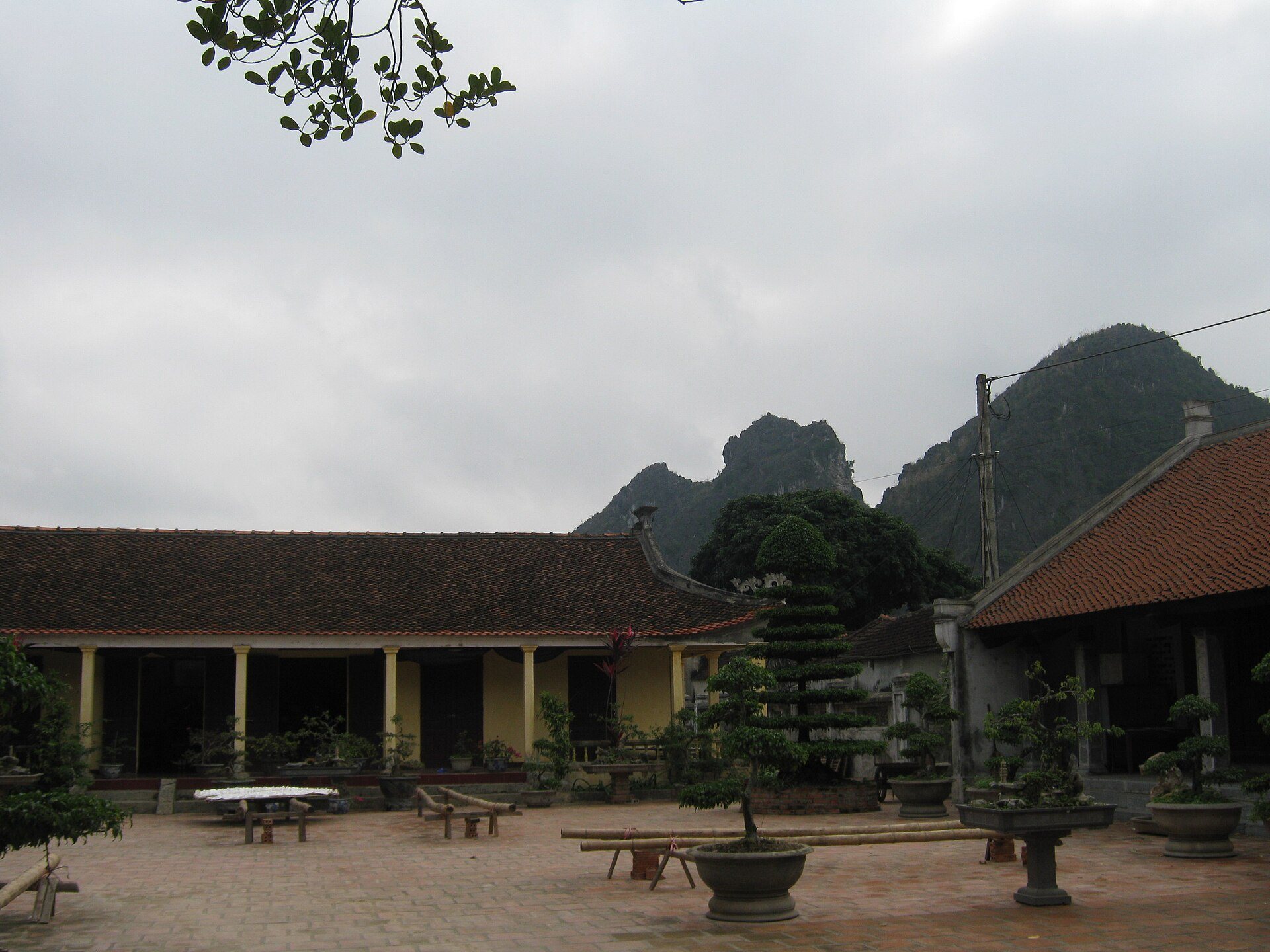
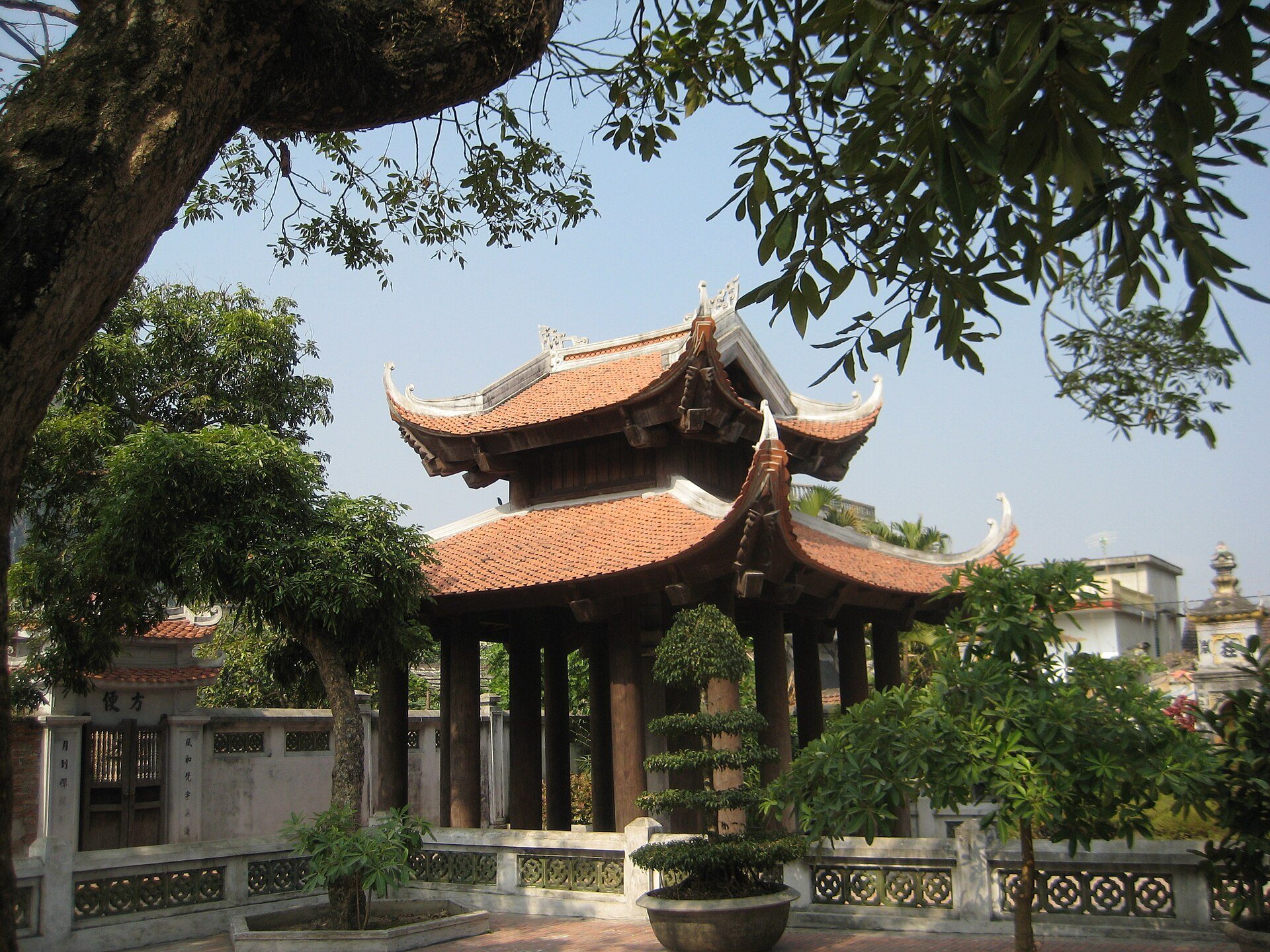
Nhất Trụ has a Đinh layout, a T-shaped plan, and faces west. The surviving complex includes the Buddhist scripture pillar, the main sanctuary, an ancestral hall, a guest house, a dining building, and towers. Together, these components express the arrangement of a Buddhist temple within the former Hoa Lư capital.
Stone scripture pillar
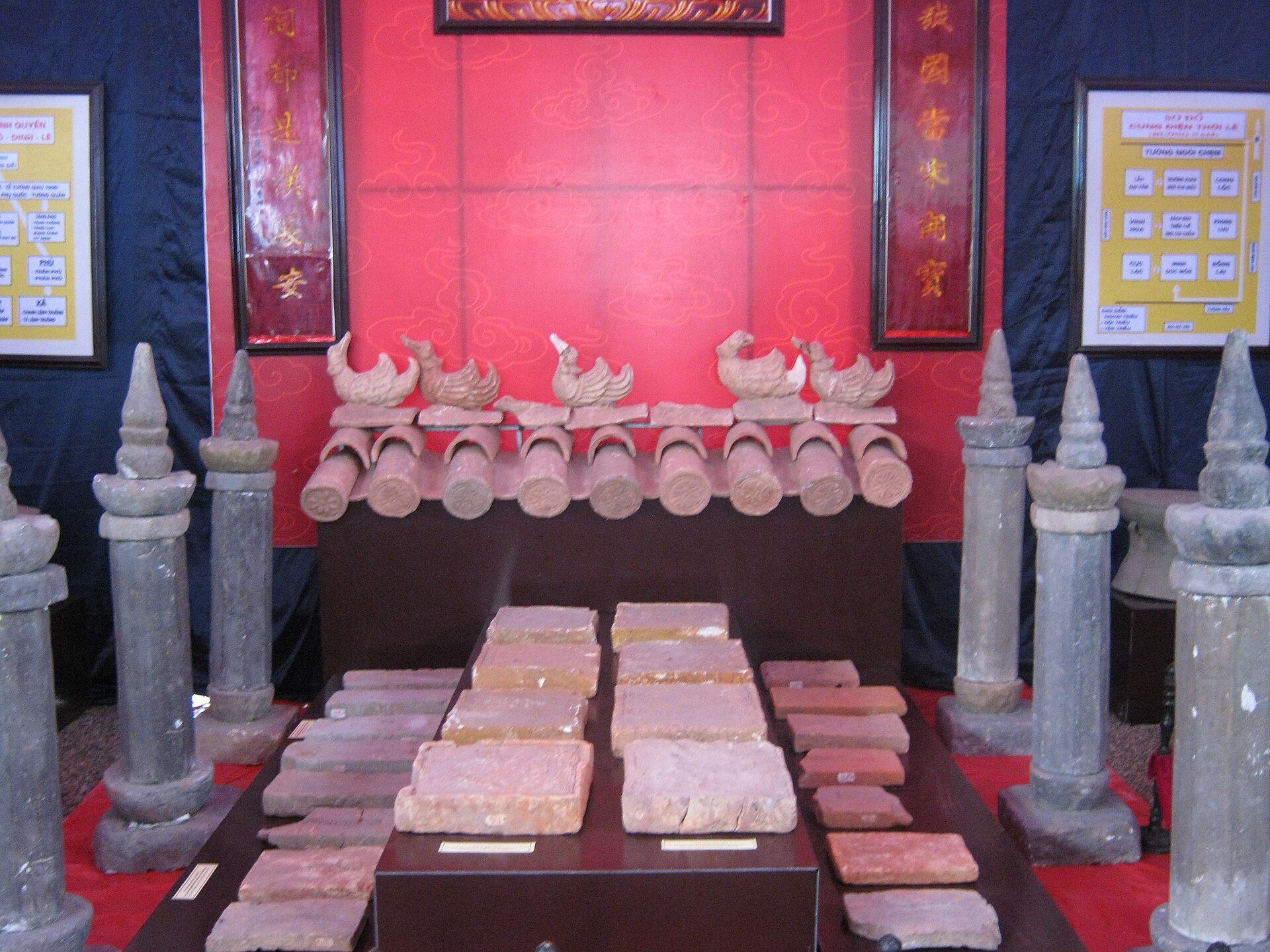
The stone pillar in front of the pagoda is also called the Lăng Nghiêm scripture pillar. It rises more than 4 metres and has eight faces. Six stone components are fitted together through projecting joints and recessed sockets, a mortise-and-joint method in which separate pieces are secured by interlocking stone projections and openings. The pillar was erected around 995, and an inscription identifies its patron as “the disciple, Emperor Thăng Bình,” a title associated with King Lê Hoàn.
The lowest element is a square slab 30 centimetres thick and 140 centimetres on each side. A circular socket in its centre receives the projecting joint of the round base above it. This round base measures 76 centimetres across and has another 9-centimetre-deep socket on its upper surface. Around the base is a circular lotus-petal decoration 107 centimetres in diameter, formed from 22 petals. Each petal is between 15 and 17 centimetres long and 13 centimetres wide, with a slender shape comparable to lotus petals carved on other stone features at Hoa Lư.
The octagonal shaft is more than 2 metres high. Its width across opposite faces is 65 centimetres at the top and 61 centimetres at the bottom, and projecting joints at both ends connect it to the lower base and the upper supporting block. The octagonal block above it is 13 centimetres thick and 69 centimetres across opposite faces. Its underside contains a socket fitted over the shaft’s upper joint.
Above this block is a 26-centimetre-high stone lotus element. Its uneven rim forms eight pointed projections, narrowing into a circular form below the flower. A round socket on its upper surface receives the finial, which has the shape of a waisted gourd with a blunt end. The finial is 80 centimetres high and 30 centimetres in diameter.
All eight faces of the shaft were carved with Chinese characters. The inscription originally contained about 2,500 characters. Around 1,200 could previously be read or identified, but weathering and environmental exposure have left only a very limited number legible today. The text includes a magical formula from the Lăng Nghiêm Scripture and several Buddhist verses. A dharani, or Buddhist ritual formula, forms part of this sacred inscription.
Related pillars at Hoa Lư
Excavations in the former Hoa Lư capital, about 2 kilometres from the temple of King Đinh, uncovered nearly 20 pillars from the Đinh period. These pillars were also eight-sided and measured approximately 0.5 to 0.7 metres in length. Their inscriptions included the Buddha-Crown Victorious Dharani formula, while one pillar found in 1964 carried a comparatively long verse in Chinese characters concerning a Mahayana Buddhist sanctuary. Together with the surviving Nhất Trụ pillar, these remains provide evidence for the development of Buddhist stone scripture in Vietnam.