Necropolis of Mount Areo: A Prehistoric Burial Site in Asturias, Spain
Site at a Glance
- Rating
- 4.5
- Popularity
- Low
- Country
- Spain
- Primary era
- Stone Age
- Eras represented
- Stone Age, Classical
- Civilizations
- Roman
- Site type
- Burial
- Remains
- Necropolis
On this page8 sections
History
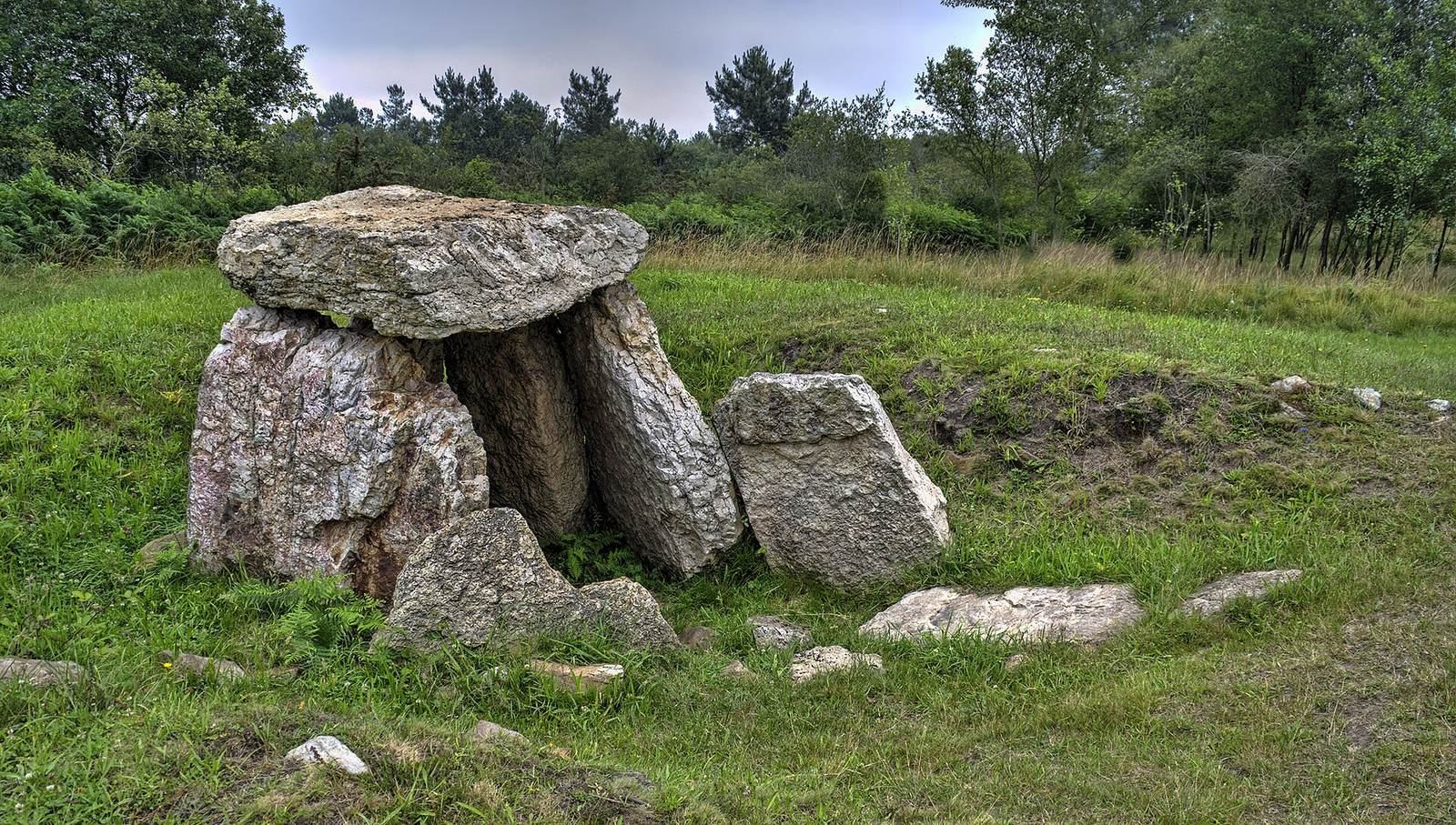
The Necropolis of Mount Areo is a prehistoric burial landscape between Gijón and Carreño in Asturias, Spain. Its dolmens, megalithic burial structures, date to about 3,000 to 5,000 years ago. The distribution of the burial mounds has been interpreted as evidence that the area held sacred importance over several millennia.
Prehistoric landscape and the name Areo
The mountain is also called Mount of Saint Paul, after a chapel dedicated to Saint Paul, an apostle of early Christianity, once stood on its summit. The chapel has since disappeared. Marino Busto proposed that Areo might derive from either Mount Iroba or Mount of the Altars. A separate conjecture connects the name with Indo-European communities associated with the burials, said to have brought farming and herding to the area around 4,000 to 5,000 BC and displaced earlier nomadic hunter-gatherers.
Roman connections
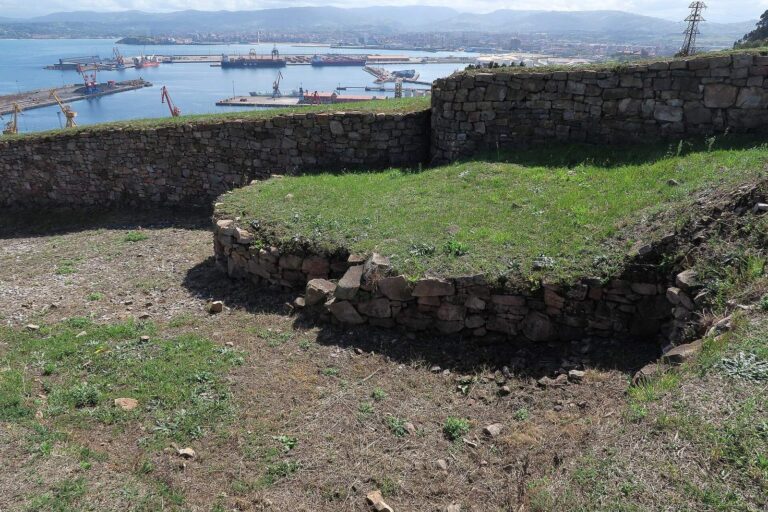
A branch of the Roman Camín de la Mesa road crossed Mount Areo, linking the Roman settlement and fortified hilltop site at Campa Torres with Astorga. The Aras Sextianas, a monument honoring Augustus, Rome’s first emperor, were erected around AD 19 to commemorate Roman troops’ victory over the Asturians, ancient peoples of the region. Although sometimes associated with Mount Areo, the monument stood at Campa Torres, across the Aboño estuary gorge, where the Aboño and Pinzales rivers meet.
Archaeological investigation
The burial mounds were known by the eighteenth century, and González Besada began excavating them in the early twentieth century. Most were identified during late-twentieth-century excavations led by prehistorian Miguel Ángel de Blas Cortina and a team from the University of Oviedo’s Department of Prehistory and Archaeology. By 2007, 35 Neolithic funerary mounds had been located, and two had been excavated. The necropolis is also identified as part of a World Heritage site.
Remains
Site layout and features
Burial mounds and dolmens
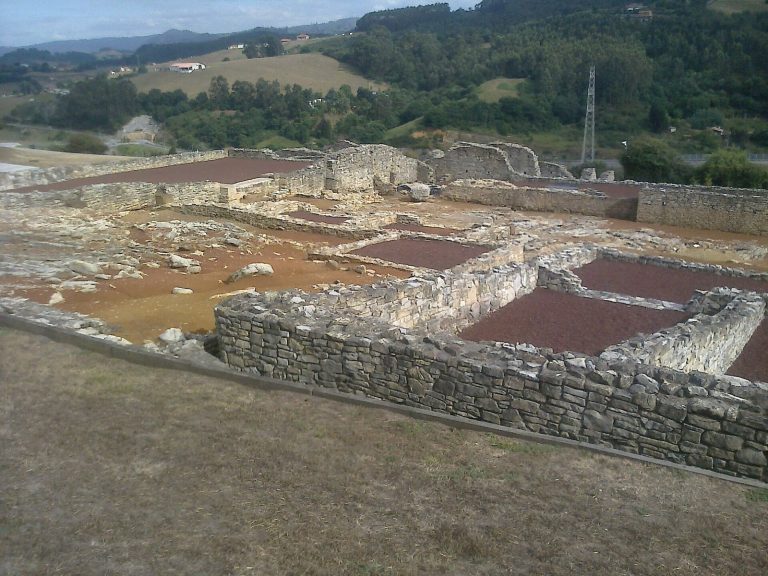
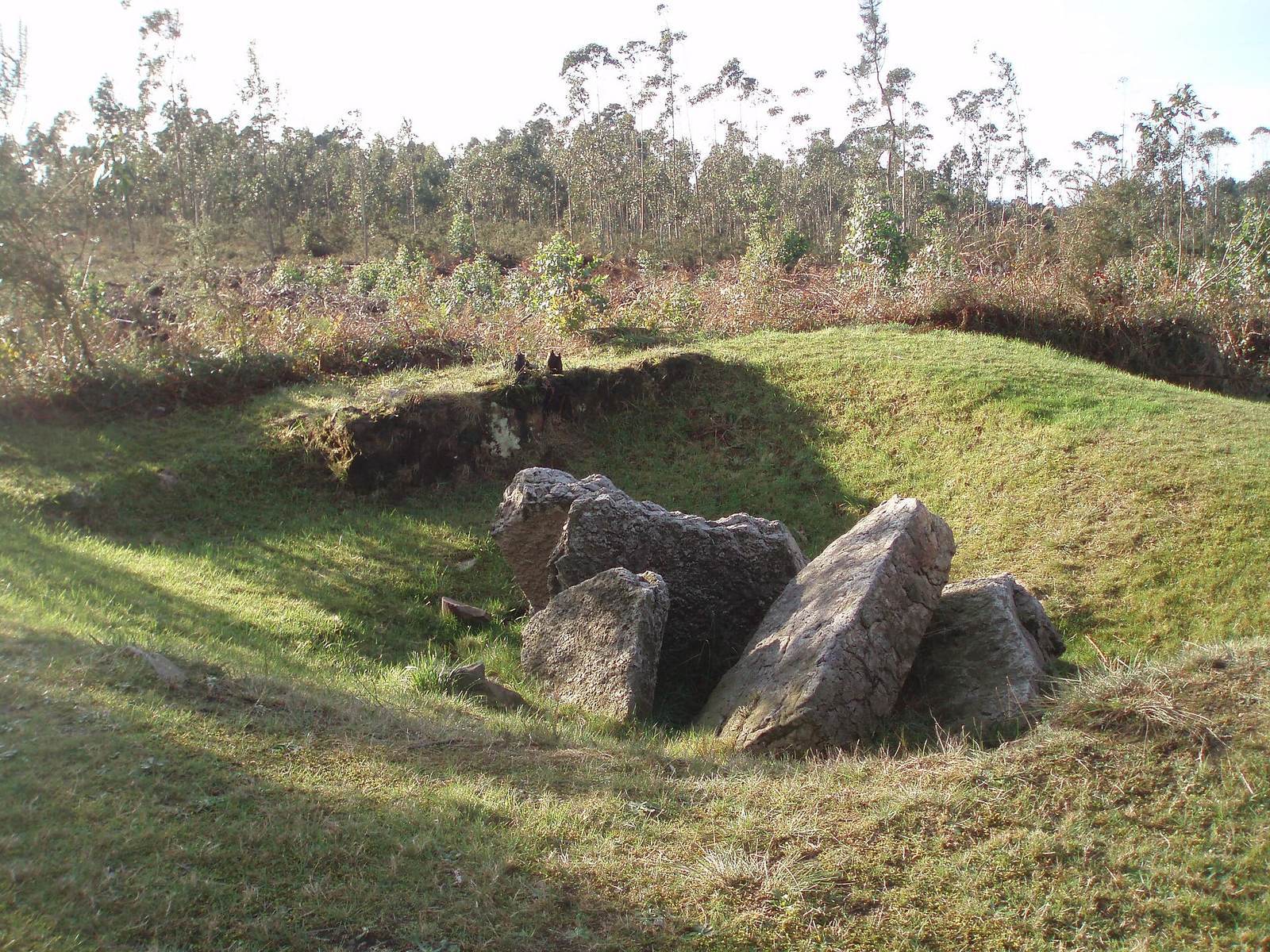
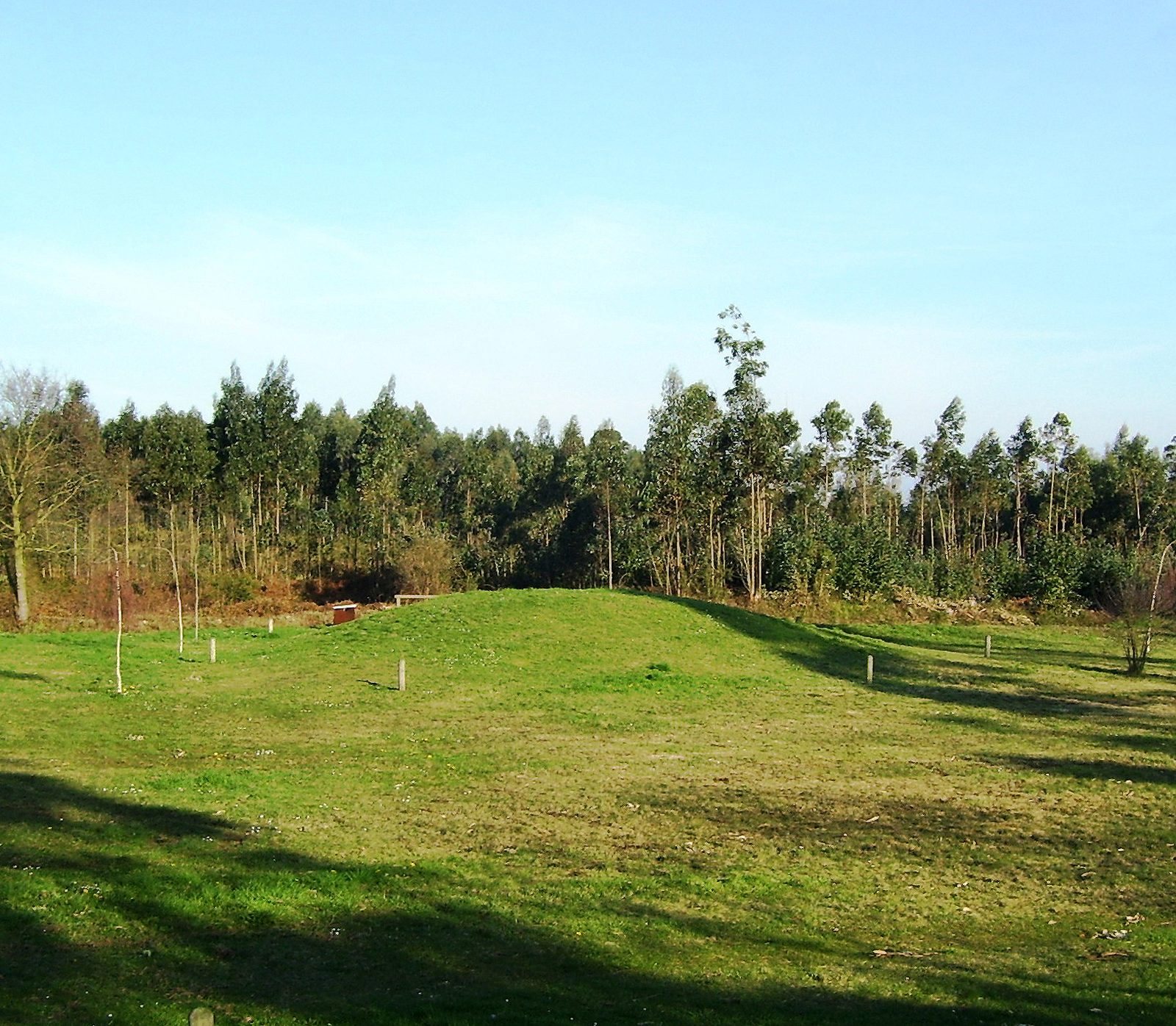
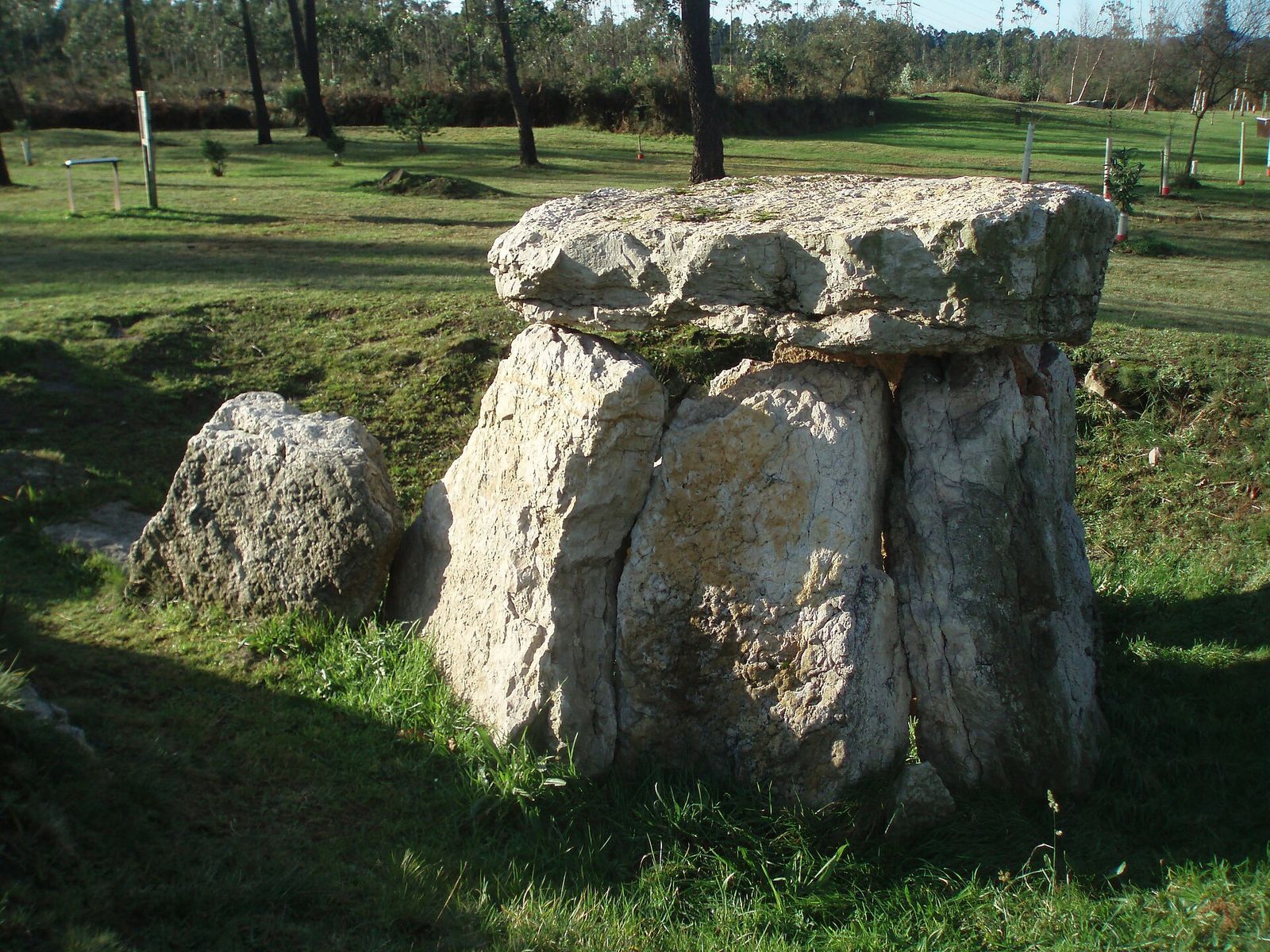
The necropolis covers about 4 km² on Mount Areo, which extends approximately 7 km from northeast to southwest and reaches about 265 m in elevation. It is described as the largest necropolis in Asturias and one of the largest in Spain. Burial mounds lie across the mountain’s middle and upper slopes and summit, in two areas called Los Llanos and Les Güelgues de San Pablo. The remains include two square-plan burial chambers, a trapezoidal dolmen, and a passage dolmen, whose chamber is reached through a passage. One excavated mound has been prepared for observation.
Roman road
The most substantial remains of the Roman road branch on Mount Areo lie in the area of Peña’l Carru.