Naldurg Fort: A Deccan Stronghold and Seat of Governance
Site at a Glance
- Country
- India
- Primary era
- Early Modern
- Eras represented
- Medieval, Early Modern
- Civilizations
- Chalukya, Deccan Sultanates
- Site type
- Military
- Remains
- Fort
On this page12 sections
History
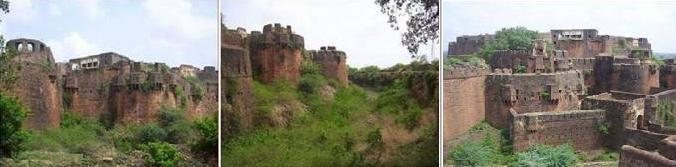
Naldurg Fort stands in Naldurg town, Maharashtra, India. Built on relatively level terrain, it is described as the largest ground fort in Maharashtra. Its construction is more likely to date to the Western Chalukya period, a medieval Deccan dynasty, while major building took place under the Adil Shahi rulers. The fort later served as a center of governance and culture.
Origins and Deccan sultanates
Local tradition connects the fort’s history and the names of the fort and town with King Nala and Queen Damayanti, legendary figures in Indian epic tradition. One version credits Nala with building the fort. Its more probable origins lie in the Western Chalukya period.
The fort passed to the Bahmani Sultanate and later to the Adil Shahi dynasty, successive powers in the Deccan. Adil Shahi control began in 1558, and much of the fort’s major construction belongs to this period. Chand Bibi Sultana, a Deccan regent and military leader, was married at Naldurg. In 1613, during the reign of Ibrahim Adil Shah II, ruler of the Adil Shahi state of Bijapur, a dam incorporating the Pani Mahal was built between Naldurg and Ranmandala.
Mughal and Nizam rule
After the Adil Shahi kingdom fell in 1686, Naldurg came under Mughal control during Emperor Aurangzeb’s reign. Aurangzeb appointed Asaf Jah I governor of the Deccan, including Naldurg. Following Aurangzeb’s death, Asaf Jah established a dominion whose rulers were known as Nizams.
A rebellion during Asaf Jah’s rule led to Mohammed Dulah Khan Bahadur’s appointment as governor. His son, Amir Nawazul Mulk Bahadur, held the title nawab, used for rulers and senior officials, and later ruled at Naldurg. His successors governed there until 1948. The fort is now protected as a monument by the Maharashtra government’s archaeology department.
Remains
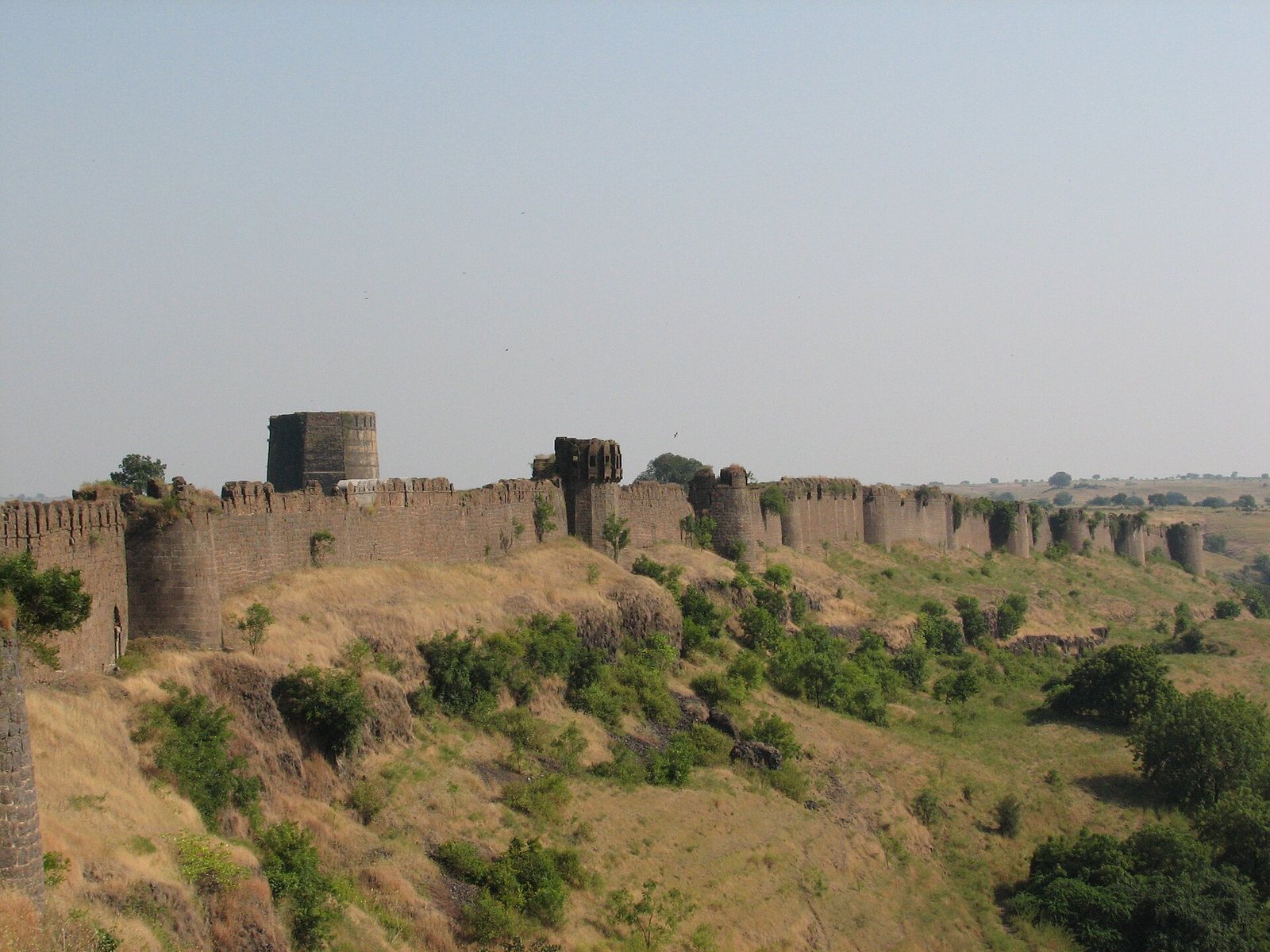
The fort’s layout follows a basalt knoll projecting into the Bori River valley. Its fortifications extend for about 2.5 kilometres and include 114 bastions, or projecting defensive structures. A broad road leads toward the center, while a large moat and double ramparts form part of the defenses. Sections of the walls are ruined.
Defenses and waterworks
Ramparts and bastions
Basalt bastions strengthen three sides of the fort and were built to carry heavy guns. One bastion on the wall facing the highway has nine petal-like projections. Other named bastions include Upli Buruj, Paranda Buruj, Nagar Buruj, Sangram Buruj, Bands Buruj, and Poone Buruj. Upli Buruj is a watchtower with a long cannon on top.
Moat and Ranmandala
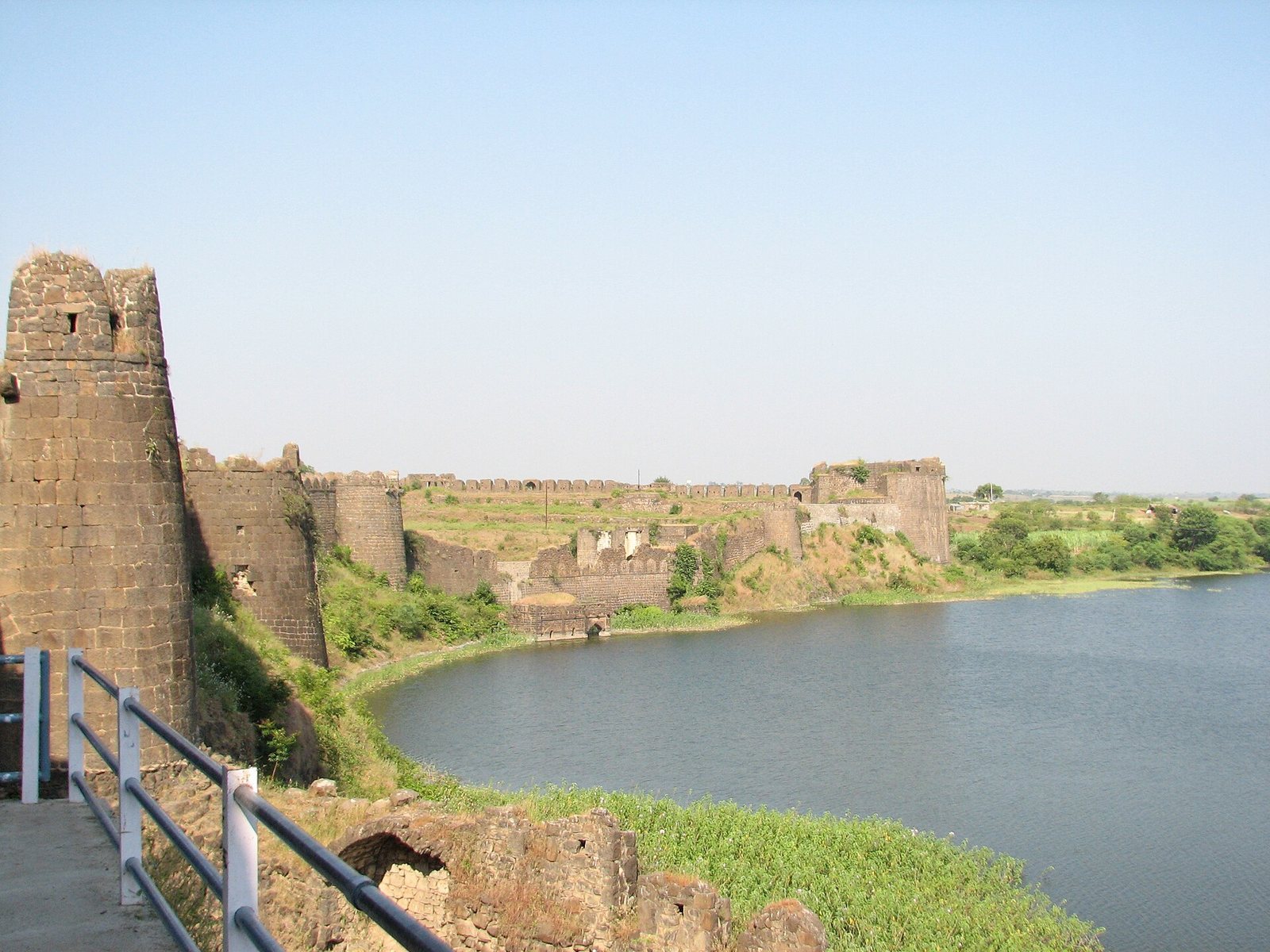
Ranmandala is a fortified area on the adjoining plateau, separated from Naldurg by a deep moat. The Bori River’s flow was diverted into this channel, and a dam-like wall retains the water, creating a barrier between the two fortified areas.
Dam and Pani Mahal
The dam linking Naldurg and Ranmandala rises about 19 to 20 metres and has four levels connected by an internal stairway. The Pani Mahal, a palace, is built into the dam about halfway up. Its windows have ornamental arched surrounds. A Persian-script inscription says that seeing the palace delights friends but darkens an enemy’s eyes. Two outlets carry away excess monsoon water and are called the Male and Female.
Structures within the fort
Entrances, tanks, and cannons
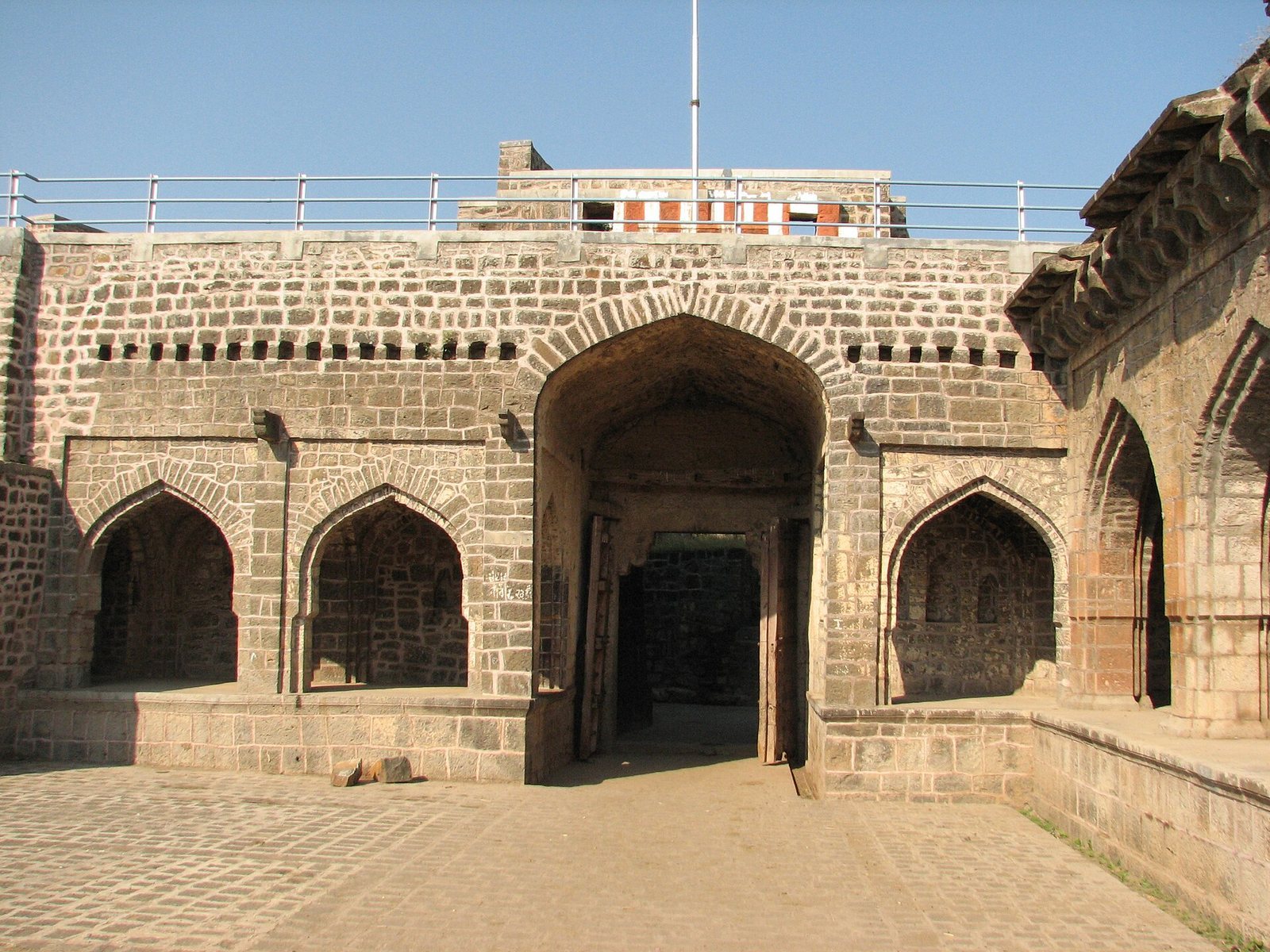
The entrances include Hathi Darwaza and Hurmukh Darwaza, with the approach through the entrance turning in a curve. Two tanks are also found within the fort. Its named cannons are Hathi Toph and Magar Toph.
Stores, pavilions, and temples
Other remains include Barood Kotha, a gunpowder store; Ambarkhana, a storehouse; Baradari, a pavilion; Rangaan Mahal; and Jali, a lattice screen. The fort also contains Hindu temples known as Ganapati Mahal and Lakshmi Mahal.
Waterfall and burial places
A waterfall is associated with the fort. Burial places within it are associated with Nawab Amir Nawazul Mulk Bahadur and Princess Fakharunnisa, daughter of Nizam-ul-Mulk II, a ruler of Hyderabad.