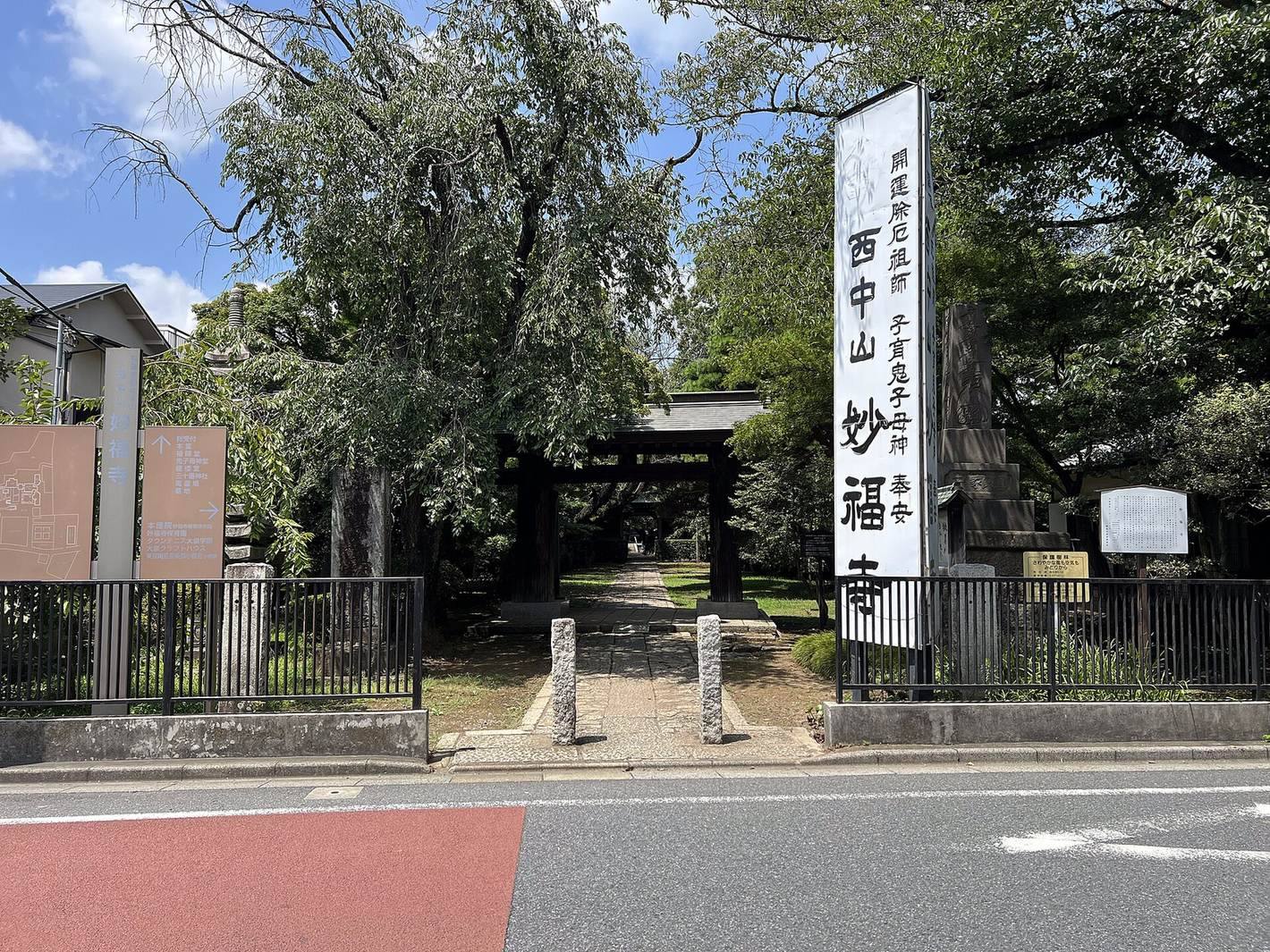
Myofuku-ji Temple: A Nichiren Buddhist Temple in Tokyo
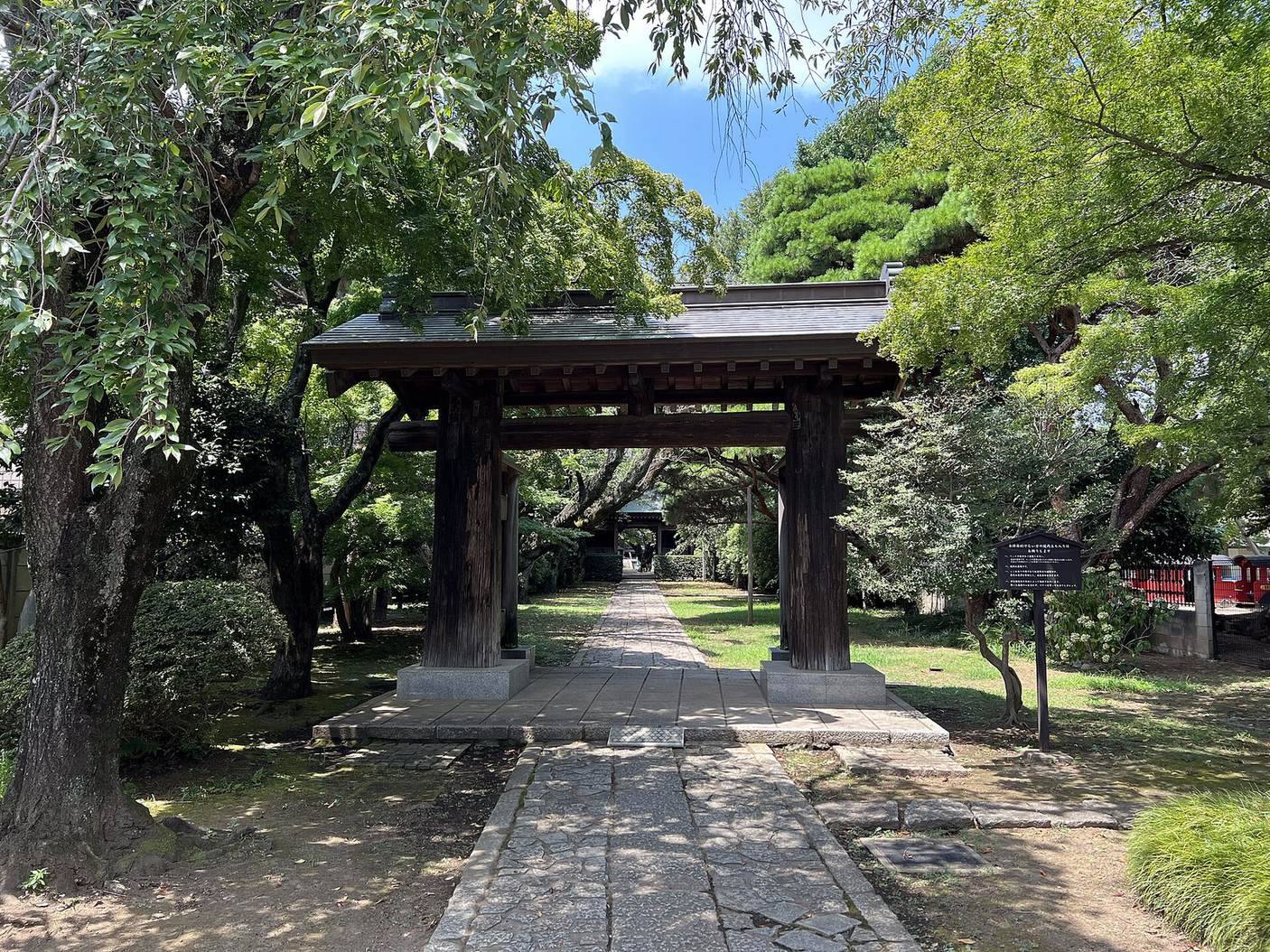
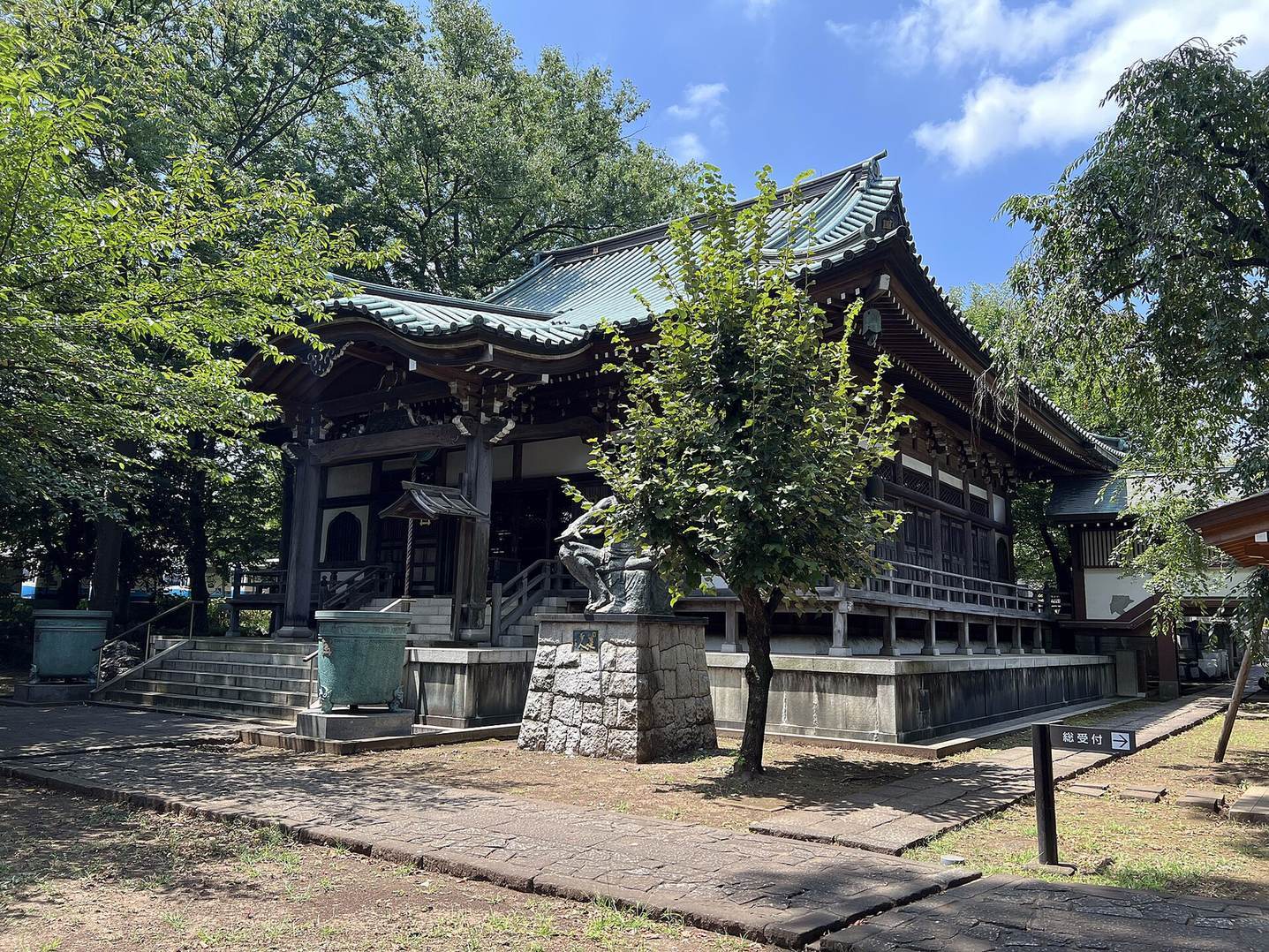
Site at a Glance
- Rating
- 4.2
- Popularity
- Medium
- Country
- Japan
- Primary era
- Unclassified
- External website
- Open
- Eras represented
- Unclassified
- Civilizations
- Unclassified
- Site type
- Religious
- Remains
- Temple
History
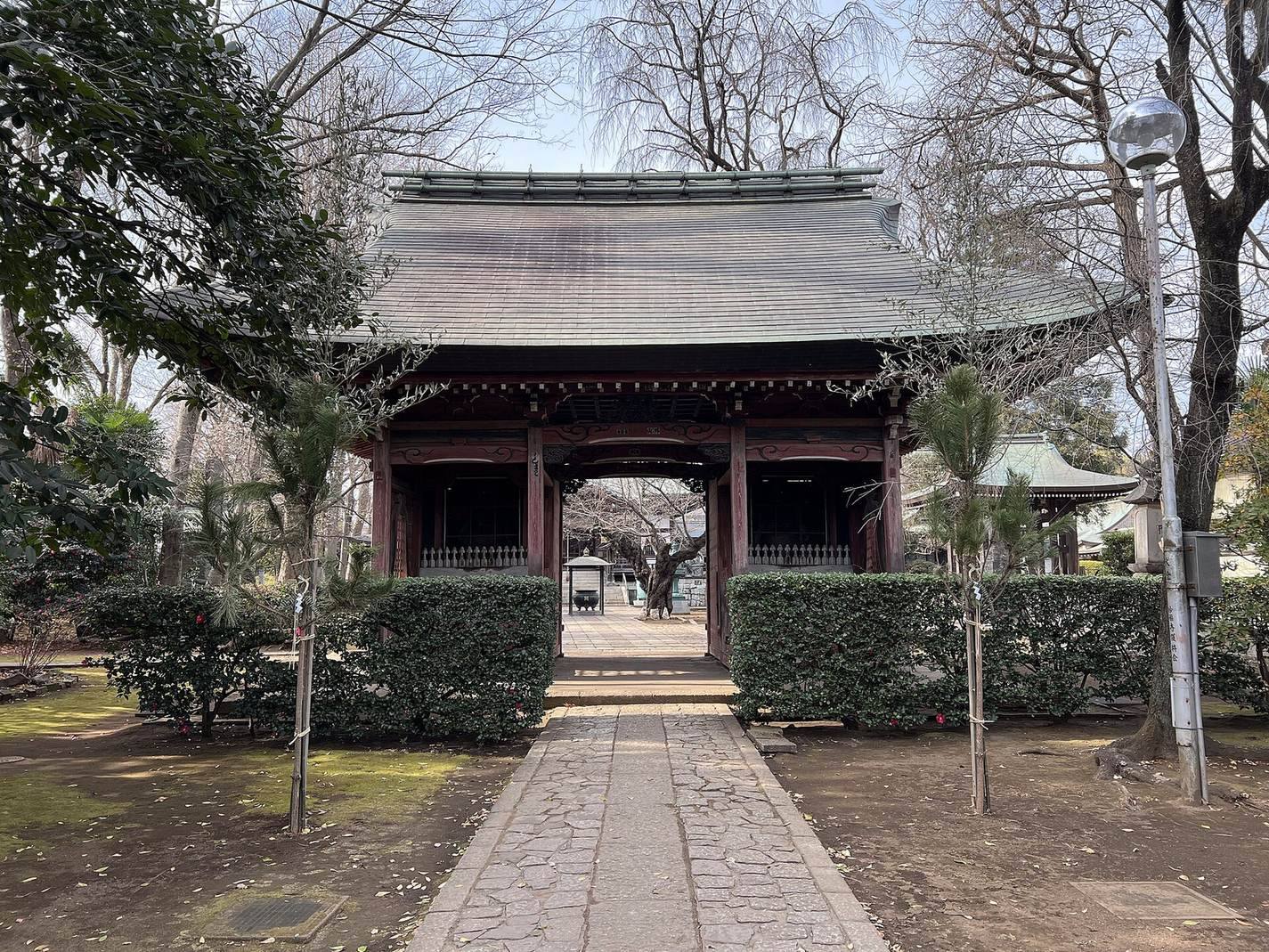
Myofuku-ji Temple in Minami-Oizumi, Nerima City, Tokyo, Japan, was founded in 850 by Ennin, a Japanese Buddhist monk of the Tendai school, a major tradition of Japanese Buddhism. It was first called the Great Enlightenment Temple on Jikaku Mountain.
Nichiren Conversion and New Affiliation
In 1282, a priest from the Nichiren school’s senior temple at Nakayama in Shimosa, a historical province in the region of present-day Chiba and neighboring areas, visited and preached to local people, including farmers. He established a Nichiren Buddhist hermitage at the site. In 1322, the Tendai temple’s abbot, following instruction from a priest of the Nakayama temple, joined the two institutions and converted the united temple to Nichiren Buddhism. He named it Myofuku-ji.
The temple’s traditional mountain title, a formal part of its name that need not refer to a mountain on its grounds, first meant “Dharma-Seed Mountain” and later became “Western Nakayama.” The change followed an arrangement under which the head of the Nakayama temple also served as Myofuku-ji’s chief priest. Myofuku-ji developed into a leading Nichiren temple in the area.
Tokugawa-Era Patronage and Later Reorganization
During the Edo period, the era of Tokugawa rule in Japan, the shoguns designated Myofuku-ji as a place of prayer and granted it land under red-seal authorization. The land had an assessed yield of 21 koku and 5 to, traditional measures of rice yield. In 1941, the Nichiren school dismantled its system of head temples and branch temples. Since then, the Nakayama temple has been described as Myofuku-ji’s former head temple, and Myofuku-ji as a former branch temple.