Motte Montferland: A Defensive Mound in the Netherlands
Site at a Glance
- Popularity
- Medium
- Country
- Netherlands
- Primary era
- Medieval
- Eras represented
- Medieval, Modern
- Civilizations
- Dutch, Holy Roman Empire
- Site type
- Military
- Remains
- Castle
On this page7 sections
History
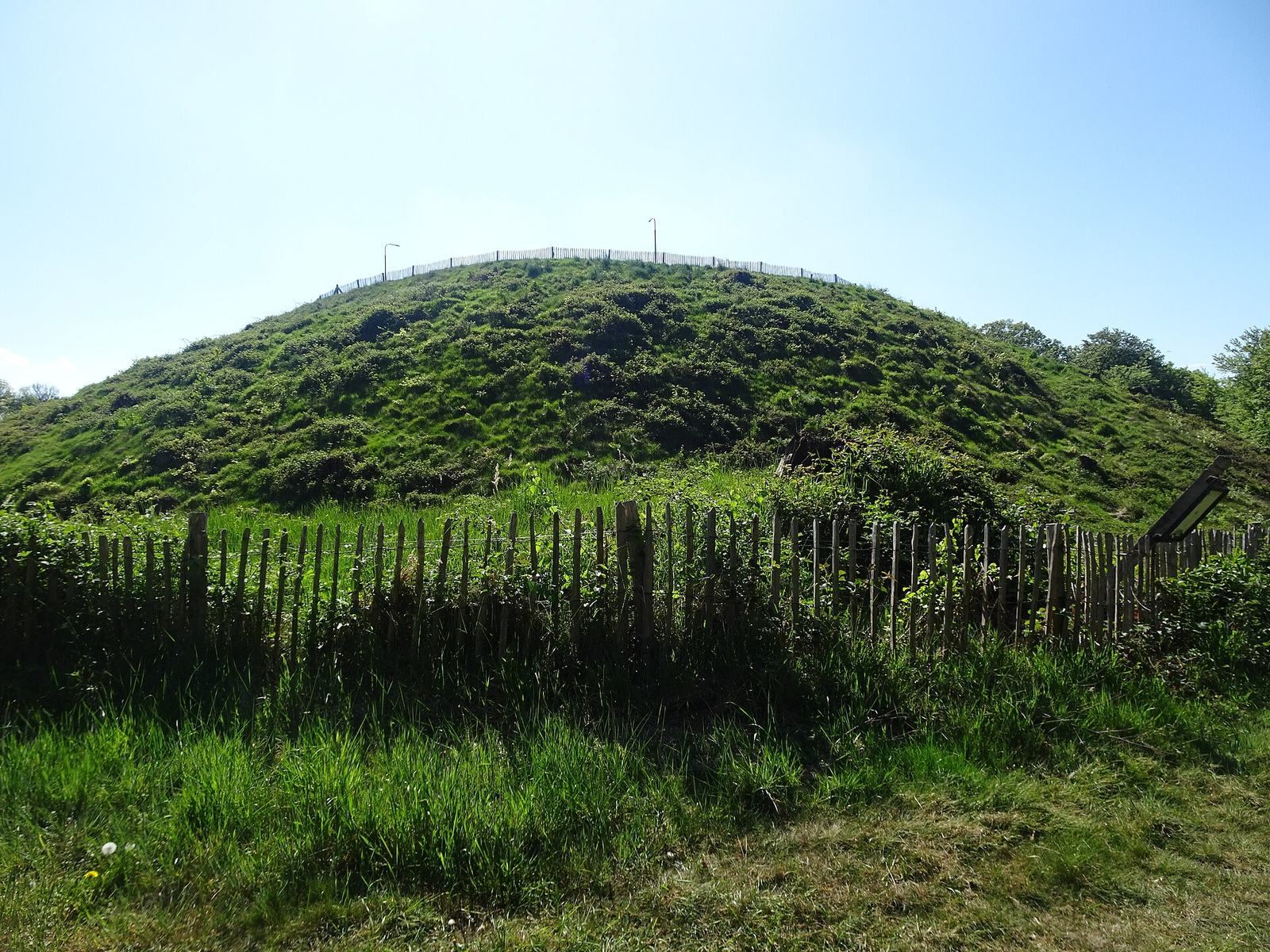
Motte Montferland is a motte, a raised defensive platform formed from an artificial or modified earthen mound, on Montferland hill in eastern Gelderland, Netherlands. It was raised around the year 1000 and may have been the mound of the former Castle Upladen.
In 1960, expansion of an inn on Montferland into a hotel gave Dutch archaeologist Jaap Renaud the opportunity to investigate the mound. Motte Montferland is designated a national archaeological monument.
Remains
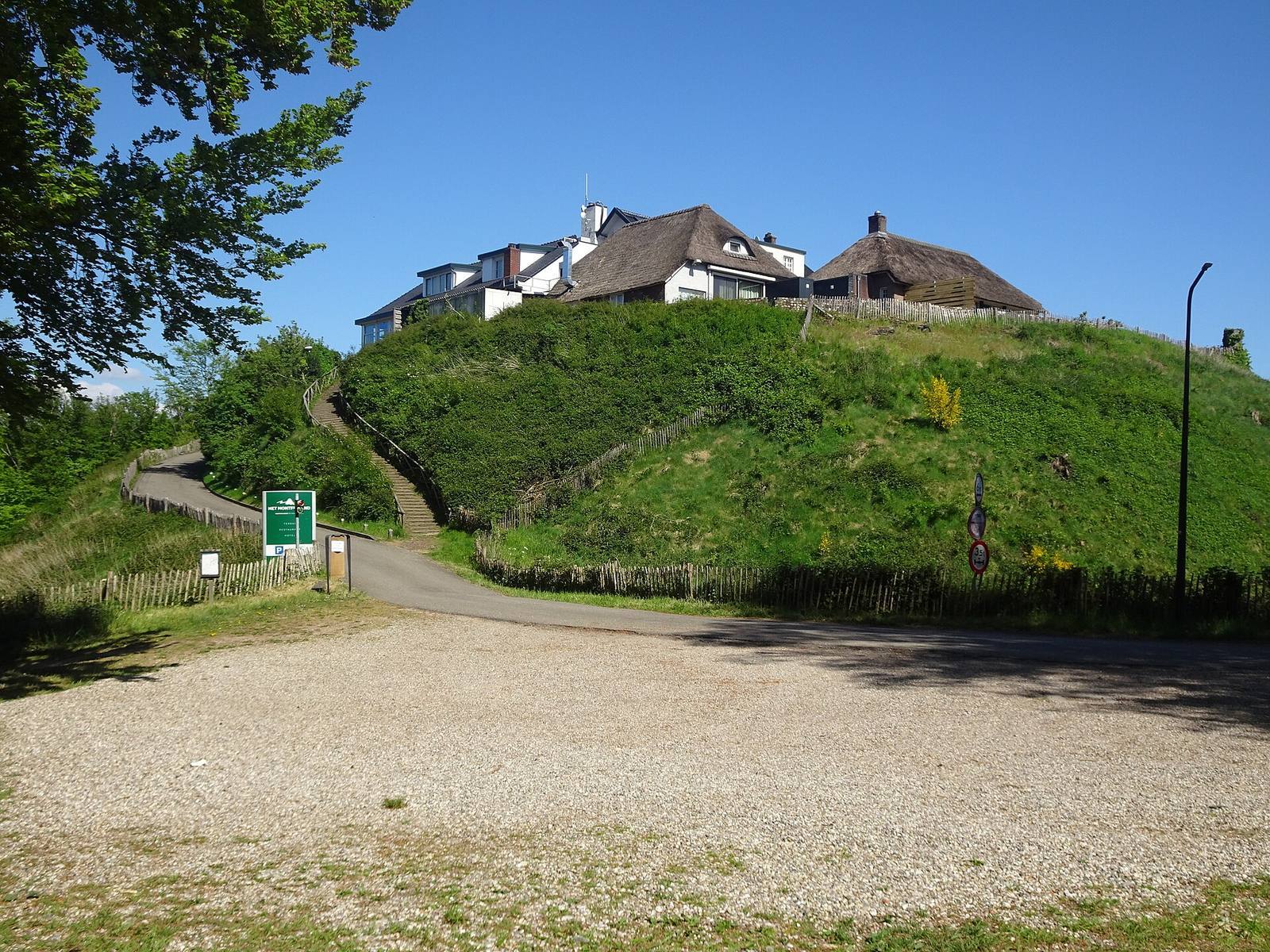
The site stands within the Montferland woodland, on a hill southwest of Zeddam and northwest of ‘s-Heerenberg. A dry moat and two earthen ramparts encircle the mound, which has a broad summit plateau.
Mound and earthworks
The hill reaches 66.8 metres above NAP, the Netherlands’ national vertical reference for elevation. The mound is 12 to 17 metres high, with at least its uppermost seven metres raised artificially. Its base measures 135 by 150 metres, while the summit plateau is 60 by 90 metres.
Stone tower remains
16-metre tower foundation
Investigation revealed the foundation of a tuff-stone tower measuring 16 by 16 metres. Tuff is rock formed from compacted volcanic ash. The tower had very thick walls.
Possible unfinished tower
Other walls on the plateau, 5.5 metres thick, belonged to a tuff-stone tower that may never have been completed.
Buildings and conservation
A hotel-restaurant and several outbuildings stand on the motte. In 2015 the mound was reinforced, with further improvements in 2016. The work included removing dead and fungus-damaged trees and altering the drainage.