Monte del Grano: A Roman Mausoleum Associated with Alexander Severus
Site at a Glance
- Rating
- 5
- Popularity
- Very Low
- Country
- Italy
- Primary era
- Classical
- External website
- Open
- Eras represented
- Classical
- Civilizations
- Roman
- Site type
- Burial
- Remains
- Tomb
On this page6 sections
History
Roman origins and imperial attribution
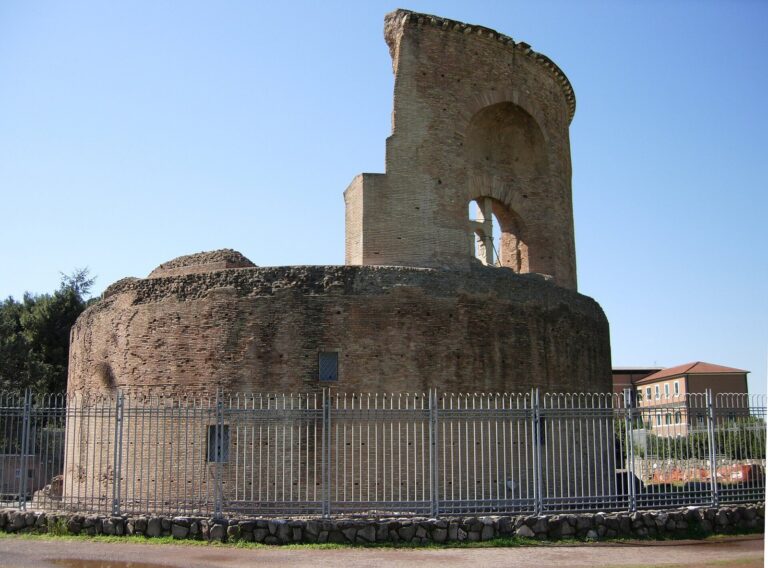
Monte del Grano is a Roman mausoleum in Rome, Italy, associated with Emperor Alexander Severus. It is generally dated to the third century AD and described as Severan in style, referring to the dynasty founded by Septimius Severus. Alexander ruled from AD 222 to 235. Brick stamps indicate that the structure was built in the second century, raising doubts about its identification as Alexander’s tomb. Later research by Erminio Paoletta concluded that it was certainly the emperor’s burial place.
Name, discovery, and later history
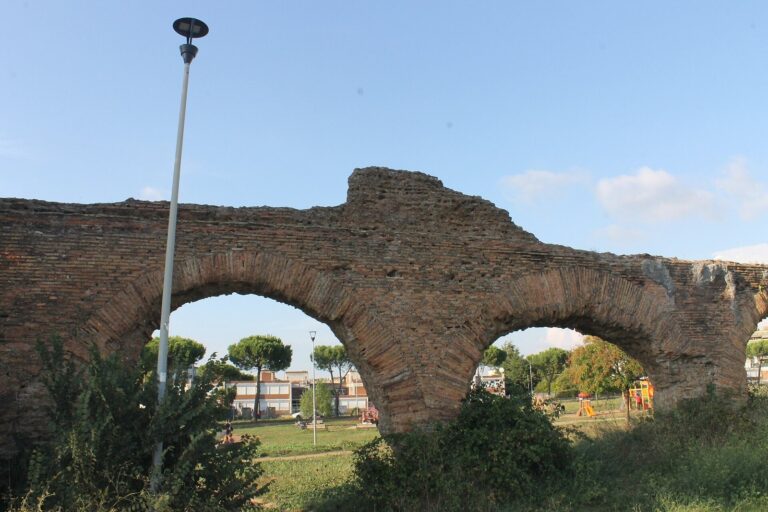
The name Monte del Grano appears by 1386. A proposed origin is the Latin modius grani, meaning a measure of grain, linked to the mound’s shape after its travertine blocks were removed in 1387 for conversion into lime. That removal is attributed to Nicolò Valentini, a Venetian nobleman. The mausoleum belonged to the Casale delle Forme estate; forme referred to parts of aqueduct structures in the Tuscolano area. Other names used for the site include Monte di Onorio, Monte di Nori, and lo Montone del Grano.
The mausoleum came to light in the sixteenth century, revealing an Attic sarcophagus. A popular legend held that the mound had once been grain, turned into earth as divine punishment because it had been harvested on a Sunday, a day of rest. The name’s association with grain also fits the agricultural associations of place-names in Quadraro. The adjacent park, once called Monte del Grano, is now named Parco XVII Aprile 1944 in memory of the Quadraro roundup, a mass arrest carried out in the Rome district in April 1944 during World War II.
Remains
Mausoleum and mound
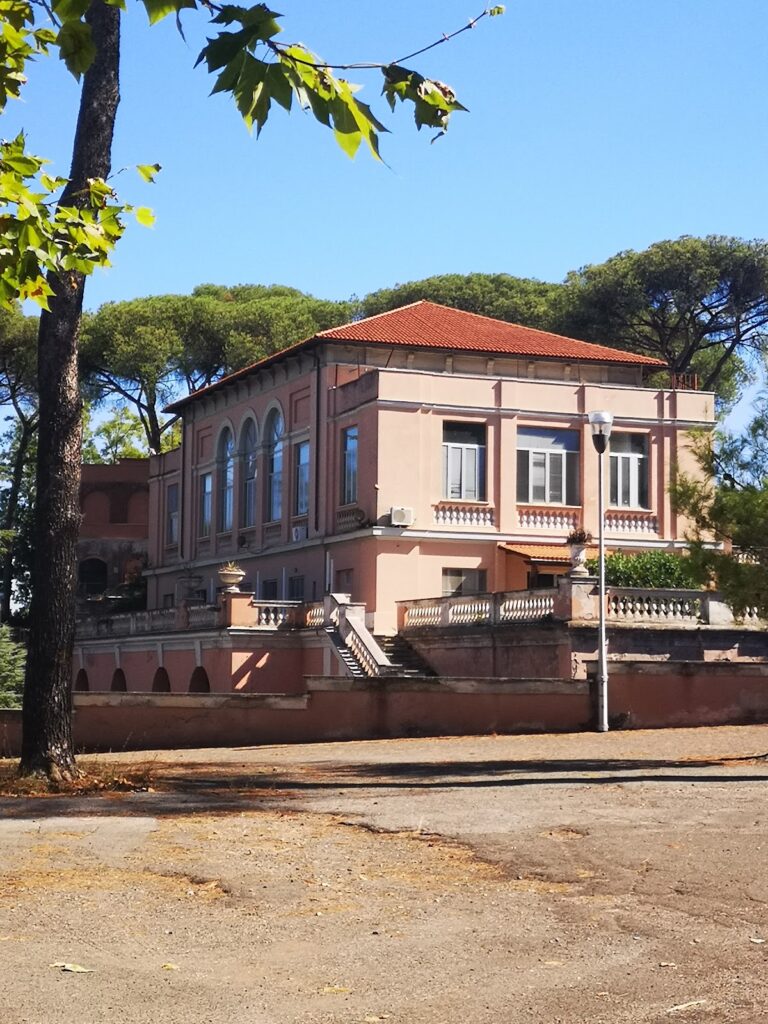
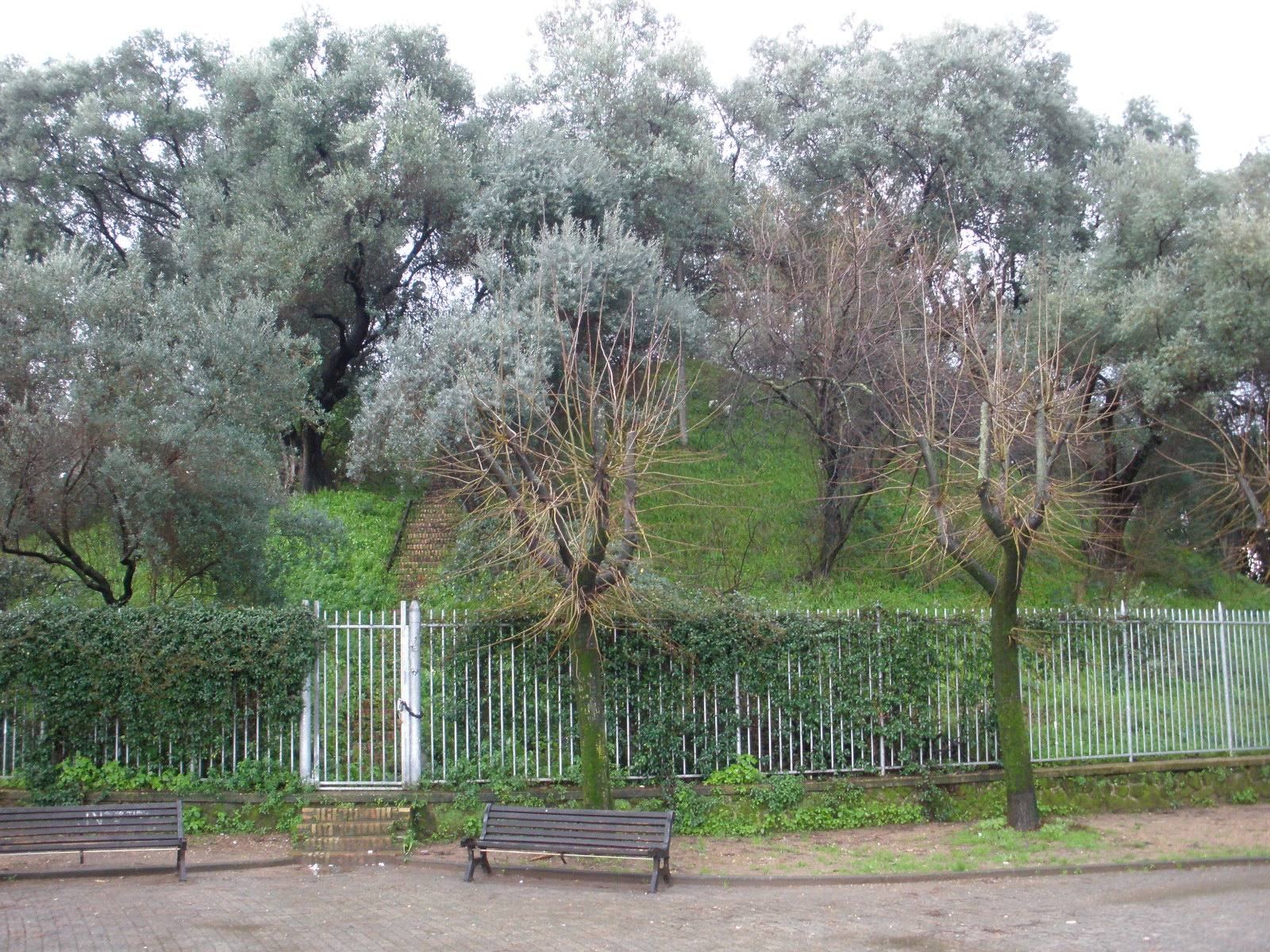
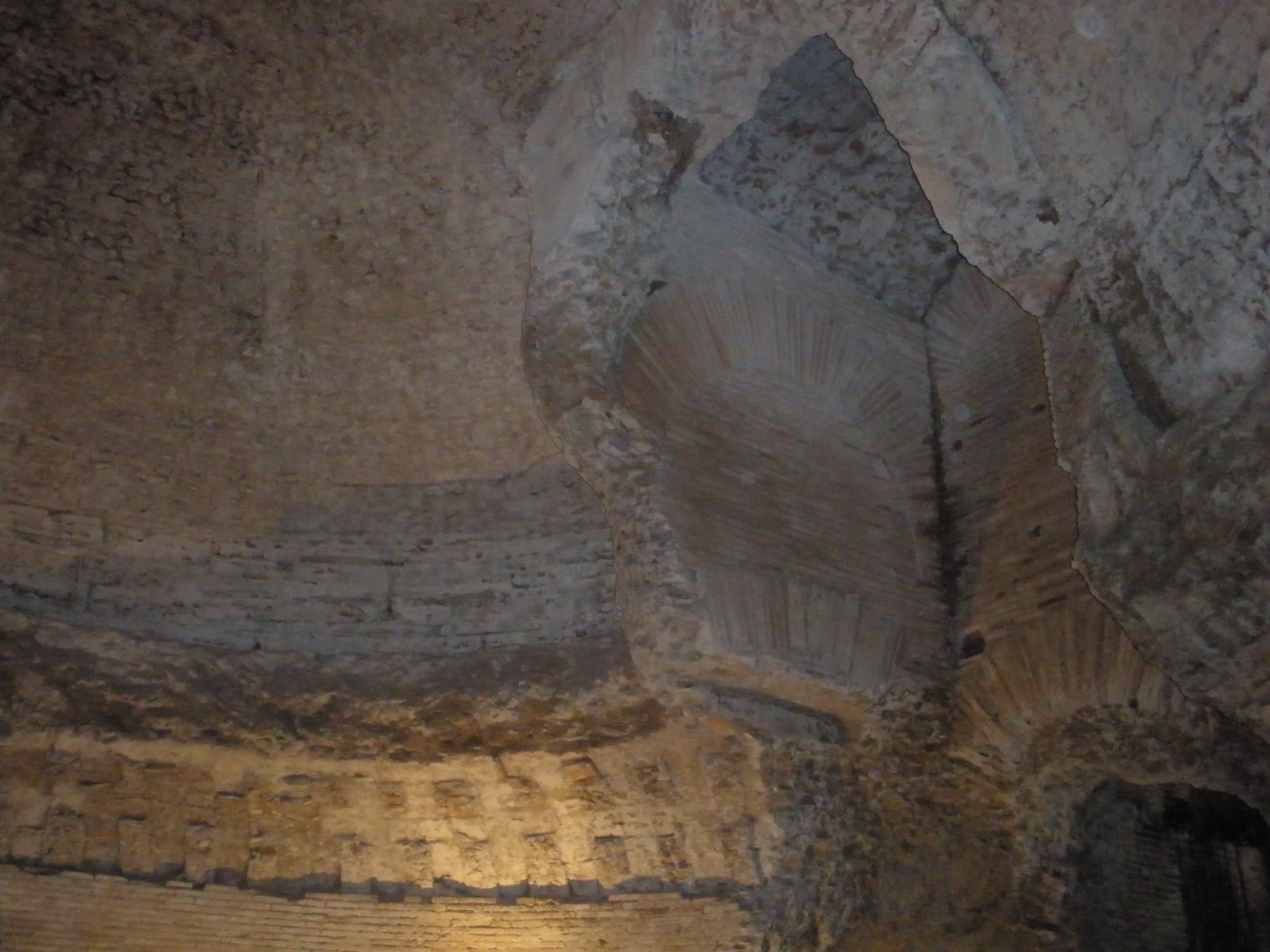
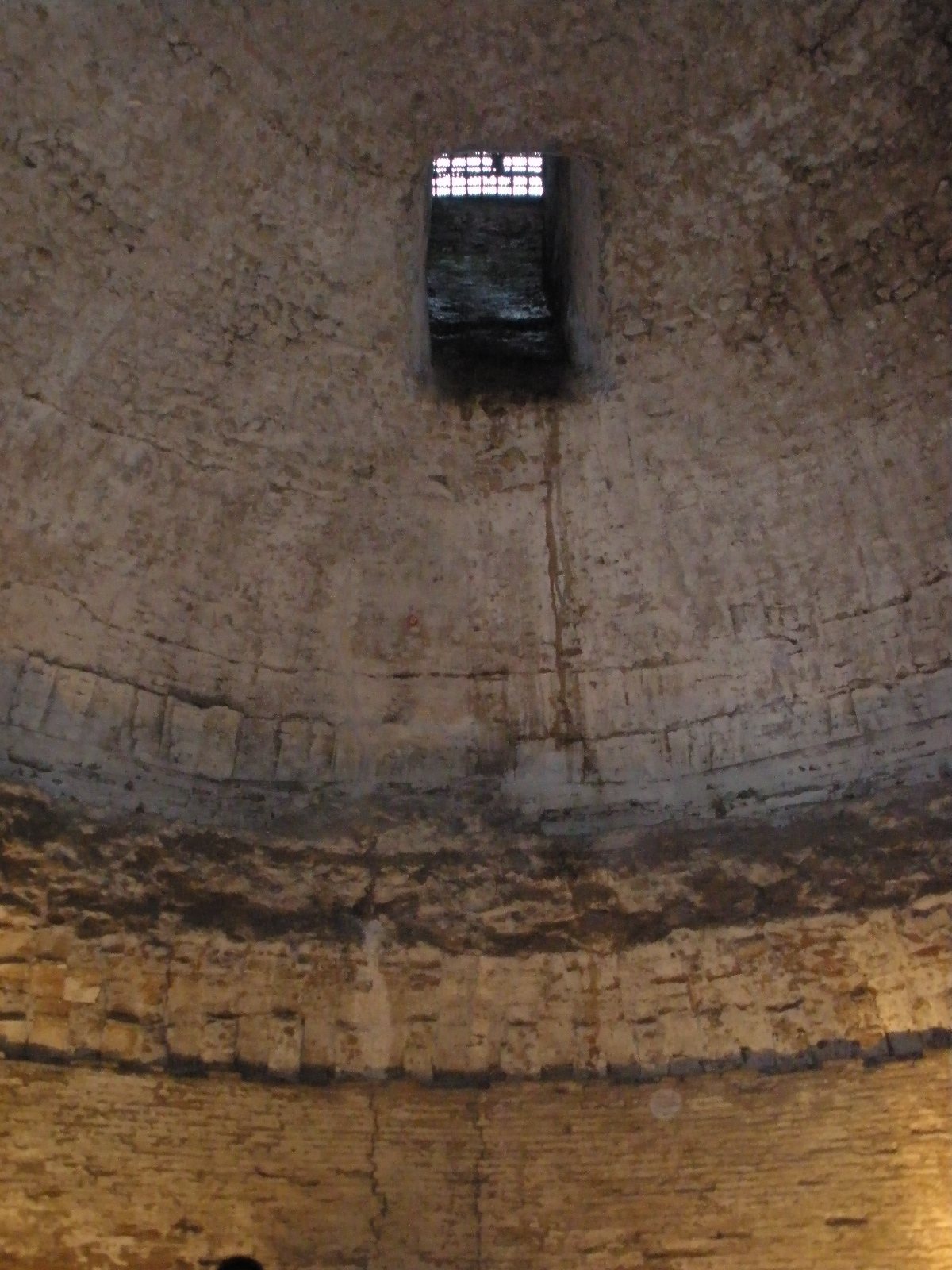
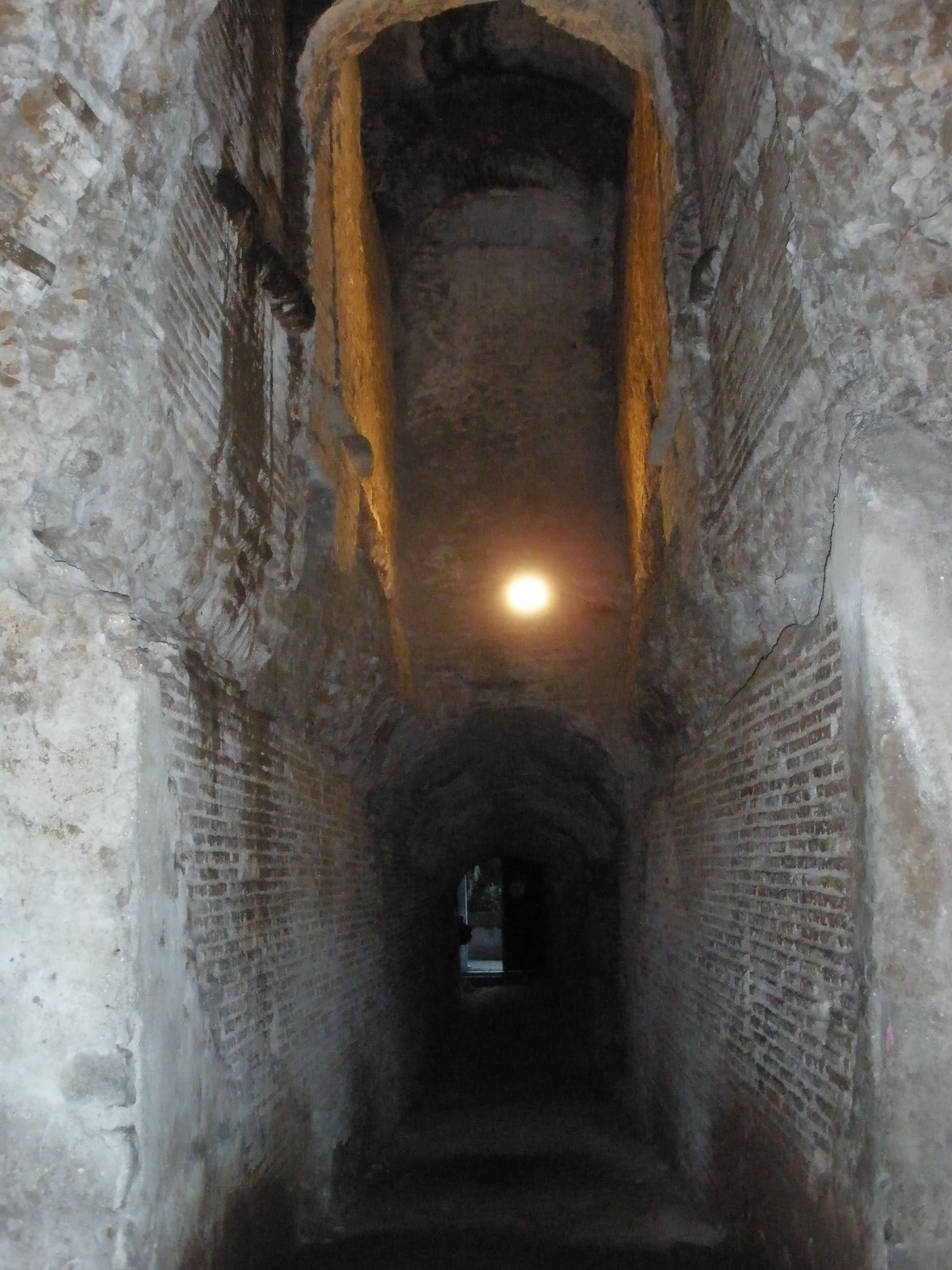
Built partly below ground from stone blocks, the mausoleum was covered by an artificial, vegetated mound, a form associated with Etruscan and later Roman imperial tombs. It once formed part of a large suburban necropolis. An entrance corridor about 21 metres long leads to a circular chamber roughly 10 metres across, originally arranged on two levels. The mound rises about 12 metres. Today the mausoleum lies within Parco XVII Aprile 1944 in Rome’s modern Tuscolano district, where the mound survives as an abandoned hillock partly obscured by nearby buildings erected in the 1970s.
Sarcophagus and associated vessel
The Attic sarcophagus found inside the mausoleum bears scenes from the Greek myth of Achilles, who was concealed on the island of Skyros. Two reclining figures in an Etruscan style surmount it and have been identified as Alexander Severus and his mother, Julia Avita Mamaea, a member of the imperial family. The sarcophagus is now in the ground-floor rooms of the Palazzo dei Conservatori, part of the Capitoline Museums. The Portland Vase, a vessel of the Augustan period, may have been found inside the sarcophagus.