Montacute Priory: A Cluniac Benedictine House in Somerset
Site at a Glance
- Rating
- 3
- Popularity
- Very Low
- Country
- United Kingdom
- Primary era
- Early Modern
- Eras represented
- Medieval, Early Modern
- Civilizations
- English
- Site type
- Domestic
- Remains
- House
On this page8 sections
History
Foundation and Cluniac affiliation
Montacute Priory was a Benedictine monastery in Somerset, United Kingdom. Its monks followed the tradition associated with Cluny Abbey in France, known as the Cluniac tradition. William, Count of Mortain, a Norman nobleman and nephew of William the Conqueror, founded the priory between 1078 and 1102. He did so under threat that the king would take his land if he failed to establish it. The priory remained Cluny Abbey’s only dependency in Somerset until it became independent in 1407.
Community and landholdings
The Domesday Book, a survey of English landholding compiled in 1086, recorded five manors at Mudford. In 1192 the largest manor, together with its church, was granted to the priory. The settlement became known as Mudford Monachorum and was centered on what is now the hamlet of Up Mudford. The priory’s community reached 25 monks in 1262.
In 1339 the priory granted the village’s Church of St Mary to the Bishop of Bath and Wells. Its holdings also included the Church of St Michael at Creech St Michael from 1362, Tintinhull Court and land in that village, and a dependent cell at Kerswell near Cullompton in Devon. The priory’s properties extended to Sampford Peverell and Holcombe Rogus.
Dissolution and later use
The priory was dissolved in 1539, when its community consisted of a prior, the head of the house, and 16 monks. It was briefly restored during the reign of Mary I, England’s Catholic queen. After its dissolution, the property became a farmhouse. By 1633 it was described as almost desolate, while by 1782 it had become a revitalized farm. The property remained part of the Phelips estate until 1918. Abbey Farmhouse is Grade I listed, England’s highest listed-building category, reserved for buildings of exceptional interest.
Remains
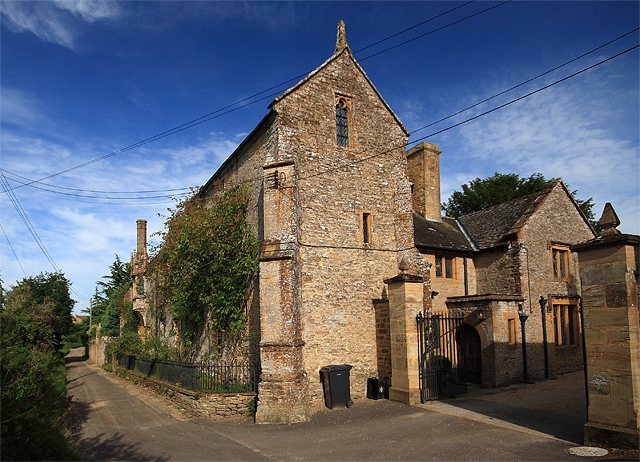
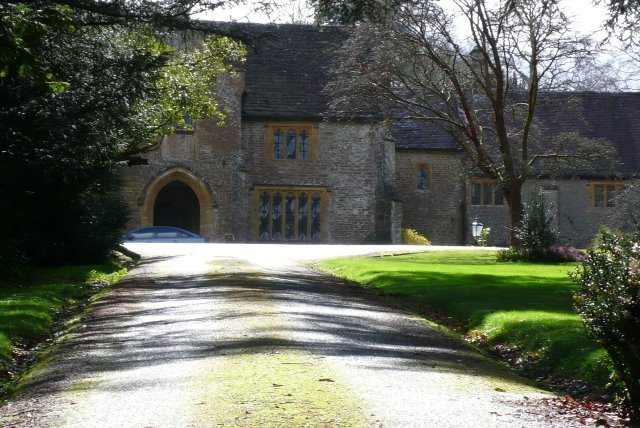
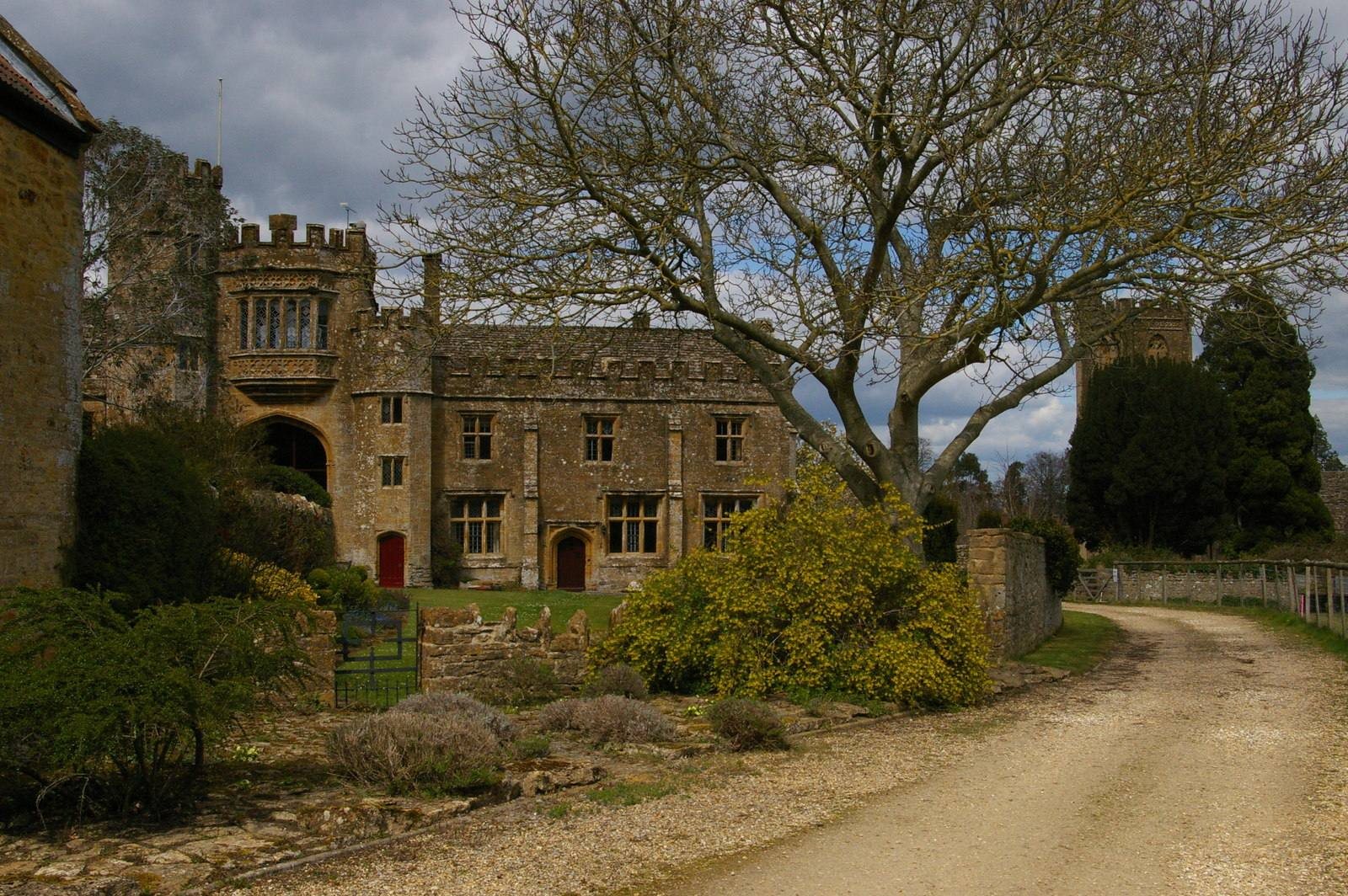
The surviving remains comprise Abbey Farmhouse, which incorporates the priory gateway, and earthworks about 90 metres east-southeast of the house.
Buildings and earthworks
Abbey Farmhouse
Built in the sixteenth century, Abbey Farmhouse incorporates the priory’s gateway, preserving part of the earlier religious complex within a later building.
Earthworks and fishpond
The earthworks may represent the priory’s claustral range, the group of monastic buildings associated with a cloister. They include a fishpond.