Monastery of Saint John the Baptist, Stemnitsa: An Orthodox Monastery in Greece
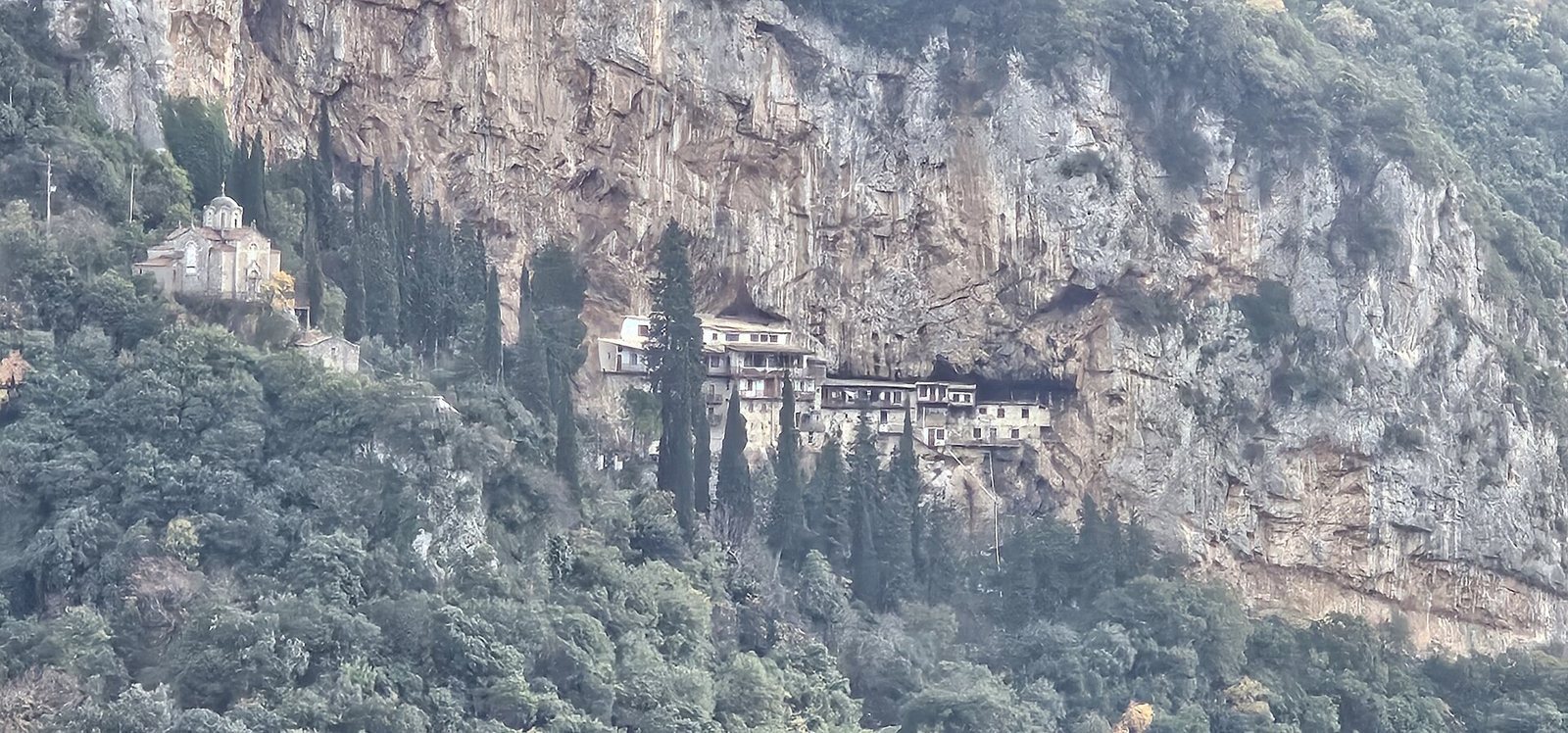
Site at a Glance
- Popularity
- High
- Country
- Greece
- Primary era
- Early Modern
- Eras represented
- Early Modern, Modern
- Civilizations
- Greek, Ottoman
- Site type
- Religious
- Remains
- Monastery
On this page8 sections
History
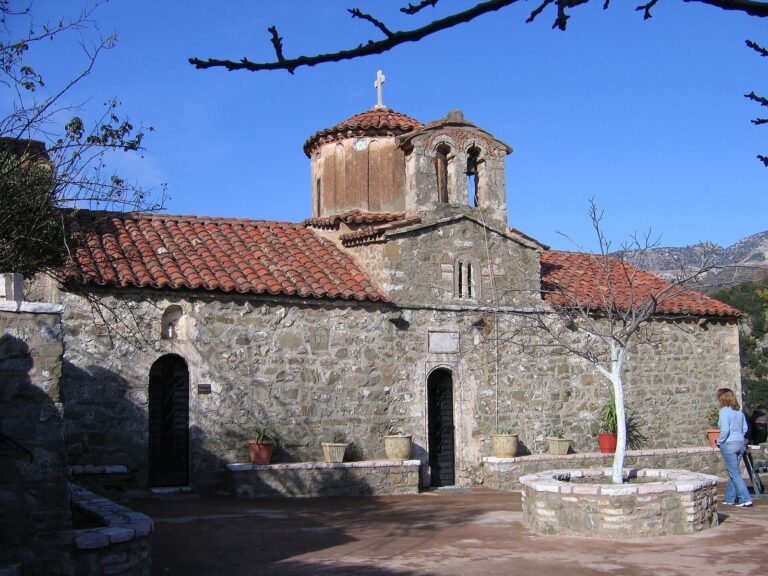
The Monastery of Saint John the Baptist at Stemnitsa is an Orthodox men’s monastery in Arcadia, Greece. It is dedicated to John the Baptist, also called the Forerunner in Orthodox tradition for announcing Christ.
Origins and monastic life
A tradition places the monastery’s foundation in 1167 and credits Byzantine emperor Manuel Comnenus, ruler of the Eastern Roman Empire. The present monastery, however, was more likely established in the sixteenth century. Monastic life had taken root in nearby hermitages during the twelfth century, and their communities joined around the end of the sixteenth century under a shared monastic rule.
The monastery belongs to the Diocese of Gortyna and Megalopolis, a church district overseen by a bishop. The nearby Monastery of Philosophou is subordinate to it. Athanasios of Christianoupolis, an Orthodox bishop and saint, lived around the beginning of the eighteenth century and was buried at the monastery after his death.
War and suppression
During the Greek War of Independence in 1821, the struggle to end Ottoman rule in Greece, the monastery provided refuge.
A royal decree suppressed the monastery in 1834 as part of a wider dissolution of small monasteries. It resumed activity in 1838.
Remains
Setting and buildings
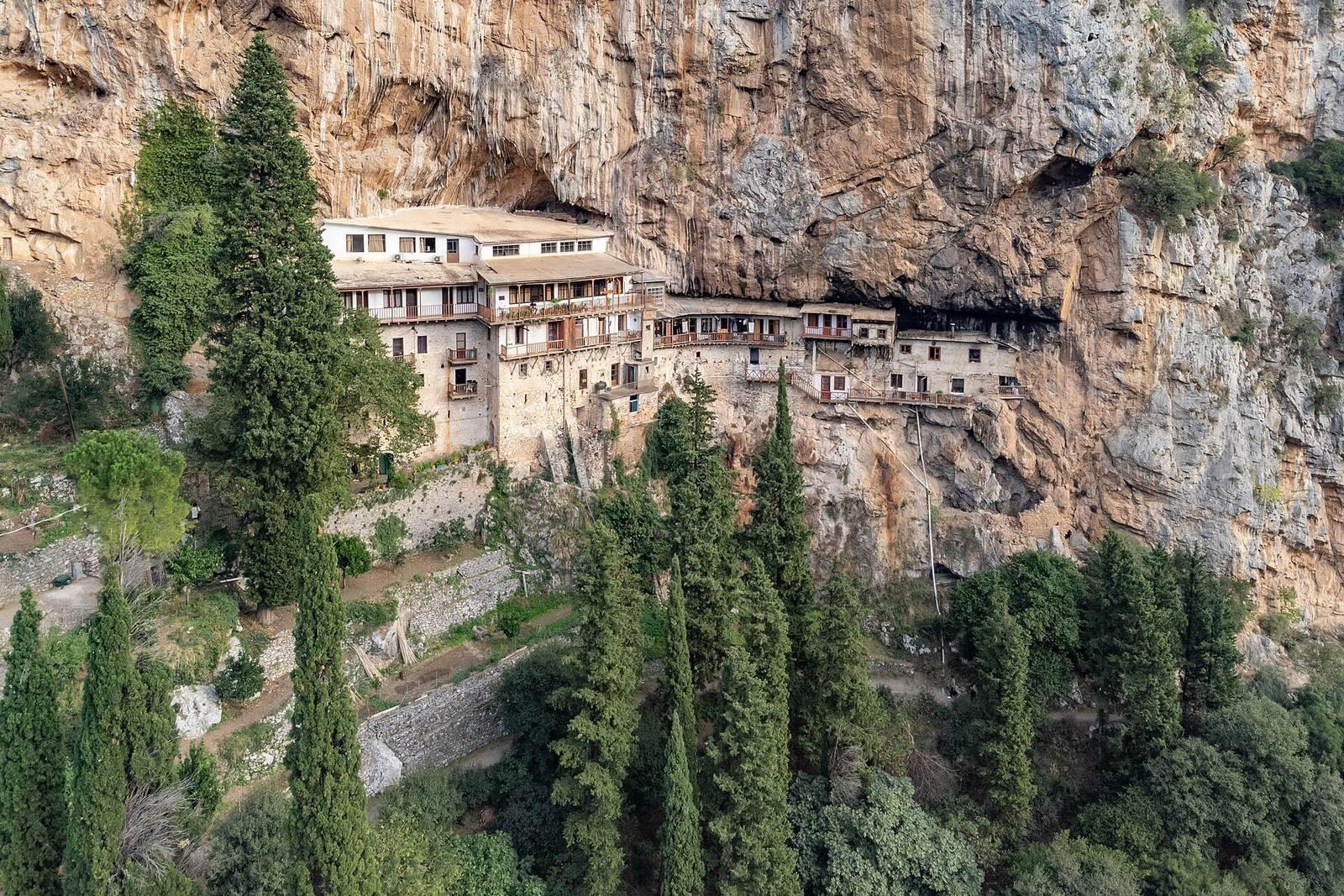
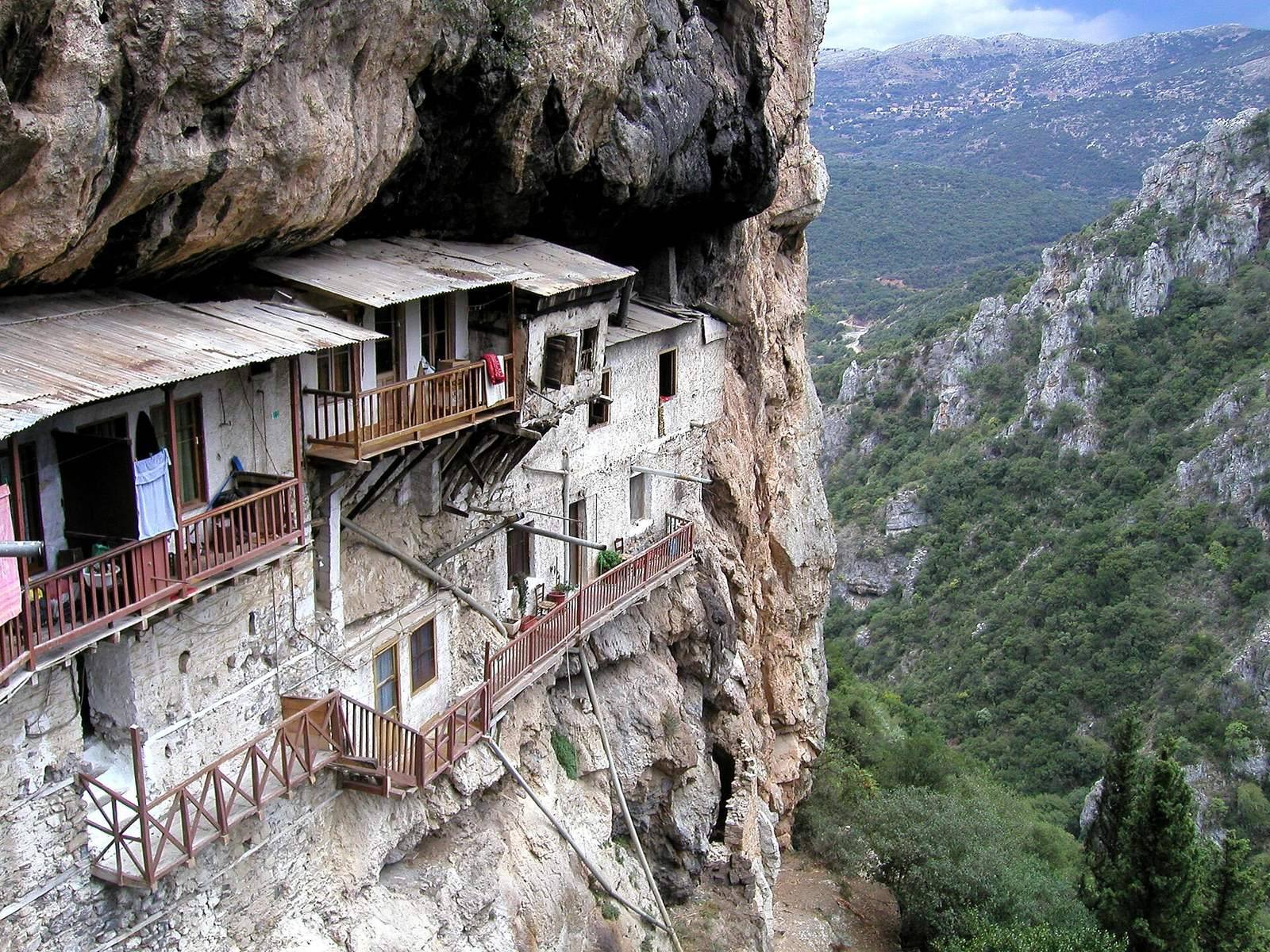
The monastery occupies a recess in the eastern cliff of the Lousios Gorge, on the river’s eastern side between Stemnitsa and Dimitsana. At an elevation of 520 metres, it stands about 200 metres above the riverbed and is known as Arcadia’s “Great Cave.” Two principal buildings form the complex: an older building to the east and a newer one to the north, dated to 1860. Balconies extend high above the gorge.
Churches
Oldest church
The monastery’s main church is a basilica with a single nave, the central space used by the congregation. The oldest church is very small, measuring 2.25 by 4.90 metres, and is set against the rock face. Its icon screen, a partition bearing icons between the sanctuary and nave, is angled about 45 degrees across the space, a layout attributed to the restricted room. Frescoes painted directly onto the rock date to the late sixteenth or early seventeenth century.
Church of Athanasios of Christianoupolis
A second church, built in 1911, stands apart from the other monastery buildings. It is dedicated to Athanasios of Christianoupolis.