Moheda Church: A Romanesque Parish Church in Sweden
Site at a Glance
- Popularity
- Very Low
- Country
- Sweden
- Primary era
- Medieval
- Eras represented
- Medieval, Early Modern, Modern
- Civilizations
- Swedish
- Site type
- Religious
- Remains
- Church
On this page9 sections
History
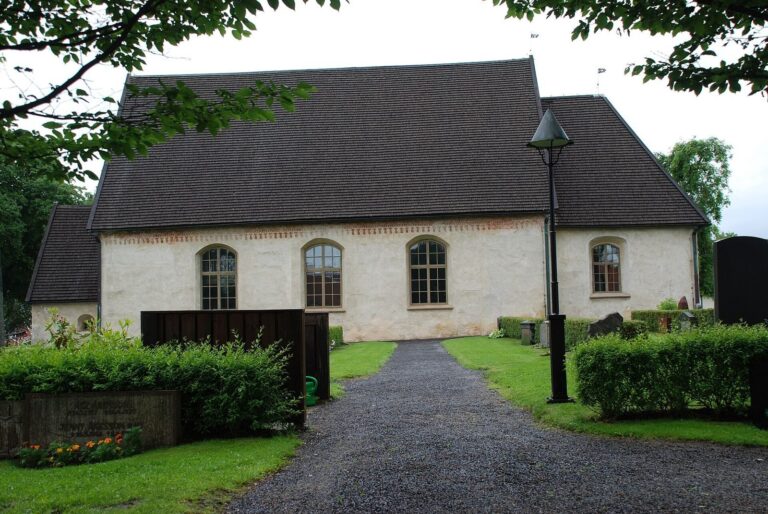
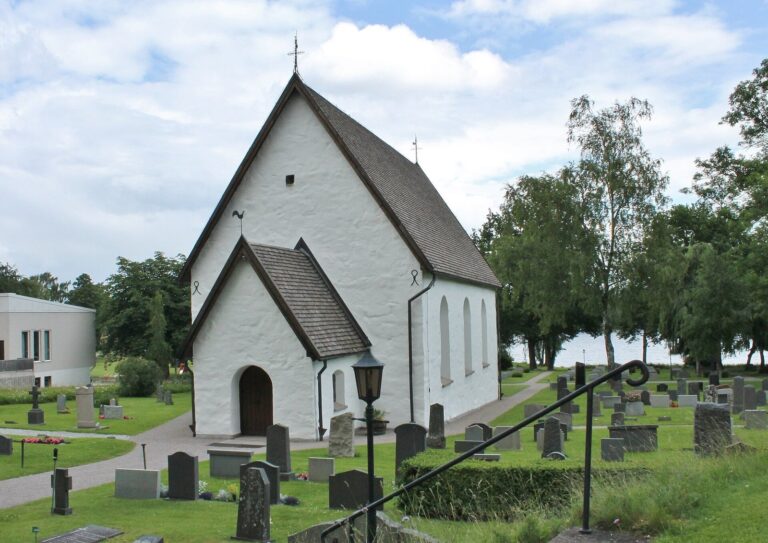
Moheda Church is a Romanesque parish church in Moheda, Sweden, belonging to Moheda Parish in the Diocese of Växjö, a regional church jurisdiction within the Lutheran Church of Sweden. Its building dates to the late 12th century, probably around 1200, and the church was consecrated during the 12th century. Romanesque is a medieval architectural style.
Medieval building and alterations
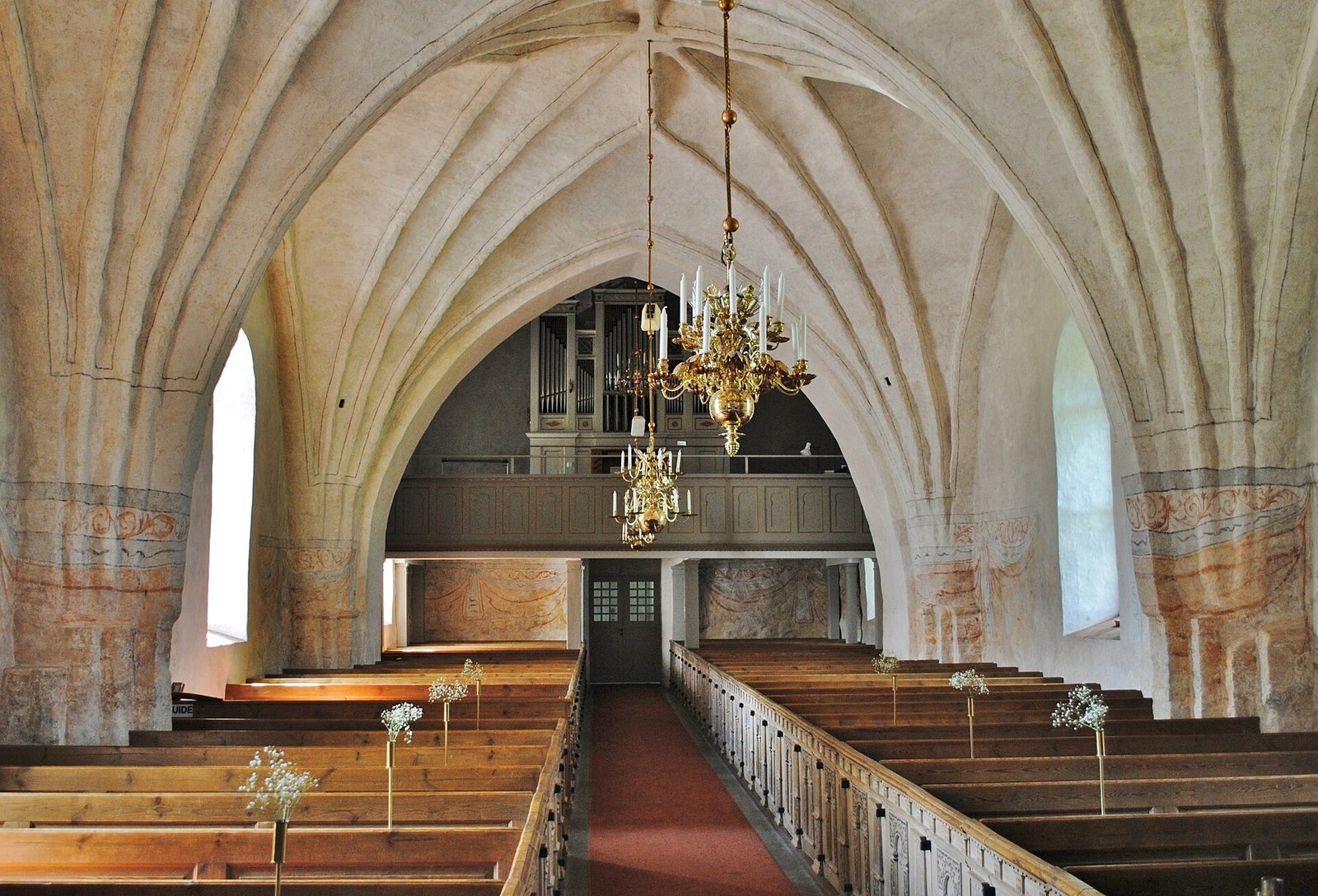
The earliest church had no apse, a projecting end of a church, tower, porch, or sacristy. An apse was added soon afterward. A tower followed at the west end during the late medieval period, and star vaults, whose ribs form a star-like pattern, were installed toward the end of the 15th century.
Bell towers and later changes
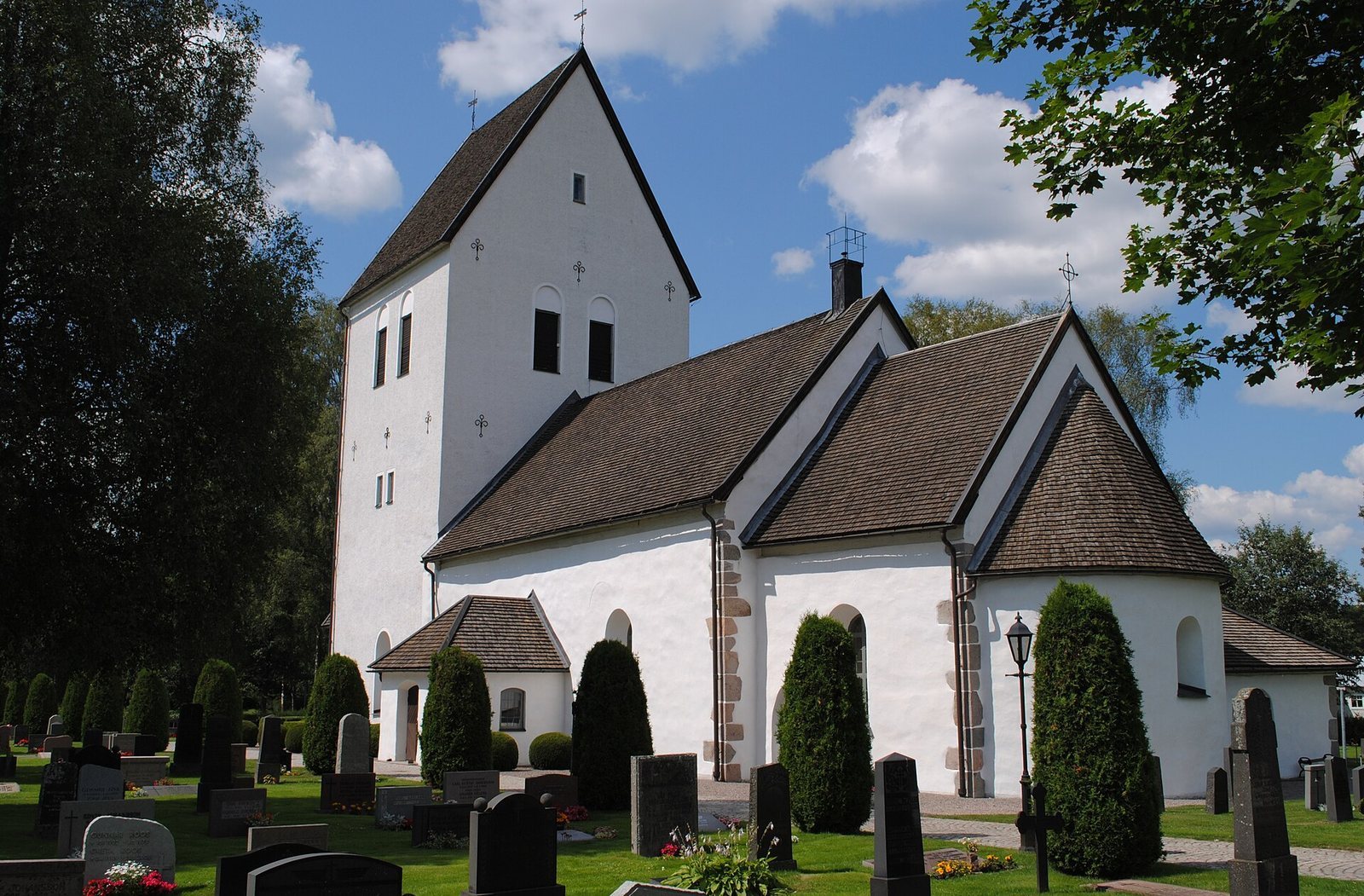
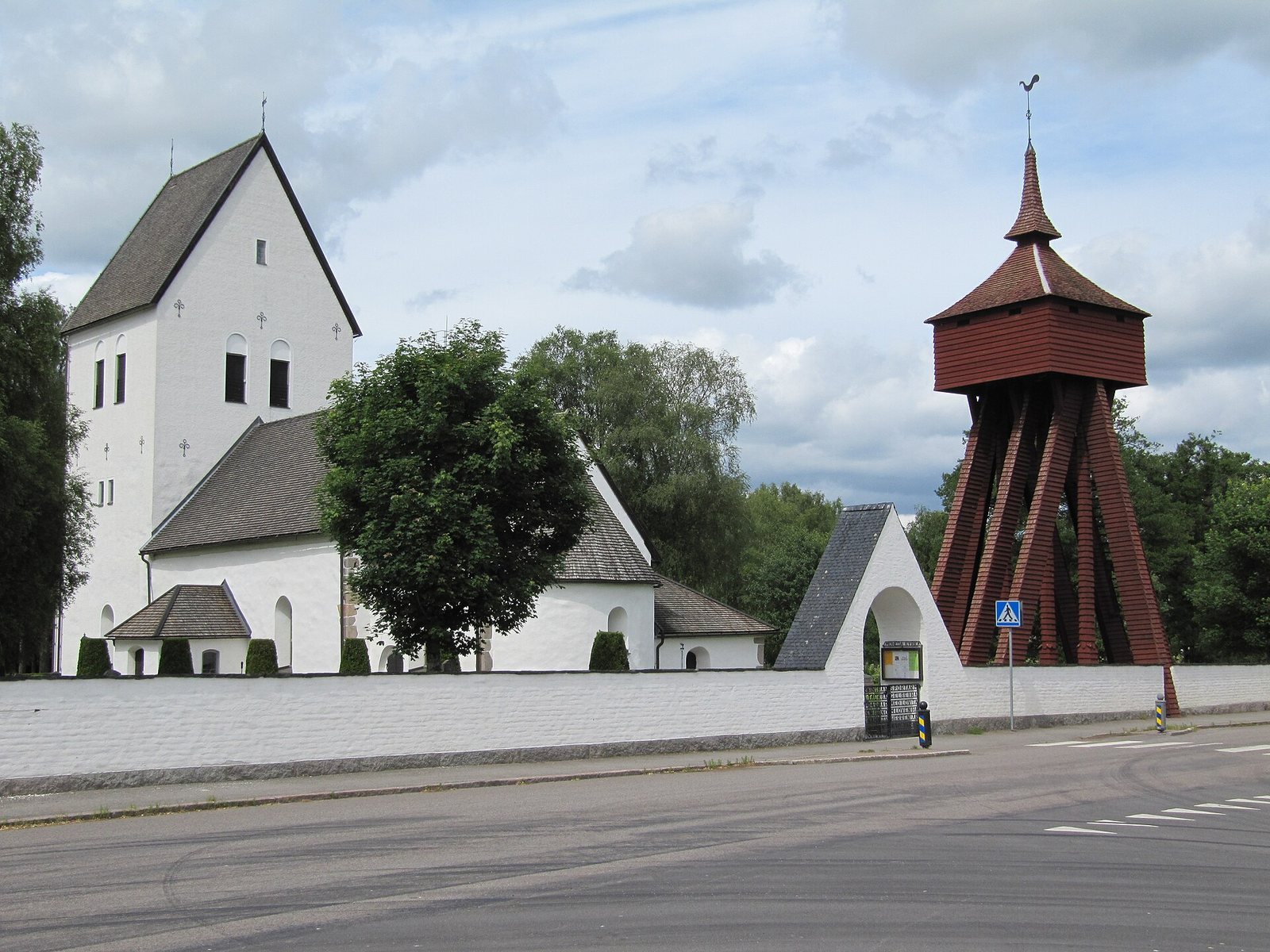
A separate bell tower was built east of the church in 1665. In 1914–1915, the church’s tower was raised to its present height, and the bells were transferred into it. A porch was also added west of the tower. The freestanding tower remained without a bell until one was installed there in 1956.
Renovation and discovery
Work in 1956–1957 revealed painted decorations from the 17th century on the church walls. During a major facade renovation in 1994, nearly all the plaster was removed, exposing evidence of the building’s successive phases. The facade was replastered with markings to distinguish those phases.
Remains
Plan and exterior
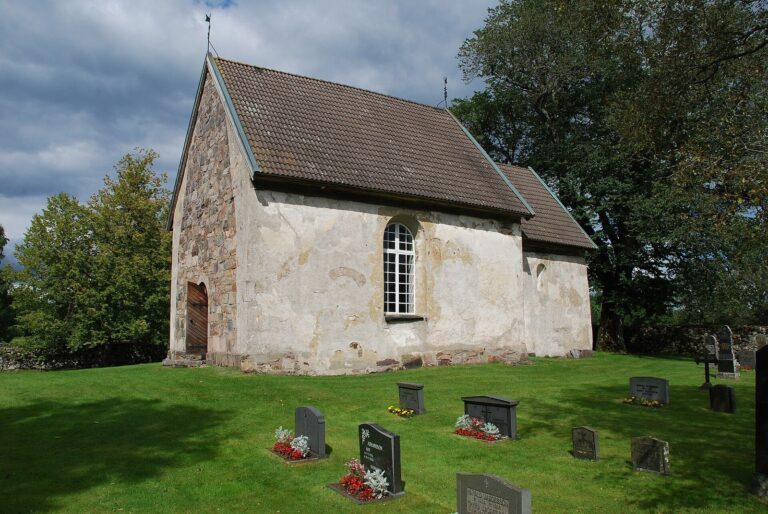
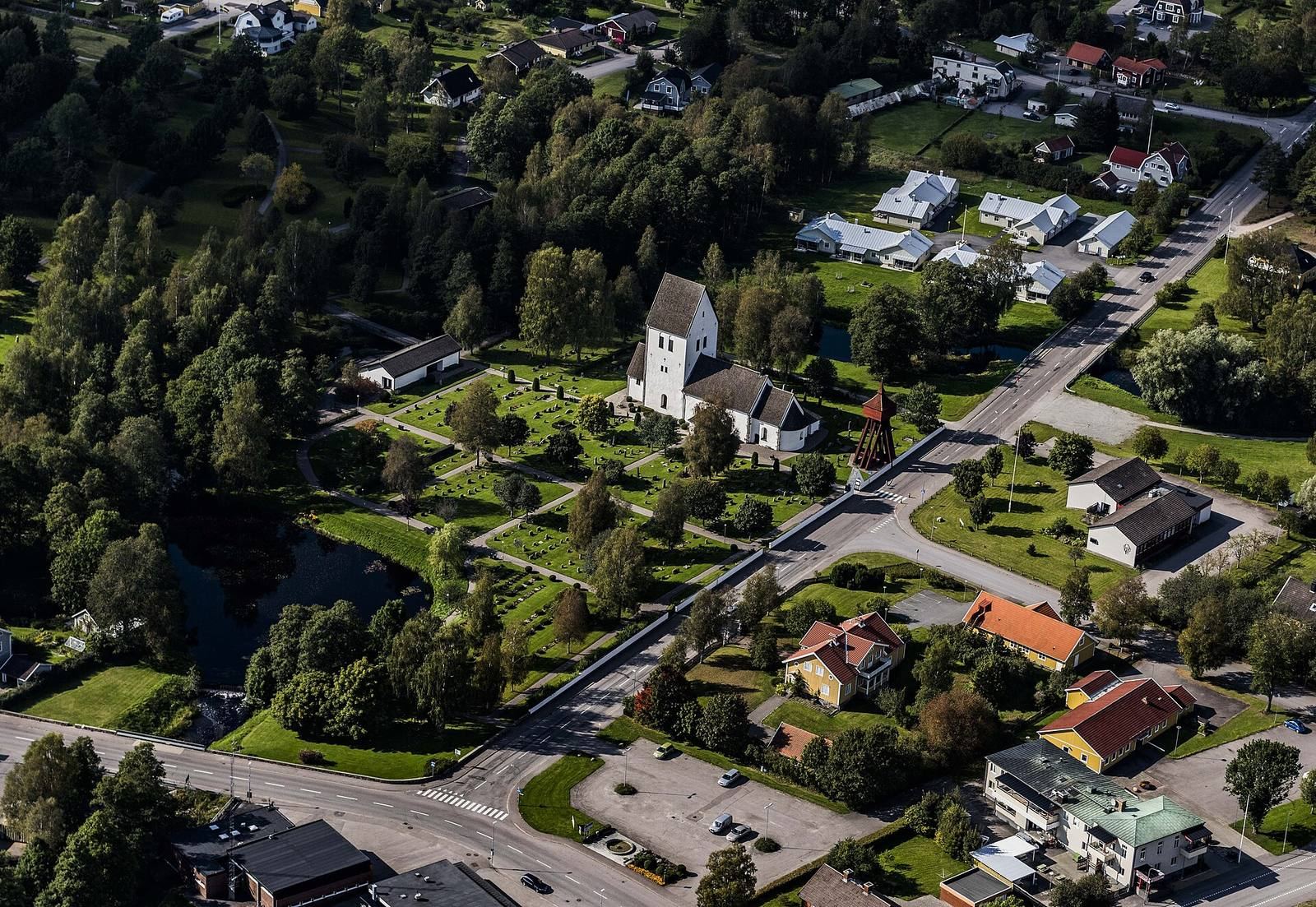
The church stands beside the Moheda River within a cemetery park. Its eastern apse has a dome-shaped vault, while the church has a western tower and star-patterned vaults. The present porch is west of the tower, and the separate bell tower stands east of the church. Markings in the facade plaster distinguish different construction phases. A carefully dressed stone block carved with a checkerboard pattern was found in the church wall during the 1994 renovation. It points to a close connection with medieval carvers and masons associated with North Jutland in Denmark. Comparable stonework occurs in only a few Swedish churches, including Växjö Cathedral.
Interior fittings
The baptismal font, made of Scottish sandstone in 1947, was designed by Gunnar Torhamn. A triumphal crucifix, meaning a crucifix placed at or near the arch separating the nave from the chancel, was installed there in 1998; its figure of Christ dates to the latter part of the 15th century. The pulpit dates to around 1800. The well-preserved closed pews, fitted with doors, are from the late 17th century and were cleaned with lye in the 1950s. Of the church’s five chandeliers, the oldest is brass and dates to 1692. The church also has a ceremonial vestment made in 1758 by Stockholm court embroiderer Christoffer Sergell, father of sculptor Johan Tobias Sergel, and an 18th-century pole once used to wake people during services.
Organs
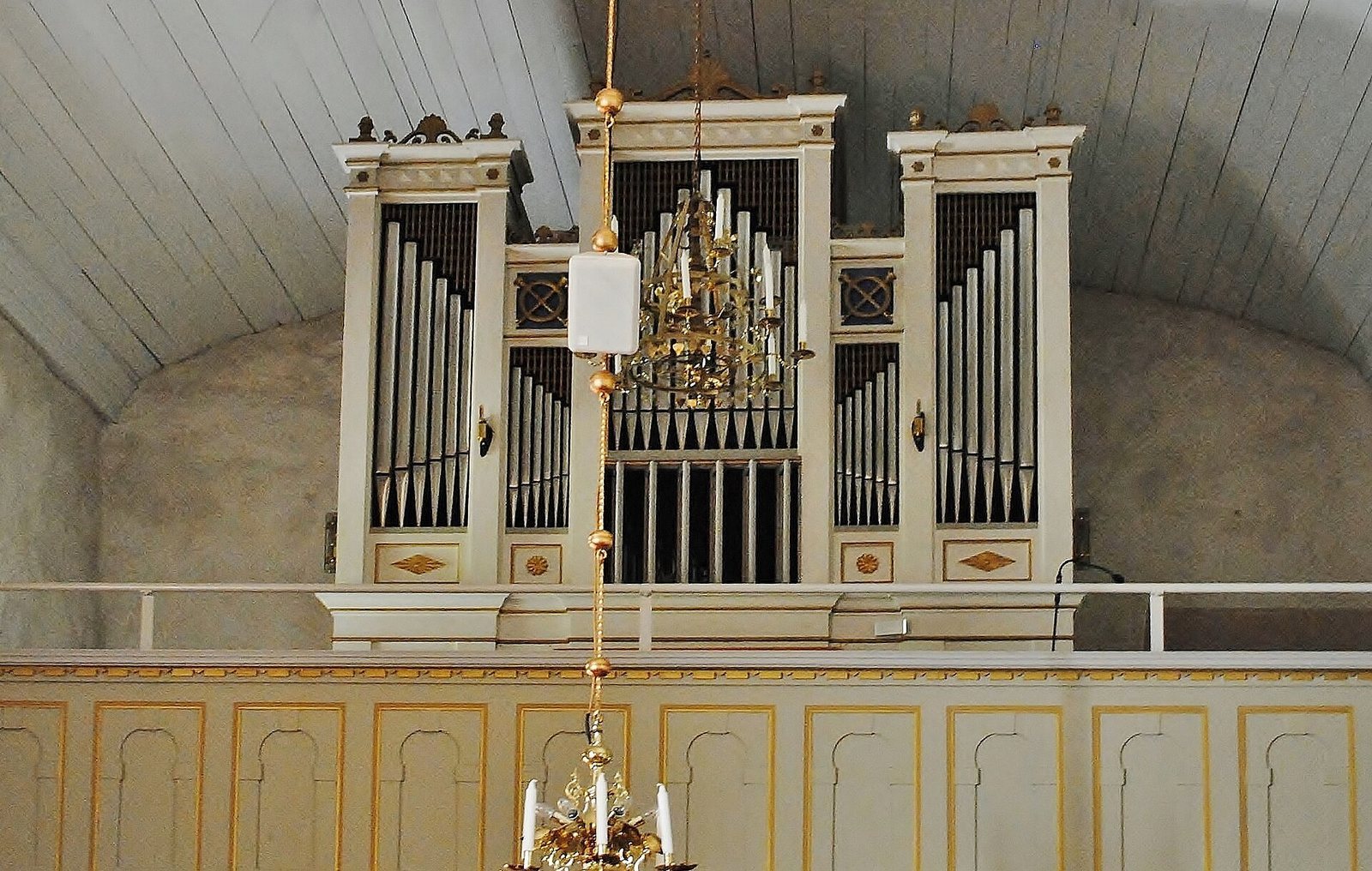
The organ inventory includes a nine-stop organ, with nine selectable sound registers, dated 1735/1745 and made by Lars Solberg of Norra Sandsjö. A ten-stop organ was made by Emil Wirell of Växjö in 1915. Olof Hammarberg of Gothenburg built the 17-stop mechanical organ added in 1961. A five-stop choir organ, built in 1983 by Västbo Orgelbyggeri, is now in the parish hall.
Parish church museum
The parish hall, a short distance from the church, houses a museum of church objects. Its holdings include fragments of a medieval baptismal font of the Njudung Master type, an art-historical label associated with medieval stonework from the Njudung region. Other preserved objects include parts of a gallery front, an alms box, a chest, and stocks, a wooden restraint.