Mile: A Medieval Bosnian Royal and Franciscan Center
Site at a Glance
- Popularity
- Medium
- Country
- Bosnia and Herzegovina
- Primary era
- Medieval
- Eras represented
- Classical, Medieval
- Civilizations
- Kingdom of Bosnia, Roman
- Site type
- Religious
- Remains
- Church
On this page14 sections
History
Mile is an archaeological site at Arnautovići, near Visoko in Bosnia and Herzegovina, preserving evidence of a Neolithic settlement and a medieval Bosnian royal and Franciscan center with Romanesque and Gothic churches.
Neolithic settlement and medieval records
The area was settled during the Neolithic, the later part of the Stone Age associated with farming communities. This settlement dates to about 2600–2400 BCE. The first known written reference to Mile comes from 1244, when a church dedicated to Saints Cosmas and Damian, regarded as healing saints, belonged to the Bosnian bishopric, a medieval Catholic diocese. Medieval records use Mile, St Nicholas, and Visoko for the locality and its religious institution.
Franciscan and royal center
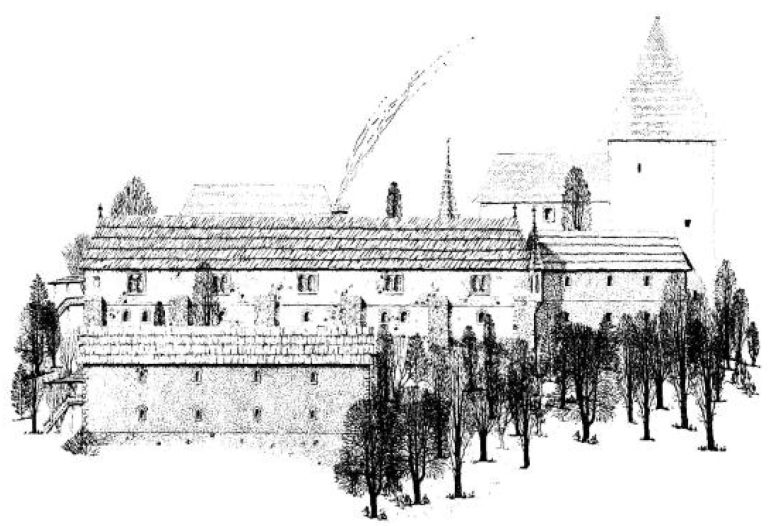
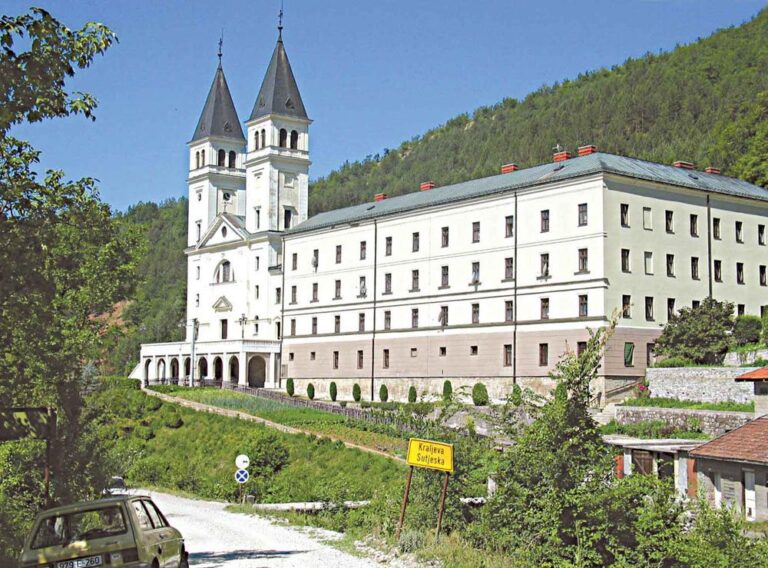
In 1340, Stjepan II Kotromanić, a ruler whose title was ban, founded a Franciscan friary dedicated to St Nicholas at Mile. Franciscans are members of a Catholic religious order, and a friary is a community house of that order. The friary became the seat of the Franciscan vicariate, an administrative district, and a trusted repository for rulers’ and other public documents, described as a locus credibilis. Around 1348, after the vicariate was divided into districts, the friary also served as the residence of its vicar and as the center of the Bosnian custody, a Franciscan administrative unit.
Mile was one of the royal seats of medieval Bosnia and hosted the stanak, an assembly of Bosnian nobles. Its deliberations included internal and foreign policy, the selection and crowning of rulers, grants or confiscations of hereditary estates, and decisions concerning state territory. The church served as a coronation and burial place for Bosnian rulers. Tvrtko I Kotromanić, Bosnia’s first king, is traditionally said to have been crowned there in 1377, although the claim is not firmly established. A coronation of King Stjepan Tomaš is also associated with Mile; the crown sent from Rome had not arrived in time. Later Bosnian kings were crowned there as well.
As the earlier church became too small for its congregation and royal ceremonies, it was converted for royal burials and a larger church was built. Archaeologist Pavao Anđelić proposed that the ruling family continued to use the older church during this transition. Records from 1367 to 1407 describe financial contributions to the friary by merchants from Ragusa, the republic centered on present-day Dubrovnik. In 1367, the friars received 100 cubits of cloth, enough to make habits for 10 to 12 members of the community. Franciscan chronicles mention the friary in the late fourteenth century, and later records include monastic lists and reports by church officials.
Destruction, abandonment, and archaeological work
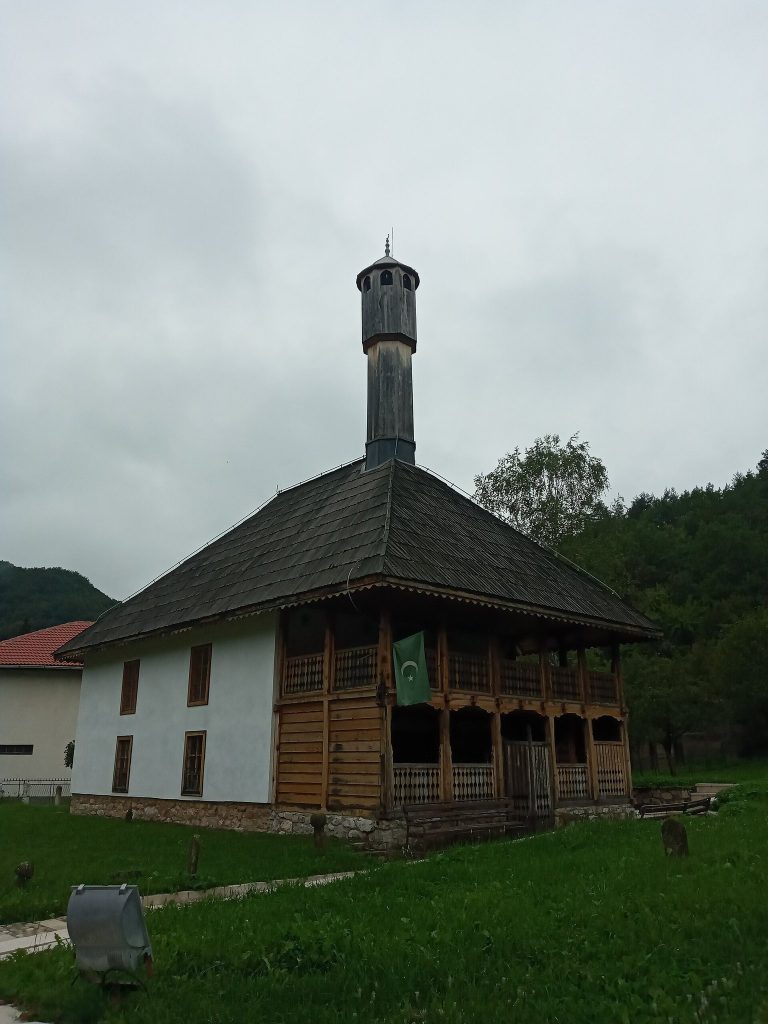
Franciscan tradition attributes the destruction of the original church and friary to followers of the Bosnian Church, a medieval Christian institution whose relationship to other traditions remains debated. The destruction probably occurred around 1437, during Ottoman raids in central Bosnia. A 1623 report by Bosnian friars instead blamed “heretics” for the destruction of an earlier friary near Visoko. Another tradition says that Mihovil Ostojić founded a smaller St Nicholas friary near the fortified town of Visoko around 1450. It was said to have been abandoned in 1697 during the Great Turkish War, a conflict from 1683 to 1699 between the Ottoman Empire and a European coalition.
Carl Patsch led excavations at Mile in 1909–1910, but the work was inadequately recorded and its results were not published. Finds were inventoried in 1950–1951, and excavation records were located in 1969. Archaeologist Irma Čremošnik inspected the site in 1951 after railway construction. In 1961, examination of embroidered fabric from a royal tomb identified the Kotromanić arms and renewed archaeological interest. Anđelić’s 1962 article on the royal burials further drew attention to the site. Test excavations by the Local History Museum in Visoko followed in 1967, and Anđelić led systematic revision excavations in 1976–1977. Further work examined the older church in 1978; conservation was carried out in 1977 and 1979.
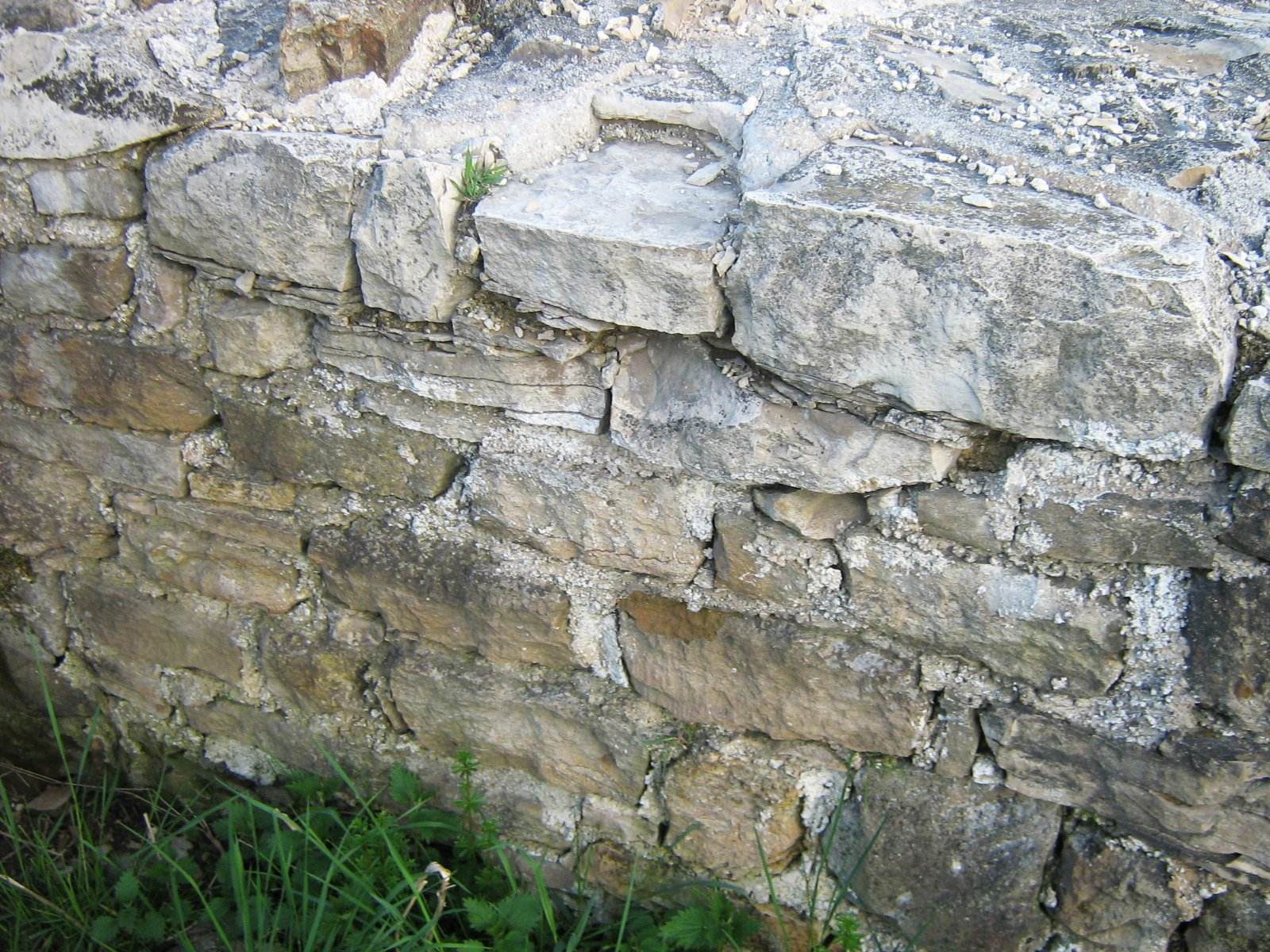
Postwar railway construction severely damaged the church complex, royal tombs, and friary. Much of the area was levelled, and barracks for youth labour brigades were built there. In 1982, an asphalt road replaced the former railway route and cut through the church again. A plan to move the road was proposed in 2001, and construction of a new route began in 2016. Conservation begun in 1999 repaired damaged wall sections, although only the first phase of the planned project was completed. In 2015, workers reset displaced original stones along the tops of walls. Mile was designated a national monument of Bosnia and Herzegovina in 2003.
Remains
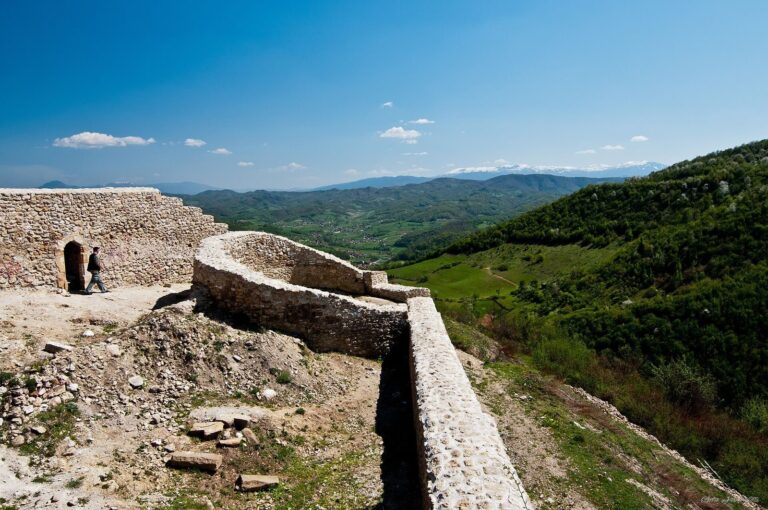
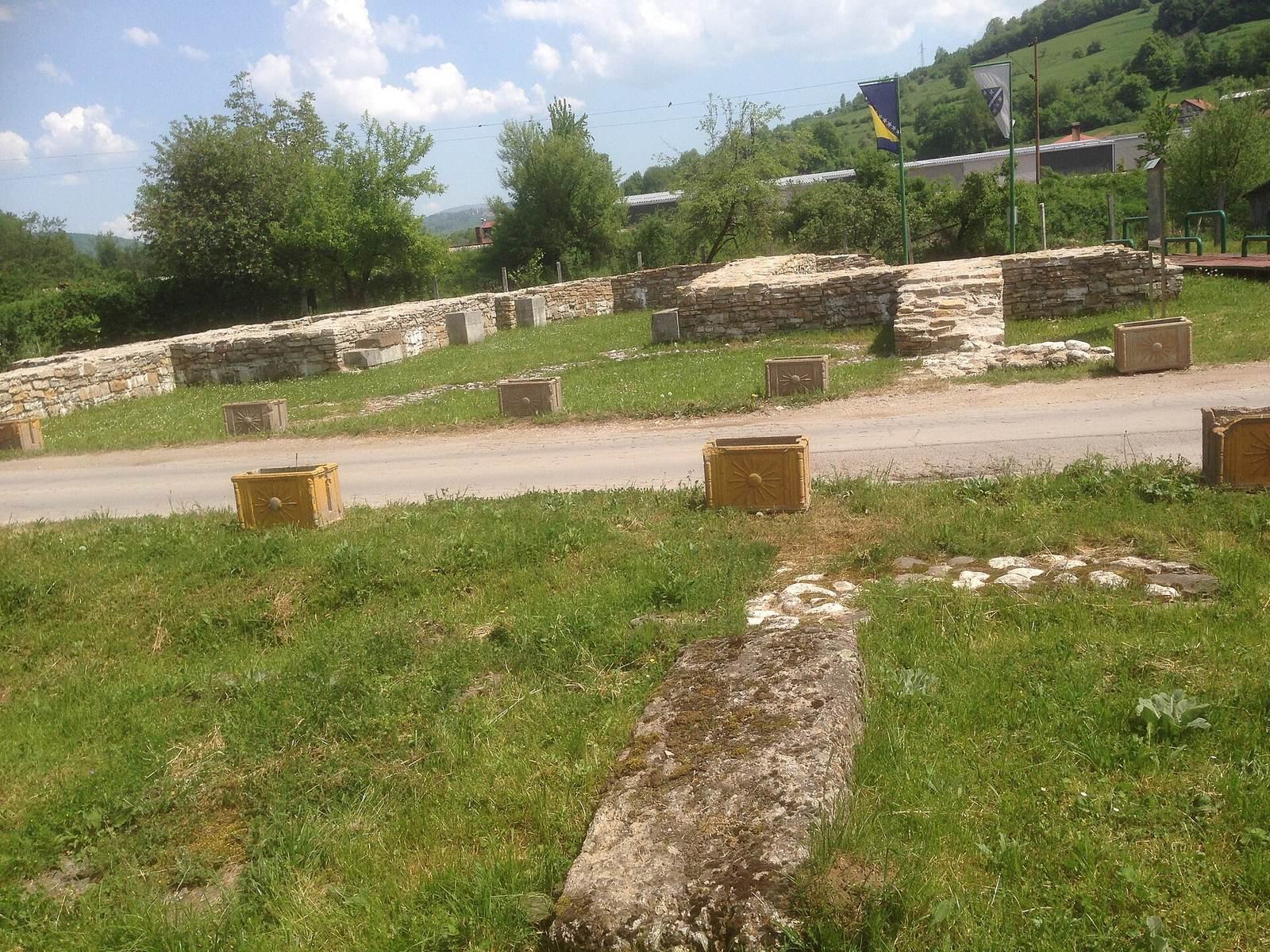
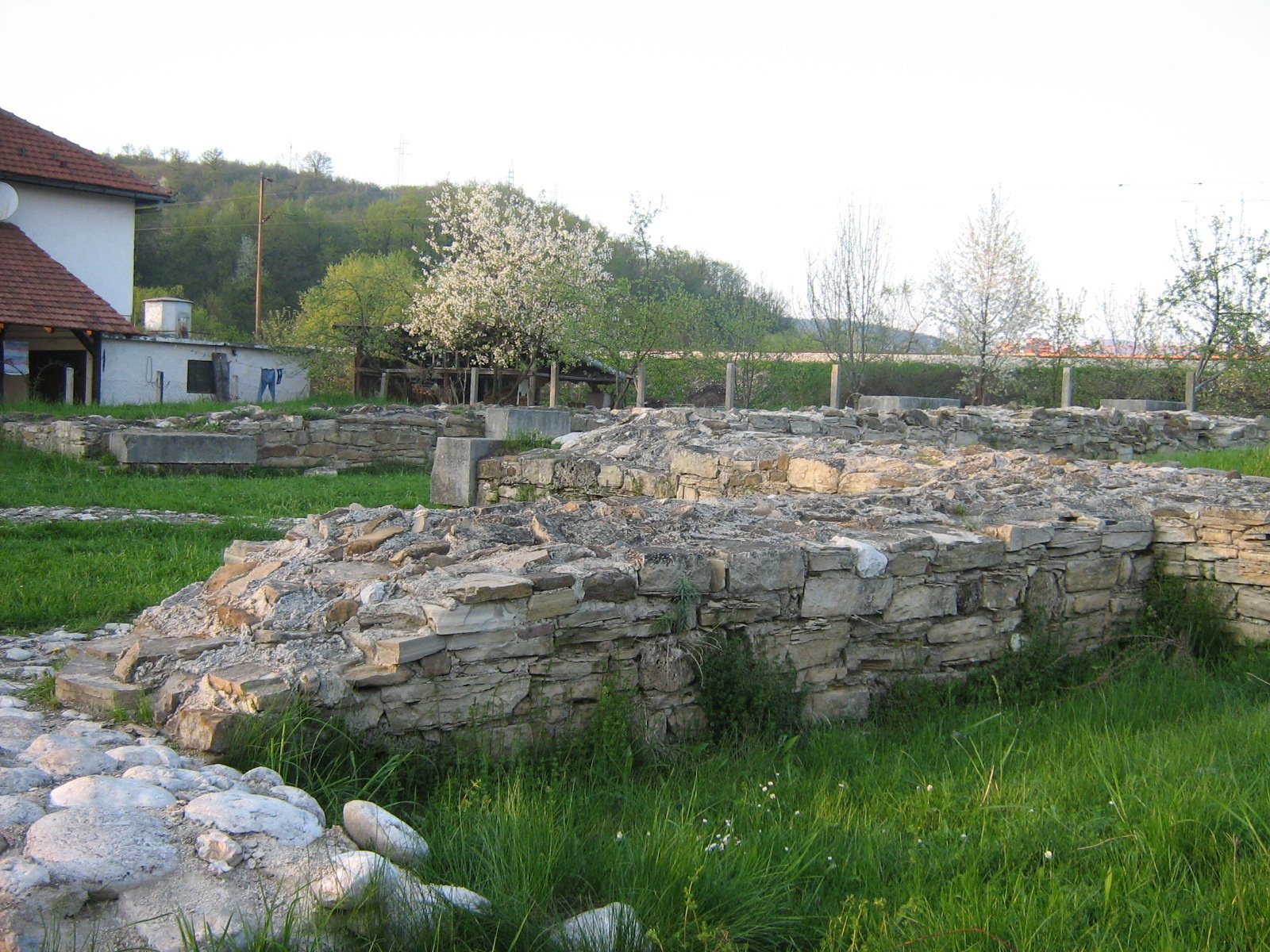
The site lies on the right bank of the Bosna River, close to the mouth of the Goruša stream. The medieval settlement extended across both banks of the Bosna, while the town remains are on the right side of the Goruša near its meeting with the river. Four construction groups make up the archaeological complex: an early wall of uncertain date, a Romanesque church above an earlier structure, an older Gothic church adjoining the Romanesque church’s apse, and a larger Gothic church formed by expanding the older one.
Churches and architectural remains
Early wall and Romanesque church
The early wall is at the southeast corner of the larger church’s nave, its main interior space, and within the Romanesque church. Earlier interpretations assigned it to ancient or late antique construction, but its date remains uncertain. It is about 1.30 metres thick. Roman remains nearby include a mortar floor and fragments of roof tiles. A road covers the wall’s lengthwise section, and its arch had been cleared before the revision excavations.
The Romanesque church stands above an earlier structure. A stone lintel measuring 1.21 by 0.65 metres, with semicircular ends and a form associated with Romanesque work, was found in the royal tomb and has been tentatively attributed to a church in the complex.
Older Gothic church
The older Gothic church had a simple plan running east to west and ended in a semicircular apse, a rounded recess at the end of the building. Two shallow rectangular projections from the walls marked the division between the main space and the apse. Its walls were 1.10 to 1.25 metres thick, and its foundations were set deep into the ground. These features could have supported a continuous, barrel-shaped stone ceiling, though stone ceilings may instead have been limited to the apses.
Expanded Gothic church
The larger Gothic church was a three-aisled building, with a central nave flanked by side aisles. It partly reused the smaller church’s foundations and stood over remains of a Roman building. Its surviving fabric consists mainly of foundation walls and damaged sections of wall.
Tombs, cemetery, and finds
Royal tomb
The royal tomb identified with Tvrtko I lay at the rear of the church choir, the area near the altar, aligned symmetrically with the second and third pairs of pilasters. It contained a free-standing stone coffin measuring 1.90 by 1.00 metres. The tomb’s above-ground structure included reddish-brown stone slabs with mouldings and shallow-relief figures, along with a carefully carved stećak, a medieval Bosnian tombstone, set on a base. The tombstone was carved from fine-grained limestone in a single ridge-shaped block. It now lies battered and irregular beside the church’s north wall, where it was found during the revision excavations.
Fragments of richly patterned brocade from a royal tomb are preserved in the museum in Sarajevo. Gold embroidery on the fabric shows the Kotromanić arms: a right-tilted shield with lilies, a bell-shaped helmet, a veil ending in two points, and a crown represented by a gold band bearing one complete lily and two half-lilies. Pavao Anđelić connected the textile and a skeleton with Tvrtko I’s burial; greenish staining on the bones was attributed to oxidation from the brocade that had covered the coffin. Finds associated with the grave include four gold rings, two signet rings, a diadem made of 20 plates, a separate gold plate, a brocade band fragment with two silver buttons, and numerous smaller objects. One silver signet ring bears an image of a crowned head.
Masonry tomb in the apse
A large masonry tomb in the church’s apse contained eight skeletons. An opening in the tomb, covered by a slab measuring 100 by 180 centimetres, provided access. The burial has been proposed as a possible resting place for Stjepan II Kotromanić, his third wife, whom he married in June 1335, and members of their family. Stjepan II’s grave has not been archaeologically verified, although historical and Franciscan traditions say that he founded the church and wished to be buried there.
Cemetery and grave markers
More than 100 graves were found inside the church and in the surrounding cemetery; 36 graves within the church were excavated and studied. Stećci and grave slabs occurred both inside the building and in the surrounding burial ground. Materials, jewellery, and ornaments recovered during excavations are held, and some are displayed, at the Local History Museum in Visoko.
Carved stone fragments
Surviving carved remains include decorative stone fragments, grave slabs, parts of the royal tomb, and a block from a Gothic two-opening window, known as a bifora. The fragmentary stonework forms part of the remains alongside the church’s foundation walls and damaged wall sections.