Měšice Castle: A Renaissance Manor and Aristocratic Residence
Site at a Glance
- Popularity
- Medium
- Country
- Czechia
- Primary era
- Early Modern
- Eras represented
- Early Modern, Modern
- Civilizations
- Austrian Empire, Habsburg, Holy Roman Empire, Kingdom of Bohemia
- Site type
- Domestic
- Remains
- Castle
On this page6 sections
History
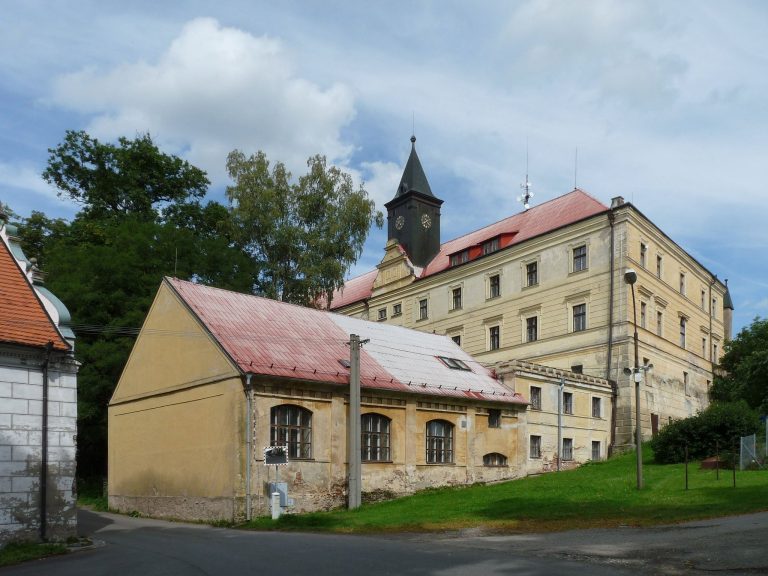
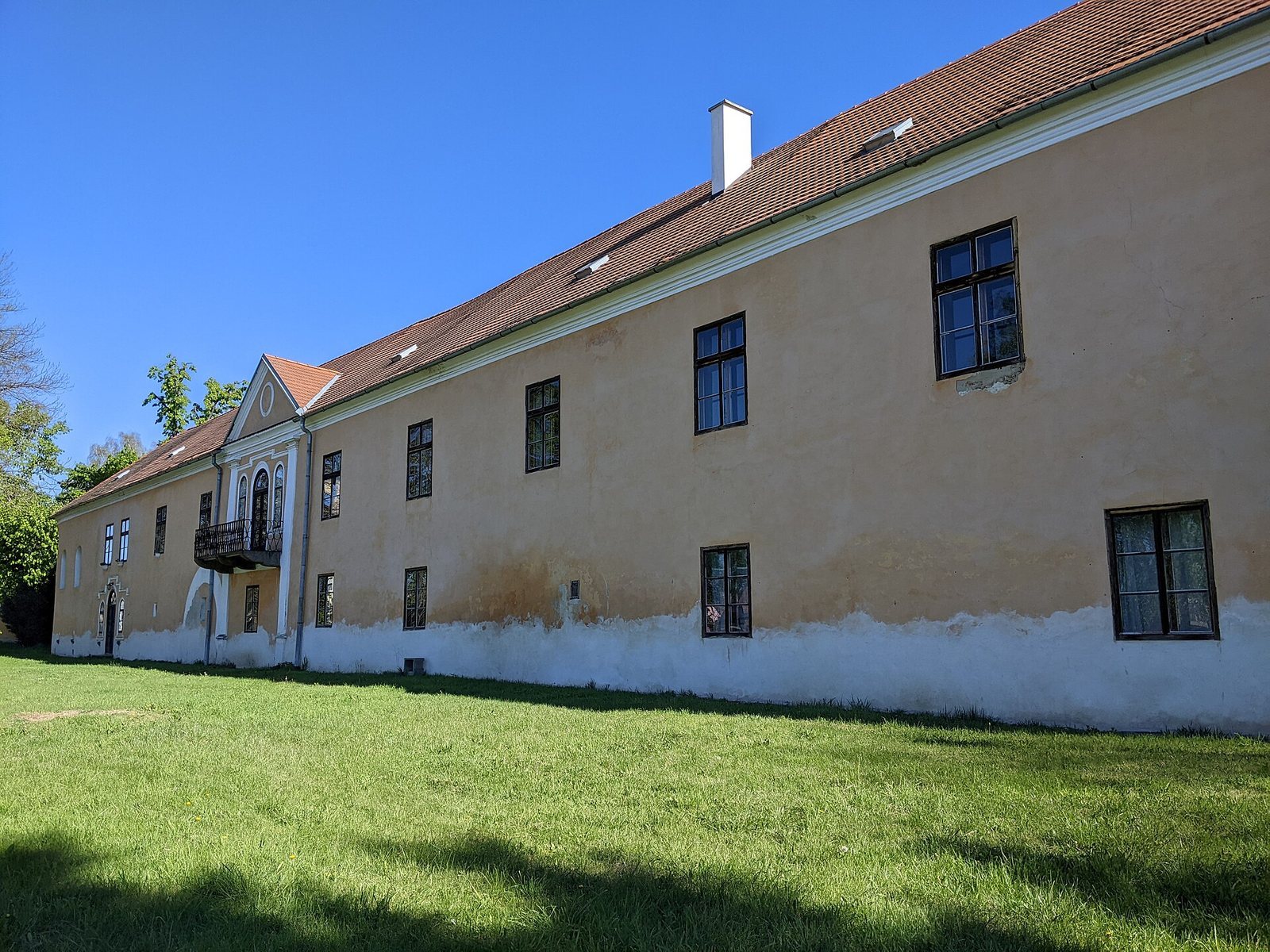
Měšice Castle is a historic residence in Měšice, an administrative part of Tábor in Czechia. Prokop of Hejlovec built it as a Renaissance manor in 1545; it became a Baroque castle in 1699 and was enlarged in 1817. Successive aristocratic owners adapted the residence over roughly 450 years in response to changing tastes, needs, and finances.
Aristocratic Ownership and Change
After 1877, the castle belonged to the Nádherný barons of Borutín. Jan Berwid-Buquoy acquired it in 1997, when it had fallen into ruin, and reconstruction made it publicly accessible again. The castle is now the seat of the Czech Atlantic Commission, an organization concerned with transatlantic cooperation.
Legends and Literary Influence
A legend places a wrongful imprisonment at the manor in 1555. It says that Prokop of Hejlovec had his servant Anna tortured and walled up after she confessed under torture to stealing jewels. When valuables continued to disappear, magpies were found to have carried them from rooms being aired to a nest on the wooded hill opposite the manor. In the tale, this discovery showed that Anna had been innocent.
In 1816, the Austrian playwright Franz Grillparzer visited the castle and heard a legend about Baroness Antonia von Stillfried. He drew on the story for Die Ahnfrau, a play published in 1817.
Remains
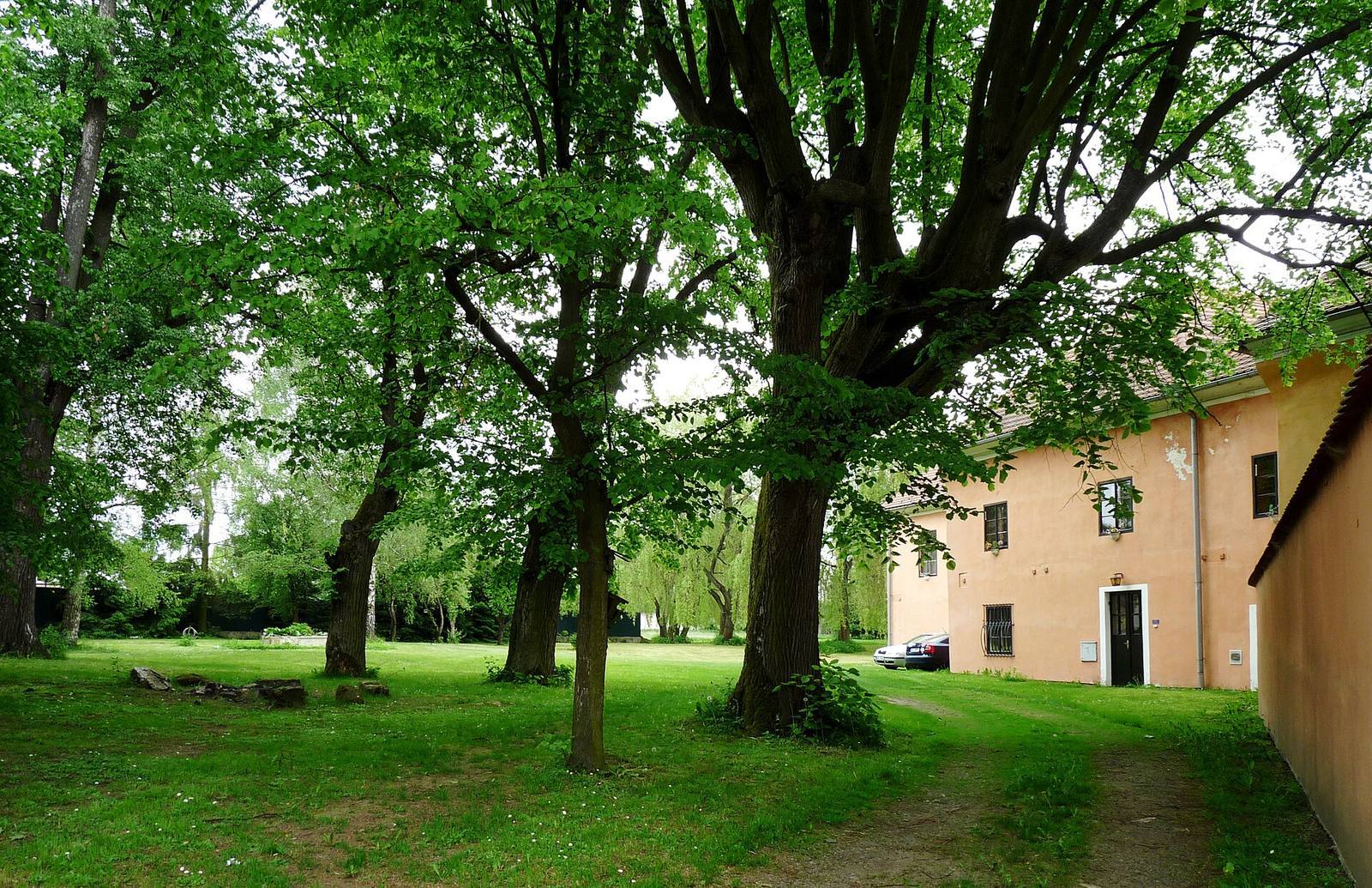
The castle stands at the edge of Měšice, in surroundings known as the Castle Park. Its fabric reflects successive architectural phases, from the original manor to later castle alterations.
Castle Building
The building combines Renaissance and Baroque design with an Empire-style exterior façade and staircase added during its enlargement. It also retains functional water closets dating to the eighteenth century.
Chapel
Jan Antonín Votápek von Ritterswald built the castle chapel in 1751. Dedicated to Saint John of Nepomuk, a fourteenth-century Bohemian priest who became a Catholic saint, it was consecrated by Cardinal Miloslav Vlk after reconstruction on 26 March 2010. The chapel is open to the public and hosts ecumenical services, which involve cooperation among different Christian traditions.