Mehrgarh: A Neolithic and Chalcolithic Settlement in Pakistan
Site at a Glance
- Popularity
- Very High
- Country
- Pakistan
- Primary era
- Stone Age
- Eras represented
- Stone Age, Bronze Age
- Civilizations
- Unclassified
- Site type
- City
On this page19 sections
History
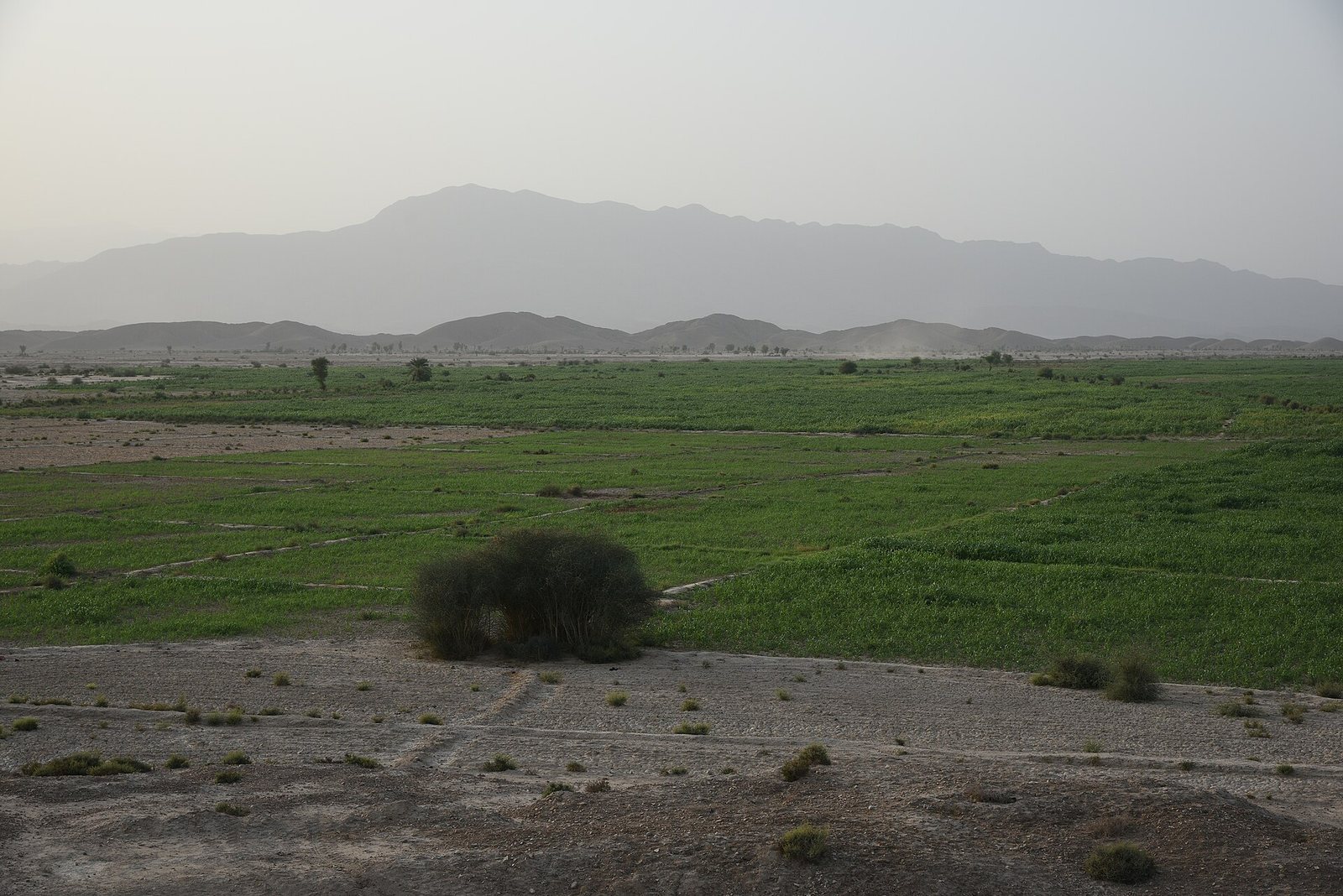
Mehrgarh is a Neolithic and Chalcolithic settlement on the Kacchi Plain of Balochistan, Pakistan, near the Bolan Pass. The Neolithic was a period associated with the development of farming and herding; in the later Chalcolithic, people used copper alongside stone tools. Recent radiocarbon analysis of teeth places Mehrgarh’s earliest phase at 5250–4650 BCE, though an earlier estimate proposed 7000–5500 BCE, leaving the settlement’s precise beginning uncertain. It is among the earliest known South Asian sites with evidence of farming and herding. The settlement takes its name from a nearby village, while its original name is unknown.
Occupation and regional development
Mehrgarh’s first inhabitants formed a small farming community. They cultivated wheat and barley and raised sheep, goats, and cattle. Other crops included six-row barley, einkorn and emmer wheat, jujubes, and dates. Over time, residents also practiced crafts including flint shaping, tanning, bead-making, and metalworking.
Archaeologists divide the settlement’s occupation into eight periods. Period I, dated to 5250–4650 BCE, was an aceramic Neolithic phase, meaning pottery was not yet used. Period II, 4650–4000 BCE, was a ceramic Neolithic phase, and Period III, 4000–3500 BCE, was Chalcolithic. Periods IV and V date to 3500–3250 BCE and 3250–3000 BCE respectively, while Period VI dates to around 3000 BCE. Period VII is dated to 2600–2000 BCE. Evidence for Period VIII comes from the Sibri cemetery, about eight kilometres from Mehrgarh.
Periods I–III were contemporary with occupation at Kili Gul Muhammad, another archaeological site in Balochistan. The region’s aceramic Neolithic is also called the Kili Gul Muhammad phase. From the second half of the fourth millennium BCE, settlements became more numerous in the Quetta Valley, the Surab region, and the Kachhi Plain.
Exchange and cultural interpretations
By Period II, lapis lazuli from Badakhshan and seashells from distant coasts point to connections across considerable distances. The relationship between Mehrgarh, communities farther west, and the later Indus Valley Civilization has been interpreted in different ways. One proposal, advanced by Asko Parpola, is that a culture influenced by the Near East migrated into the Indus Valley and developed into the Bronze Age Indus Valley Civilization, also known as the Harappan civilization. Jean-François Jarrige argued that Mehrgarh had an independent local background while recognizing cultural links with Neolithic communities farther west.
Researchers have proposed cultural continuity between Mehrgarh’s Neolithic and Chalcolithic phases alongside a change in population. Dental evidence has been interpreted as indicating that Chalcolithic inhabitants were not direct descendants of the Neolithic population. Possible descendants of the earlier inhabitants have instead been proposed farther south and east.
Abandonment and archaeological study
Between 2600 and 2000 BCE, Mehrgarh was largely abandoned in favour of the larger fortified town of Nausharo, about five miles away. The historian Michael Wood places the abandonment at around 2500 BCE. This shift took place while the Indus Valley Civilization was in its middle stages.
In 1968, Nawab Ghaus Bakhsh Raisani is said to have alerted archaeologists to a mound near the village. The French Archaeological Mission in the Indus Basin, led by Jean-François and Catherine Jarrige, discovered Mehrgarh in 1974. Excavations followed from 1974 to 1986 and again from 1997 to 2000. Archaeological material came from six mounds, and about 32,000 artefacts were collected.
Remains
Settlement layout and buildings
Archaeological areas
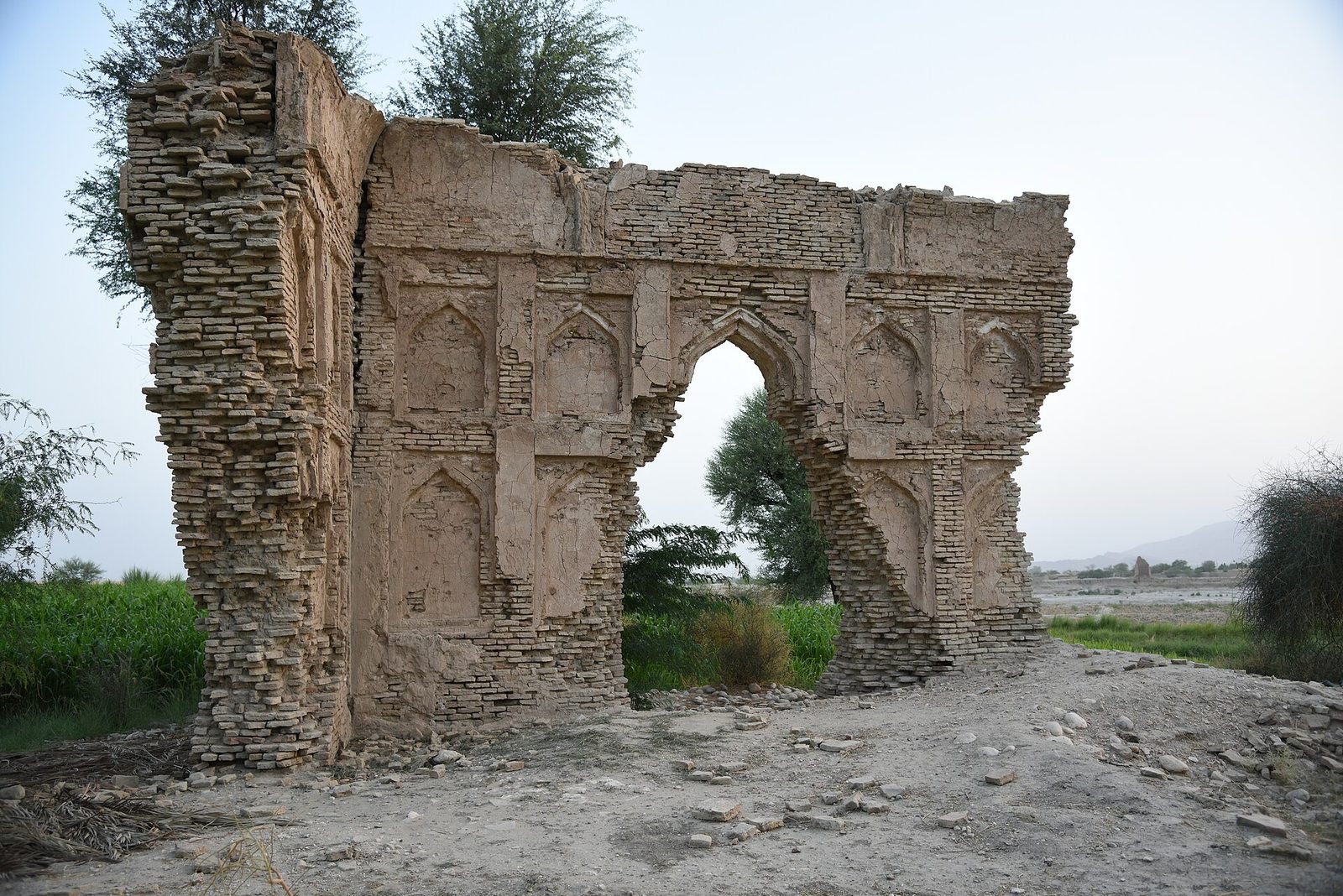
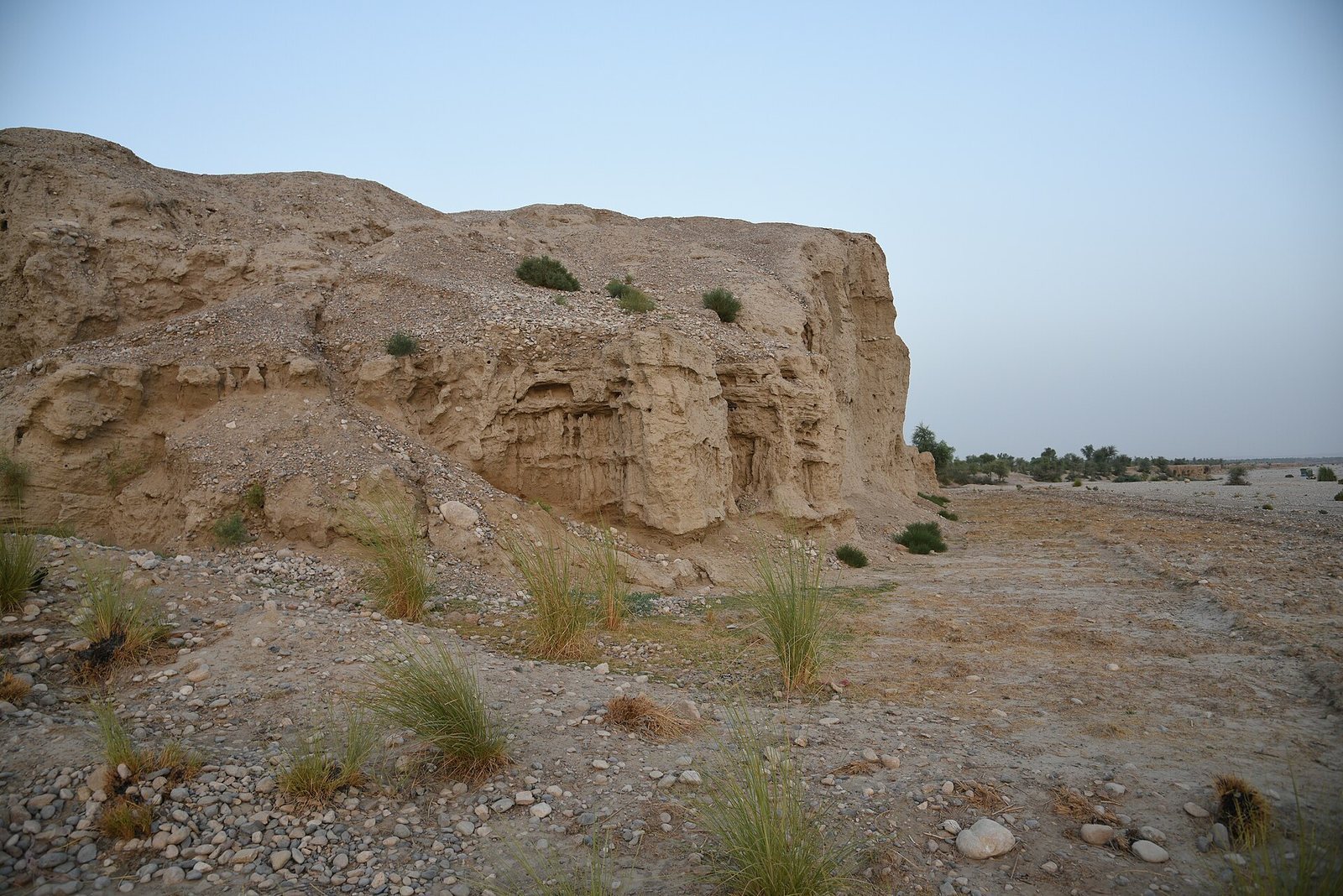
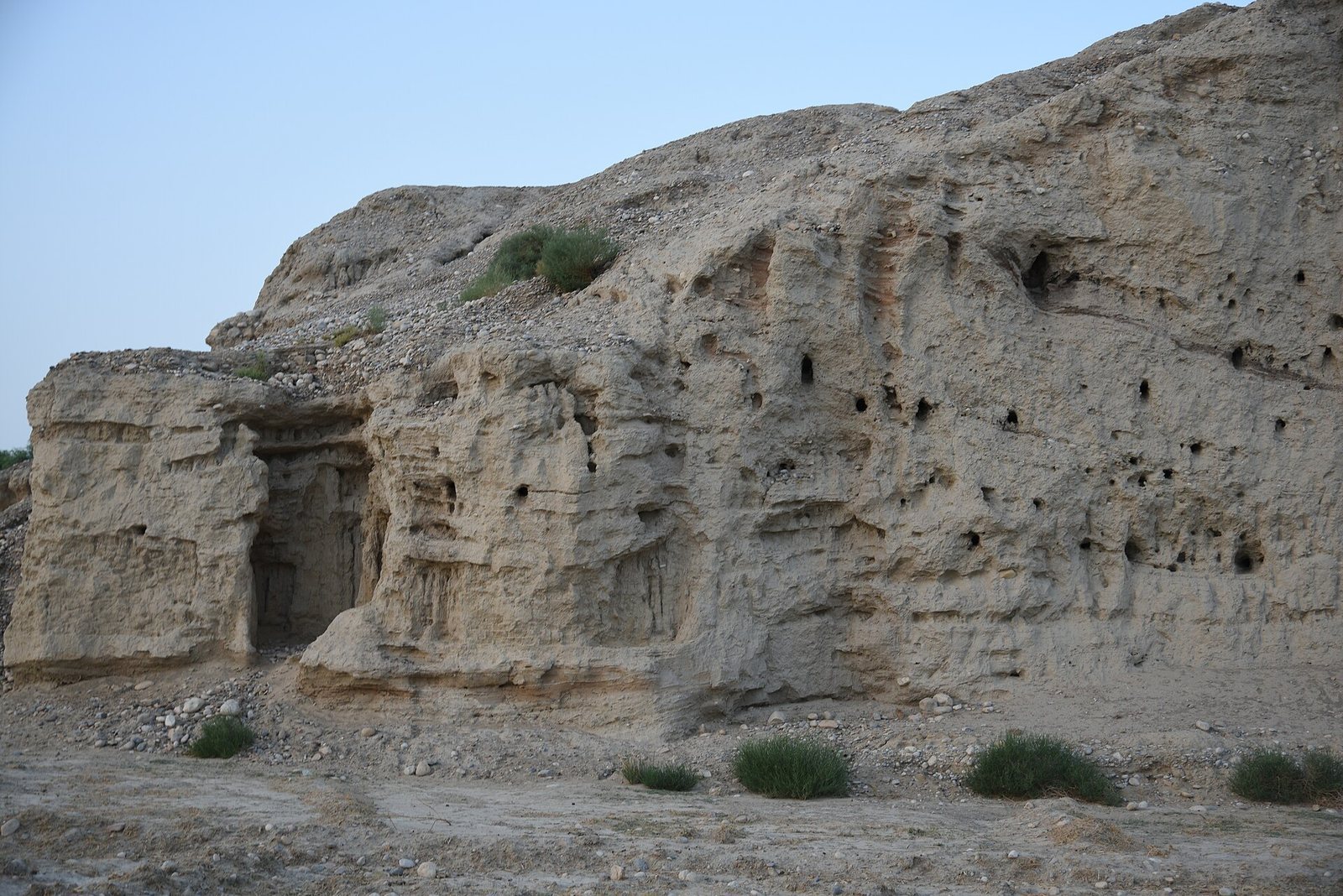
The site covers about 495 acres (2.00 square kilometres), with its earliest settlement in the northeastern corner and archaeological material spread across six mounds. The Period III Togau-phase remains extend over about 100 hectares in areas known as MR2, MR4, MR5, and MR6. They include settlement ruins, burial grounds, and dumping areas. This broad spread reflects villages or settlement clusters that shifted and partly overlapped over several centuries, not a single settlement occupying the whole area at once. The area containing remains from Periods IV–VII is designated MR1.
Buildings and storage
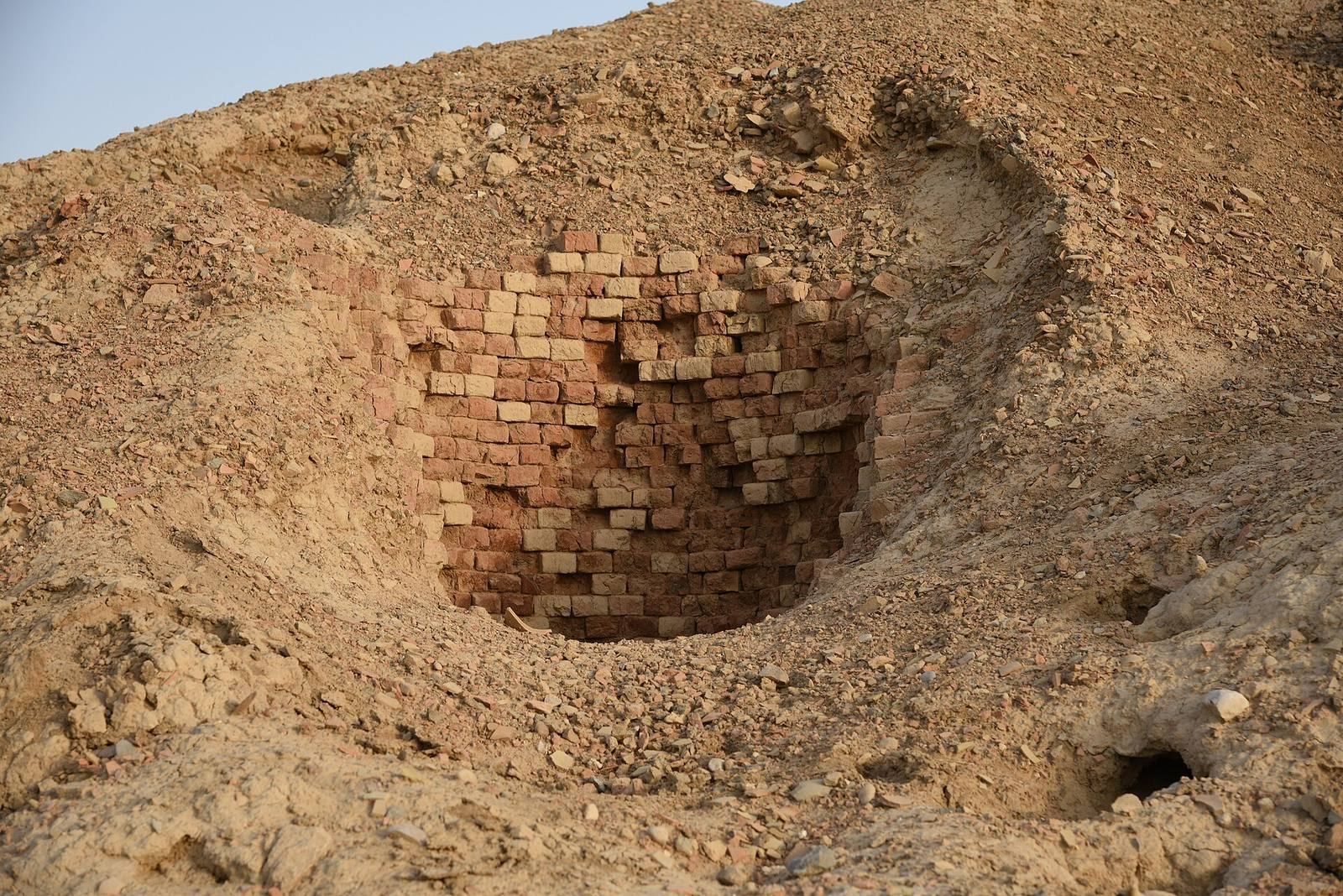
Early buildings were constructed from unbaked mud bricks, and most were divided internally into four spaces. Residents stored grain in granaries and lined large baskets with bitumen.
Burials and grave goods
Grave forms and child burials
Individual graves were enclosed by narrow mud walls, while thin mud-brick walls bounded collective graves. One collective burial held six people, laid with bent limbs and oriented from east to west. Child bones have also been found in large jars or urns dated to 4000–3300 BCE.
Objects and funerary practice
Period I graves contained baskets, stone and bone tools, beads, bangles, and pendants; some burials also included animal sacrifice. Male burials sometimes had more grave goods. Ornaments were made from seashell, limestone, turquoise, lapis lazuli, and sandstone. One ground-stone axe, shaped by grinding the stone, came from a burial; several others were found on the surface. These are the earliest known ground-stone axes from a layered archaeological context in South Asia.
Changes in burial offerings
Two Period II burials contained bodies covered with red ochre. Grave offerings became fewer over time and were increasingly concentrated in female burials.
Pottery, figurines, and crafts
Pottery and Togau ware
Pottery first appeared in Period II, during its IIA phase, and is the earliest known pottery from Pakistan. It became more abundant and varied in Period III, when potters began using the wheel. Togau ware, a pottery style and archaeological phase, appeared at the beginning of Period III and was wheel-made from its earliest examples. Early vessels show detailed outlines of ibexes, goats, or birds; later designs became more abstract, with Togau D pottery using geometric lines and wavy motifs. Togau A is associated with Mehrgarh III, Togau B–C with Mehrgarh IV, and Togau D with Mehrgarh V. Archaeologist Beatrice de Cardi defined the pottery type in 1948. Later vessels included animal designs, and pipal-leaf decoration appeared from Period VI. More developed firing methods were used in Periods VI and VII. A pottery-production area has been identified on MR1. By Period VIII, pottery design seems to have become less complex amid mass production and growing interest in bronze and copper vessels.
Figurines and seals
Female figurines appear throughout the settlement sequence, including before pottery use. Early examples are simple; by around 4000 BCE, some had more elaborate features, including distinctive hairstyles and prominent breasts. Male figurines appear from Period VII and become more numerous. Some female figures hold babies and have been interpreted as mother-goddess images, although that identification remains uncertain; other scholars describe them more cautiously as female figurines with likely cultic significance. Terracotta and bone button-shaped seals bore geometric designs.
Workshops and metalwork
Craft remains include glazed faience beads, made from a glazed non-clay material, and increasingly detailed terracotta figurines. Stone and copper drills, kilns that channel heat upward, large pit kilns, and crucibles used for melting copper also point to manufacturing activity. A few copper objects date to Period IIB. A wheel-shaped copper amulet, about 6,000 years old, is an early example of lost-wax casting, a process in which molten metal takes the place of a wax model inside a mould. The amulet was made as one piece from unalloyed copper rather than assembled from joined parts. This unusual technique was later abandoned.
Architectural features and human remains
Semi-columns
A structure dated to around 2500 BCE contained a series of semi-columns, columns that project partly from a wall. Archaeologist Massimo Vidale considered them closely similar to semi-columns from Period IV at Shahr-e Sukhteh in southeastern Iran.
Dental remains
The excavated graveyard yielded eleven drilled molar crowns from nine adults. A 2006 study identified them as the earliest known evidence of drilling in living people and as evidence for an early dental practice.