Mategriffon: A Medieval Fortress in Messina, Sicily
Site at a Glance
- Popularity
- Medium
- Country
- Italy
- Primary era
- Modern
- Eras represented
- Medieval, Early Modern, Modern
- Civilizations
- Crown of Aragon, Italian, Kingdom of Sicily
- Site type
- Religious
- Remains
- Church
On this page10 sections
History
Norman foundation and royal rebuilding
Mategriffon was a medieval fortress built of wood by Norman leader Robert Guiscard in 1061 on a rocky hill in Messina, Sicily, Italy. The castle is also known as Matagrifone, Mathegriffon, and Rocca Guelfonia. Its name has been associated with Messina’s largely Greek-descended population and with a northern European label for Greeks and people of the Levant. Rocca Guelfonia has been linked to Richard I’s Guelph affiliation. The Guelphs were a medieval faction associated with the papacy in its conflicts with imperial supporters.
Richard I of England strengthened the fortress in 1190, then ordered part of it demolished before leaving Messina in 1191 to conquer Cyprus. In 1240, Frederick II, who was both Holy Roman Emperor and king of Sicily, ordered the castle rebuilt in limestone. It was then referred to as Castrum novum, meaning “new castle.”
Angevin and Aragonese rule
The fortress passed to the Angevins, the ruling house of Anjou, and later to the House of Aragon after the Angevins were expelled from Sicily. During the Sicilian Vespers, a revolt against Angevin rule, Herbert of Orleans, royal representative of Charles I of Naples, took refuge there with his family and the king’s supporters. Messinese townspeople led by Alaimo da Lentini besieged and damaged the castle. The refugees were allowed to leave safely, and repairs followed.
Toward the end of the 13th century, the castle became a residence of Queen Constance. It also served as a prison for Baroness Macalda di Scaletta, the wife of Alaimo da Lentini. While imprisoned, she played chess with Margam Ibn Sebir, an emir of Tunis from Djerba. Historian Santi Correnti regarded Macalda as the first Sicilian woman to play chess.
Fortifications and unrest
King Ferdinand II of Aragon enlarged the fortress in the late 15th century. Extensive defensive works were added during the 16th century. In October 1535, Charles V, the Habsburg ruler of the Spanish kingdoms, visited after conquering Tunisia as part of an inspection of Messina’s fortifications. An explosion later damaged the castle, and in 1536 Charles ordered its renovation.
The fortress became a focus of several Messinese rebellions against Spanish rule. In 1759, Discalced Augustinians, a reform branch of the religious order whose members followed a barefoot or sandal-wearing practice, took possession of part of it. An earthquake damaged the castle in 1783.
Prison, destruction, and rebuilding
In 1838 the castle was converted into a prison under the Bourbon dynasty, which ruled the Kingdom of the Two Sicilies. During the 1848 anti-Bourbon uprising, Messinese revolutionaries again inflicted severe damage. The prison was regarded as the harshest and most inhospitable in the city.
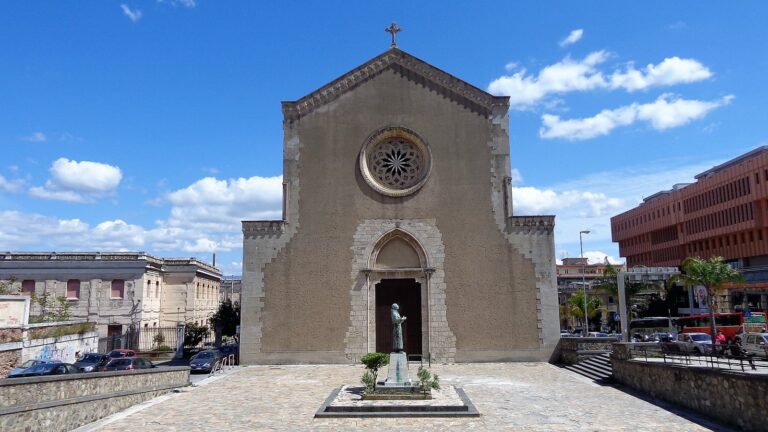
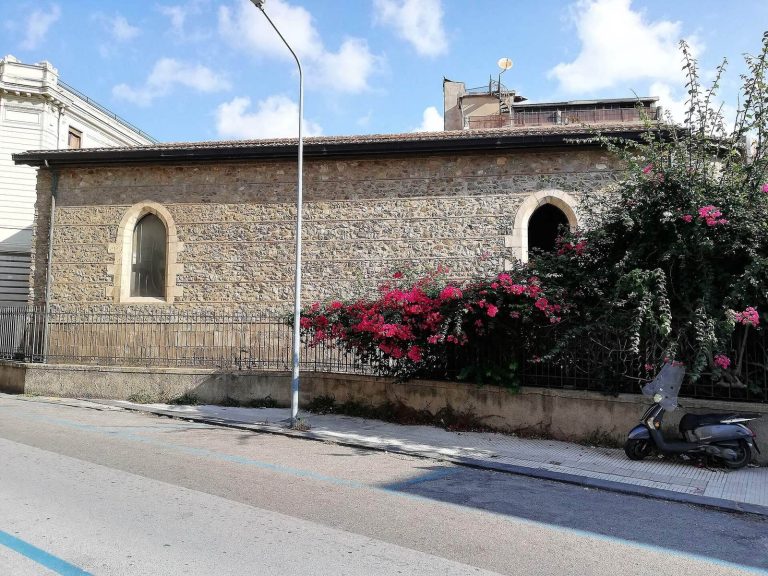
The earthquake that struck Messina on 28 December 1908 almost completely destroyed the fortress. In 1935, the Shrine of Christ the King and a war memorial were built among its ruins, incorporating the surviving tower.
Remains
The fortress occupied a rocky hill near Messina’s historic centre, overlooking the harbour and the Strait of Messina. Its layout included a square keep, the castle’s principal fortified tower, defensive walls, and many-sided towers. Images made from the 15th century onward have helped trace the fortress’s architectural development in broad outline.
Surviving structures
Macalda’s Tower
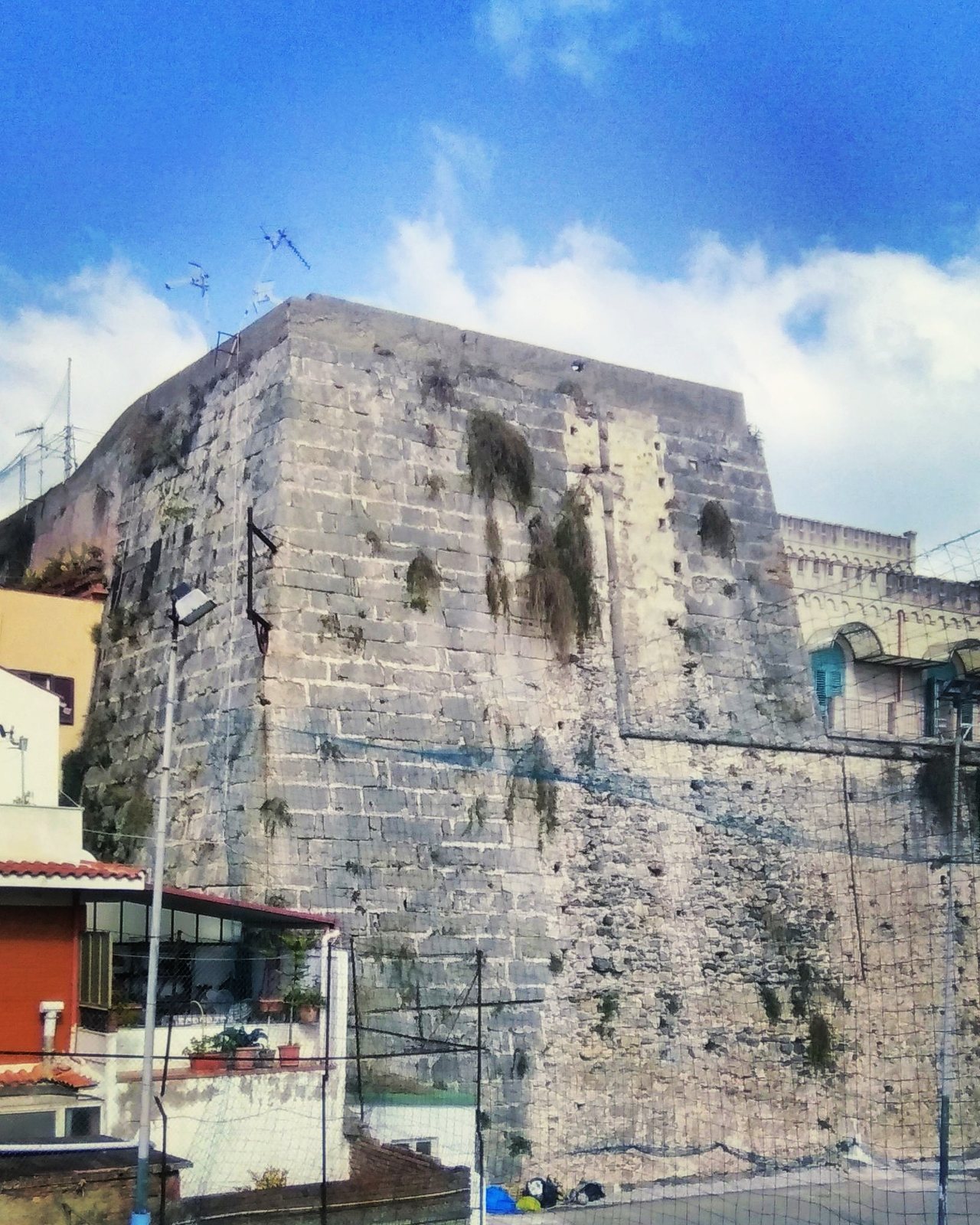
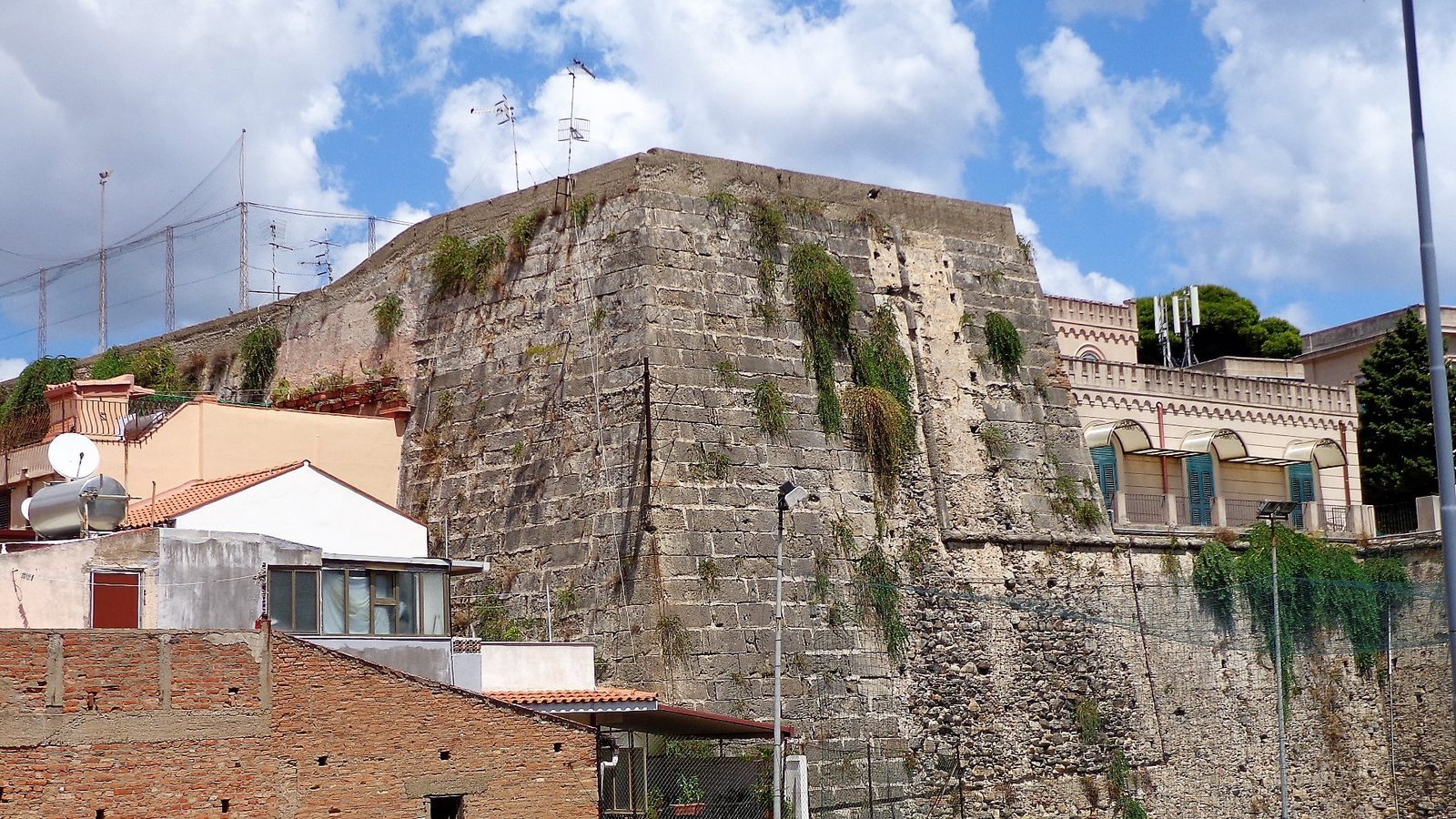
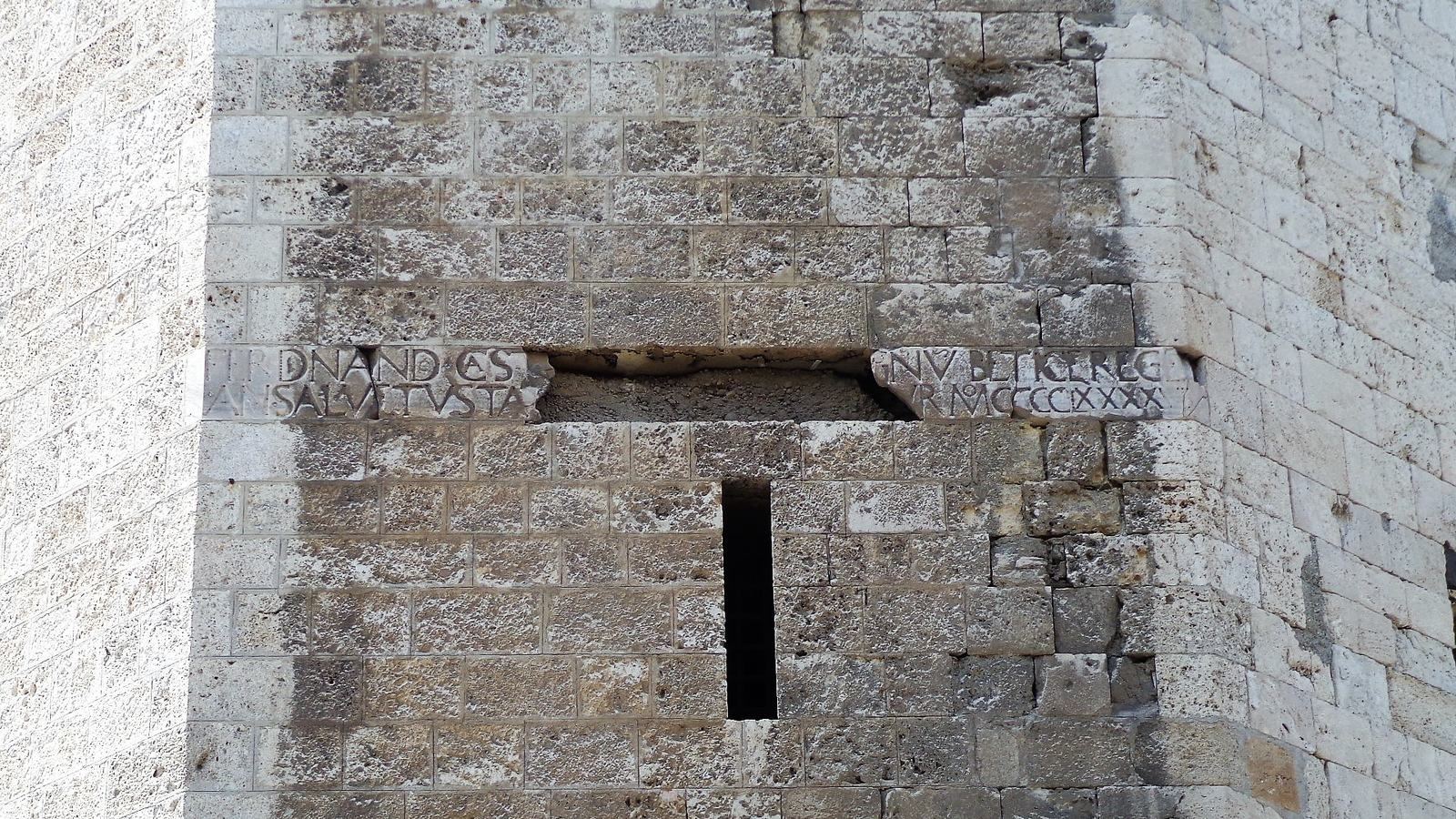
The surviving octagonal tower, locally called Macalda’s Tower, has been restored. Its eastern face bears a Latin inscription commemorating the enlargement carried out in 1496.
Fortification remains
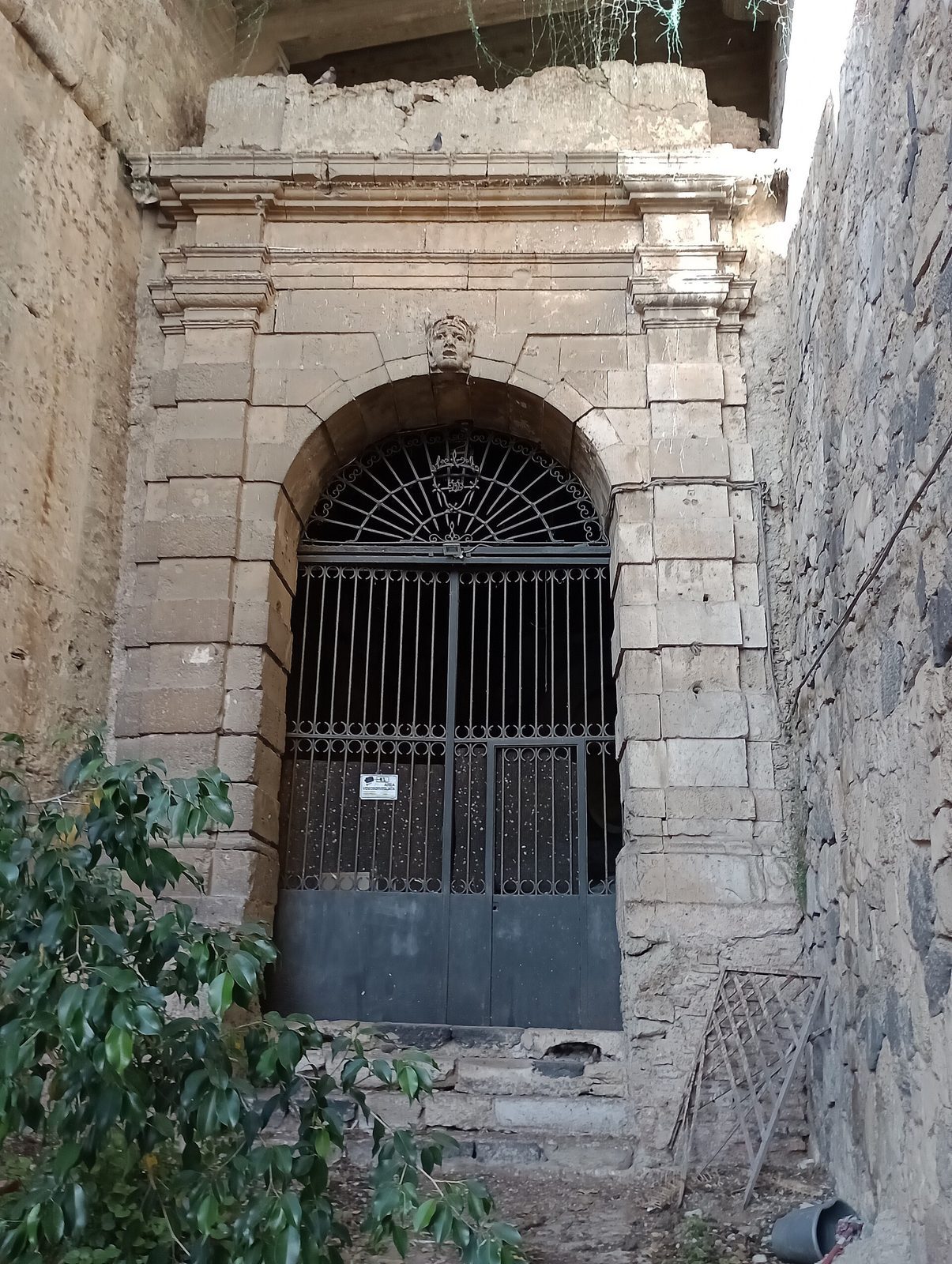
Fragments of projecting defensive walls and associated structures remain, along with an entrance dating to the 16th century.
Shrine and bell
The Shrine of Christ the King incorporates the tower, which supports the church’s bell tower. Above it hangs a bronze bell weighing 13 tonnes, made in 1935 from metal melted down from enemy cannons.