Marlborough House, Brighton: An Eighteenth-Century Mansion
Site at a Glance
- Popularity
- Medium
- Country
- United Kingdom
- Primary era
- Early Modern
- Eras represented
- Early Modern
- Civilizations
- British
- Site type
- Domestic
- Remains
- Elite Residence
On this page6 sections
History
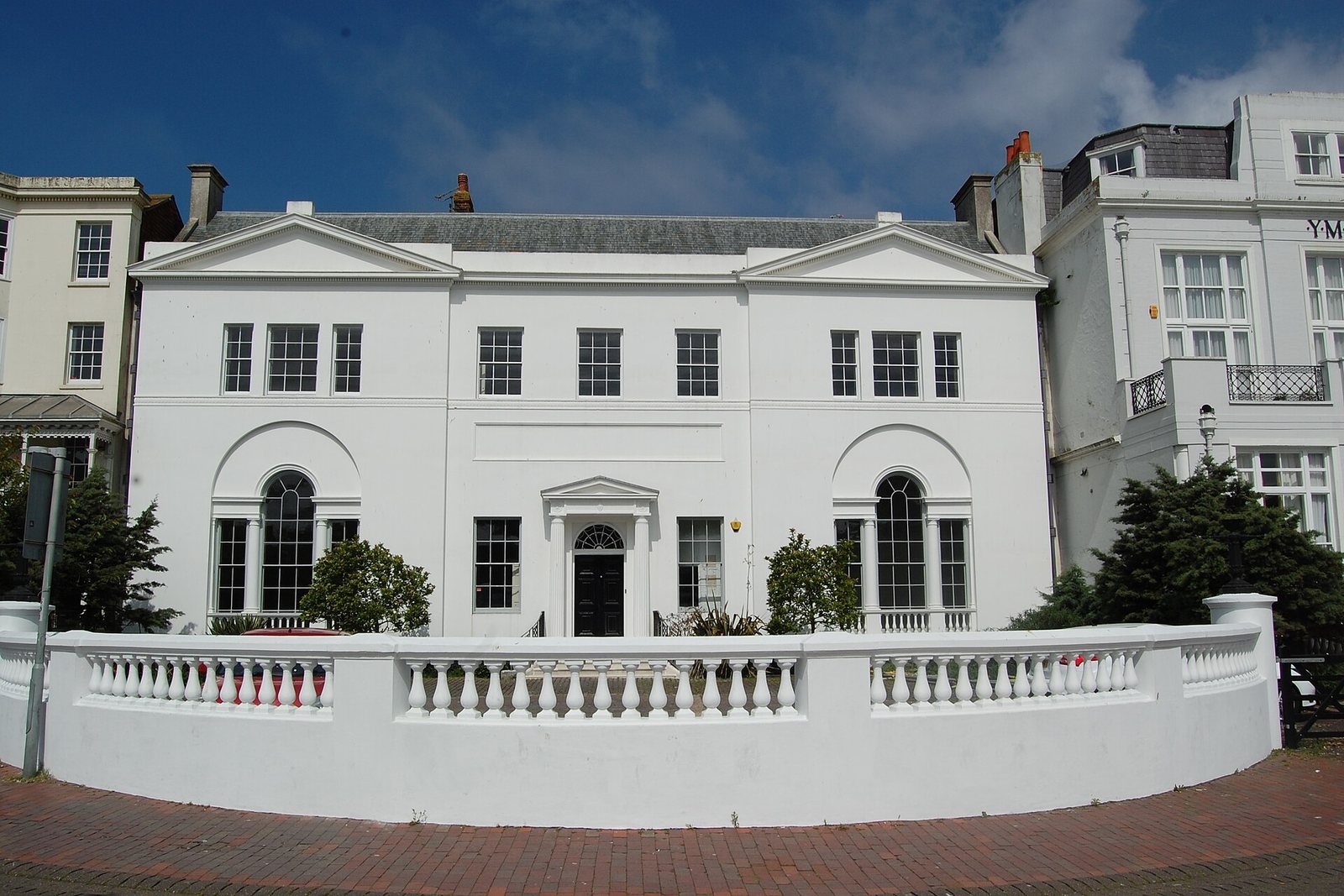
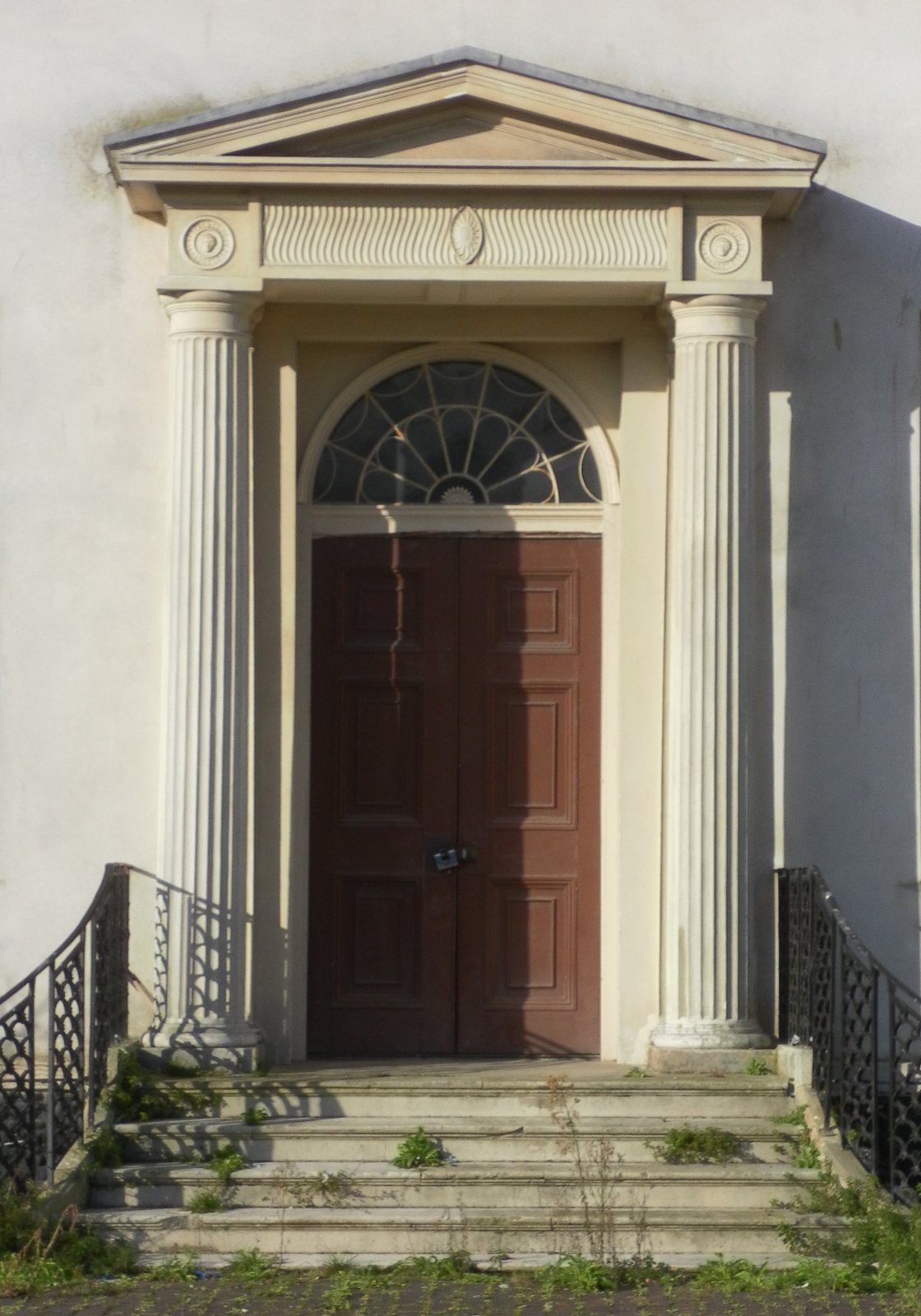
Marlborough House is an eighteenth-century mansion at 54 Old Steine in Brighton, United Kingdom. First built around 1765 for innkeeper Samuel Shergold, it was later transformed into a Neoclassical house, a style drawing on ancient Greek and Roman design. In 1786, statesman William Gerard Hamilton commissioned architect Robert Adam to carry out the transformation.
Early owners and royal stays
Shergold sold the house to the 4th Duke of Marlborough. The Prince of Wales, later King George IV, stayed there in 1783, 1789 and 1795 while the Royal Pavilion was being renovated by architect John Nash. The prince spent three days at the house in 1789. In June 1795, he stayed for three weeks with his new wife, Princess Caroline of Brunswick. During Hamilton’s ownership, the house was known as Grove House.
Private owners in the nineteenth century
Hamilton died in 1796, and the property was auctioned. An anonymous buyer acquired the lots together for 4,000 guineas, but a mortgage of £7,575 remained unpaid. Lady Anne Murray settled the debt when she bought the house in 1801. She was reputed to host a popular, fashionable social circle during the season and also to support poor residents.
After Murray died in 1817, she left the house to her niece, Lady Elizabeth Finch-Hatton, who chose to sell it. Prince Leopold considered buying it so his wife, Princess Charlotte, could spend time there after childbirth. Charlotte died during the negotiations, and the purchase did not proceed. Thomas Harrington then bought the house for £9,500 and lived there until his death in 1843. His widow, Martha, bought it for £6,900 and gave it to her nephew, Charles George Taylor, in 1849. Taylor sold it in 1868 for £9,500 to Francis Henry Beidenbach, a Bond Street perfumer. Beidenbach’s family were its last private residents.
Civic use and later history
In the second half of the 1870s, East Street stationer John Beal acquired the property. He used its basement rooms for storage and agreed to rent the ground and upper floors to the Brighton School Board for offices between 1876 and 1879. The Board bought the house in 1891 for £7,000, beginning a period of local-authority ownership. Brighton and Hove City Council used it as a tourist information centre during the 1990s, then sold it in 1999 to local businessman Tony Antoniades for £500,000. He initially planned to live there but never moved in; the house remained vacant and was sometimes occupied by squatters.
Water damage had badly affected the building by 2015, when it was placed on English Heritage’s at-risk list. In 2017, concerns arose over alterations made without listed-building consent. The council’s enforcement notice requiring paint to be removed from the front was overturned by the Planning Inspectorate in 2018. The council dropped its legal action in 2019 after a new planning application was submitted to address the unauthorized work. Marlborough House and its attached railings have been Grade I listed since 13 October 1952. Grade I is England’s highest category of listed-building protection, for buildings of exceptional interest.
Remains
The mansion has basement rooms beneath a ground floor and upper floors, with attached railings. Its original construction was in red brick, and the front has an oil-based render. These features form the surviving fabric of a house substantially altered from its first form.
Alterations to the building
The original fireplaces were removed and later destroyed in a fire at a London warehouse. Eighteenth-century roof lights were removed, and mahogany doors were destroyed. Paint was applied over the front’s oil-based render without listed-building consent, prompting the enforcement dispute in 2018.