Mar Elias Monastery: A Greek Orthodox Monastery in Jerusalem
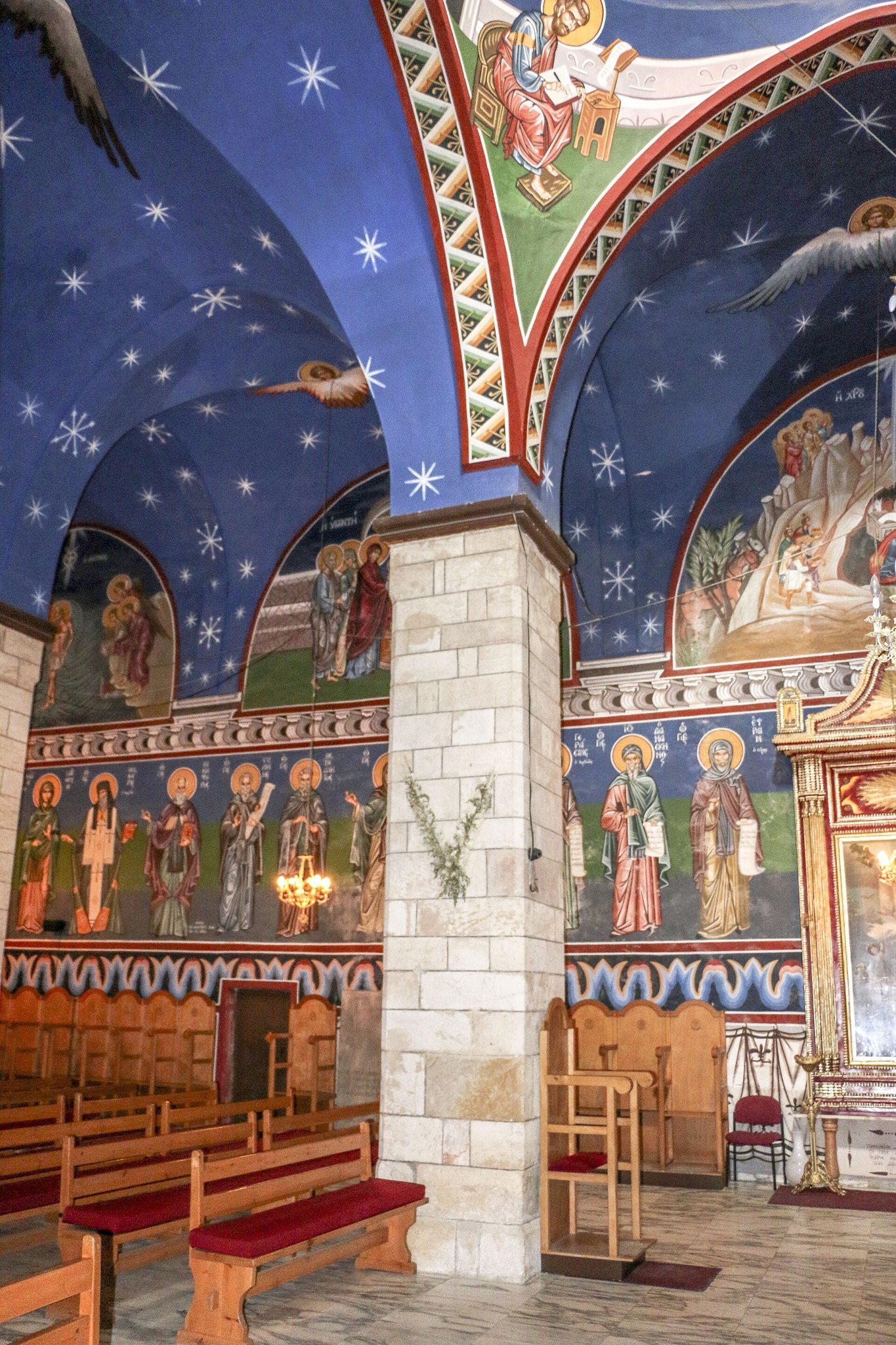
Site at a Glance
- Rating
- 4.6
- Popularity
- Low
- Country
- Israel
- Primary era
- Medieval
- External website
- Open
- Eras represented
- Medieval
- Civilizations
- Byzantine
- Site type
- Religious
- Remains
- Monastery
On this page6 sections
History
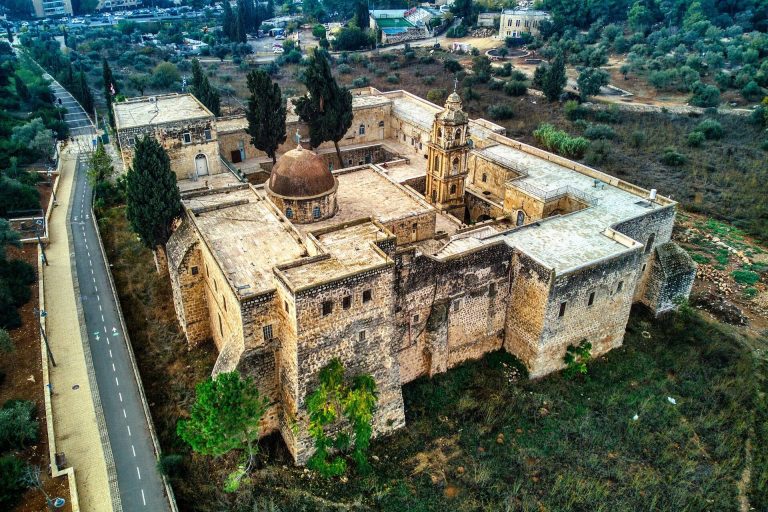
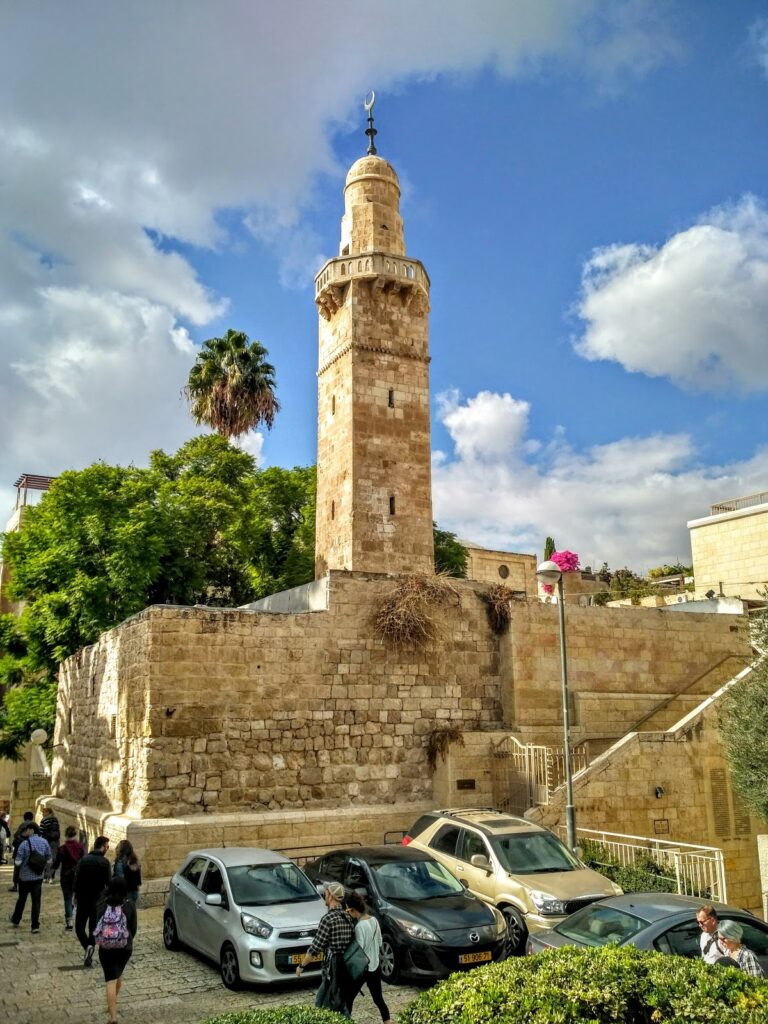
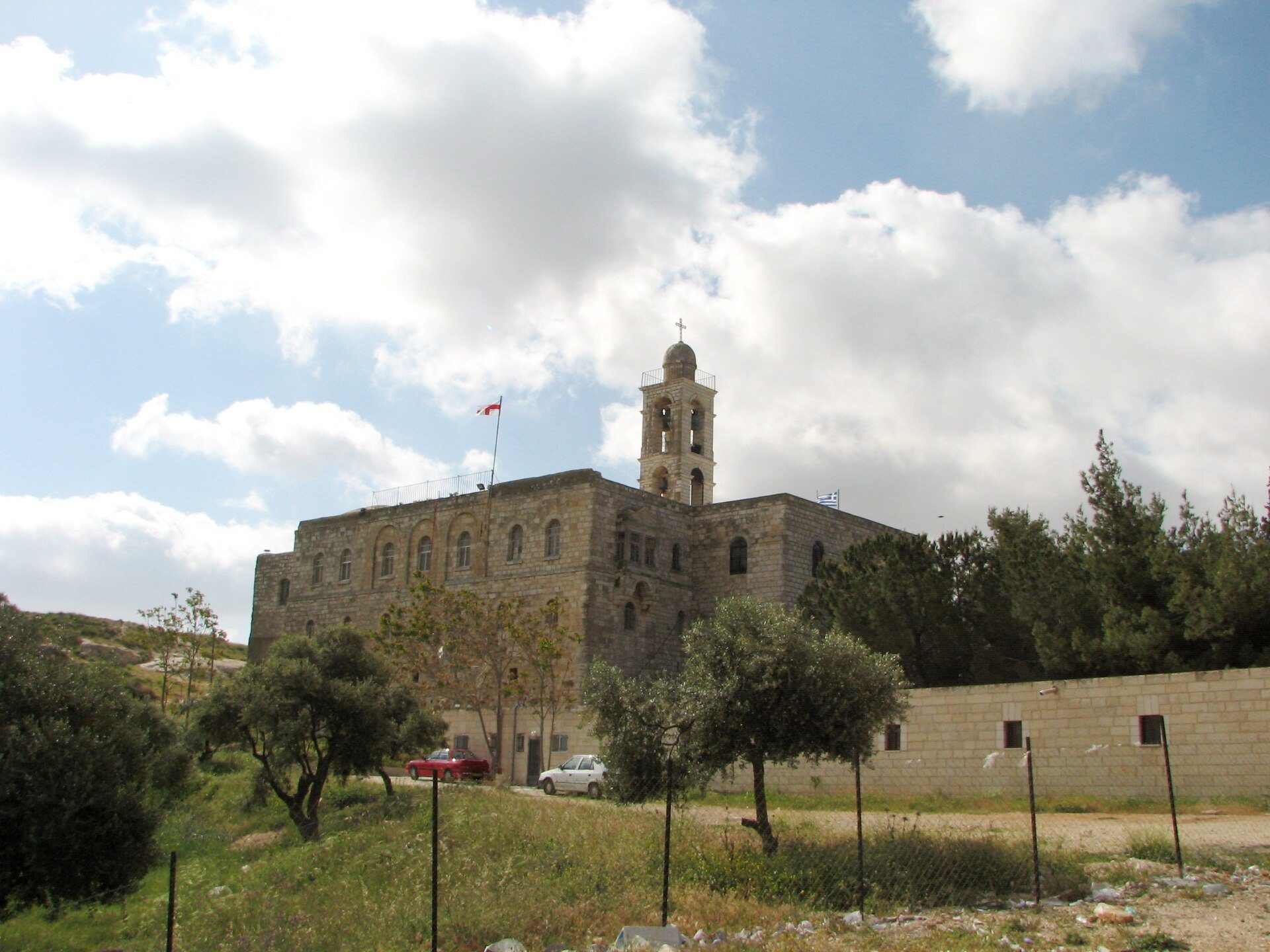
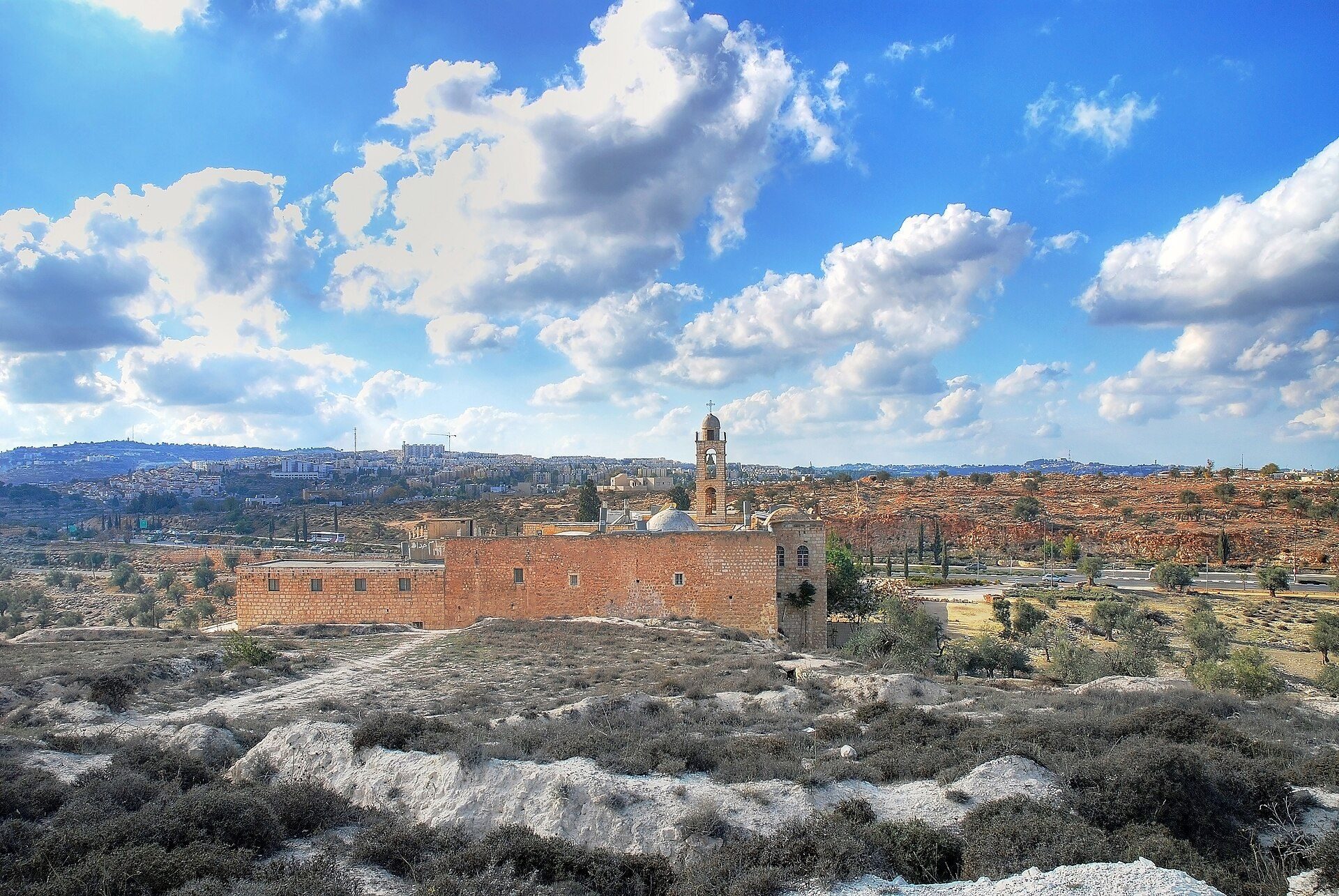
Mar Elias Monastery is a Greek Orthodox monastery on Hebron Road in Jerusalem, Israel, in an area also identified as East Jerusalem. It stands on a hill overlooking Bethlehem and Herodium, an ancient fortified site near Bethlehem. The monastery belongs to the Greek Orthodox Church, an Eastern Christian tradition rooted in Byzantine religious practice.
Christian Traditions and Medieval Reconstruction
Christian tradition connects the site with Elijah, also called Elias, the Hebrew Bible prophet whose flight from Jezebel is associated with his rest at this location. Jezebel was a queen remembered in biblical tradition for opposing Elijah. Another tradition identifies the monastery as the burial place of Elias, a Greek bishop of Bethlehem who died in 1345, and of Saint Elias of Egypt, an Egyptian monk who became Patriarch of Jerusalem in 494.
An earthquake destroyed the earlier monastery, after which Byzantine Emperor Manuel I Komnenos rebuilt it during the 1160s. The Byzantine Empire was the medieval Roman state centered on Constantinople. Since the fourth century, the monks of Mar Elias have cultivated olives and grapes.
Traditions of Mary and Later Conflict
A Christian tradition associates a large hackberry tree north of the monastery with Mary’s flight from Herod. According to the tradition, Mary rested beneath the tree while escaping the king’s order to execute the children of Bethlehem.
In 1956, one or possibly several Jordanian soldiers opened fire from the hill east of the monastery at Israeli archaeologists working at excavation sites across the valley at Ramat Rachel, an archaeological site and modern neighborhood in southern Jerusalem. Jacob Pinkerfield and three other people were killed, while 16 were wounded. During the 1967 Six-Day War, the Arab-Israeli war in which Israel captured territory including East Jerusalem and the West Bank, the Israel Defense Forces rapidly overran Jordanian defenses around the monastery while advancing toward Bethlehem and Hebron.
After 1967, the height known as Elijah Hill was renamed Givat ha’Arba’a, meaning “Hill of the Four,” in memory of the four people killed in the 1956 shooting.
Remains
Hilltop Monastery and Cultivated Land
The monastery occupies a hill overlooking Bethlehem and Herodium. Its grounds include cultivated olive trees and grapevines, reflecting the agricultural work maintained by the monks since the fourth century.
Hackberry Tree and Memorial Bench
North of the monastery stands a large hackberry tree associated with the tradition of Mary’s rest during her flight from Herod. A stone bench faces the monastery. The wife of the English painter William Holman Hunt, who produced several major works at this location, erected the bench. It carries biblical verses inscribed in Hebrew, Greek, Arabic, and English.