Lochnell House: A Historic Scottish Family Seat
Site at a Glance
- Popularity
- Medium
- Country
- United Kingdom
- Primary era
- Modern
- Eras represented
- Medieval, Early Modern, Modern
- Civilizations
- British, Kingdom of Scotland
- Site type
- Domestic
- Remains
- Elite Residence
On this page14 sections
History
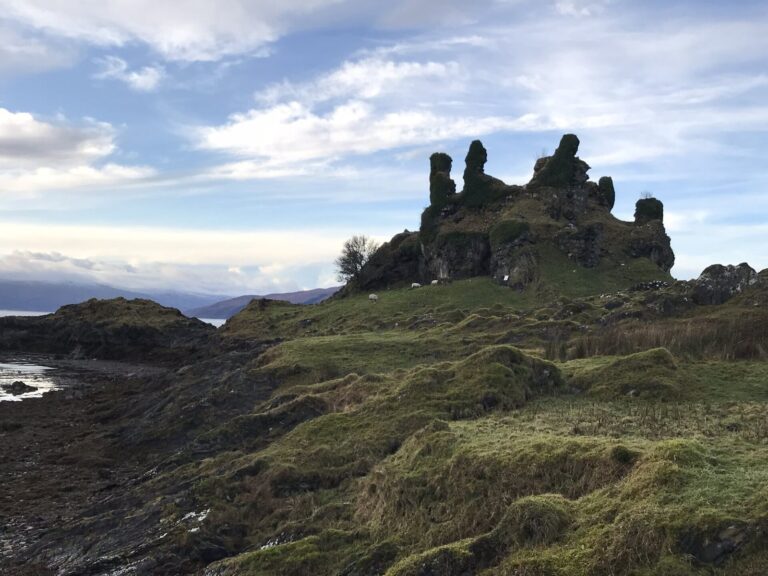
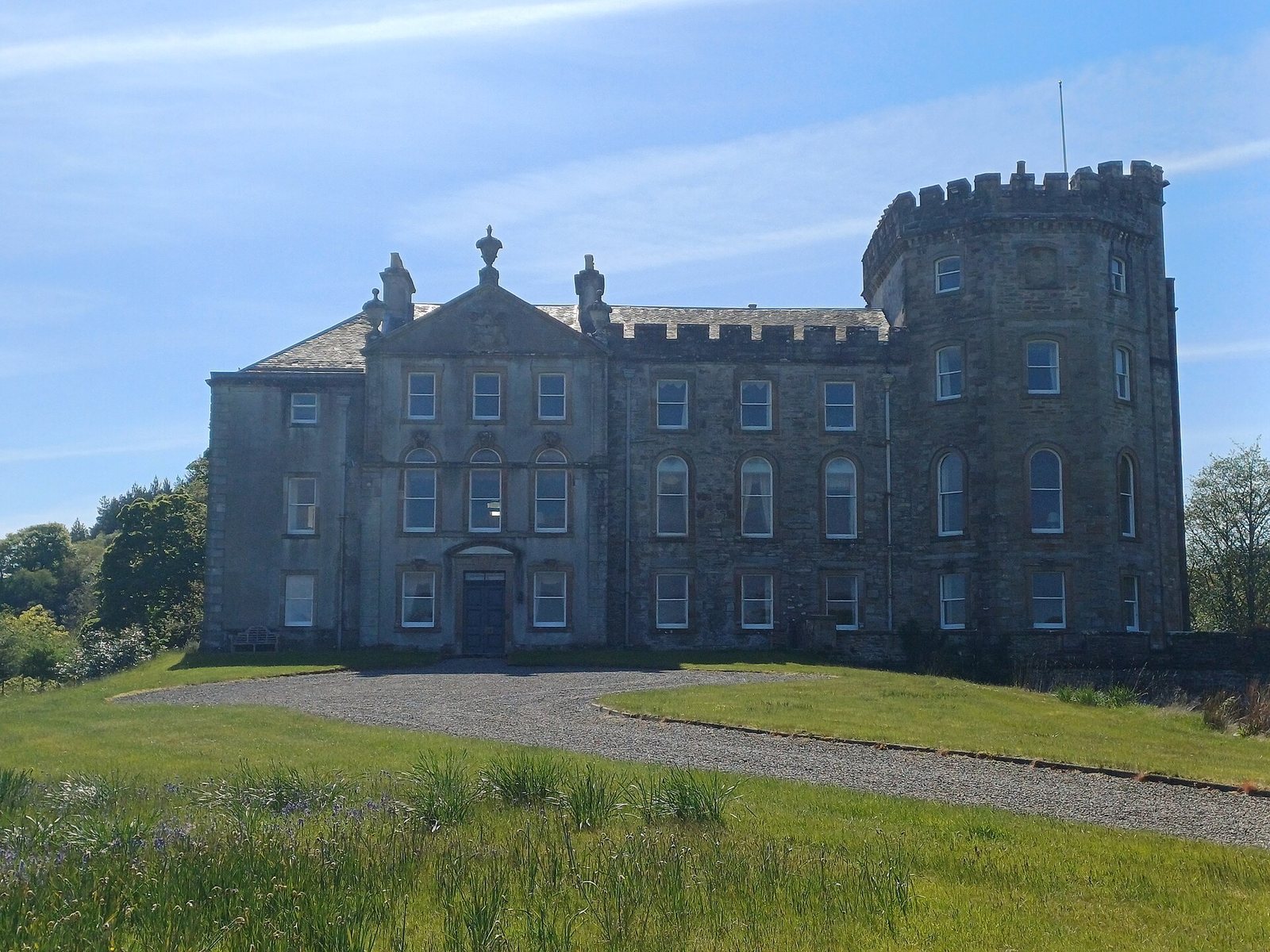
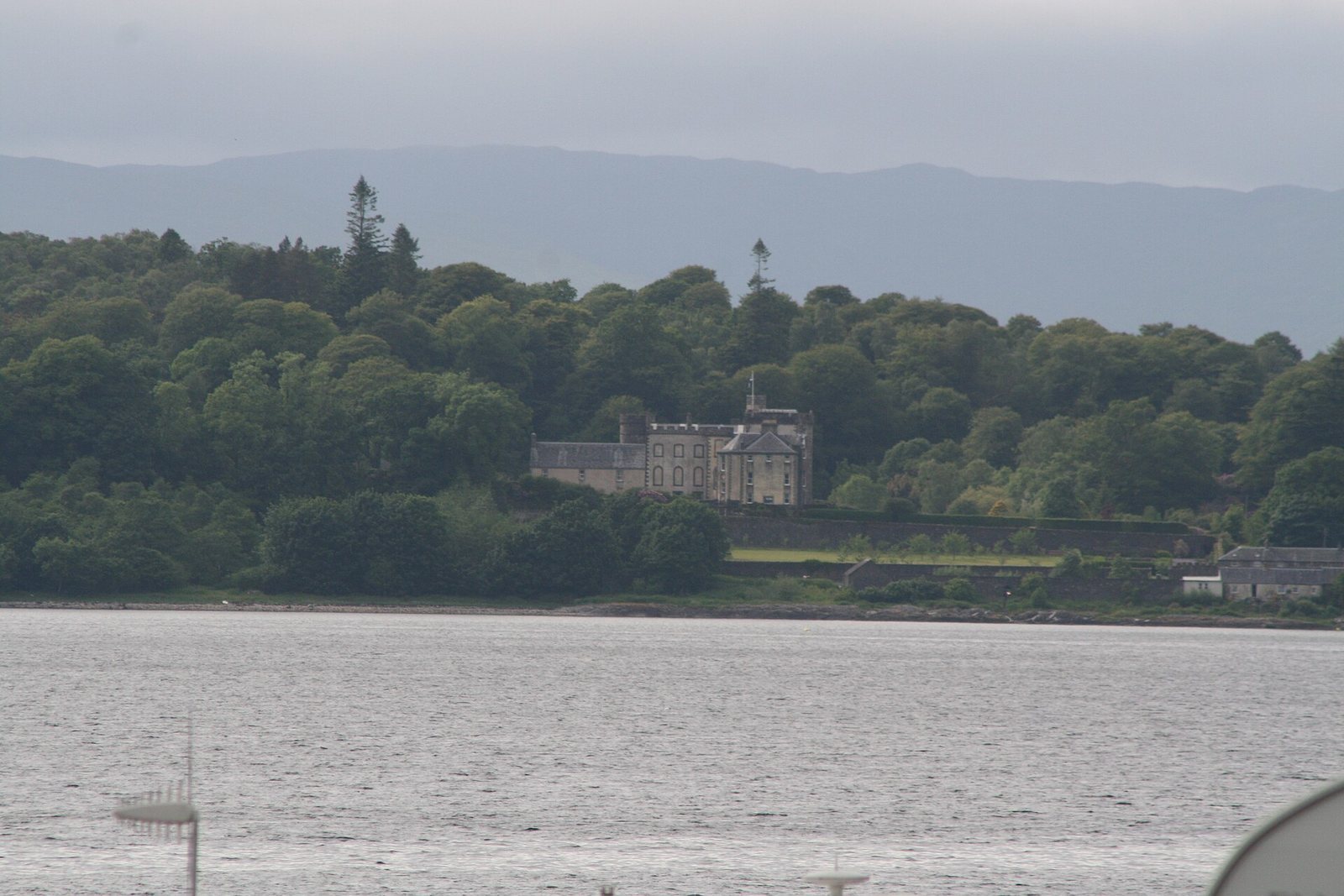
Lochnell House is a historic residence near Benderloch, on Ardmucknish Bay in the United Kingdom. The site’s religious use reaches back to around the sixth century, and the house later became the principal ancestral residence of the Campbell branch of Lochnell.
Religious beginnings and the Campbell residence
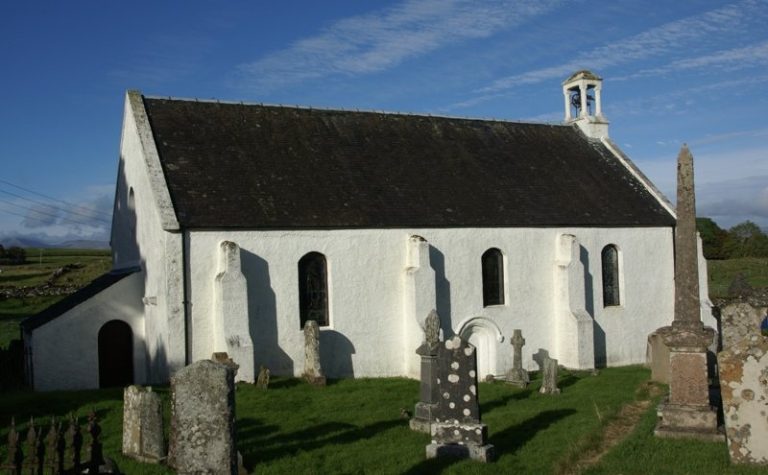
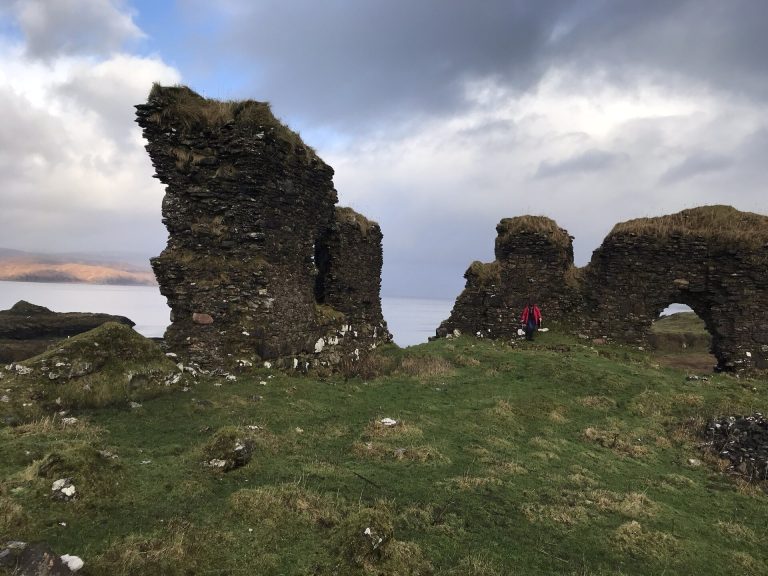
An early religious cell at the site was associated with Saint Columba, an Irish missionary monk connected with the spread of Christianity in Scotland. A chapel was built behind the house in the fifteenth century. Lochnell Castle is dated to 1587 and attributed to Archibald Campbell, fifth Earl of Argyll. The house is also associated with Sir Duncan Campbell, seventh of Lochnell. The family name reflects the Campbells’ connection with the area around Loch Nell, near Oban.
Eighteenth- and nineteenth-century changes
Duncan Campbell, eighth of Lochnell, added a separate dwelling in 1737–39. Between 1816 and 1820, the house was remodelled and enlarged, with a rear wing joining sections from different periods. At least two fires in the nineteenth century caused severe damage, and another fire may also have occurred. The house may have stood empty after the damage; some parts were made habitable again late in the century.
Twentieth century and continuing use
Thomas Cochrane, a Scottish nobleman and naval officer, purchased the estate in 1912. During the Second World War, the house was requisitioned for use as a brigade headquarters. The Cochrane family sold it in 1949 and bought it back in 1962. Lochnell House remains a private residence and serves as the family seat of Clan Cochrane and the Earl of Dundonald. It also houses Chile’s honorary consulate, a role connected with Thomas Cochrane’s association with Chile. The house became a Category A listed building in 1971, Scotland’s highest grade of listed-building protection.
Local legend says that a Brownie, a supernatural household being in Scottish folklore, haunts the house. Supernatural music is also said to have been heard there.
Remains
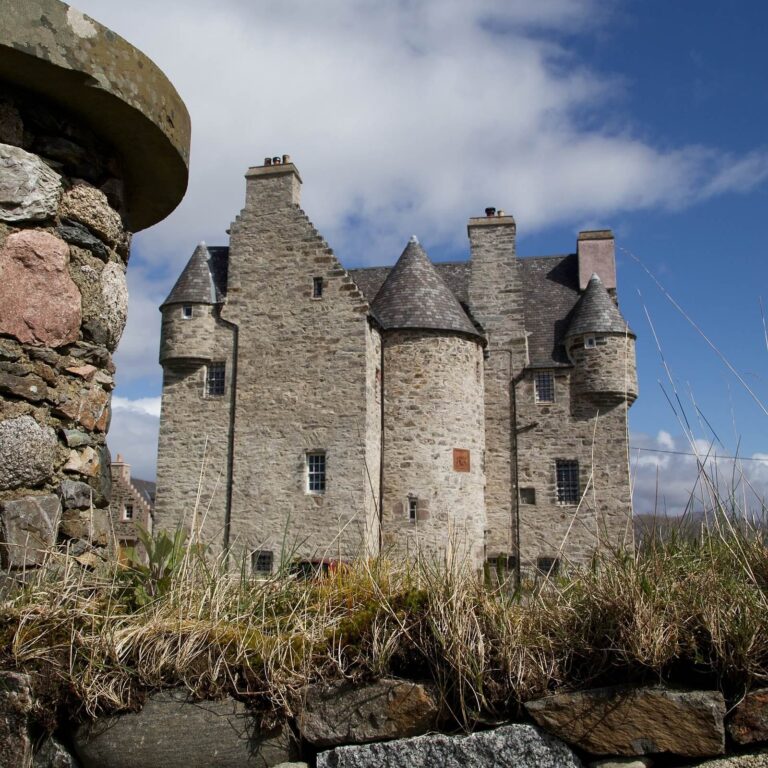
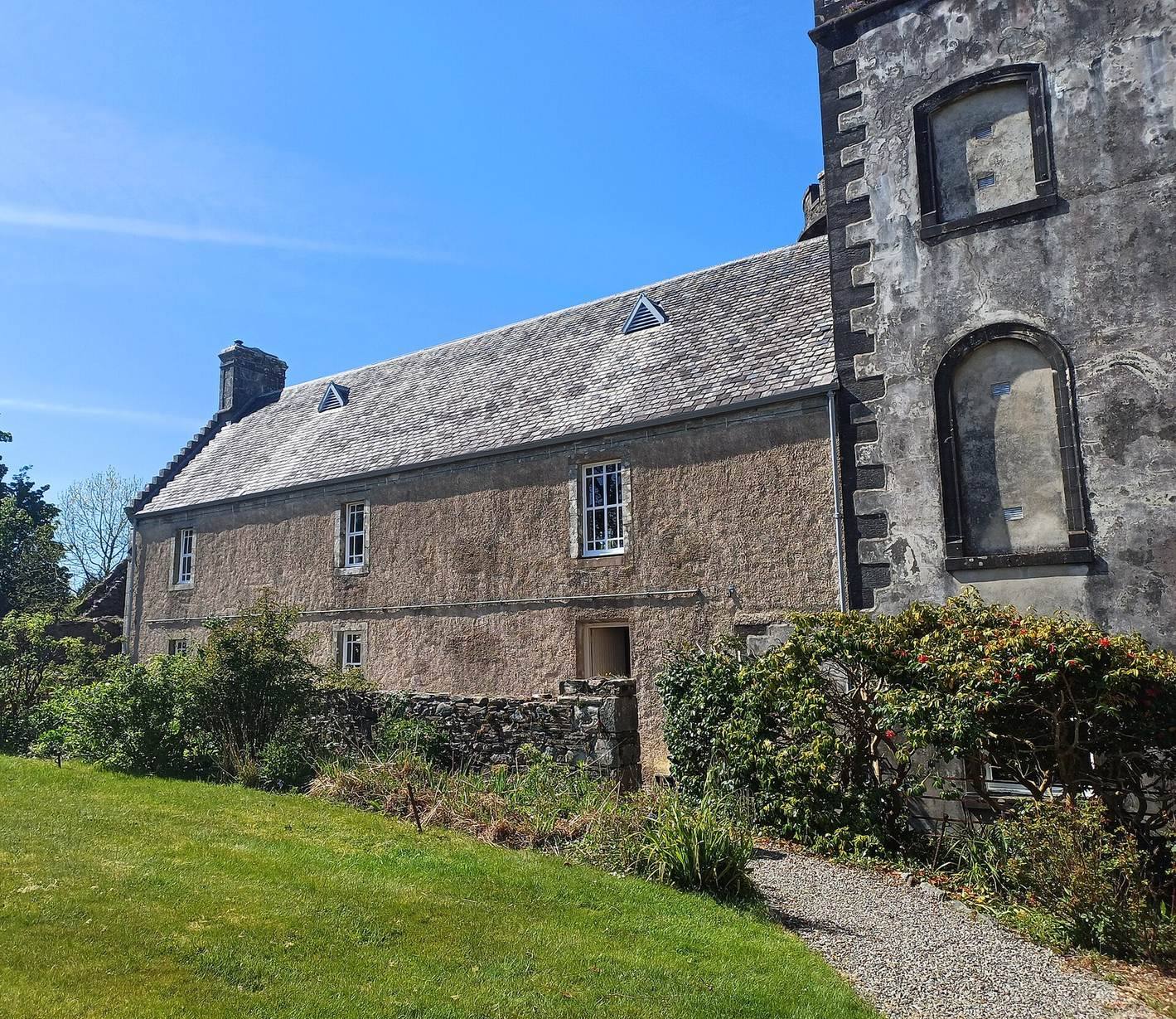
The house is a connected group of sections from different building periods, with the additions of the early nineteenth century forming most of its surviving core. It stands on the southeast side of a peninsula in Loch Linnhe, near Ardmucknish Bay, and has been largely restored. The estate includes several outbuildings, and Lochnell Observatory lies about 800 metres to the southwest.
Religious and early house remains
Cell and chapel
Traces of the early religious cell can be seen in the lower chamber beneath the chapel and beneath the main part of the house. The chapel stands at the rear of the house.
Original house fabric
The oldest surviving house fabric dates to the seventeenth century. The only surviving part of the original house is its southwest service wing.
Later house additions
Dwelling added in 1737–39
The separate dwelling stood east of the original house. It had three storeys, a facade divided into three window sections, and a roof sloping down on all sides. A half-octagonal tower containing a spiral staircase stood against its southwest side. A new main building was positioned directly to its northeast.
Connecting wing
A rear wing built between 1816 and 1820 joined building sections from different centuries. Together, these additions make up most of the house’s surviving core.
Other estate features
Yew staircase
The staircase is said to have been made from a large yew tree that Sir Duncan Campbell of Lochnell felled on Bernera Island before 1770. The wooden staircase survived at least two fires at the house.
Lady Margaret’s Tower
Lady Margaret’s Tower is an eighteenth-century folly, a decorative structure built chiefly for ornament, on a nearby hill within the estate. It is separate from the house.