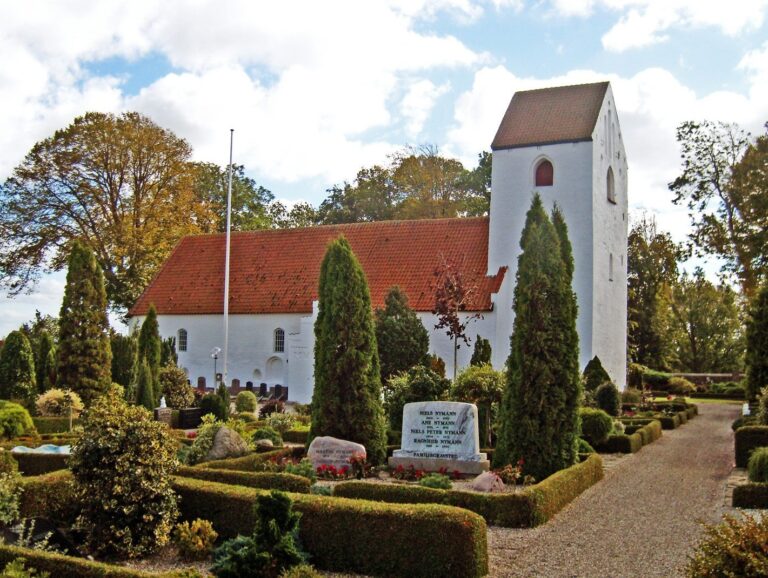
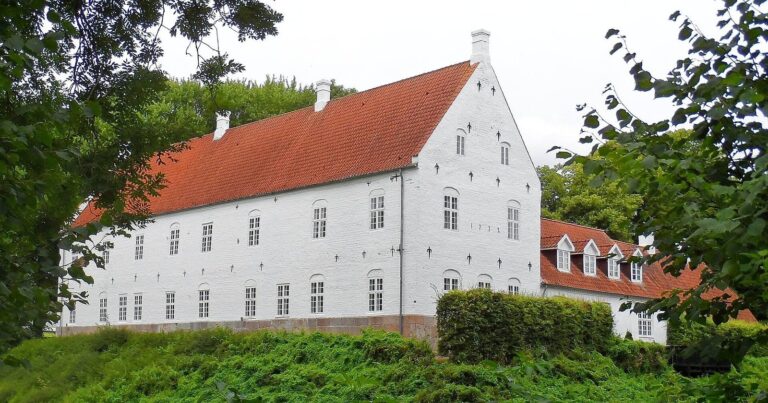
Lindholm Høje: A Burial Ground and Settlement in Denmark
Site at a Glance
- Rating
- 4.7
- Popularity
- Medium
- Country
- Denmark
- Primary era
- Medieval
- Eras represented
- Classical, Medieval
- Civilizations
- Danish, Norse
- Site type
- Burial
- Remains
- Necropolis
On this page14 sections
History
Lindholm Høje is a burial ground and settlement on a hill north of the Limfjord near Aalborg, Denmark, used from the fifth century into the Viking Age, a period of Scandinavian seafaring and expansion conventionally dated from the late eighth to the eleventh century.
Burial and settlement
Burial customs at the site changed over time. Early burials placed bodies in the ground, but cremation later became common. Burial of intact bodies grew more frequent again in the tenth century, probably under Christian influence. The burial ground also occupied an important crossing of the Limfjord. Marshes along the fjord restricted crossings to Lindholm Høje or Aggersund farther west. Its position and finds point to a likely role as an important trading center.
Sand and abandonment
Drifting sand covered the area around 1100 and helped preserve it. The settlement was abandoned around 1200, probably after extensive tree clearance left the coast more exposed to sand blown inland from the west. In later centuries, people took stones exposed by shifting sand for building; in the nineteenth century, some were broken up for road construction.
Excavation and protection
Small excavations took place in 1889. In 1896, amateur archaeologist Augusta Zangenberg tried to buy the land for 200 kroner. Excavations under her direction revealed many graves, after which the owner demanded 2,000 kroner, and the purchase fell through. Forest owner Lassen acquired the area in 1898, planted trees, and gave it to Nørresundby municipality in 1901. The site received protection that year.
Archaeologist Oscar Marseen led large-scale excavations from 1952 to 1958, during which about 600 of roughly 700 graves were excavated. The burial ground was placed under protection in 1960, following the site’s earlier protection. Since 2004, the adjacent museum has belonged to the Northern Jutland Historical Museum.
Remains
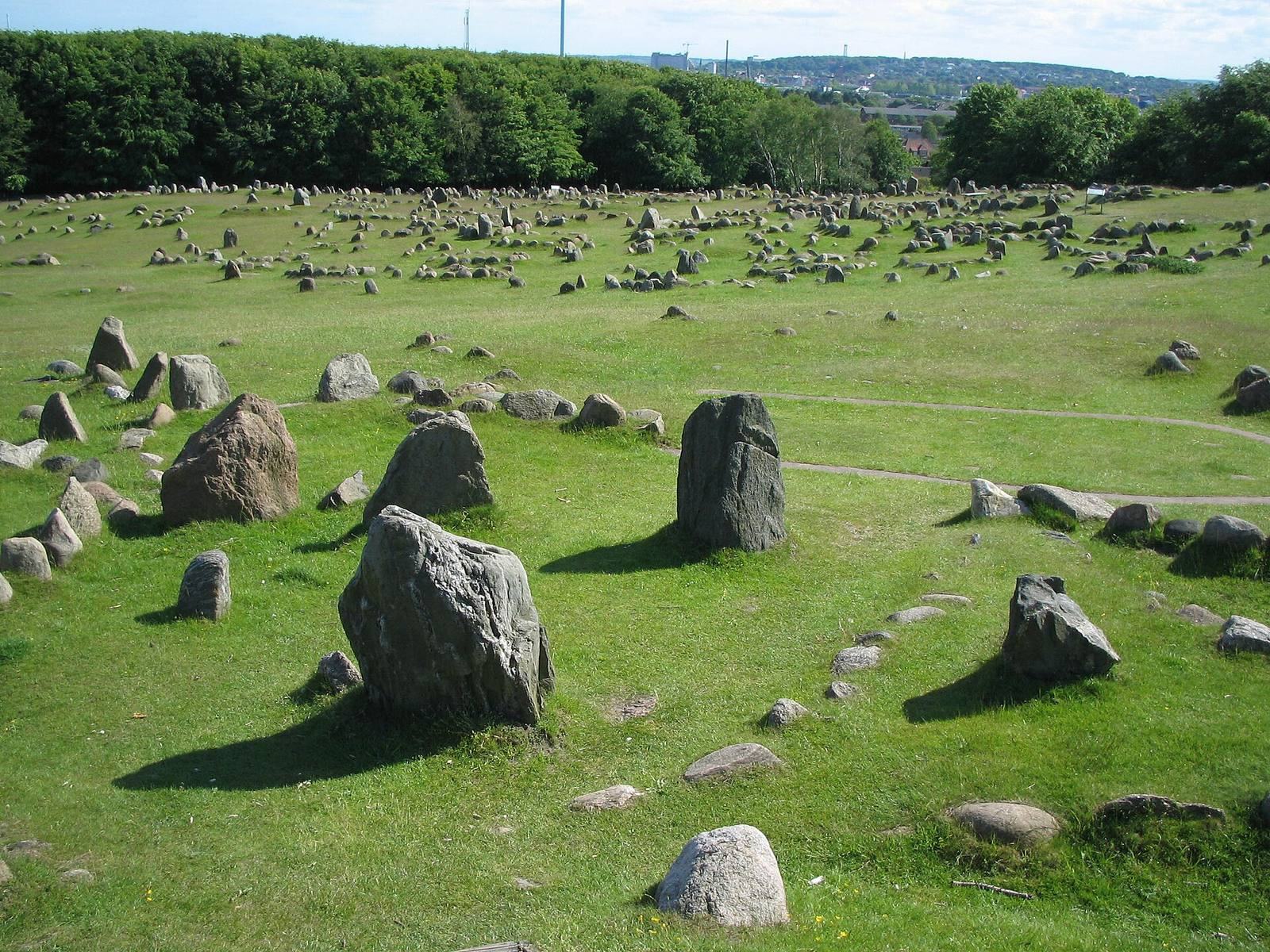
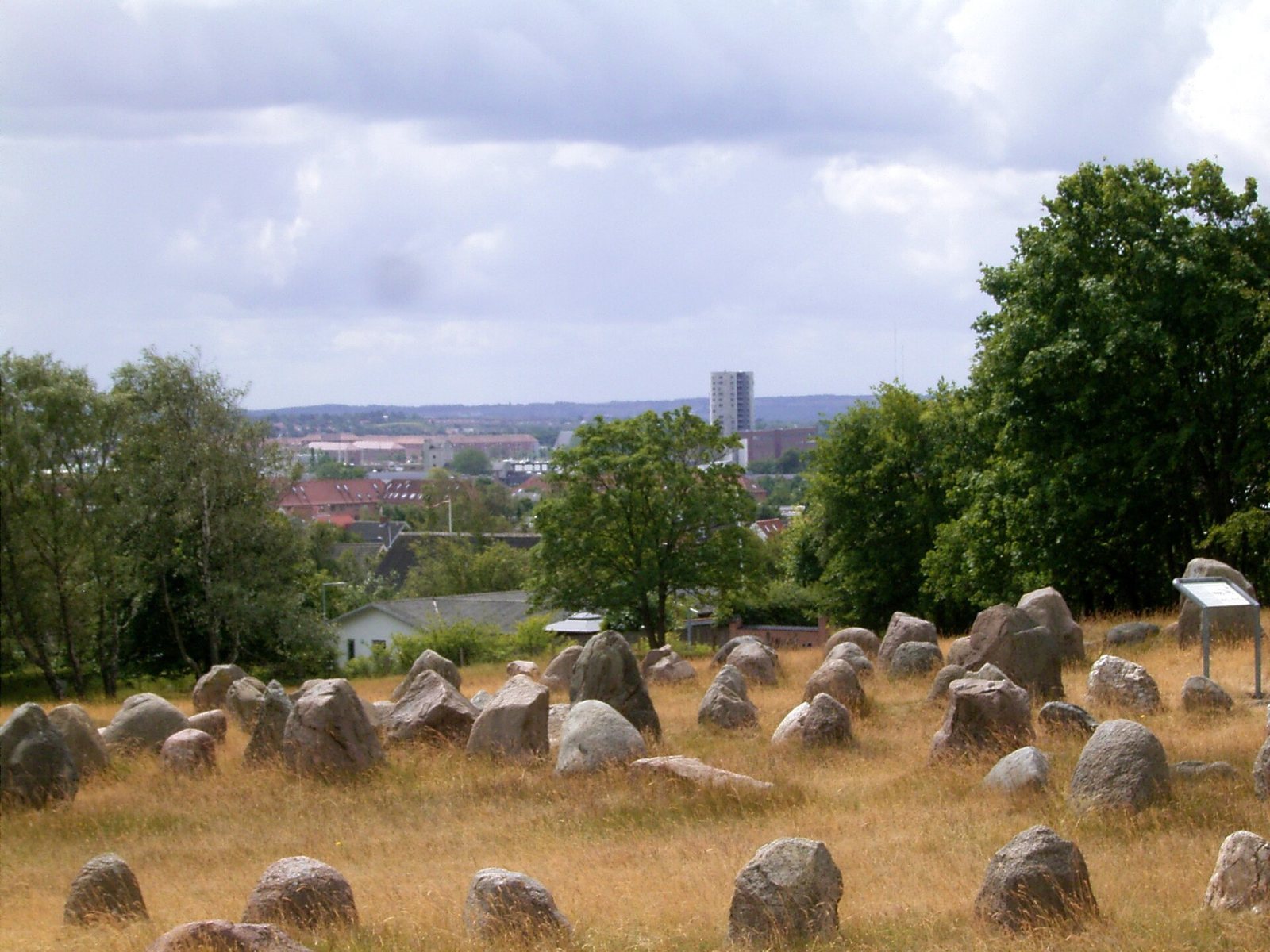
The burial ground extends over a hill rising about 42 metres above the fjord. Its northern part occupies higher ground, while the southern part lies lower. More than 700 graves are marked by varied stone settings, alongside remains of houses, a longhouse, and a ploughed field.
Grave markers and burials
Grave settings
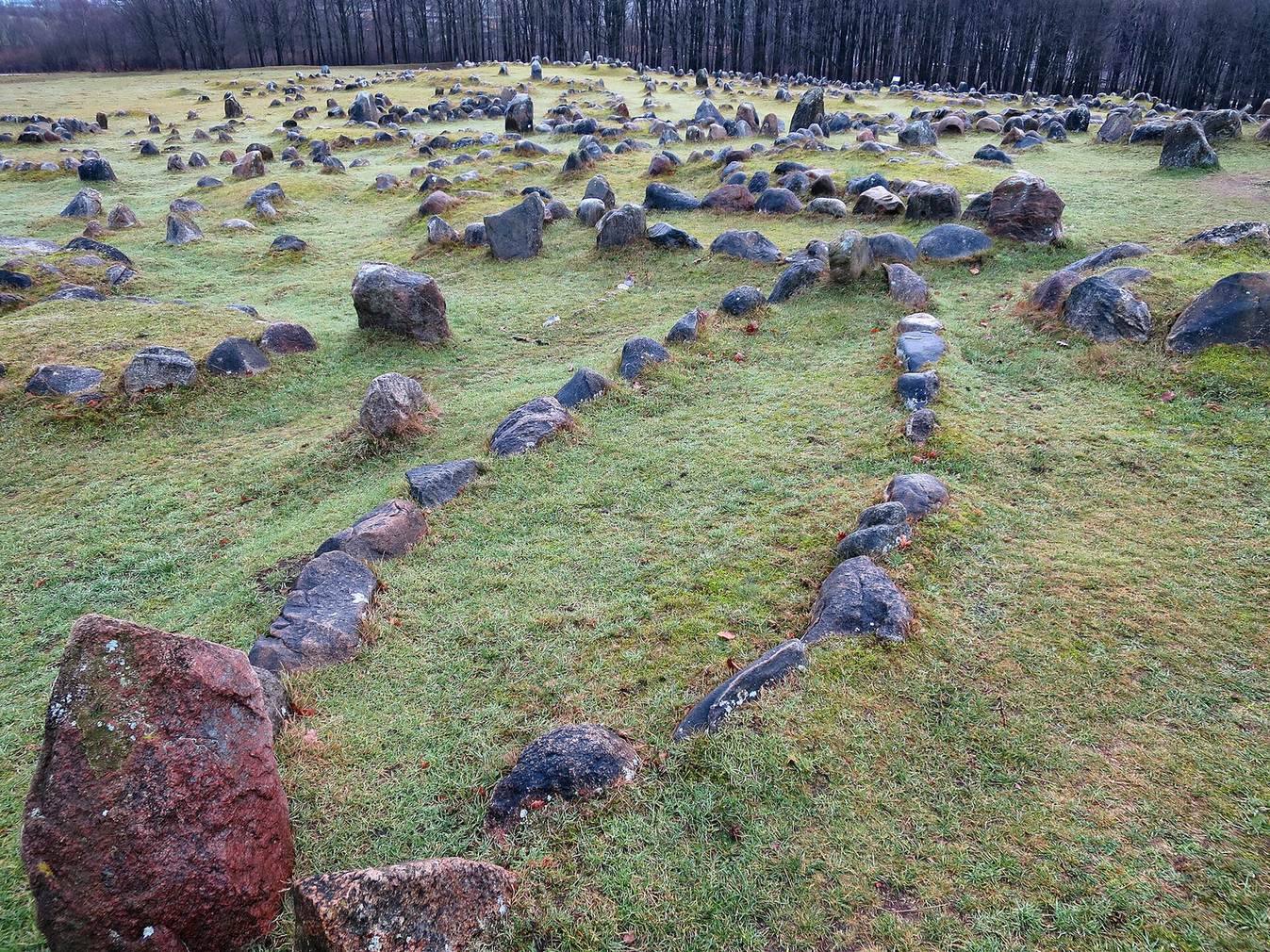
The northern, higher part of the burial ground is much earlier than the lower southern area, which is assigned to about 1000–1050. Most graves are cremations, though burials of intact bodies are also present; some pre-Viking burials lay beneath mounds. Men’s graves were commonly marked by triangular stone settings with inward-curving sides or by ship-shaped outlines, while women’s graves often had circular or oval settings. Other graves have groups of stones. The ship-shaped settings form an exceptionally well-preserved group, and the shapes may have reflected the status of the deceased.
Warrior’s grave
Near the hilltop, a seventh-century warrior’s grave was enclosed with stones, with flint pieces placed on top. A single-edged sword lay beside the warrior, and a dog was buried with him. Dog remains have also been found in 223 graves belonging to men and women.
Settlement and landscape features
Houses and longhouse
Settlement remains include a group of houses north of the burial ground, used in the eighth century, and another group to the south, occupied from the late tenth to the early twelfth century. Near the hilltop, foundations of a Viking longhouse were uncovered. Its slightly curved walls had supporting posts on the outside, and the foundations were filled with asphalt to make them easier to see.
Ploughed field and sand deposits
Sand preserved traces of a ploughed field lower on the hillside. Its furrows show the use of a plough that turned the soil, and the evidence suggests a farmer returned once before abandoning the land. Sand deposits reach four to five metres in some places.
Finds and museum
Objects from the site
Finds include coins, pottery, soapstone pots, glassware, gems, Arab coins, and amber amulets shaped like the hammers of Thor, a major god in pre-Christian Norse religion. A silver brooch from a grave, dated to the eleventh century, is in Urnes style, a late Viking Age Scandinavian style of animal ornament. It served as a model for bronze copies cast in a Lund jewellery workshop in the early twelfth century.
Museum
The museum occupies buildings beside the burial ground. Its exhibitions present finds from Lindholm Høje and the history of the wider Limfjord area, including life during the Iron Age and Viking Age.