Latomia dei Cappuccini: Syracuse’s Ancient Stone Quarry
Site at a Glance
- Popularity
- Medium
- Country
- Italy
- Primary era
- Iron Age
- Eras represented
- Iron Age, Early Modern, Modern
- Civilizations
- Ancient Greek, Italian, Kingdom of Sicily, Spanish
- Site type
- Economic
- Remains
- Quarry
On this page8 sections
History
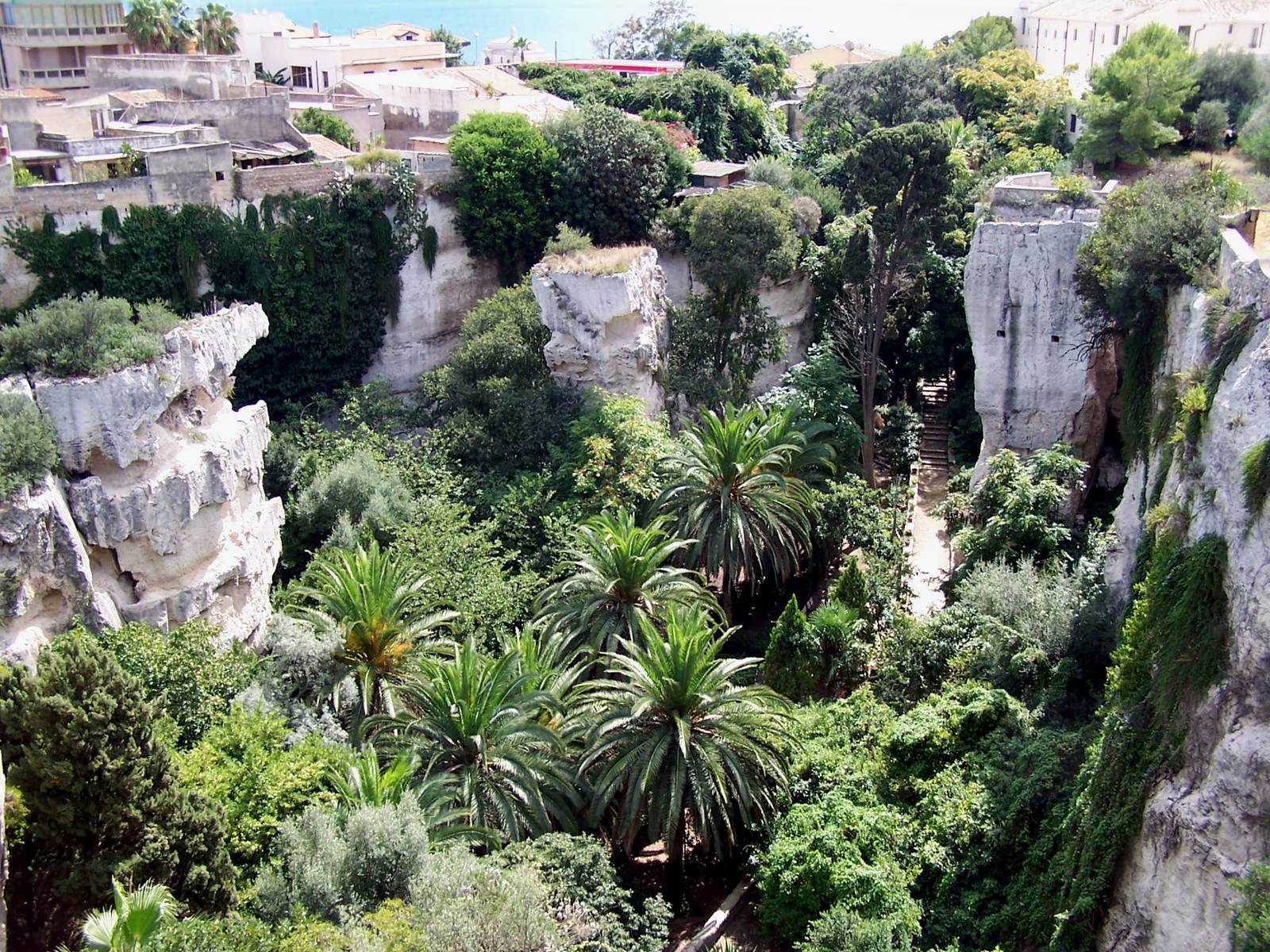
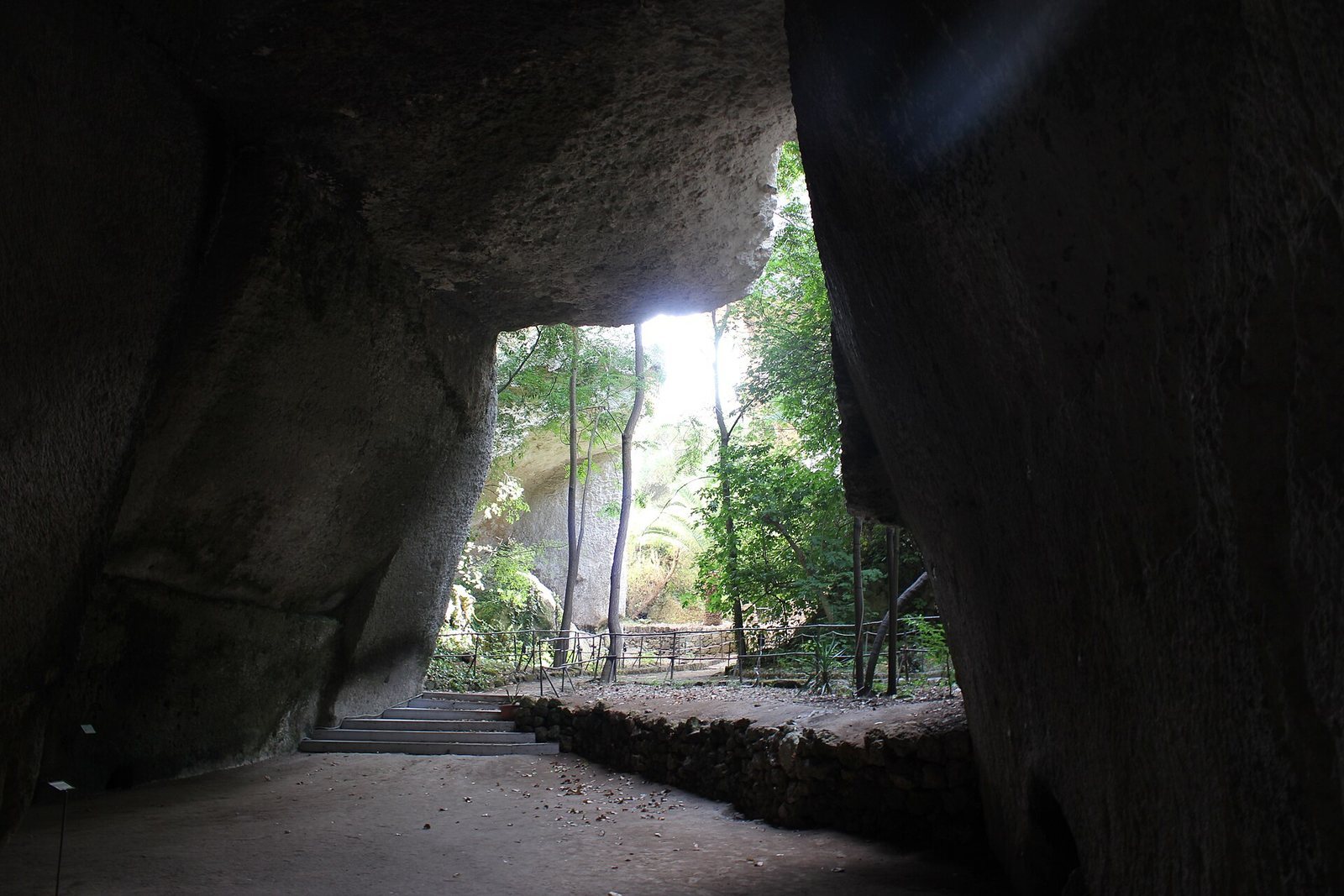
Latomia dei Cappuccini is an ancient stone quarry in Syracuse, Italy, used from the sixth century BCE and the largest of the city’s quarries. Its stone supplied material for Syracuse’s monuments and houses.
Ancient quarry and later uses
In 413 BCE, during the Peloponnesian War between Athens and Sparta and their allies, Syracuse defeated Athenian forces in the disastrous campaign in Sicily. Captured soldiers were imprisoned in Syracuse’s quarries, including Latomia dei Cappuccini, and left to die there. After the Greek period, parts of the quarry were used for worship and as burial places in both pagan and Christian contexts.
Medieval use and the convent
During the 827 siege of Syracuse, Muslim forces led by jurist and military commander Asad ibn al-Furat camped in the quarry. At the end of the sixteenth century, the city ceded it to the Capuchin friars, a branch of the Franciscan order, whose convent stood above it. The quarry took its lasting name from the convent and was cultivated for its use.
Travel accounts and public garden
Italian traveler and writer Pietro Della Valle visited in 1625 and left one of the earliest descriptions of the site. From the second half of the eighteenth century through the nineteenth, Syracuse became part of the Grand Tour, an extended educational and cultural journey popular with European travelers. Scottish travel writer Patrick Brydone and French artist and traveler Dominique Vivant Denon were among those who wrote about the quarry; Denon visited in 1778.
In 1868, after ecclesiastical property was confiscated, the quarry became public property and was acquired by the Municipality of Syracuse. It opened as a public garden in the early twentieth century. A collapse in the 1960s led to its closure for safety and a period of abandonment. Later consolidation and improvement work, carried out through the intervention of Italia Nostra Siracusa, an organization concerned with protecting cultural heritage and the environment, enabled it to reopen.
Remains
Quarry and underground spaces
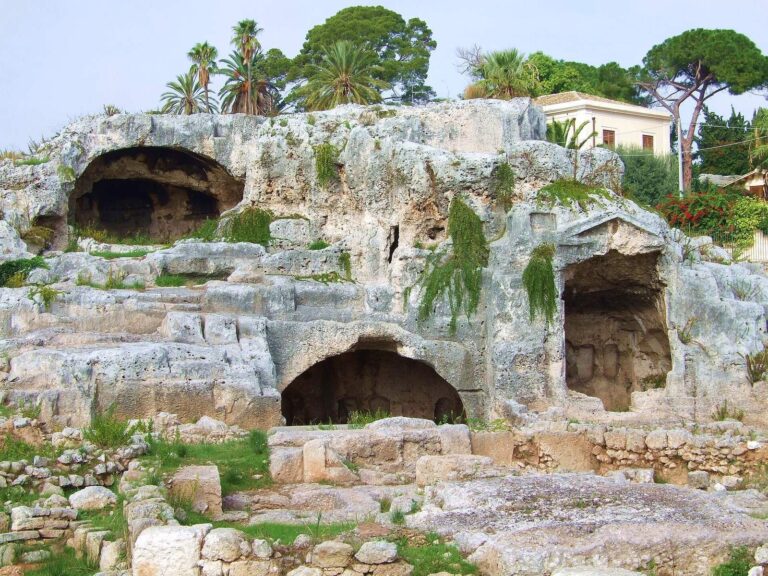
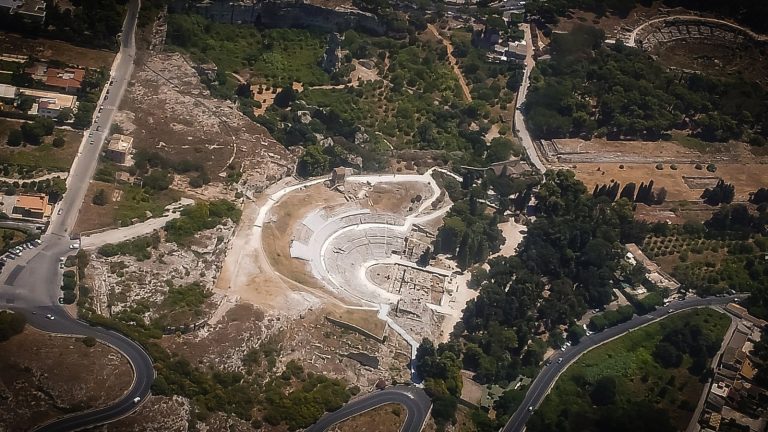
The quarry covers about 23,000 square metres, and its stated height is 30 to 40 metres. Underground chambers are also among the site’s features.
Garden and performance space
The convent garden had an irrigation system. The public garden included planted beds and ornamental species, as well as a small open-air theater. Called a garden theater, it takes the form of a staircase suitable for staging performances.
Rocky recess
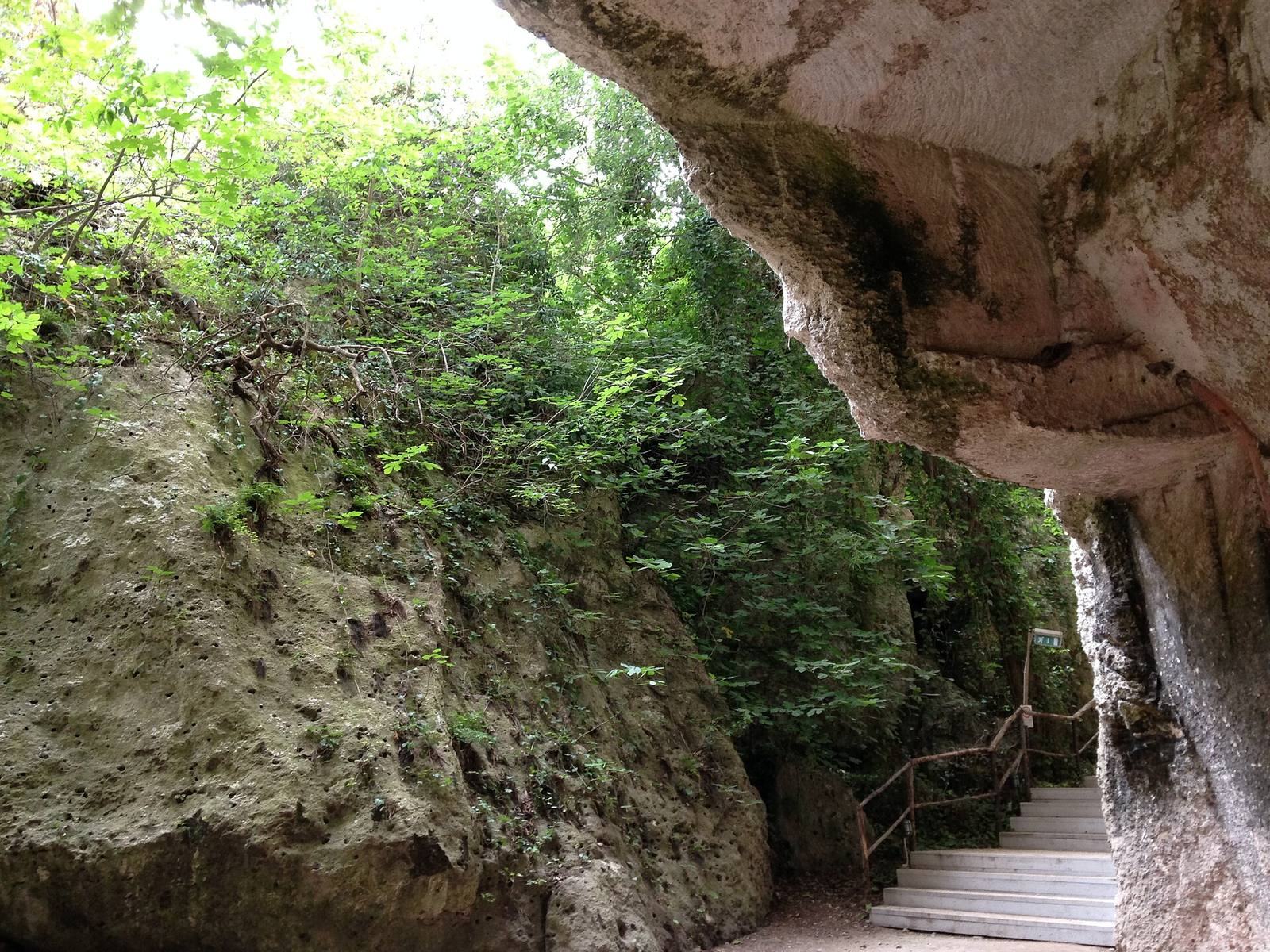
Denon compared a rocky recess in the quarry to Syracuse’s Ear of Dionysius, a well-known cave-like quarry, but considered its resemblance less pronounced.