Laling Fort: A Faruqi Stronghold in Khandesh
Site at a Glance
- Popularity
- Medium
- Country
- India
- Primary era
- Medieval
- Eras represented
- Medieval
- Civilizations
- Unclassified
- Site type
- Military
- Remains
- Fort
On this page7 sections
History
Faruqi rule and the 1437 siege
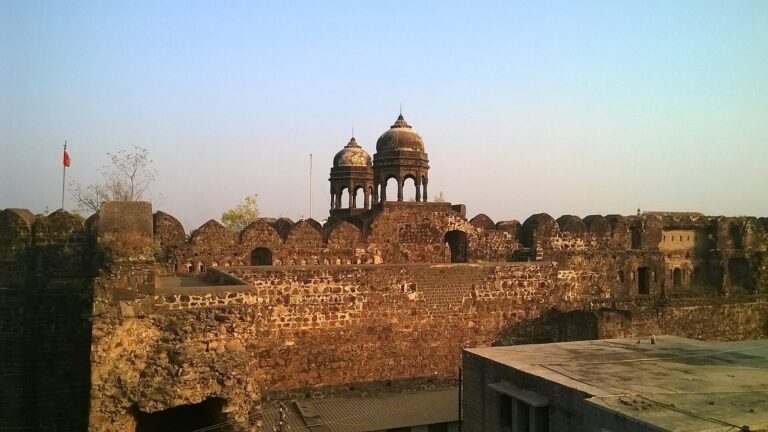
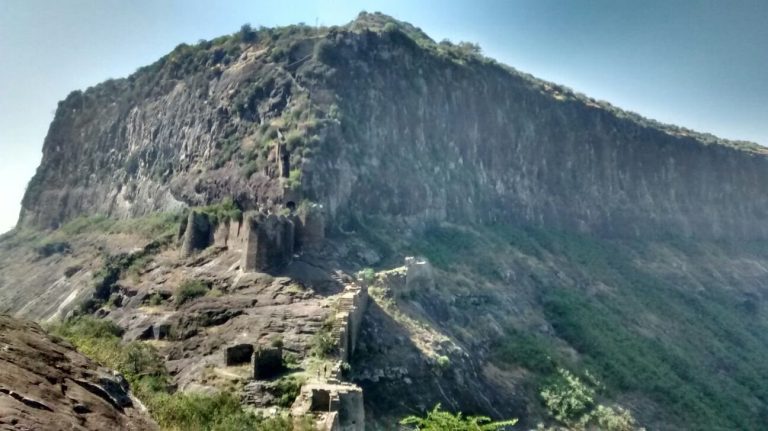
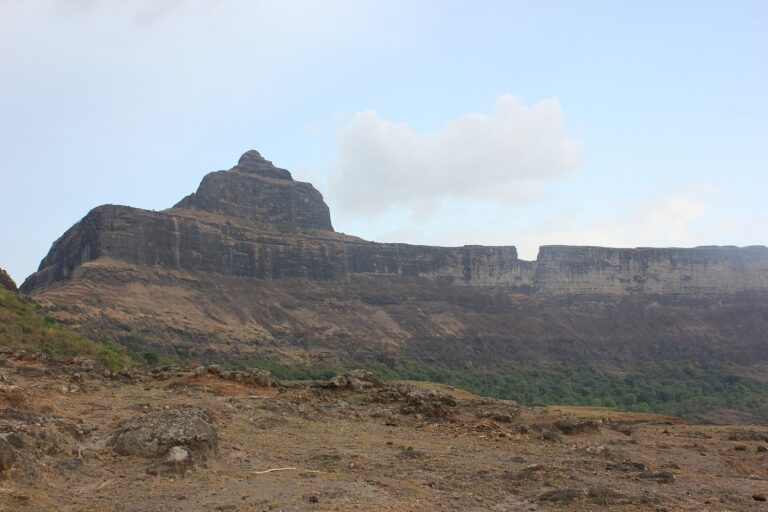
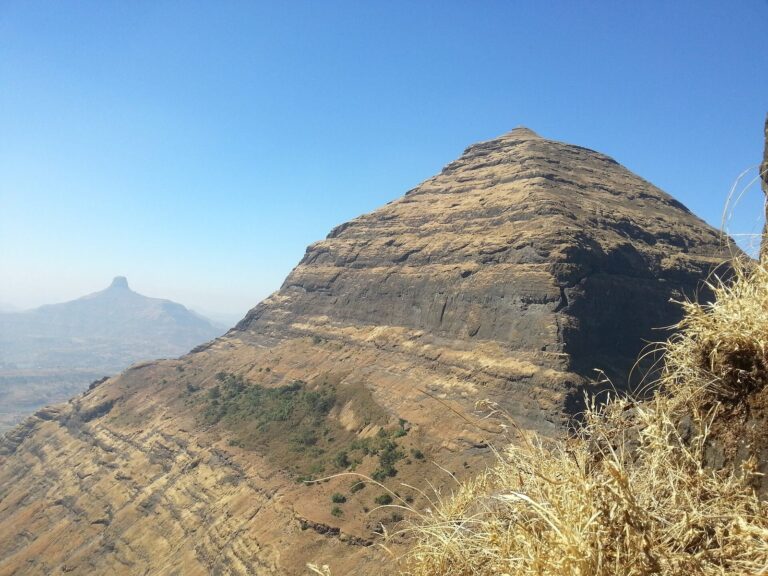
Laling Fort is a hill stronghold in India, on a plateau atop Laling Hill about one kilometre southwest of Laling village and ten kilometres south of Dhule. It was an important fort in Khandesh under the Faruqi dynasty, which held it from about 1370 to 1600. The fort is thought to have been built during the reign of the dynasty’s first ruler, perhaps at the initiative of Malik Ahmad, its founder.
Malik Raja, an early Faruqi ruler, granted Laling to his eldest son and successor, Nasir Khan. Choosing it over Thalner for this grant indicates that Laling was Malik Raja’s principal fort. In 1437, forces of the Bahmani Sultanate, a major power in the Deccan, besieged Nasir Khan and his son Miran Adil Khan there. The siege ended when an army advancing from Gujarat came to their aid. Laling’s history also includes Nasir Khan’s massacre of Asa Ahir, though no date is specified.
Mughal conquest and later use
The Mughal conquest of Khandesh around 1600 ended Faruqi rule and the fort’s former importance. Laling was later associated with Mughal troop movements during campaigns in the Deccan in the early seventeenth century. It stood beside the historic commercial road connecting Surat and Burhanpur. Its garrison occupants over time included Ahirs, a historically pastoral community, as well as Faruqis, Holkars, a Maratha ruling house, and the British.
By 1862, Laling was described as strongly situated, although very few of its defenses remained.
Remains
Fort and summit
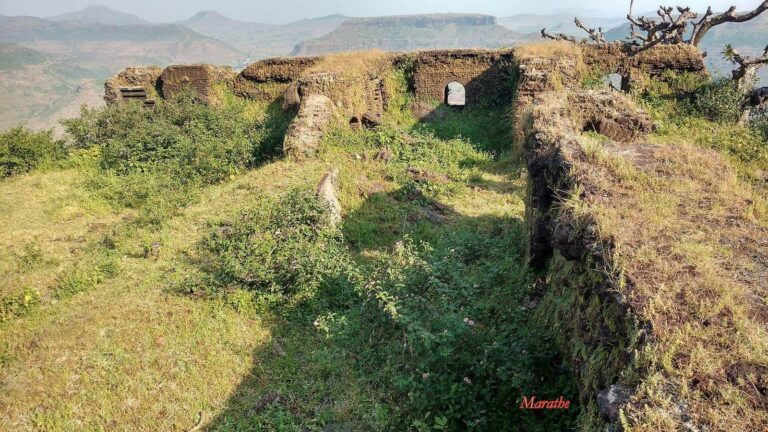
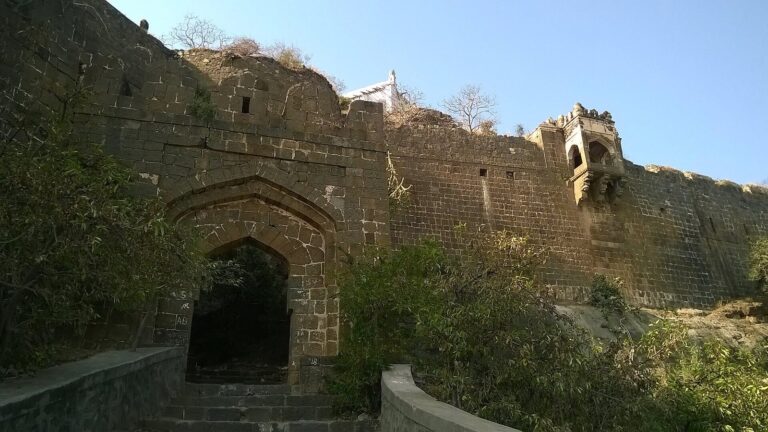
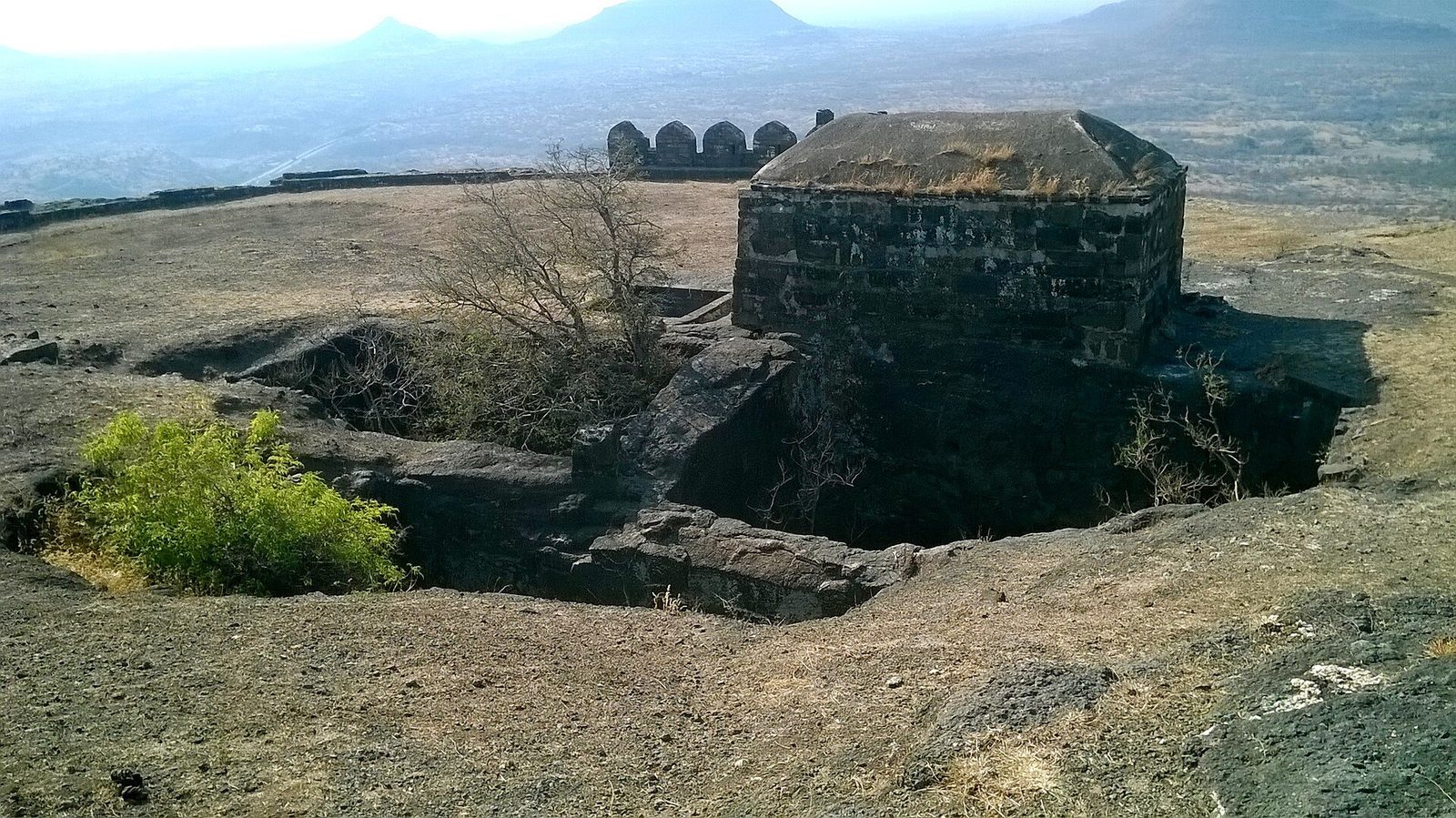
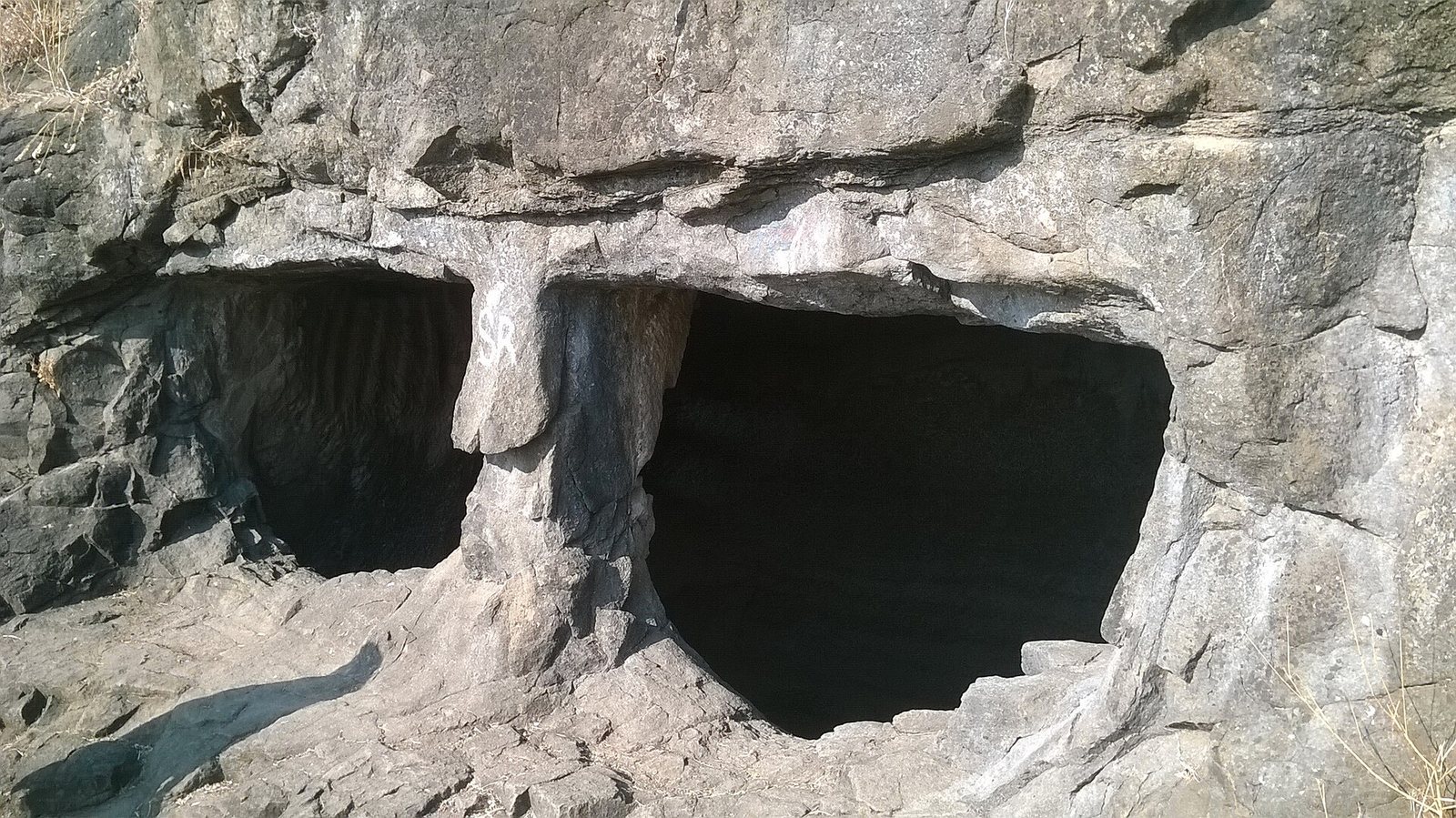
The ruined fort occupies a high rocky plateau. Built with stone, lime, and lead, it has collapsed, leaving sections of its circuit wall and several cisterns cut into the rock. These water cisterns are part of the surviving remains across the fort’s rocky ground.
Summit temple and southern exit
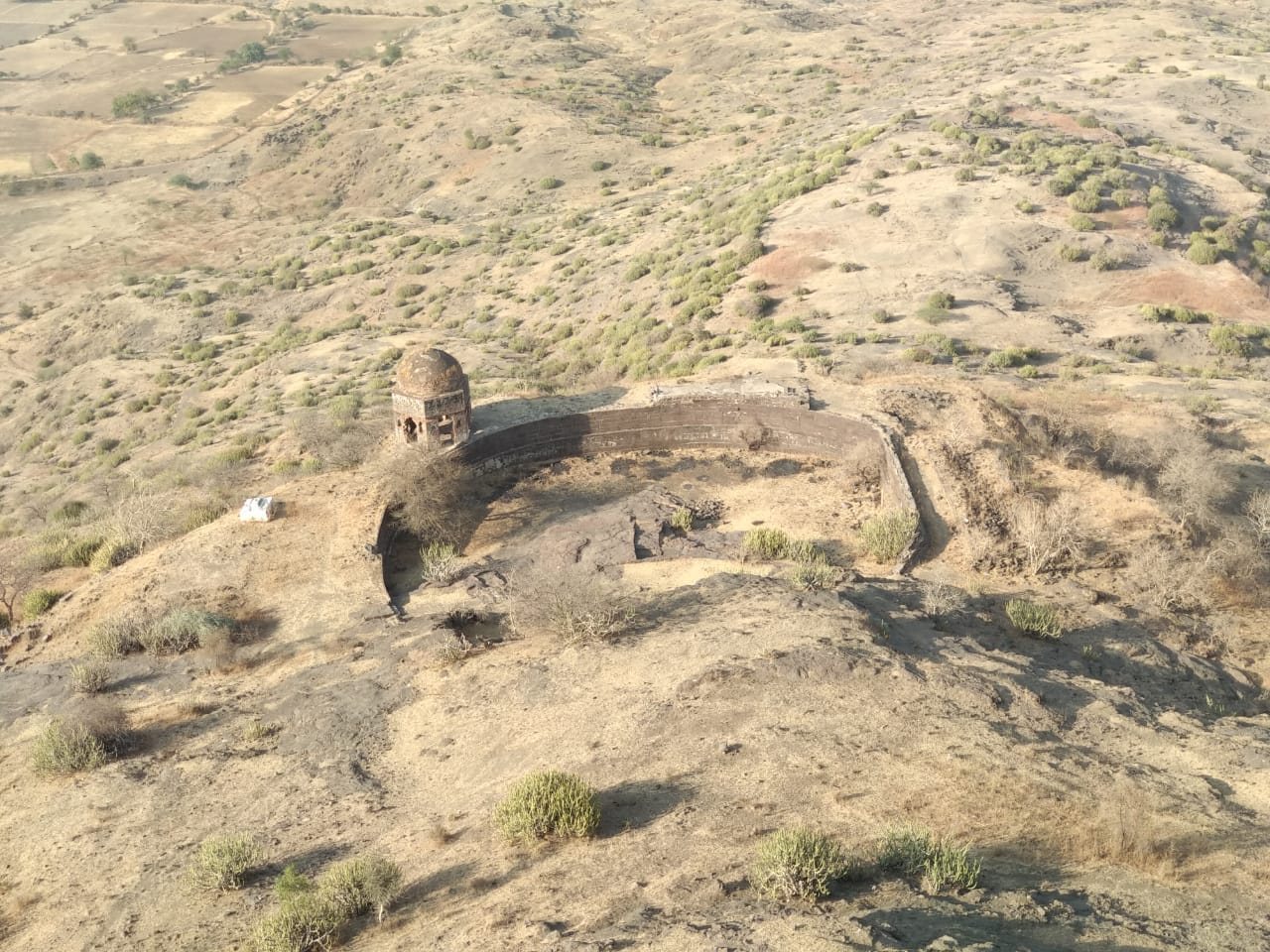
A Lilitamata temple stands at the summit. On the southern side, an escape gate leads to a semicircular dam, with a nearby chatri, a small pavilion or canopy.
Structures at Laling village
Two village temples built in the Hemadpanthi style, a medieval Deccan temple-building style, are dilapidated. A well of the same style also stands in the village.