Dhodap Fort: A Hill Fort Associated with Maratha History
Site at a Glance
- Popularity
- High
- Country
- India
- Primary era
- Unclassified
- Eras represented
- Unclassified
- Civilizations
- Unclassified
- Site type
- Military
- Remains
- Fort
On this page6 sections
History
Dhodap Fort is a hill fort in Nashik district, Maharashtra, India, associated with Maratha political and military history. Its name derives from Dhodambe, a village in Maharashtra.
Shivaji’s visit in 1670
On his return from his second raid on Surat in 1670, Chhatrapati Shivaji Maharaj visited Dhodap, apparently intending to store treasure there. Shivaji was the founder and first ruler of the Maratha kingdom; Chhatrapati was a sovereign title. A few days later, the Battle of Dindori was fought between the Marathas, a major Indian power, and the Mughals, rulers of a large South Asian empire.
Dhodap during the Peshwa period
In 1768, Madhavrao Peshwa defeated the forces of his uncle Raghobadada near the fort. The Peshwa was the chief minister of the Maratha state. Raghobadada, also known as Raghunathrao and a Maratha political leader, then took refuge at Dhodap.
Remains
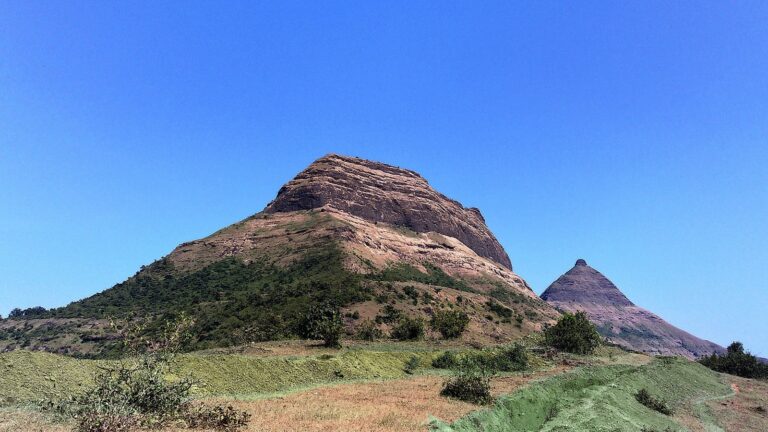
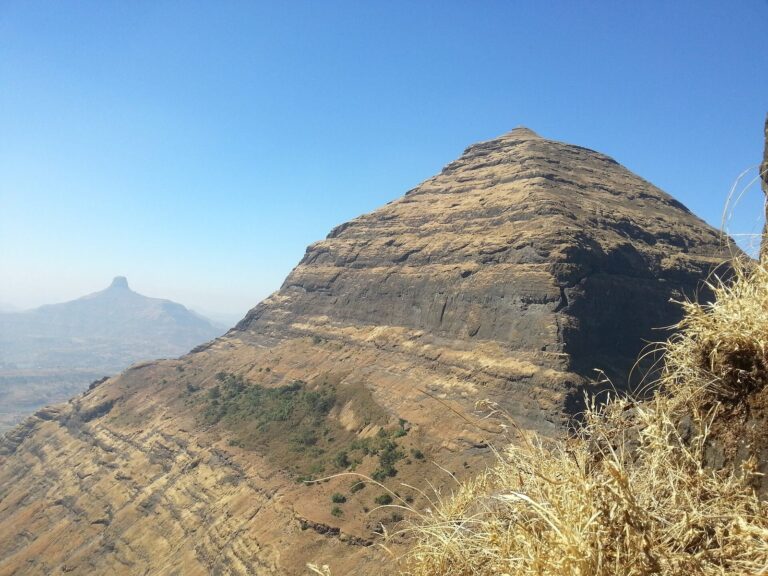
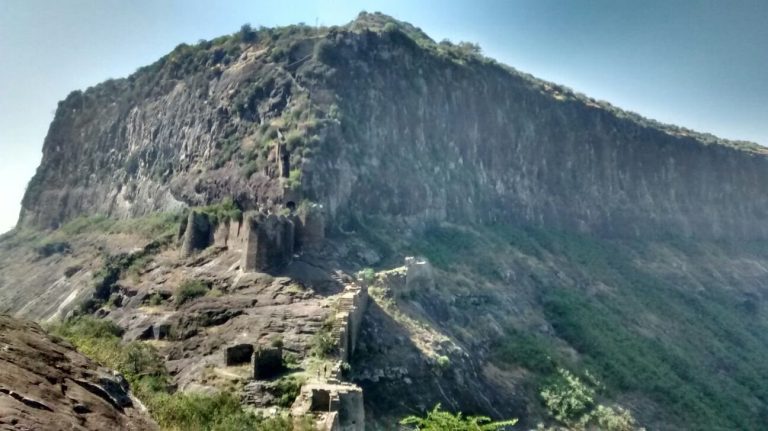
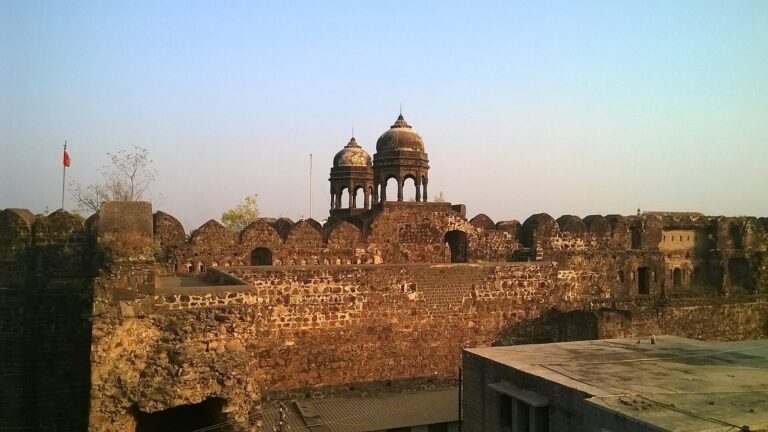
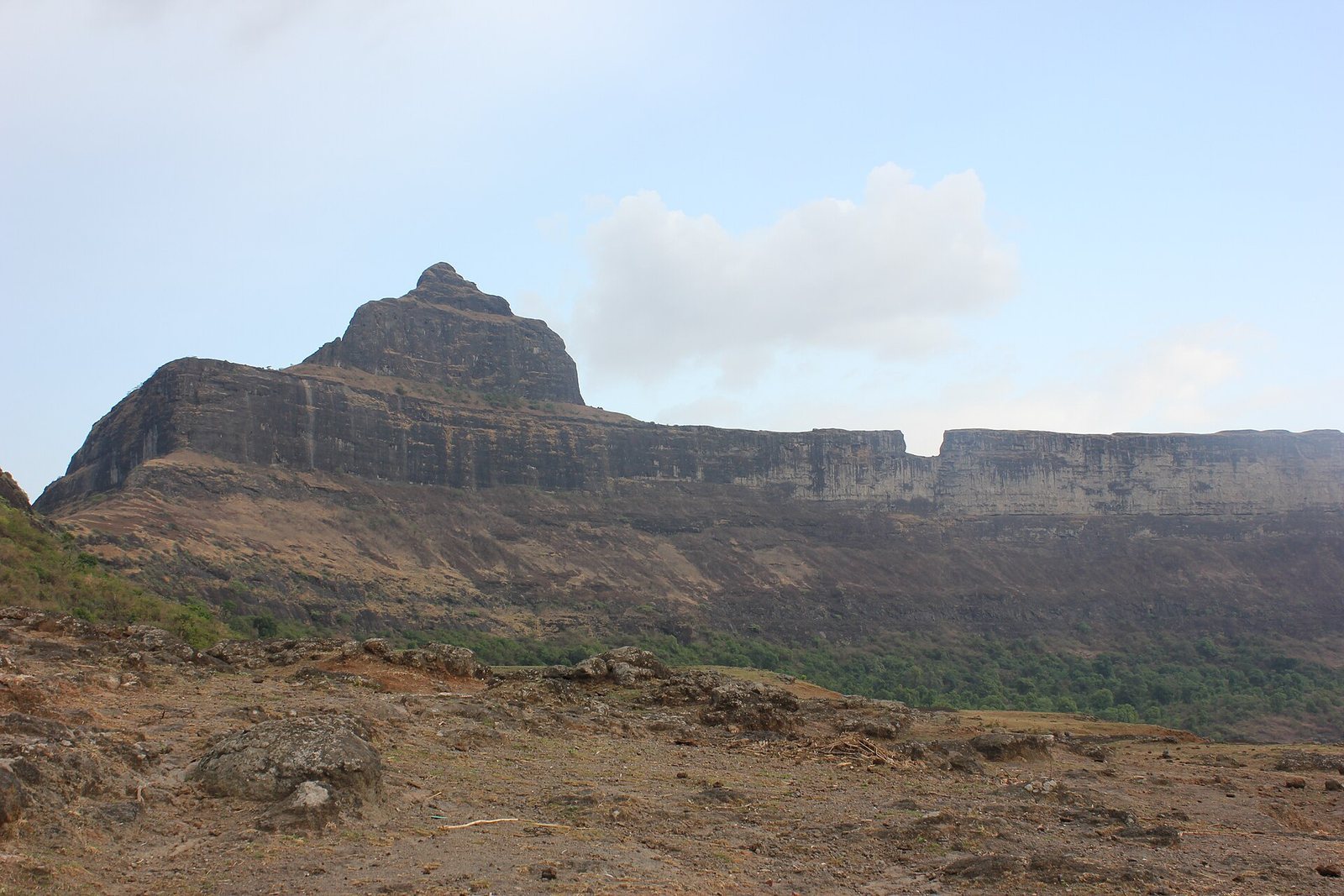
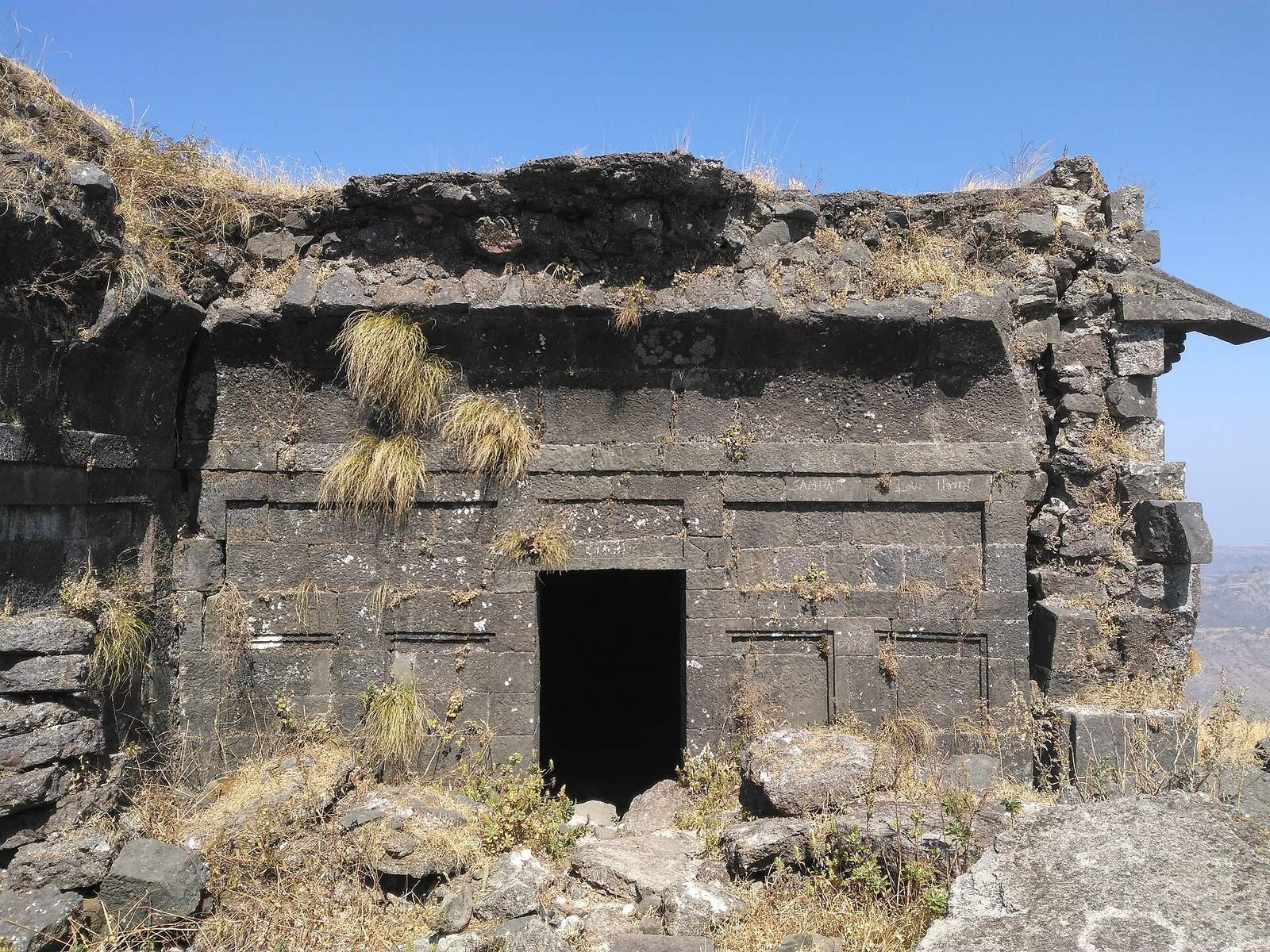
Dhodap rises to 1,472 metres in the Satmala range of the Sahyadris, the mountain chain also known as the Western Ghats. It is the range’s second-highest fort after Salher. Dressed stone and brickwork form structures on the summit, while the hill also has caves and cliffs at Shembi and Ikhara.
Summit and interior features
A tank contains an idol of Hanuman, a Hindu deity, and a tunnel within the fort is 5 metres wide. A dome-shaped structure stands at one end, and the fort’s main body is in good condition. A local belief says that a stone cow inside the hill moves farther into it by four grain-lengths on each Vasubaras, a Hindu observance associated with cows.
Shembi cliffs and caves
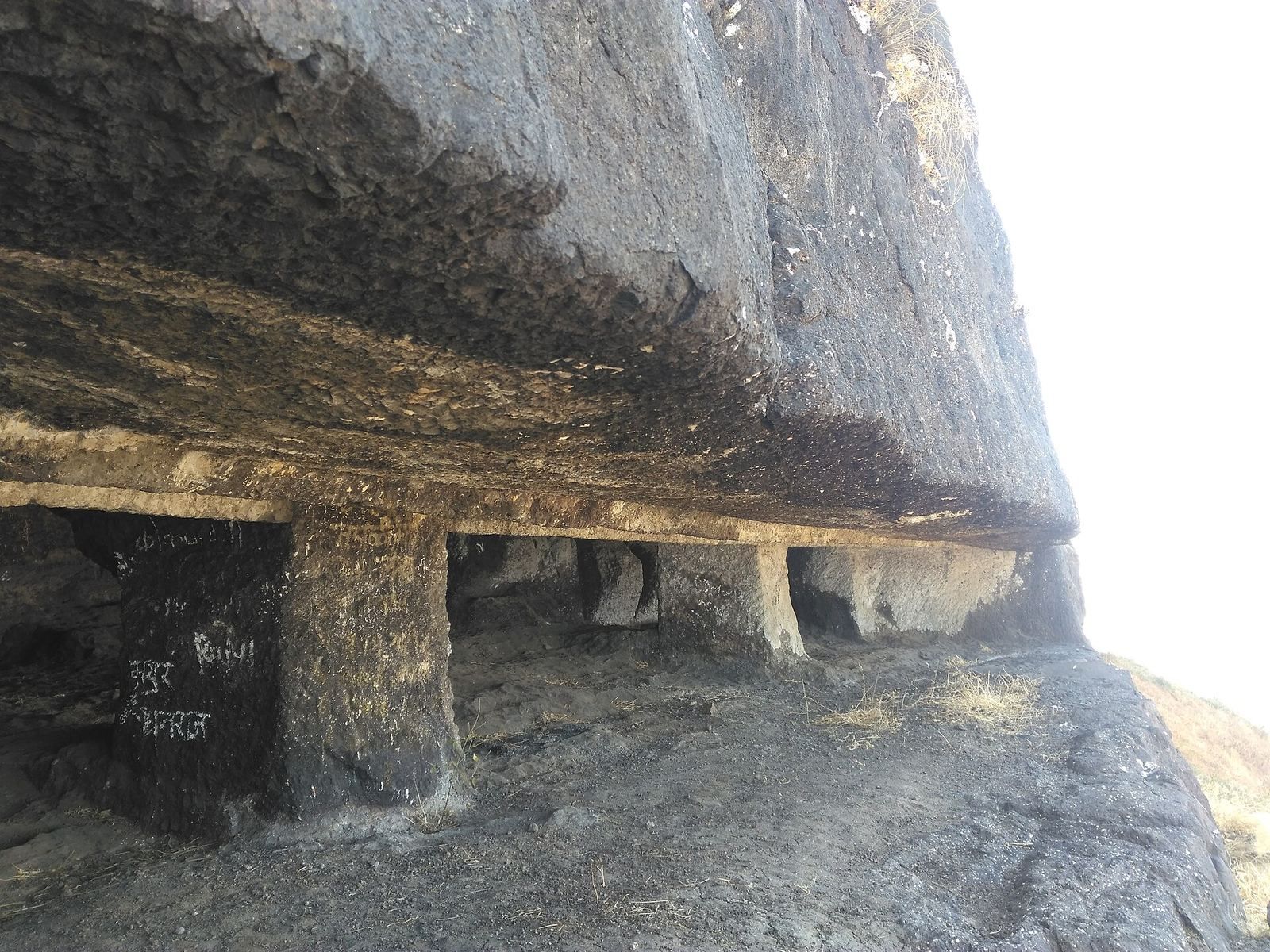
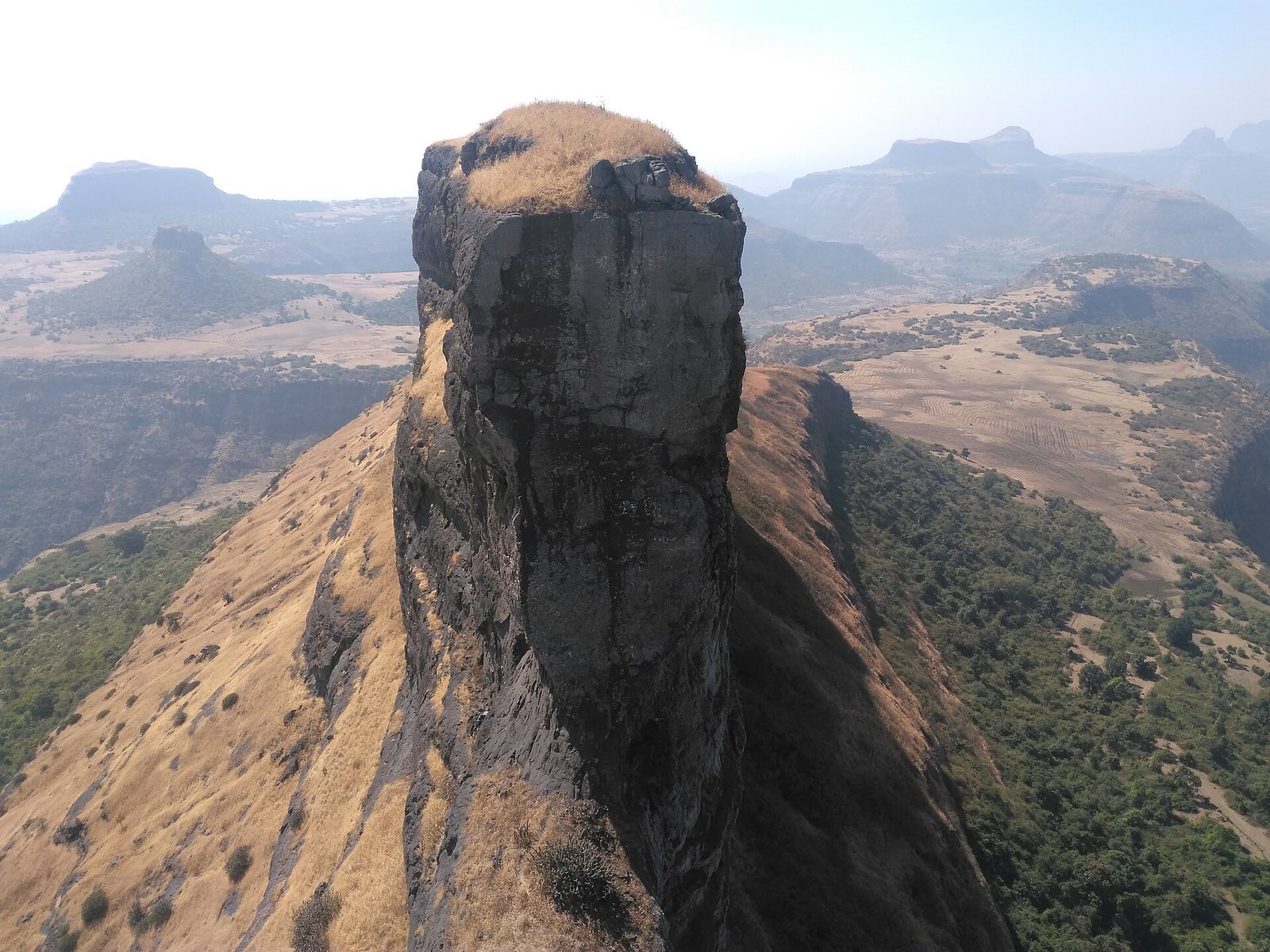
Shembi is a pointed cliff, with caves at its base. One cave contains a temple that is in good condition, and nearby caves are also large. On the eastern face, Ikhara is a cliff suitable for rock climbing.