House of the Bread and Shoemakers’ Stalls: A Renaissance Townhouse in Lwówek Śląski
Site at a Glance
- Popularity
- Very Low
- Country
- Poland
- Primary era
- Medieval
- Eras represented
- Medieval
- Civilizations
- Holy Roman Empire, Kingdom of Bohemia
- Site type
- Economic
- Remains
- Market
On this page5 sections
History
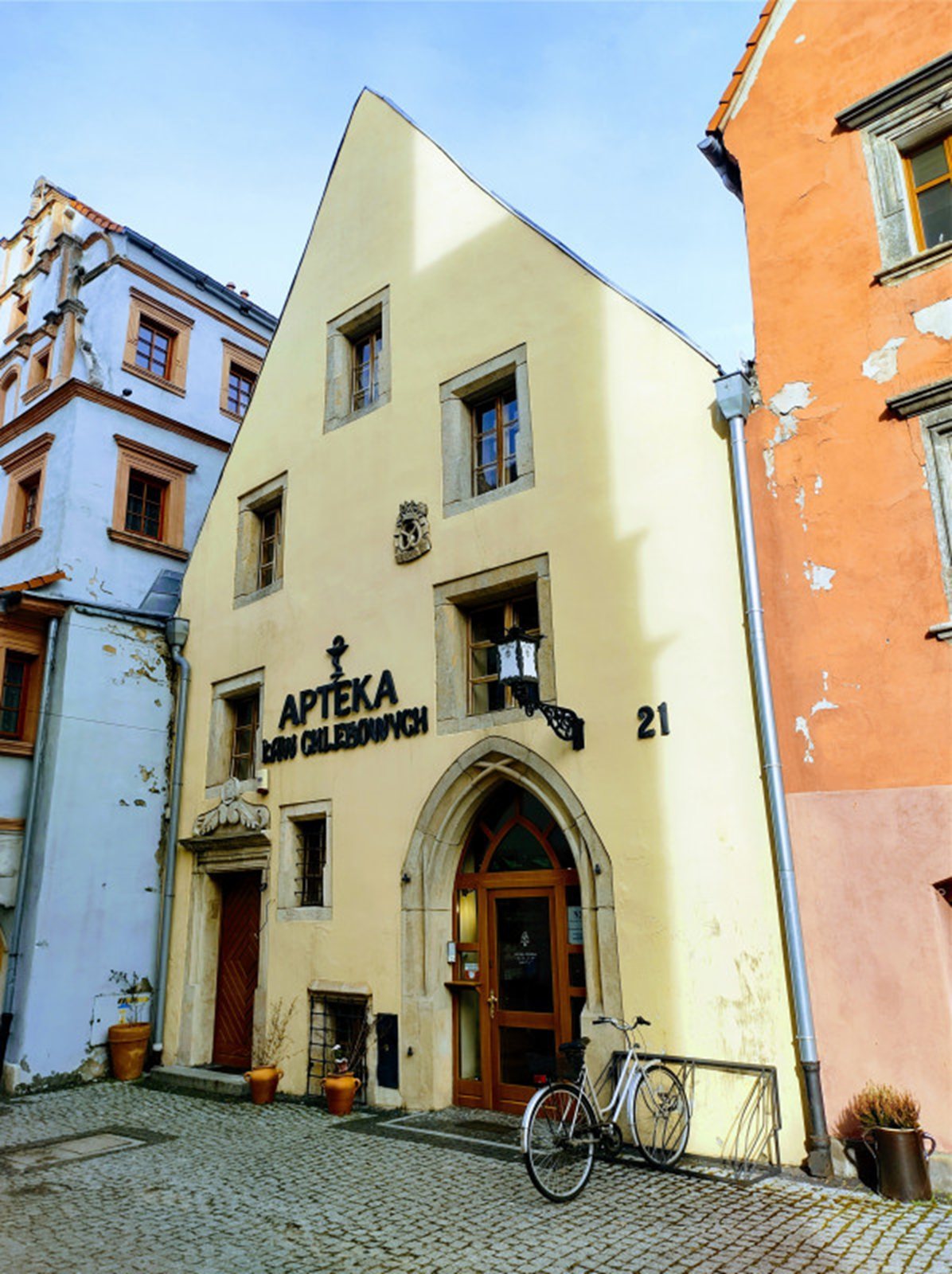
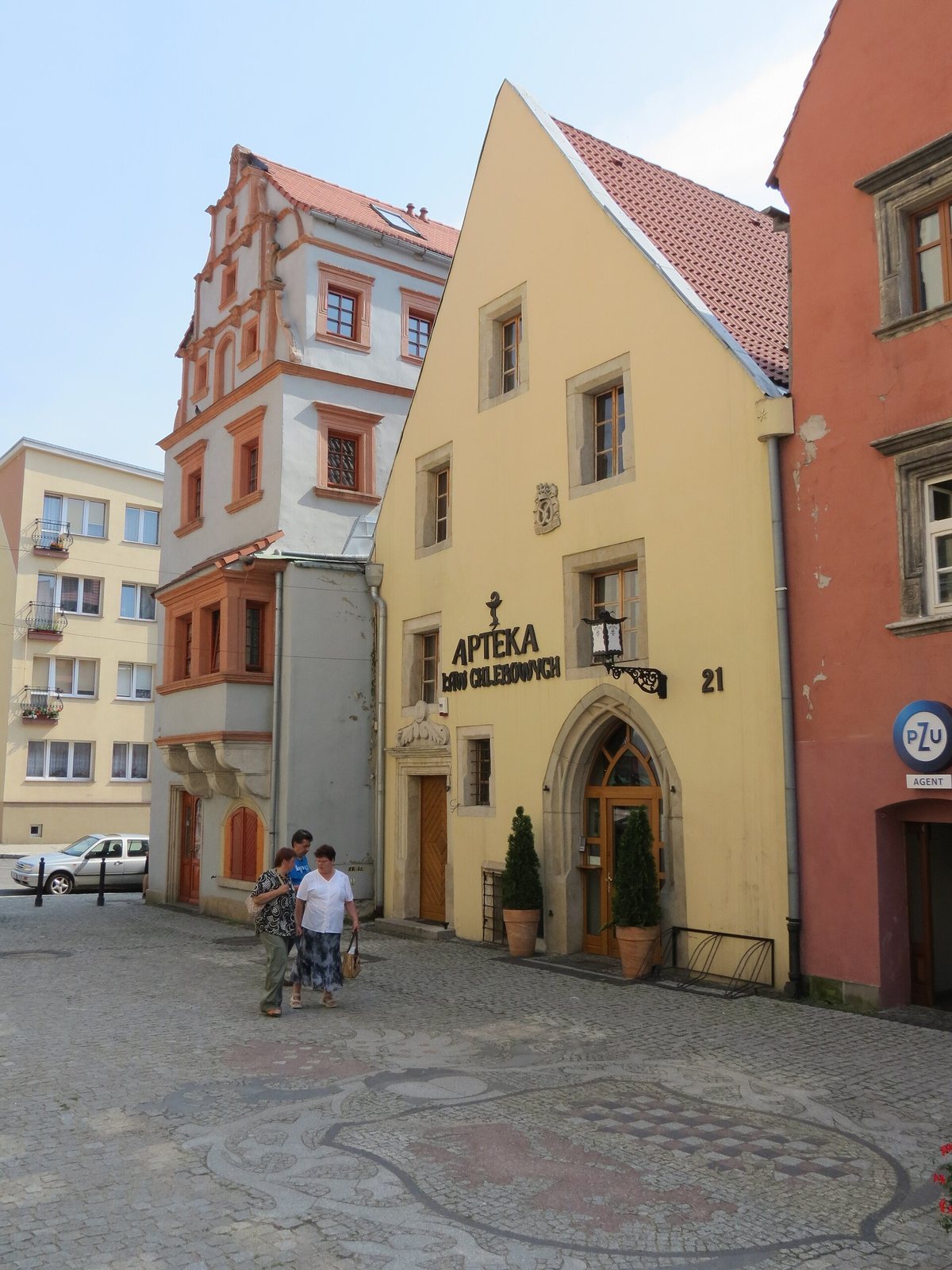
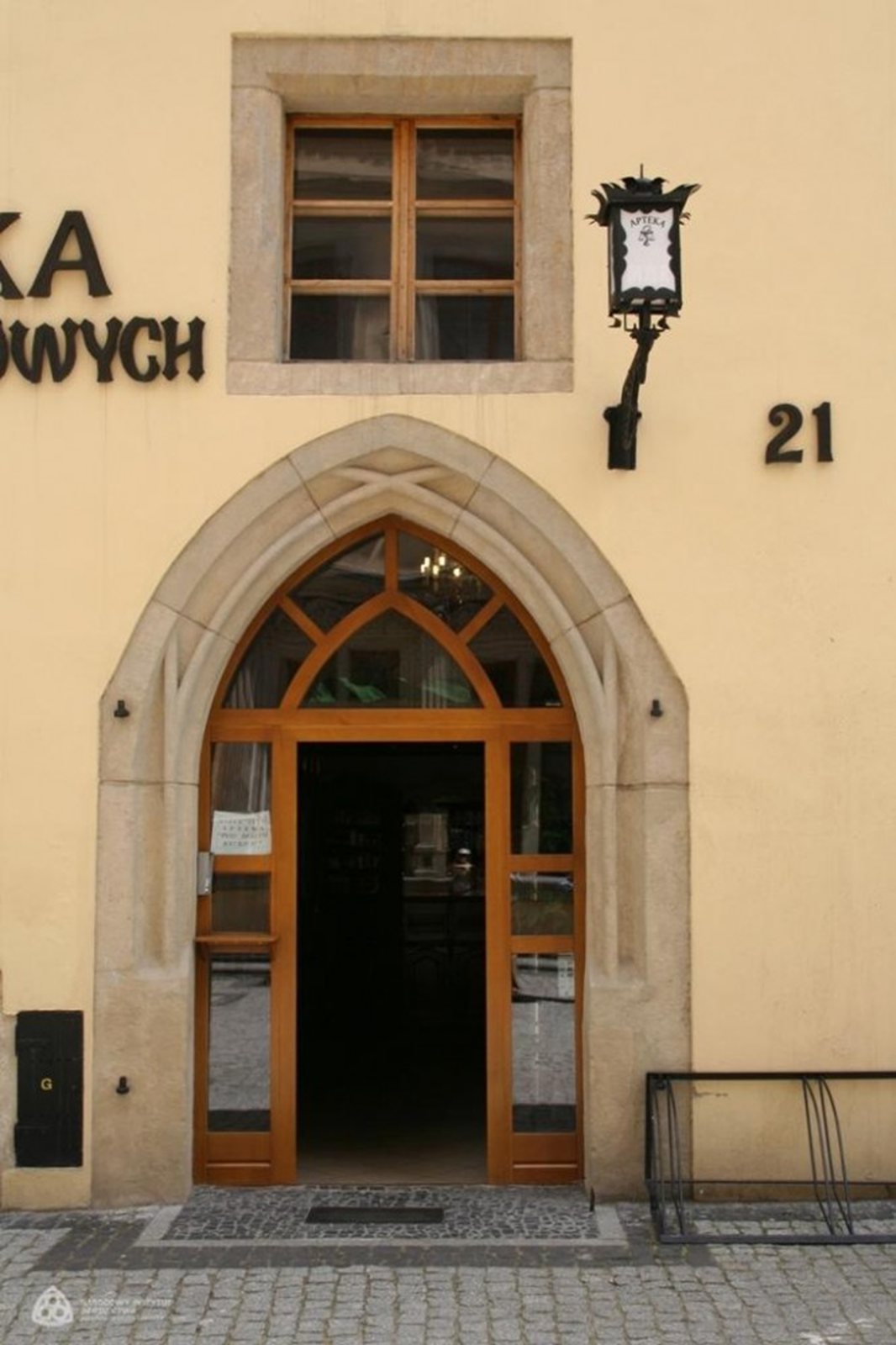
The House of the Bread and Shoemakers’ Stalls is a three-storey Renaissance townhouse on the market square in Lwówek Śląski, Poland. It was built in the second half of the 13th century and remodeled in 1494. Its name links it with the market’s bread and shoemakers’ stalls. Craft guilds, associations of people working in a particular trade, used emblems to identify their trades. A pharmacy now operates in the building.
Remains
The townhouse and associated emblems
The townhouse stands on the market square and has three storeys. Its Renaissance style belongs to a European movement that revived and adapted classical forms.
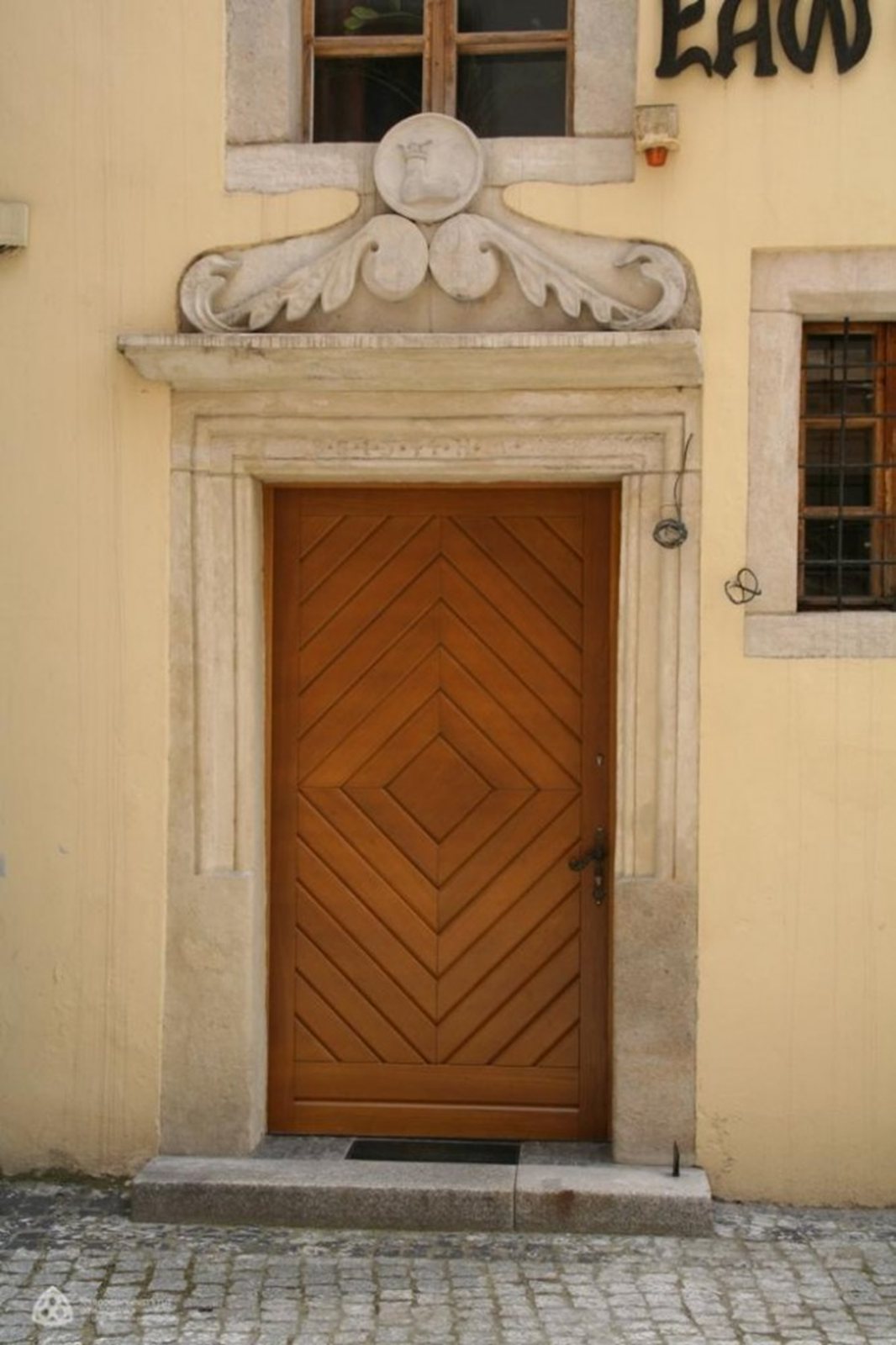
Guild emblems on the townhouse
The horizontal lintel above the north entrance bears the bootmakers’ guild emblem. At the south entrance, a pretzel-shaped emblem of the bakers’ guild, dated 1494, is set at second-floor level.
Bakers’ coat of arms at the church
A second surviving coat of arms of Lwówek’s bakers’ guild was moved from the market bread stalls to the north wall of the Church of St Francis of Assisi, named for the medieval Italian friar who founded the Franciscan order. The coat of arms remains intact above a crucifixion relief set into the church’s tympanum, the panel above an entrance. The relief depicts the Virgin Mary, regarded in Christian tradition as Jesus’ mother, and John the Baptist, a Jewish preacher revered in Christianity.