Church of St Andrew the Apostle in Białęgi: A Medieval Roman Catholic Filial Church
Site at a Glance
- Popularity
- Very Low
- Country
- Poland
- Primary era
- Medieval
- Eras represented
- Medieval
- Civilizations
- Unclassified
- Site type
- Religious
- Remains
- Church
On this page7 sections
History
Construction and parish role
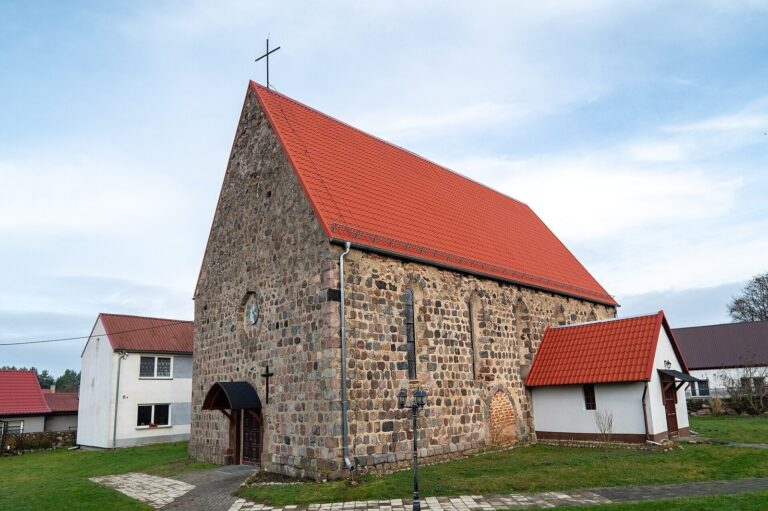
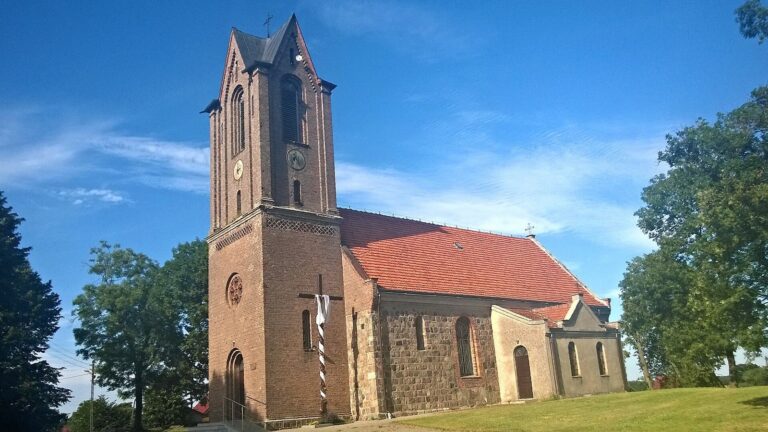
The Church of St Andrew the Apostle in Białęgi, Poland, is a Roman Catholic filial church built at the turn of the thirteenth and fourteenth centuries. Dedicated to St Andrew, traditionally identified as one of Jesus’s twelve apostles, it belongs to the parish of Christ the King, a Catholic title for Jesus, in Witnica.
Closure and reuse
The church closed in the nineteenth century and was used as a grain store for several decades. This use helped preserve its original architectural forms without later alterations.
Restoration and return to religious use
The building was restored in the early twenty-first century, and its religious function resumed in 2006.
Remains
Exterior form
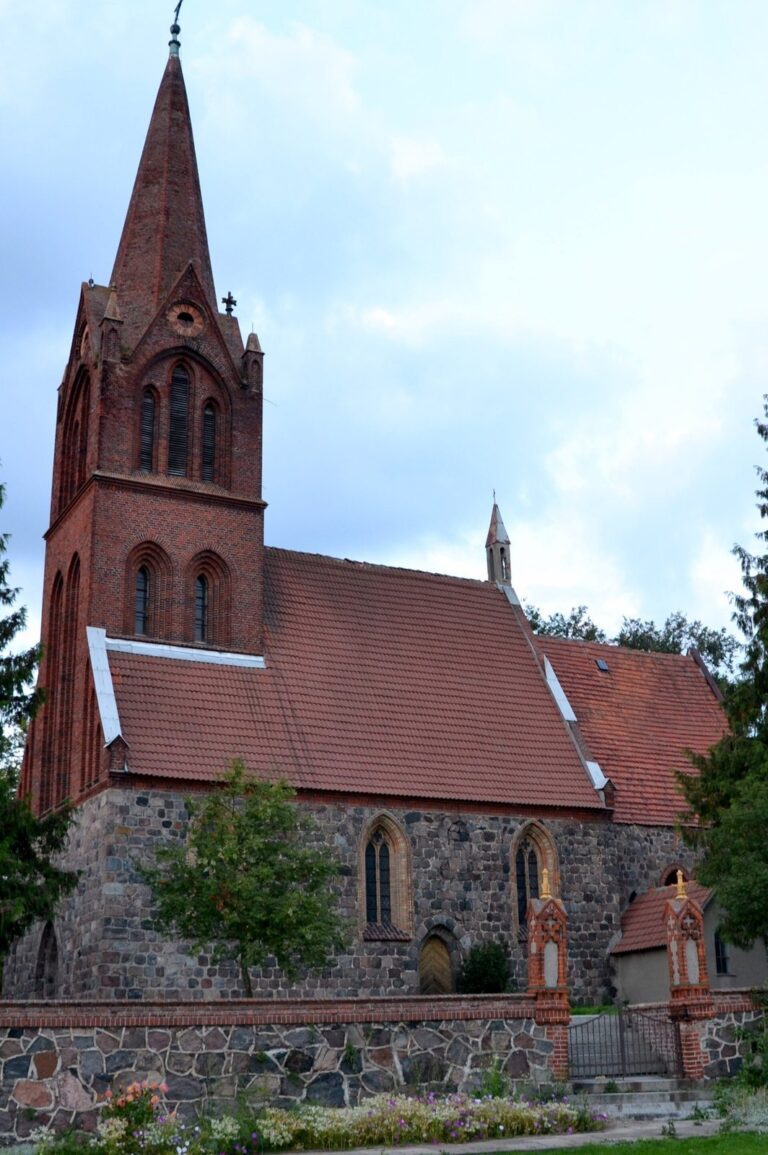
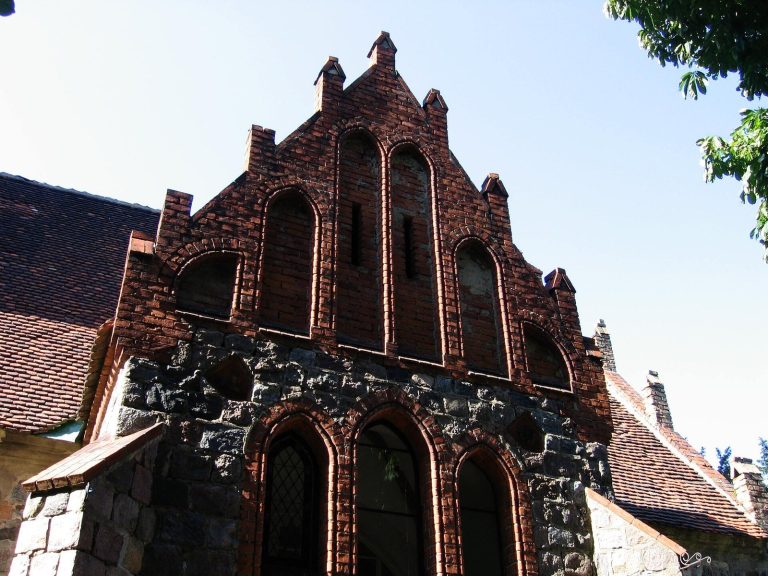
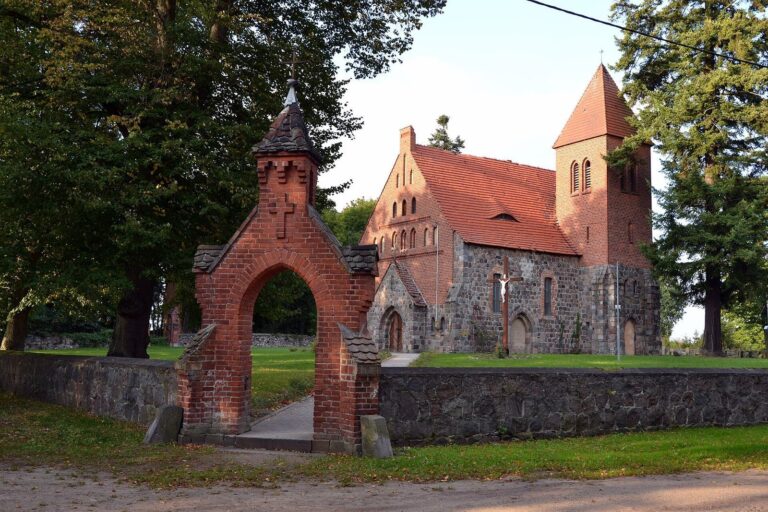
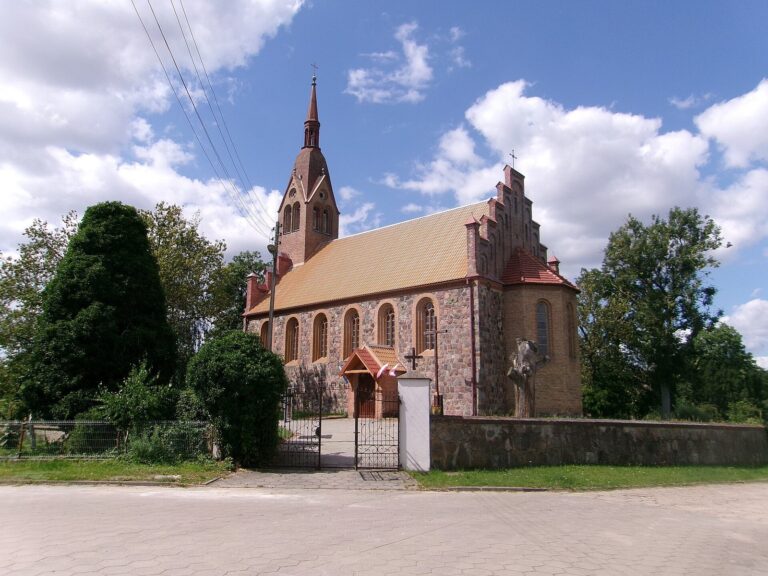
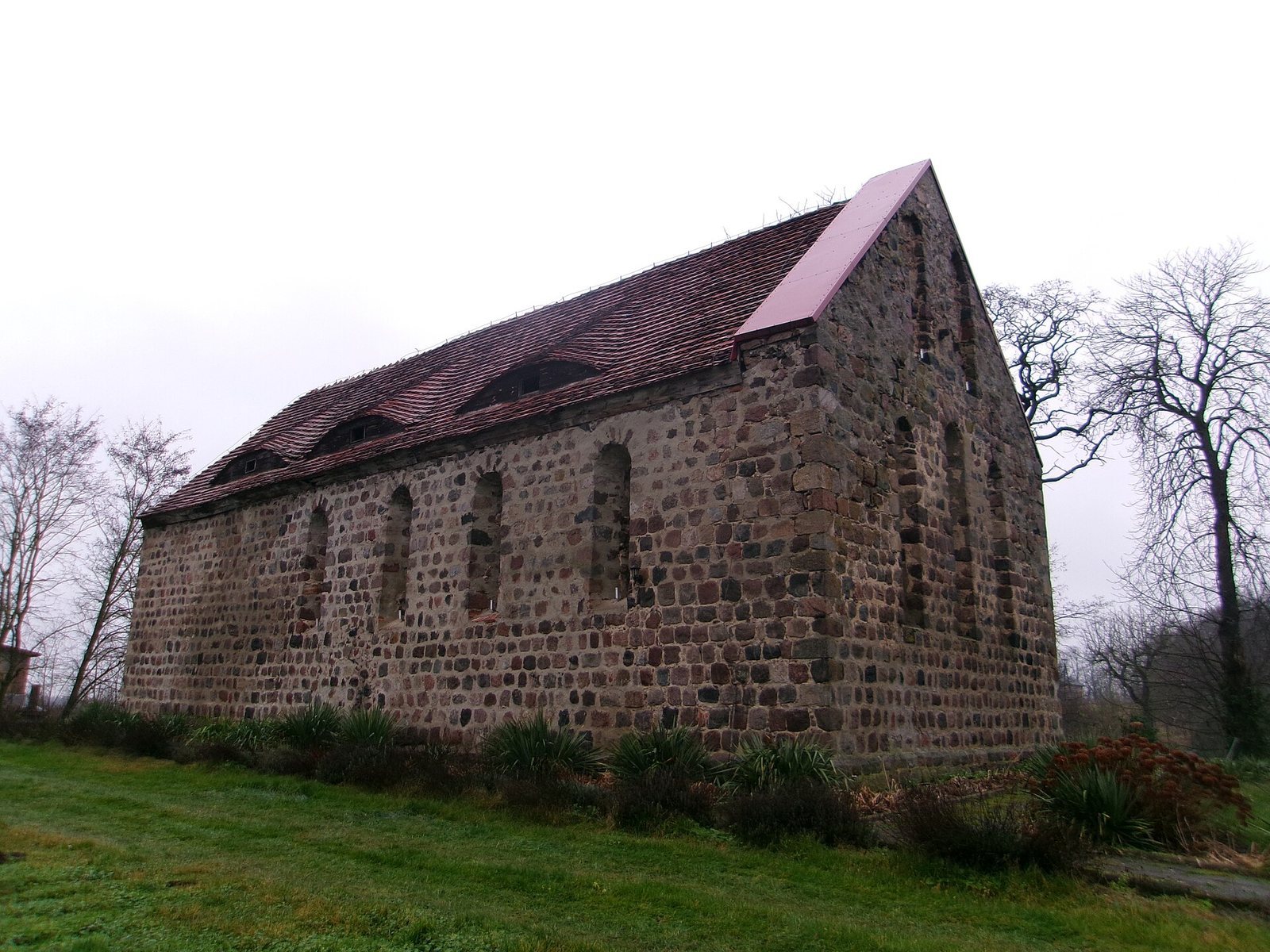
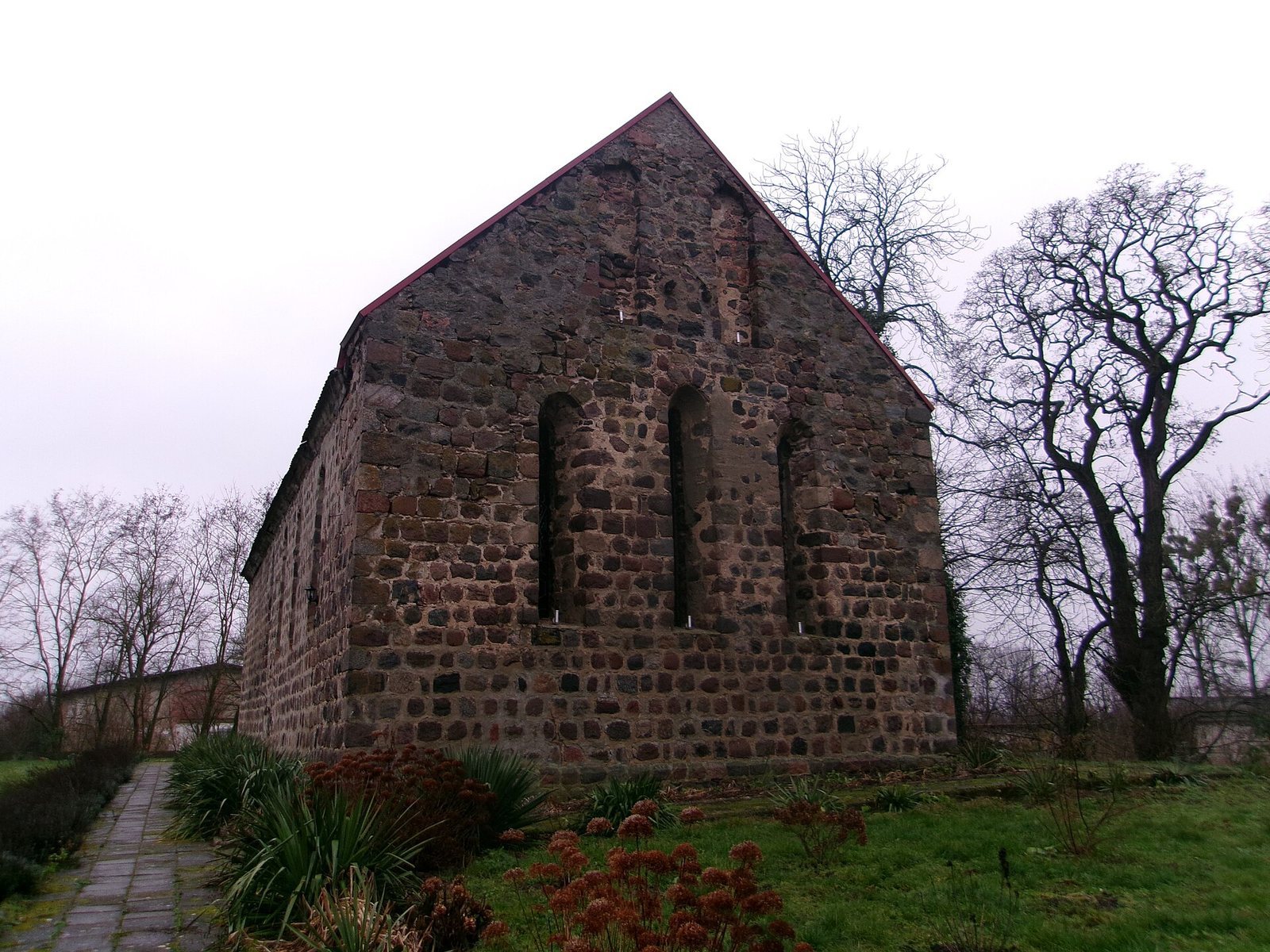
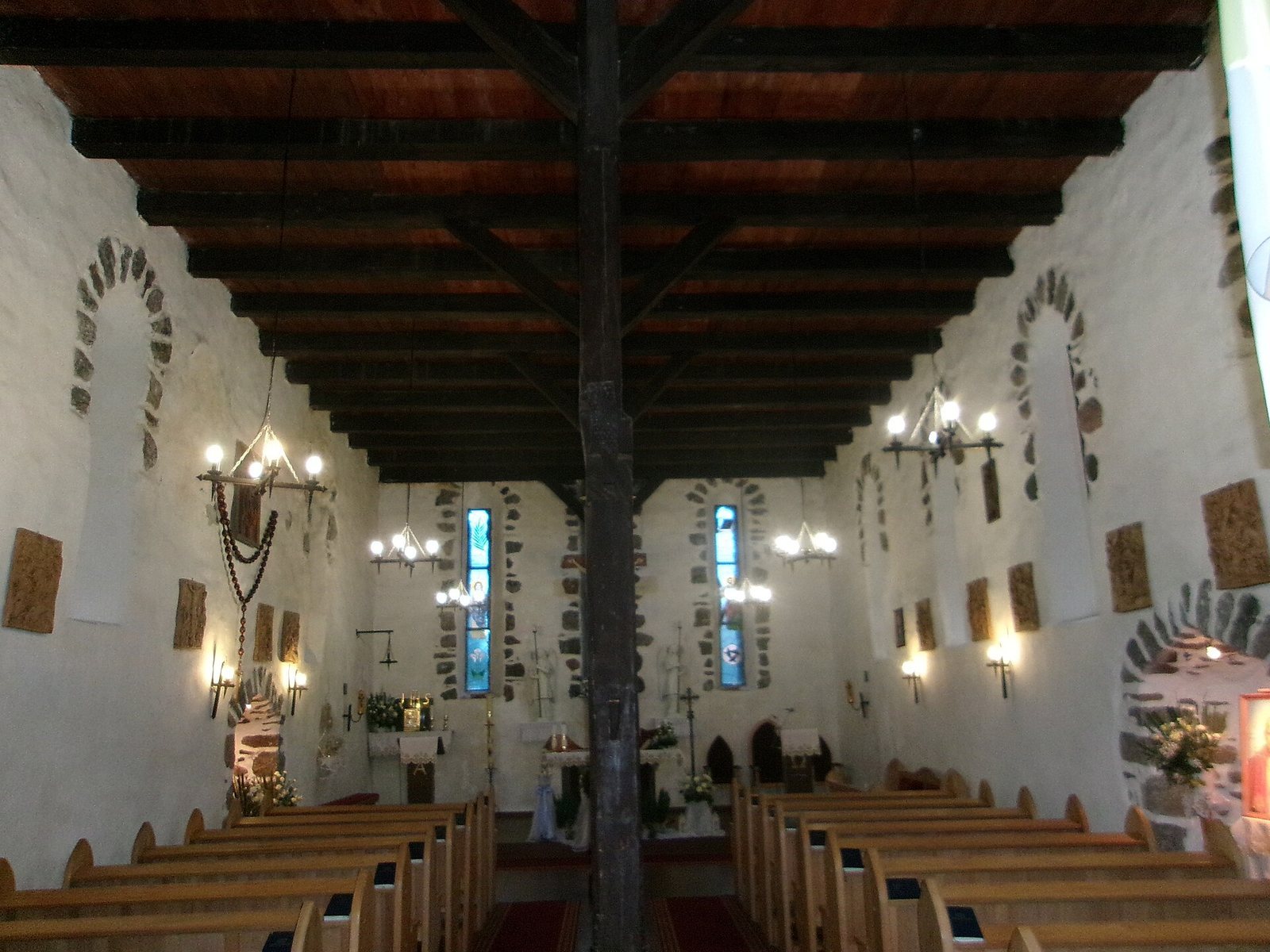
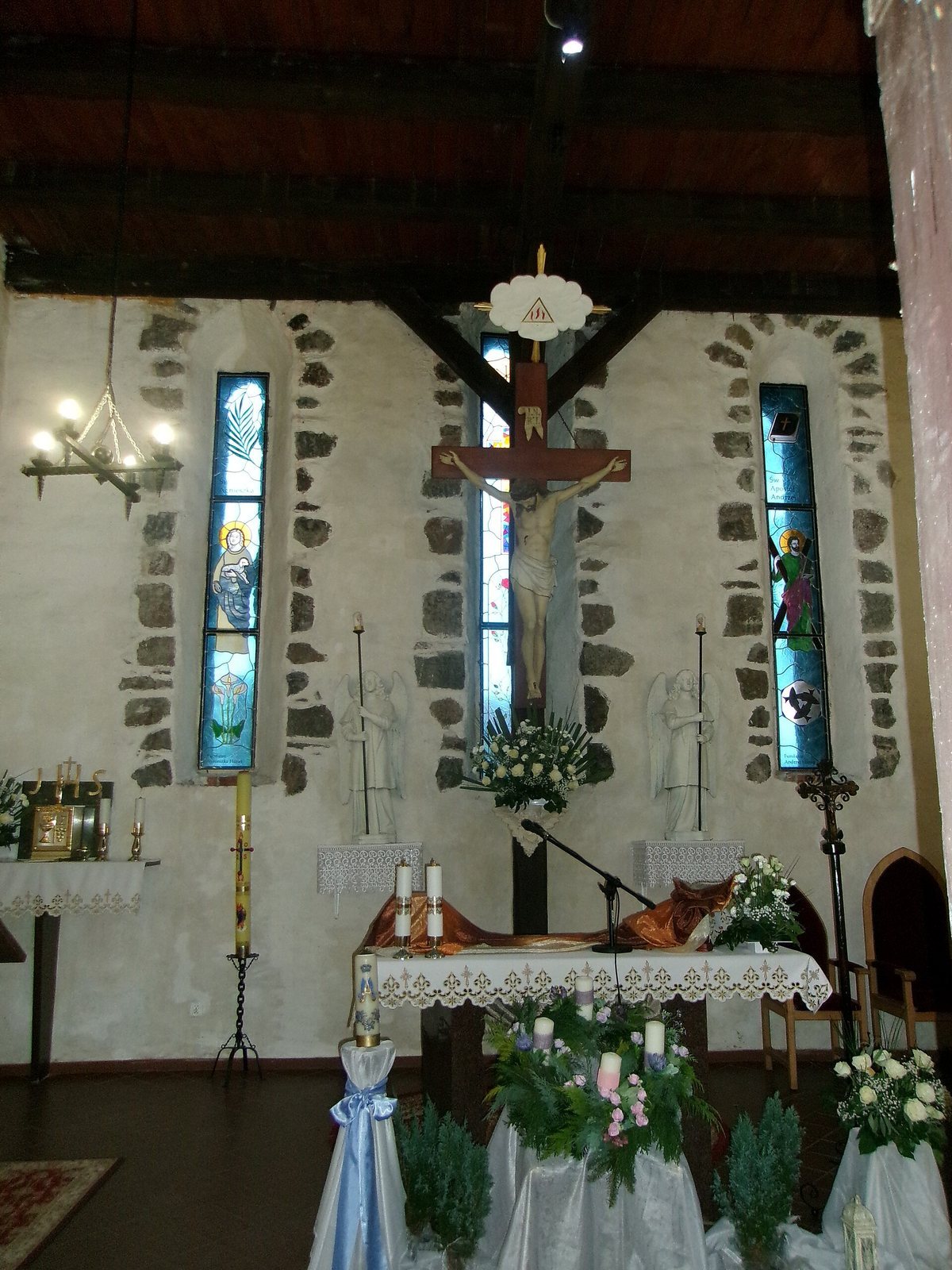
The church is a rectangular, single-nave building made from granite blocks cut into regular faces. The nave has a gabled roof. At the west end, a tower as wide as the nave survives to the height of the nave, and a broad arch connects its ground floor with the interior. The western façade has a doorway at the position of an original entrance that was bricked up in the nineteenth century; the outline of a blocked side doorway remains visible inside. Slender round-arched windows are set in the side walls, four on the south and three on the north. The east wall has three similar windows, with the central one slightly taller. Two rounded decorative panels without openings adorn the east gable.
Interior roof structure
A timber-beamed ceiling covers the interior. Its wooden support structure runs along the centre of the nave.