Kolah Farangi Citadel: A Qajar Government Seat in Birjand
Site at a Glance
- Rating
- 4
- Popularity
- Medium
- Country
- Iran
- Primary era
- Early Modern
- Eras represented
- Early Modern
- Civilizations
- Qajar
- Site type
- Civic
- Remains
- Palace
On this page4 sections
History
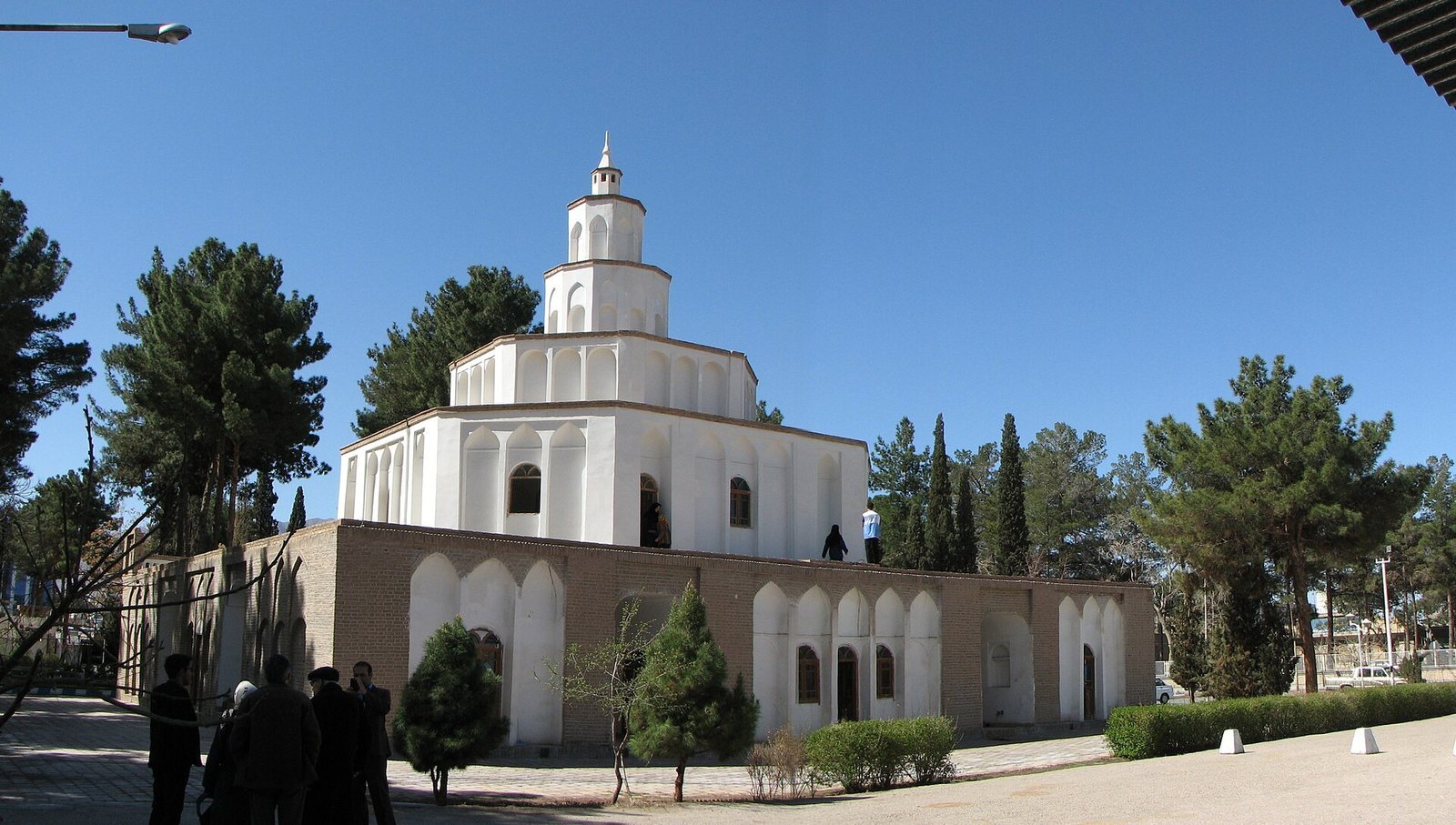
Kolah Farangi Citadel is a Qajar-period citadel in central Birjand, Iran, associated with the transition from the late Zand dynasty to the early Qajar dynasty. The Zand and Qajar were successive ruling dynasties, with the Qajar period following the Zand. The citadel is attributed to Amir Hasan Khan Shaibani.
The citadel belonged to Amir Alam Khazimeh, who gave it to the Birjand governorship. It formerly served as a seat of government and now houses the office of the Birjand district governor. It is registered as a National Monument of Iran.
Remains
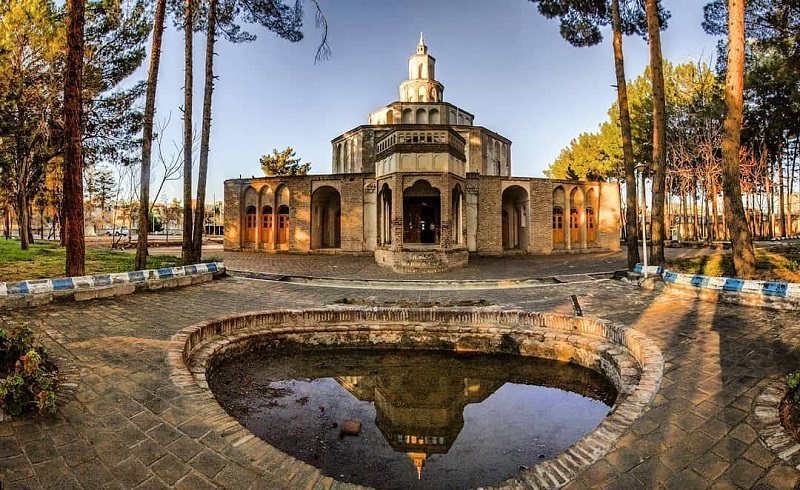
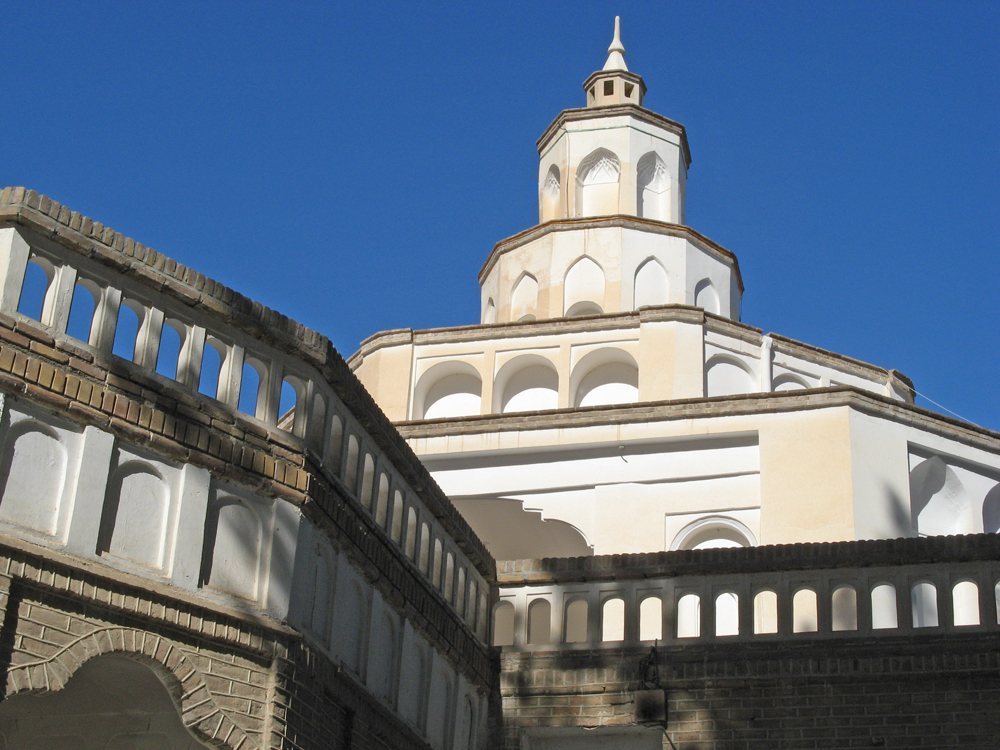
The citadel has a six-sided plan and a white exterior, rising in a six-level, ziggurat-like profile, a stepped form. Mud, brick, lime, and sarooj, a traditional building mortar, are among its construction materials.
Interior arrangement
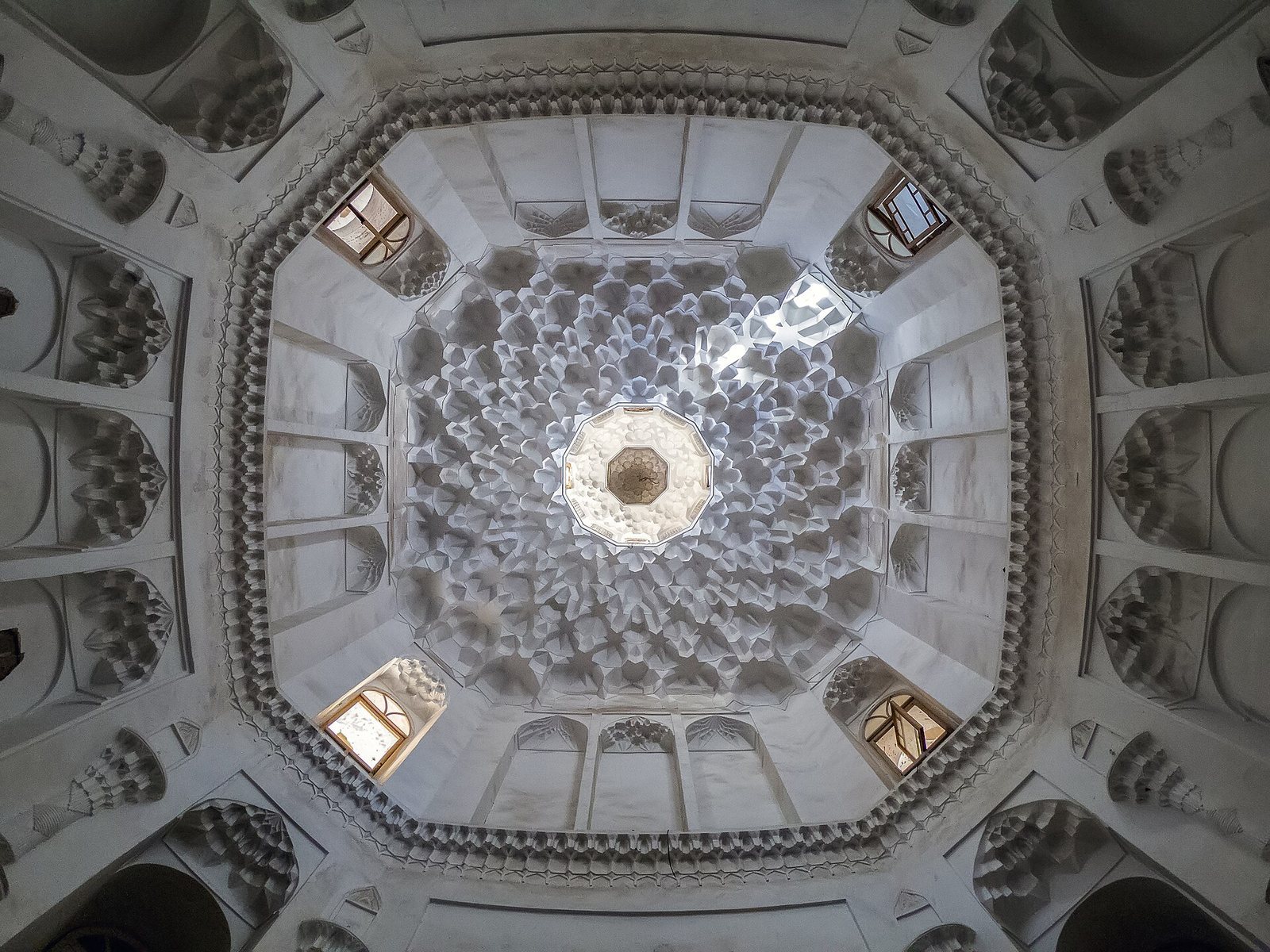
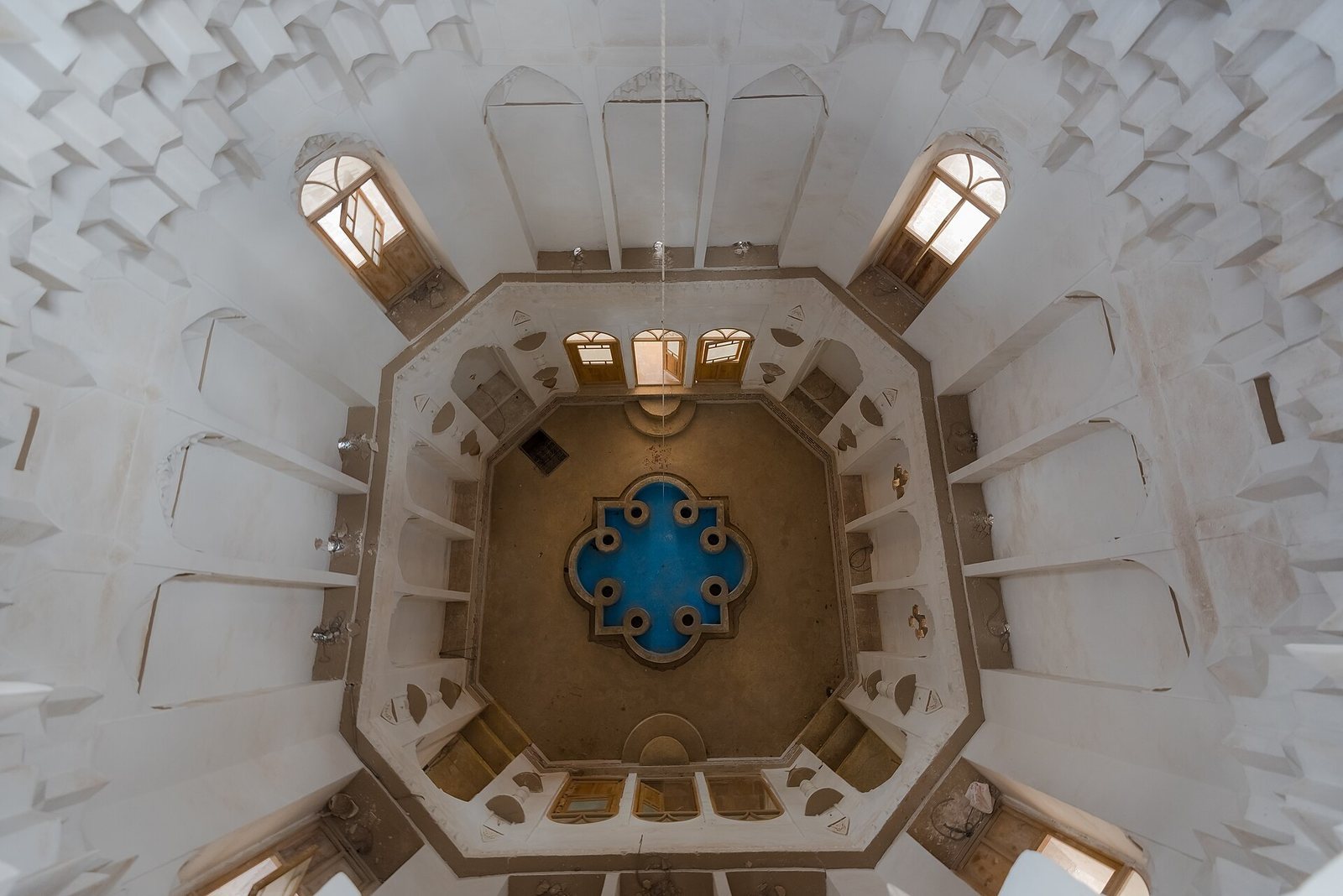
The ground floor retains the fullest plan and spatial arrangement. Its entrance projects outward and consists of several arches that form vaulted spaces. Corridors link a vestibule, domed spaces, and rooms. Above, the smaller octagonal first floor contains several small rooms, while three further levels contribute to the building’s overall form.
Pool chamber
At ground level, an octagonal pool chamber sits one metre below the main floor and forms a central space, with entrances from the surrounding areas. Muqarnas, tiered cellular ornament, decorates niches around the chamber; low platforms beneath them match the number of niches. A lantern dome and windows admit light, while a water feature helps ventilate and cool the room. Its decoration also includes ornamental vault patterns, honeycomb-patterned vaulting, and vase motifs.