Klebenstein: A Historic Residential Complex in Bolzano
Site at a Glance
- Rating
- 4.3
- Popularity
- Low
- Country
- Italy
- Primary era
- Medieval
- Eras represented
- Medieval, Early Modern
- Civilizations
- Habsburg, Habsburg Austria, Holy Roman Empire
- Site type
- Domestic
- Remains
- Castle
On this page10 sections
History
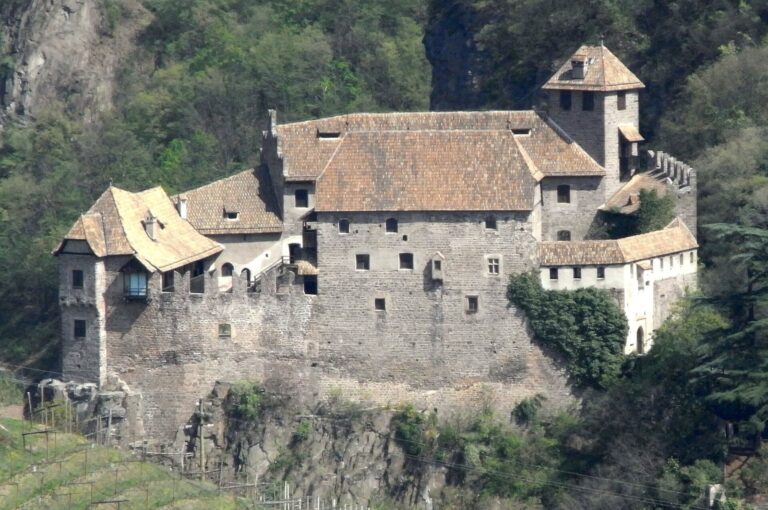
Klebenstein is a historic residential complex in Bolzano, Italy, at the entrance to the Sarntal. A bridge crossed the Talfer here before the medieval residential tower was built, at a junction of routes linking Bolzano with the Sarntal and Jenesien with Gries and Moritzing.
Medieval origins and expansion
Owners named in the Gries parish church accounts between 1422 and 1426 included Adam von Clewenstain. The name Klebenstein derives from these owners. The complex was enlarged several times between the 14th and 16th centuries. The Weineck family added to it in the 15th century, and much of the 16th-century expansion took place under the Schidmann family, who were related to the Weinecks.
Later ownership and use
After the Schidmann family died out in 1600, the property passed to the Girardi family and later to the counts of Troyer, who owned it in the 18th century. Bolzano merchant and magistrate Franz Xaver Kofler bought Klebenstein in 1832. He received the title “von Klebenstein” when he was ennobled in 1854. The complex acquired its present overall appearance around 1900, and the von Aufschnaiter family has owned it since 1931.
The Baroque chapel gave its name to the surrounding district of St. Anton and provided the basis for the Italianized name Castel Sant’Antonio. The South Tyrol local-name handbook imposed that form, which the Fascist regime, Italy’s authoritarian government established by the Fascist Party in the early 1920s, officially adopted in 1923. In 1950, the ceramics company Thun began in the castle cellar and later became important to Bolzano’s economy.
Remains
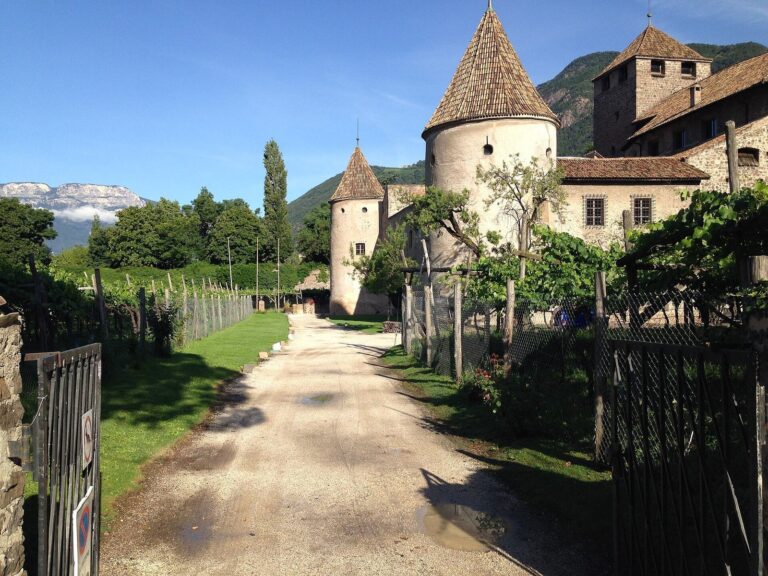
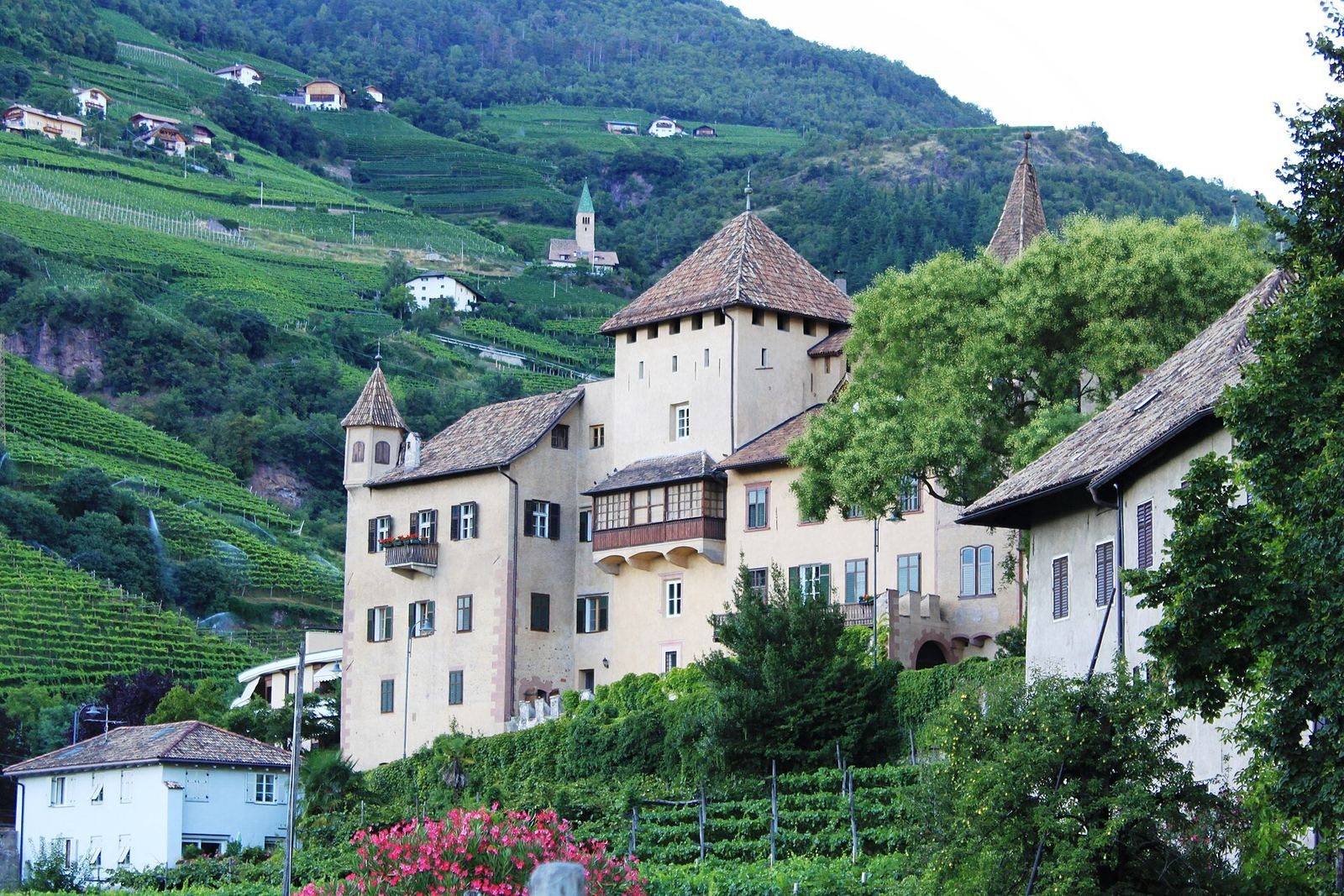
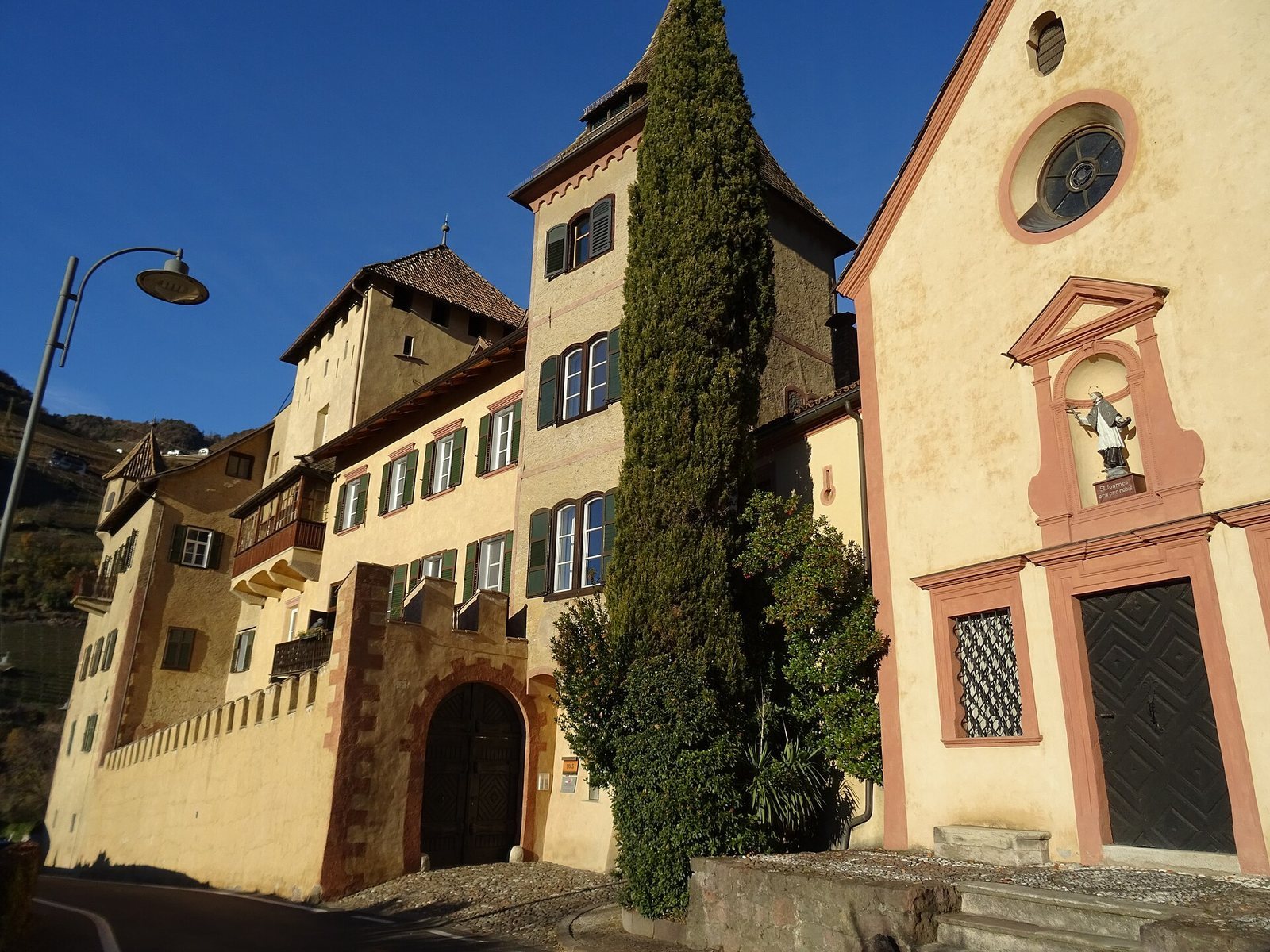
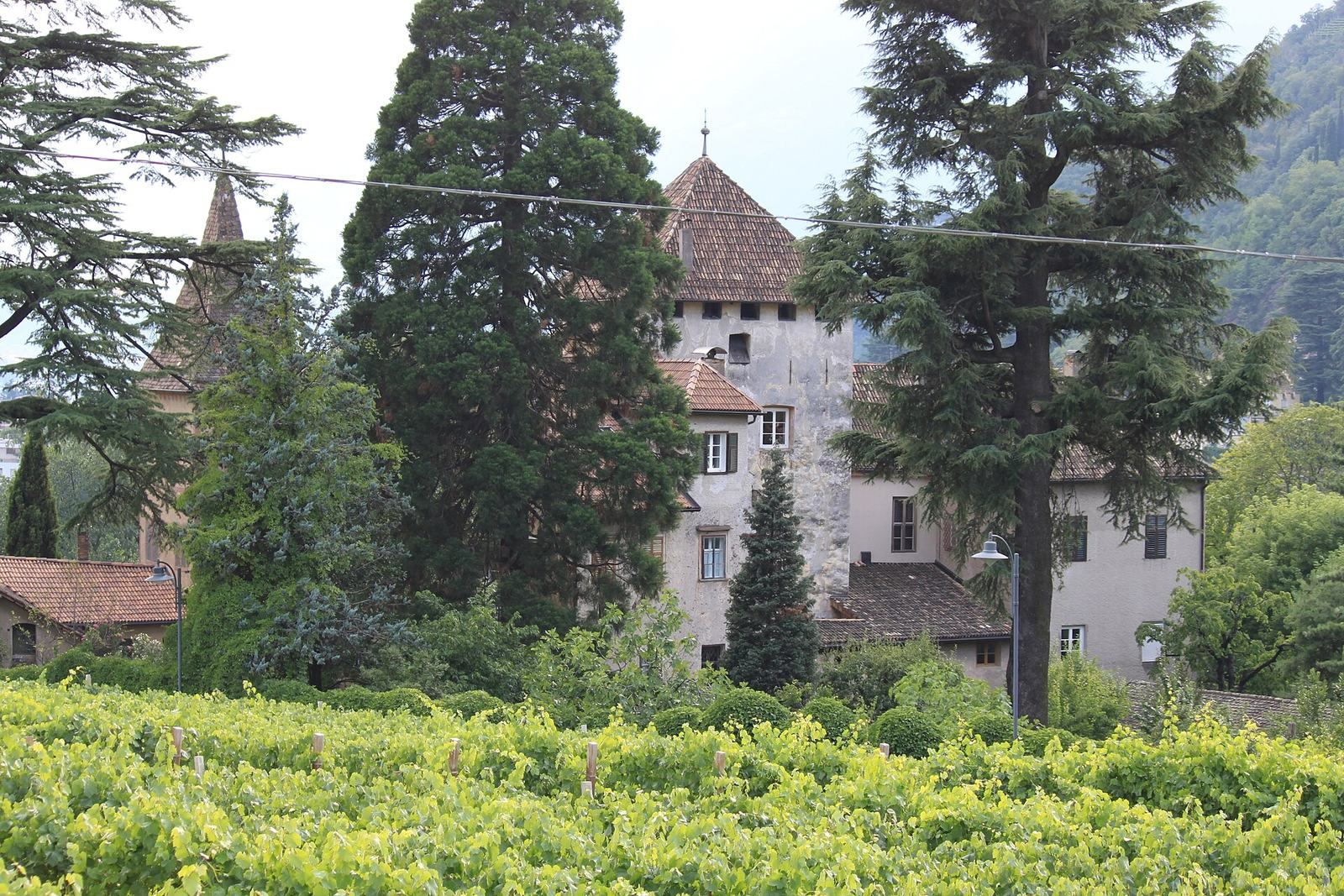
The complex centers on its medieval residential tower and also includes several residential wings and an enclosing wall. A small Baroque chapel stands at one end of the wall. The Talfer and St. Oswald promenades both end at Klebenstein, while the covered Mühlbach begins below it as an artificial channel diverted from the Talfer.
Medieval core
Residential tower
The medieval residential tower is the oldest and largest tower in the complex. It has a pyramidal roof and a band of narrow openings used for defense.
Earlier residential building
A record from 1346 mentions a small residential building beside the tower. Traces of that building remain in the cellar walls.
Wings, wall, and chapel
Residential wings and enclosing wall
Several residential wings form part of the complex, whose enclosing wall extends to the chapel at one end.
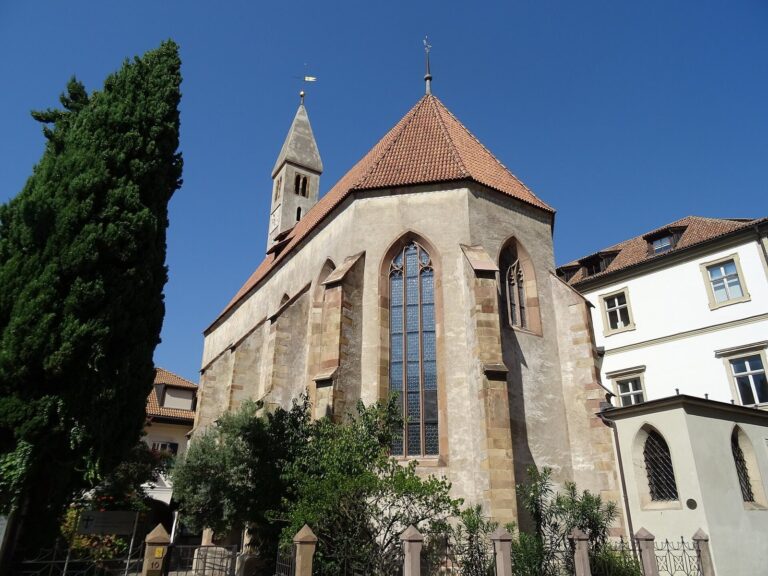
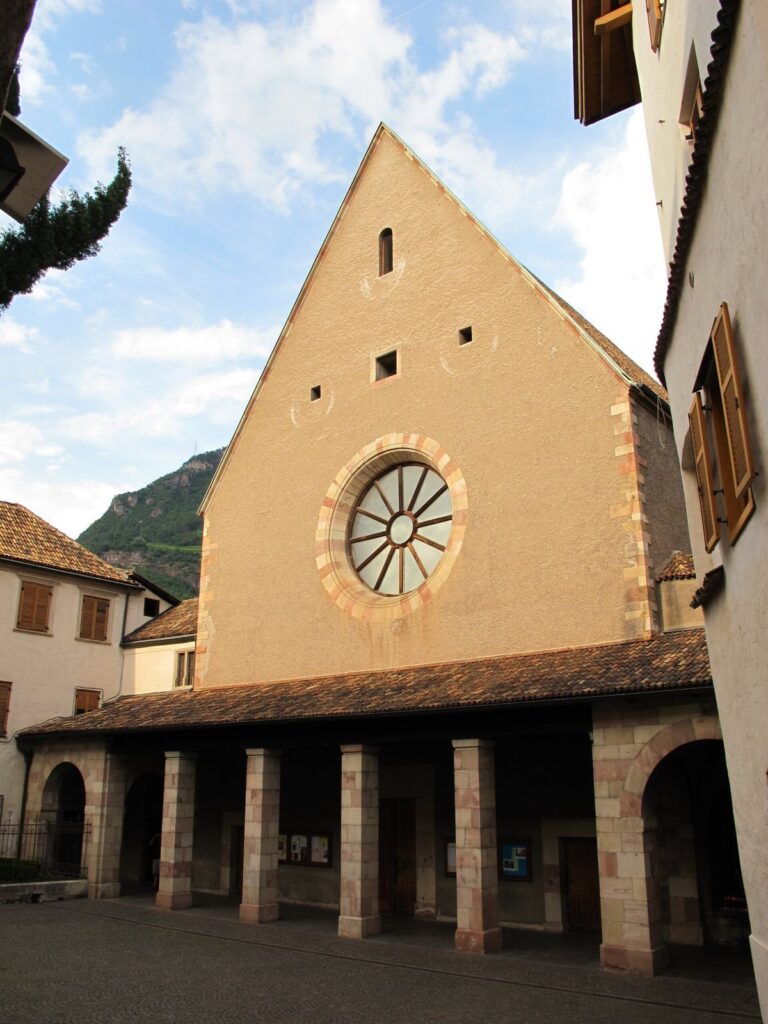
Chapel of St. Anthony
The small chapel, also known as the Church of St. Anthony, is Baroque. Baroque is a European artistic and architectural style associated with elaborate ornament and dramatic forms, which flourished mainly in the 17th and 18th centuries.