Kilcoy Castle: A Scottish Tower House on the Black Isle
Site at a Glance
- Rating
- 3.5
- Popularity
- Low
- Country
- United Kingdom
- Primary era
- Early Modern
- Eras represented
- Early Modern, Modern
- Civilizations
- British, Kingdom of Scotland
- Site type
- Military
- Remains
- Castle
On this page6 sections
History
Construction and Mackenzie ownership
Kilcoy Castle is a tower house on the Black Isle in Scotland, near Muir of Ord and Tore, in the United Kingdom. The Stewart family began building it as early as 1580, and Alexander Mackenzie, the third son of Colin Cam Mackenzie of Kintail, completed it around 1618.
A marriage contract dated 15 August 1611 records Alexander Mackenzie’s marriage to the widow of Sir James Stewart of Kilcoy. He received a charter to the lands of Kilcoy on 18 July 1616, followed by a charter for the Barony of Kilcoy, a territorial estate or jurisdiction, on 29 January 1618. The estate passed through the Mackenzie male line until Sir Evan Mackenzie died in 1883. It then went to his eldest daughter, who had married Colonel Burton.
Decline and restoration
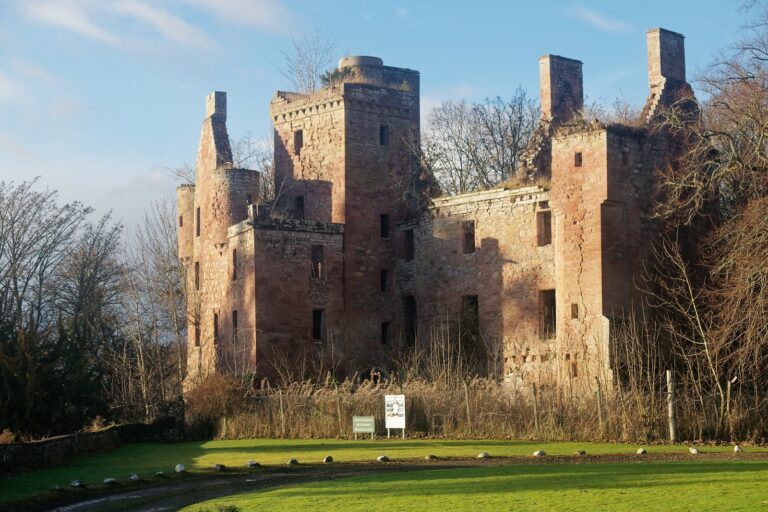
The castle fell into ruin during the late 18th and 19th centuries. Inverness architects Ross and McBeth restored it in 1891. It is listed by Historic Scotland as a Category A building, Scotland’s highest listing category for buildings of special architectural or historic interest. The Menkings of Kilcoy maintain it as their official residence, though they are rarely there; its principal use is for evangelical and charitable purposes.
Remains
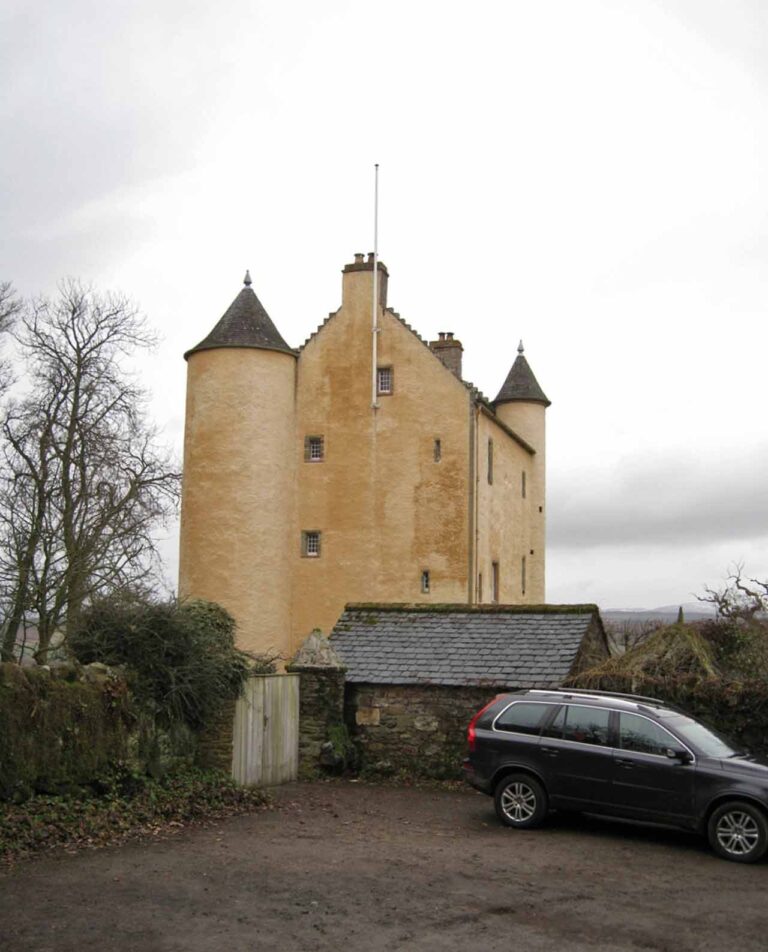
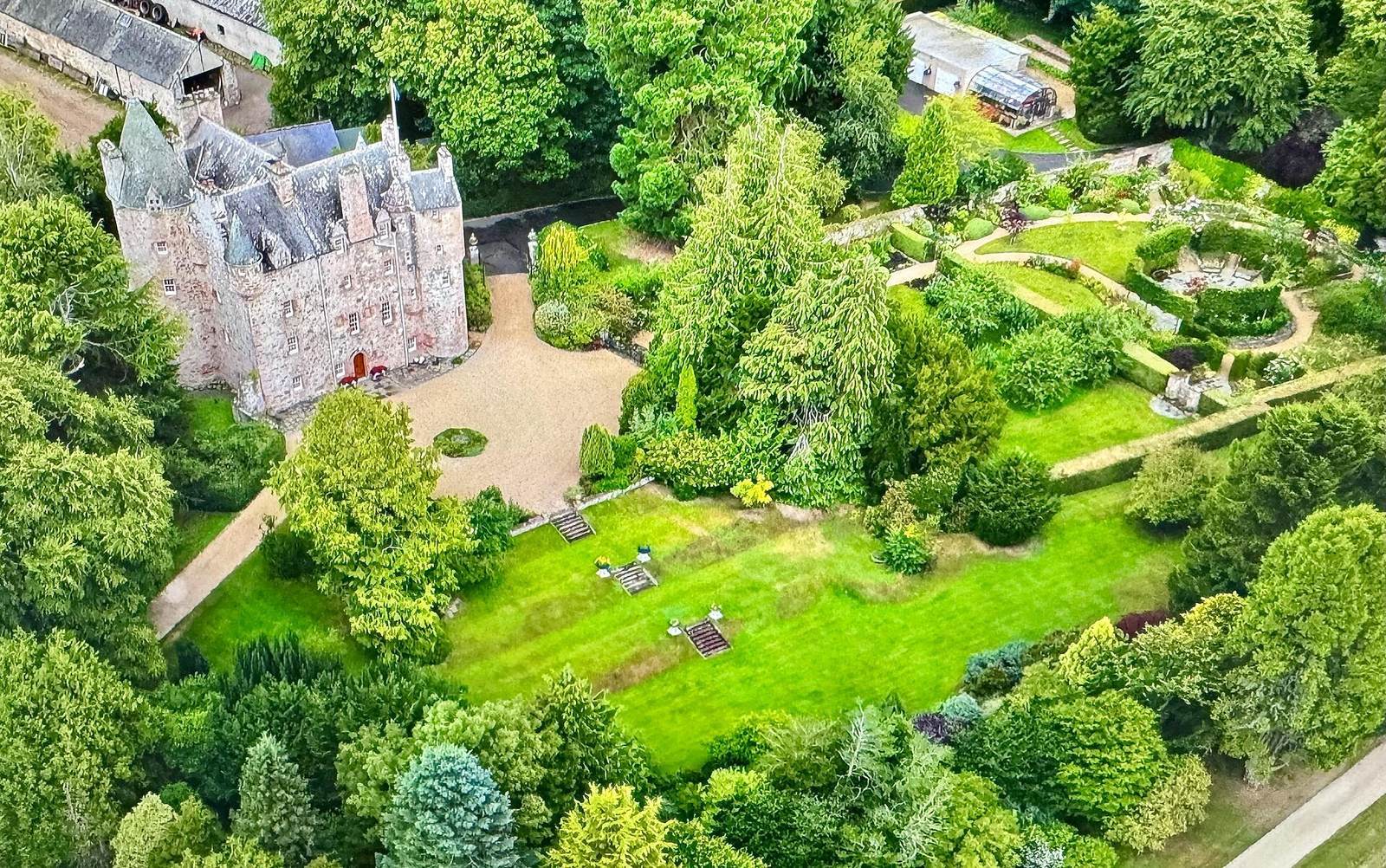
The castle combines a multi-storey Z-plan tower house with a wing on its north side. Gardens are also associated with the property.
Main tower house
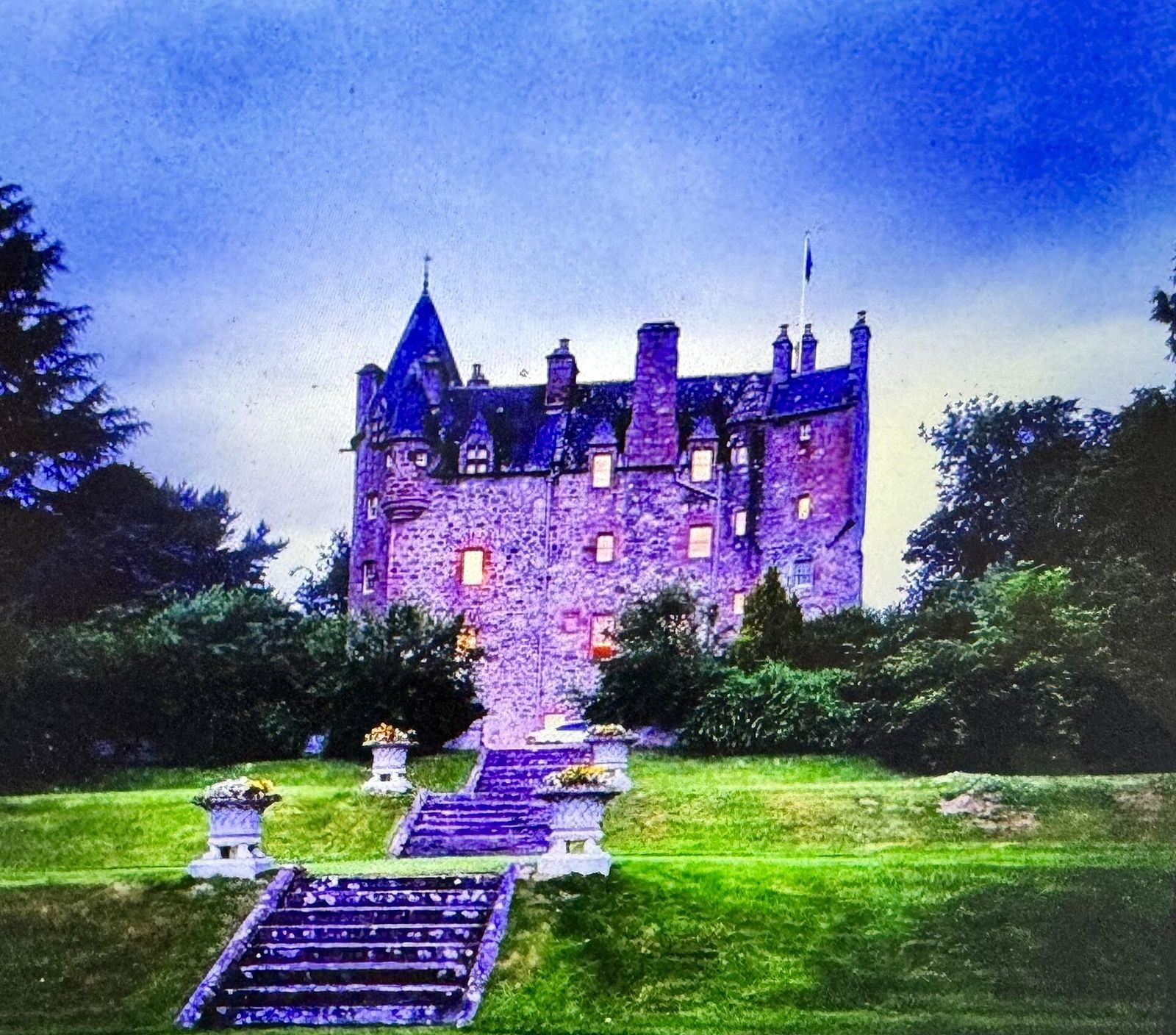
A Z-plan tower house is a fortified Scottish residence with projecting parts at diagonally opposite corners. At Kilcoy, two round towers occupy opposite corners, while crow-stepped gables give the roof edges a stepped outline. Numerous gun loops, narrow openings through which defenders could fire weapons, are set into the structure. The roof is covered with slate and has dormer windows, which probably date from the late 17th century.
North wing and gardens
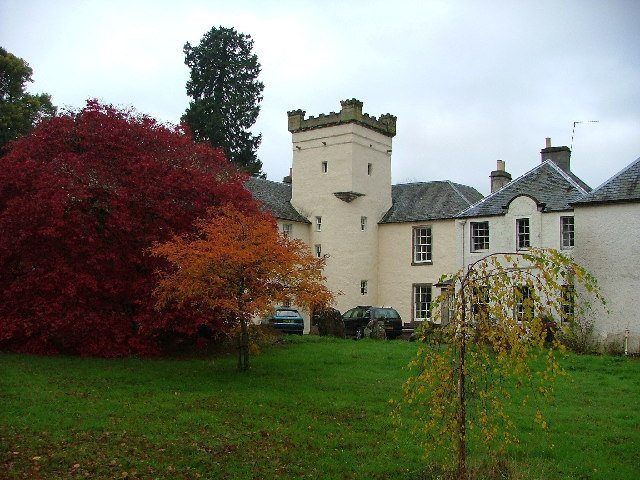
A four-storey wing added during the 1891 restoration stands on the castle’s north side. The grounds include gardens associated with the castle.