Jūrin-in Temple: A Shingon Buddhist Temple in Nara


Site at a Glance
- Rating
- 4.3
- Popularity
- Low
- Country
- Japan
- Primary era
- Medieval
- External website
- Open
- Eras represented
- Medieval
- Civilizations
- Kamakura shogunate
- Site type
- Religious
- Remains
- Temple
On this page10 sections
History
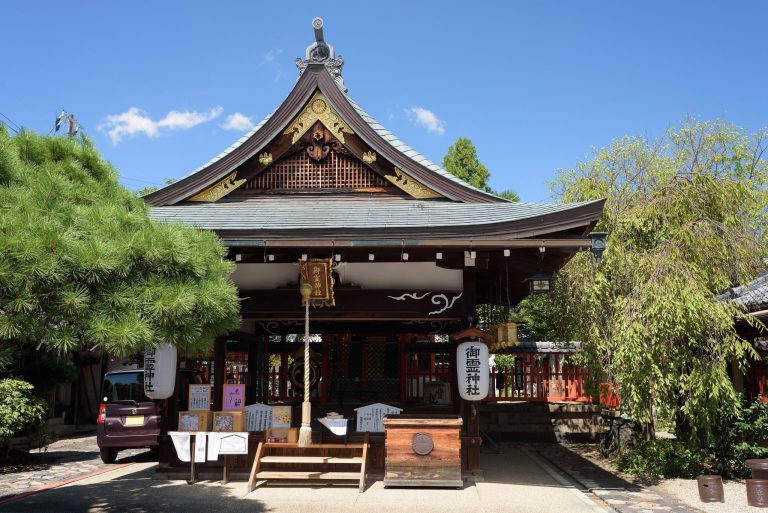
Jūrin-in Temple is a Shingon Buddhist temple in Nara, Japan, whose surviving architectural core is associated with the Kamakura period. Formally known as Uhozan Jūrin-in, it belongs to the Daigo branch, an institutional lineage of Shingon Buddhism associated with Daigo-ji in Kyoto. The temple stands in Naramachi, a district that retains townscapes from the Edo and Meiji periods, and its principal deity is a stone image of Jizo, a bodhisattva associated with protection and salvation.
Origins and Medieval Development
Jūrin-in was originally a subtemple of Gangō-ji. Tradition places its foundation in the Nara period and attributes it to Asano no Sukune Uo, who is traditionally identified as the eldest son of the court official and scholar Kibi no Makibi. According to the tradition, Asano received a former palace of Empress Gensho. Other geographical works attribute the foundation to Kobo Daishi, the posthumous title of Kukai, who founded the Shingon school in Japan. A separate tradition holds that Kobo Daishi stayed at the temple during the Konin era, approximately 810 to 824. The precise date and circumstances of the foundation remain uncertain.
The name Jūrin-in first appears in the medieval Buddhist tale collection Shasekishu, completed in 1283. Its name is considered to derive from the Jizo Ten-Wheel Sutra, and 1283 is also given as a traditional foundation date, although the temple’s actual foundation date is unknown. During the Kamakura period, Jūrin-in appears to have prospered as a center of Jizo worship. From the medieval period onward, it became particularly associated with popular devotion among commoners.
Warfare and Tokugawa Restoration
From the Muromachi period until 1585, Jūrin-in held an estate assessed at 300 koku, a historical measure of land revenue conventionally linked to the rice needed to support one person for a year. Toyotomi Hidenaga confiscated the estate, and warfare inflicted extensive damage on the temple buildings and treasures.
In 1602, Tokugawa Ieyasu granted Jūrin-in an estate of 50 koku in parts of the Hijizuka and Hokkeji districts of Sōgami County. Repairs to the Main Hall and the stone Buddhist niche followed. The temple gradually revived, together with renewed popular devotion to Jizo.
Modern Conservation and Religious Associations
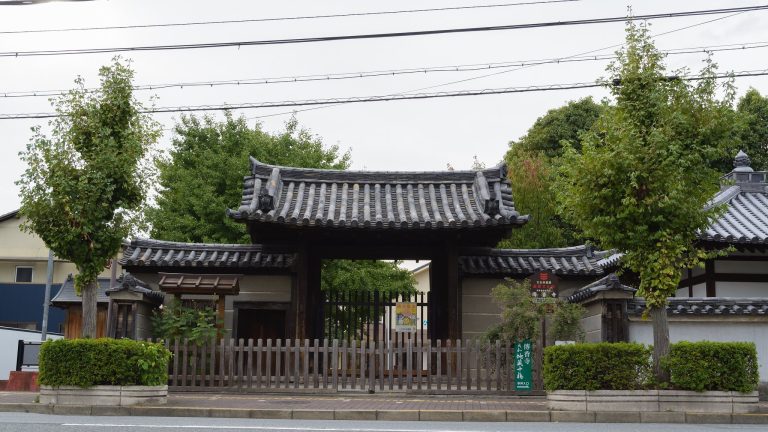
After the Meiji Restoration, Jūrin-in temporarily declined and relinquished its small azekura-style treasure storehouse. The Main Hall and South Gate were dismantled and extensively repaired as cultural properties in 1955. The Fudo Hall was repaired in 1962, and the Miedo underwent dismantling and repair in 1976. The Main Hall is a National Treasure. The South Gate, stone Buddhist niche, and principal stone Jizo image are Important Cultural Properties, while the Miedo and other associated works include prefecturally designated tangible cultural properties. Jūrin-in is also affiliated with the sixth station of the Northern Yamato Eighty-eight Sacred Places pilgrimage and the third station of the Yamato Ten Blessings of Jizo pilgrimage.
Remains
Jūrin-in’s surviving features include Kamakura-period buildings and stone works, with the stone Buddhist niche forming a major architectural element of the precinct. The niche, the Main Hall, and the former treasure storehouse are regarded as Kamakura-period structures, although their exact construction dates are unknown. The precinct also preserves religious images and stone monuments associated with Jizo worship and other Buddhist practices.
Temple Buildings
The Main Hall, South Gate, Fudo Hall, and Miedo represent the principal surviving wooden structures. The Main Hall and stone Buddhist niche are regarded as Kamakura-period works, while the South Gate and Miedo belong to the temple’s protected historic fabric. The Miedo was dismantled and repaired in 1976, following major repairs to the Main Hall and South Gate in 1955. The Fudo Hall received repairs in 1962 and houses a wooden standing image of Fudo Myoo with two attendants.
Granite Buddhist Niche
The stone Buddhist niche is an unusually rare Japanese structure made entirely from cut granite. Measuring approximately 268 centimeters wide, 245 centimeters deep, and 242 centimeters high, it consists of cut stones stacked into a cabinet-shaped enclosure. A standing stone Jizo occupies its center. The archaic image, about 150 centimeters high, holds a wish-granting jewel and forms the associated hand gesture, or mudra, in deep relief.
The niche’s front side walls carry images of the Ten Kings, judges of the dead in Buddhist afterlife traditions. Sacred Kannon appears on the eastern side and Fudo Myoo on the western side, while Miroku Bodhisattva and Shaka Nyorai, the historical Buddha, are shown in half-relief toward the front. The outer surfaces include guardian figures such as Kongorikishi, Jikokuten, and Tamonten, together with a five-ring stupa and figures of the Four Heavenly Kings.
Its upper and side surfaces are carved with seed syllables in Sanskrit script representing the Big Dipper, the Nine Luminaries, the Twelve Zodiac Signs, and the Twenty-eight Lunar Mansions. The carvings were originally painted in several colors. The central Jizo is considered an early Kamakura-period work, while the other carved images are thought to be somewhat later. The niche is classified as an architectural structure rather than as a sculpture.
Images in the Goma Hall
The Goma Hall contains a group of three wooden statues consisting of a standing Fudo Myoo and two attendant figures. Fudo Myoo is a wrathful Buddhist deity associated with immovable wisdom and the destruction of spiritual obstacles. Tradition attributes the group to Chisho Daishi, the posthumous title of the Tendai monk Enchin, but the statues are considered late-Heian-period works. The painted wooden Fudo Myoo is 98 centimeters high, and each attendant measures slightly more than 45 centimeters.
Former Treasure Storehouse
The former Jūrin-in Treasure Storehouse is a small Kamakura-period building made in azekura construction, a method that uses horizontal logs with distinctive triangular exterior profiles. It was moved to Tokyo in 1882 and now stands within the grounds of the Tokyo National Museum.
Stone Works in the Precinct
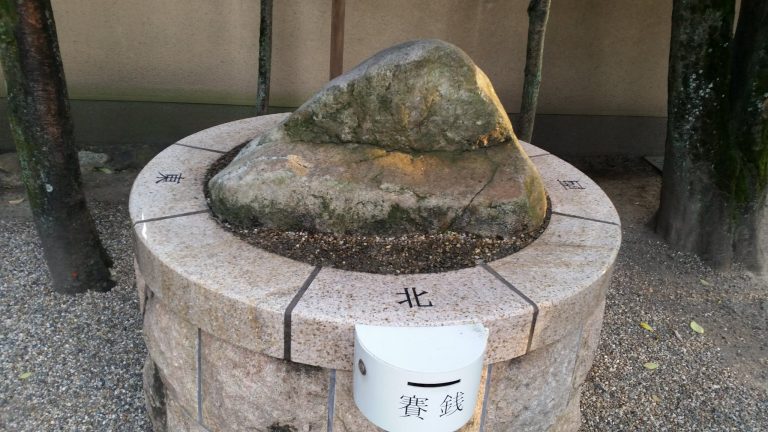
Stone artifacts distributed around the precinct are regarded as surviving Kamakura-period works. They include a 205-centimeter-high standing image of Fudo Myoo with traces of its original coloring, a standing stone bodhisattva identified as Gassho Kannon, an Aizen Mandala Stone, and a thirteen-story stone pagoda.
Nearby sites