Itum-Kale Fortress: A Medieval Tower Complex in Russia
Site at a Glance
- Popularity
- Low
- Country
- Russia
- Primary era
- Medieval
- Eras represented
- Medieval
- Civilizations
- Unclassified
- Site type
- Military
- Remains
- Castle
On this page10 sections
History
Medieval origins and rebuilding
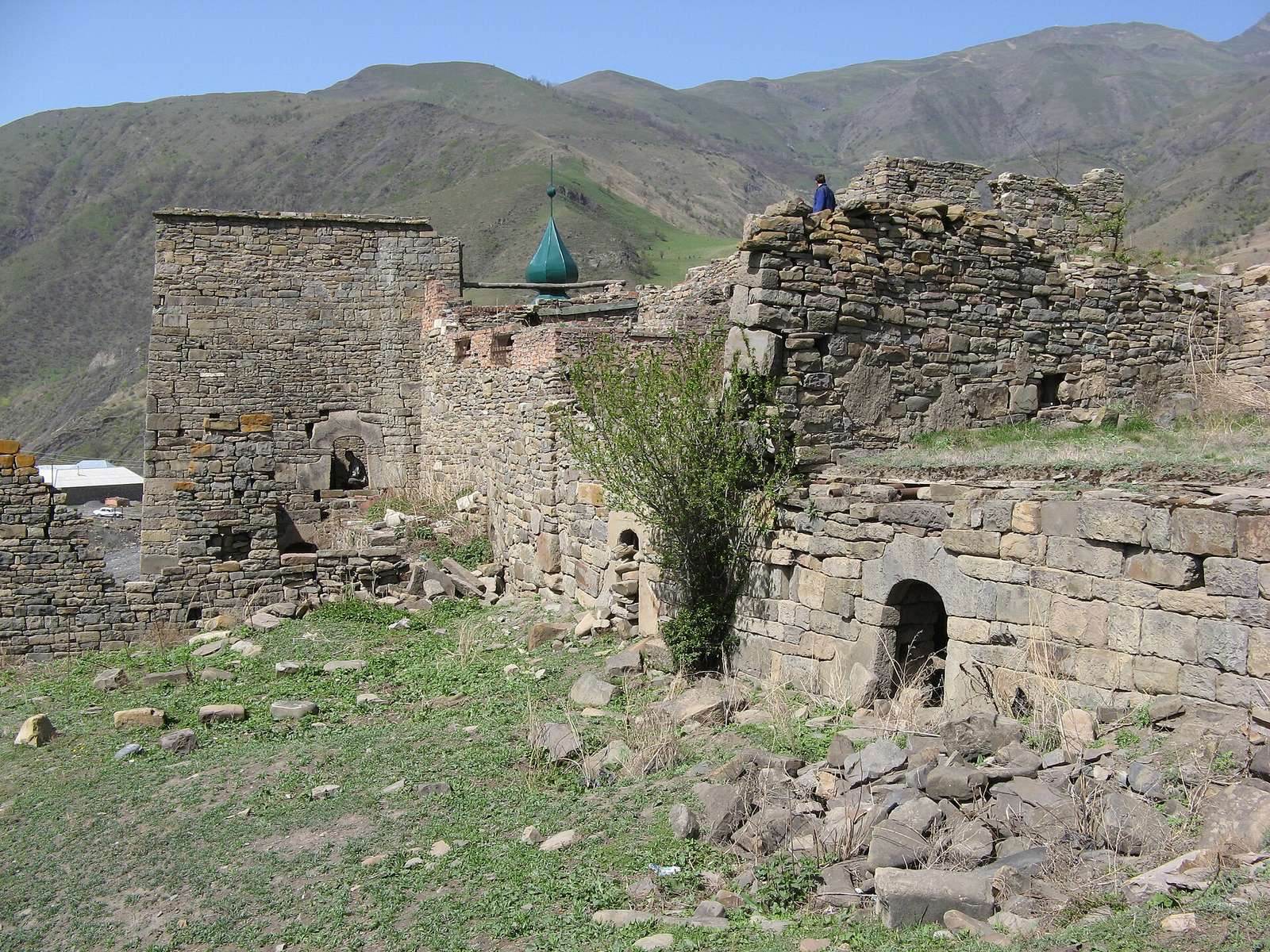
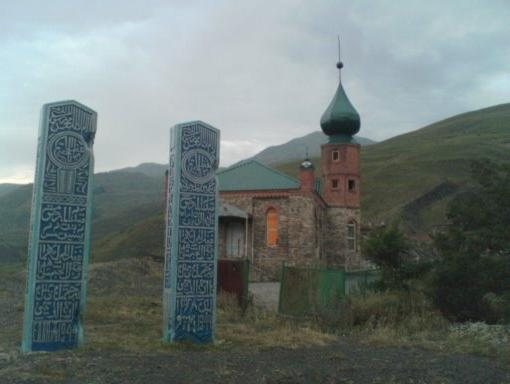
Itum-Kale Fortress is a medieval tower complex in Russia, known in Chechen as Pkhakoch, a name translated as “settlement at the upper edge.” During a later rebuilding, a residential tower was reconstructed as a mosque, additional buildings were added, and a high stone wall enclosed the complex. The site has since been restored.
Archaeological study and heritage status
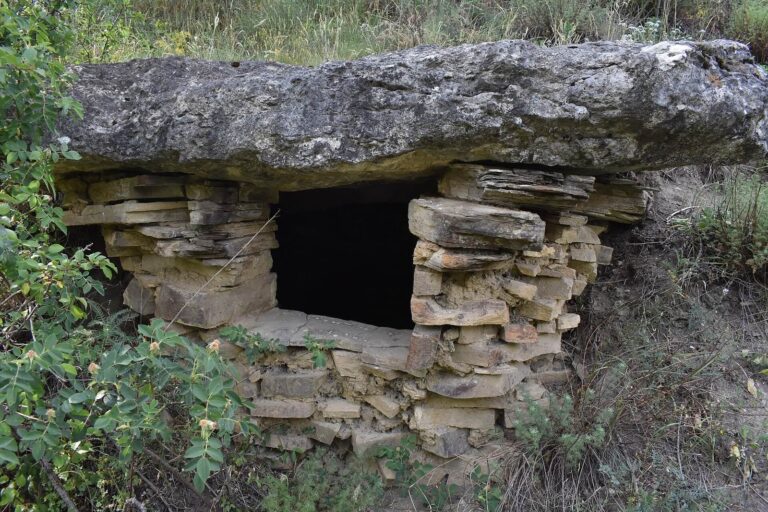
Bruno Plechke examined the complex in 1927 and 1928 while searching for carved images. V. I. Markovin led investigations there in 1958 and 1960 as part of the North Caucasus archaeological expedition. In 1960, an underground burial chamber in the village cemetery was also examined. Its grave goods were unremarkable after extensive looting.
Russia recognizes Itum-Kale Fortress as a cultural heritage property of federal importance.
Remains
Setting and layout
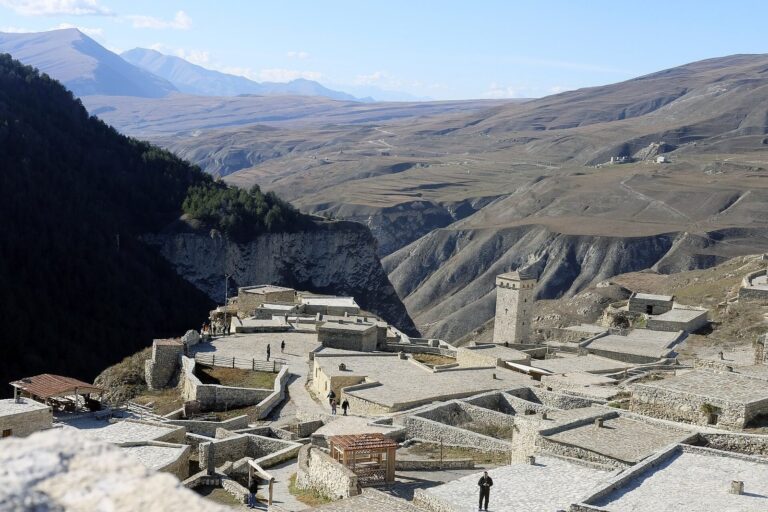
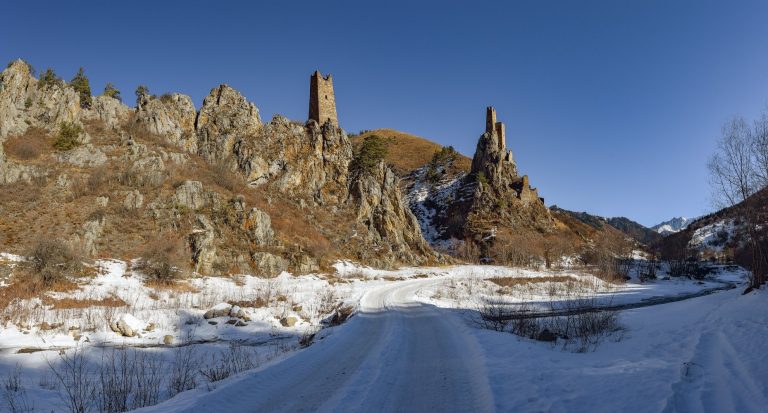
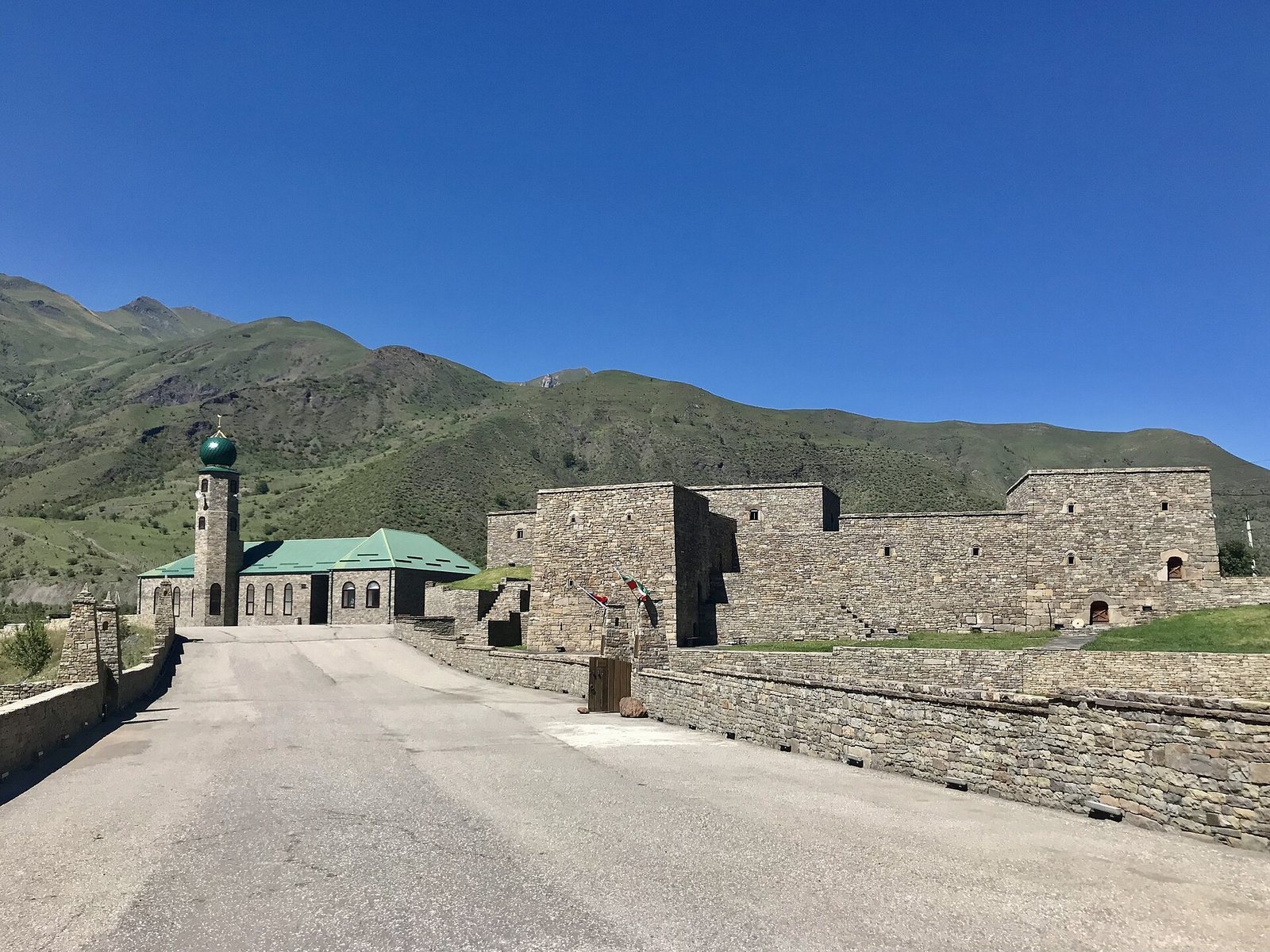
The complex occupies about 17,000 square metres on Itum-Kale’s southern side, beside a river at the mouth of a gorge and roughly 850 metres above sea level. Its long axis runs about 140 metres from east to west, with one street following that direction through the site. Rocky mountain ground borders its western side, while slopes meet its eastern edge. Across the river, ruins of residential towers belong to a settlement; the fortress stands on the opposite bank.
Buildings and carved features
Tower, mill, and fortifications
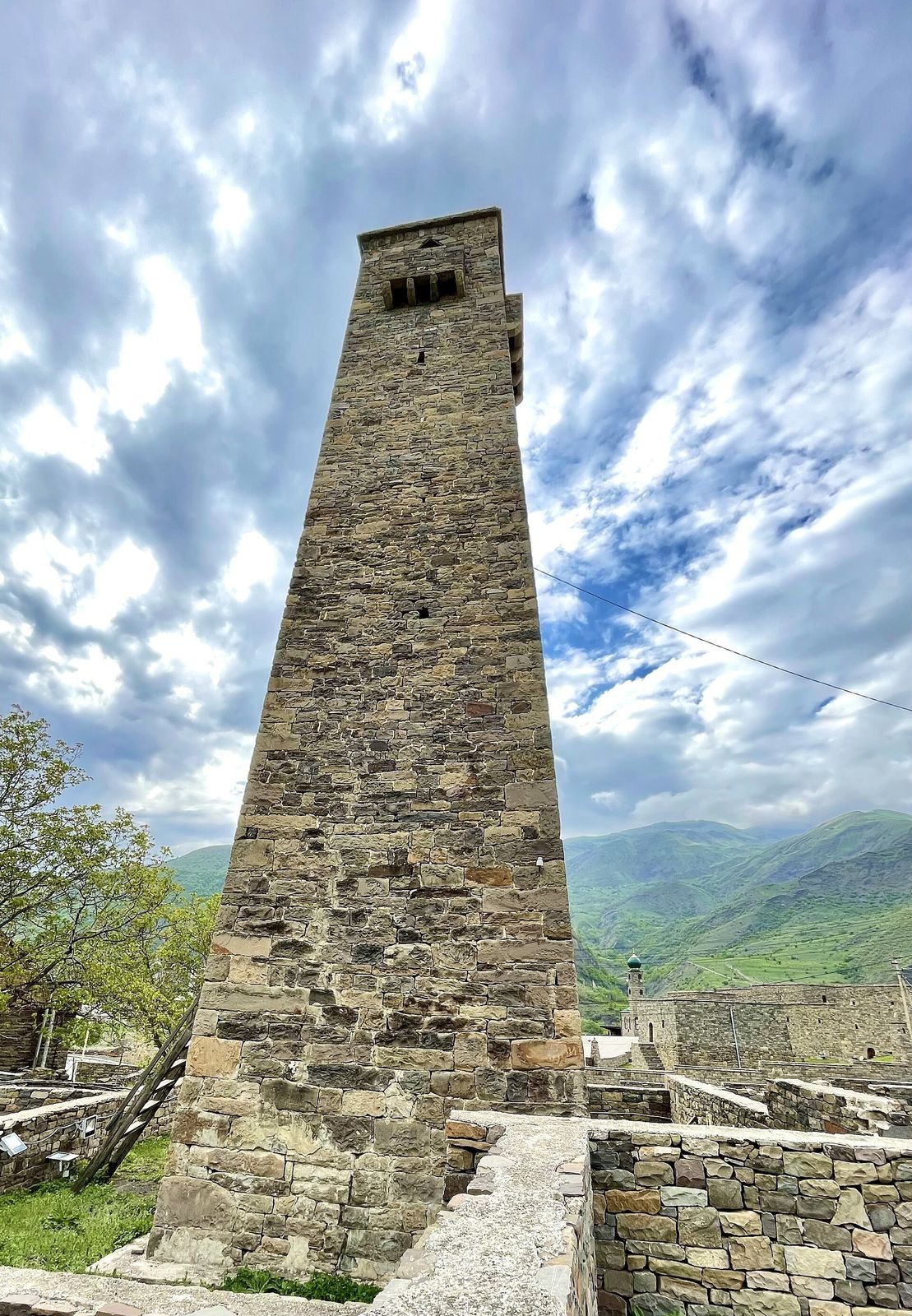
A residential tower, about 10 metres high, stands among the complex’s fortifications, mill, and outbuildings. A high stone wall encloses the restored site. The enclosure’s western portion, which contains six rooms, is its best-preserved section.
Mosque inscriptions
Arabic inscriptions on the mosque identify people connected with its construction. One says that a man and his son made the building and names the man’s father. Another describes a man as a pilgrim to Mecca and Medina, Islam’s two holy sanctuaries, and as the son of a sheikh, a Muslim religious or community leader.
Carved images
Numerous petroglyphs, images or symbols carved into surfaces, appear on the towers and other buildings.
Museum rooms and collections
One tower contains two museum spaces. Its first floor houses a local-history museum with household objects, tools, traditional Chechen clothing, weapons, and other historical items. The second floor is a memorial museum to Hussein Isaev, a Chechen politician who chaired the State Council of Chechnya, a regional governing body. The museum recreates his office and holds his personal belongings, annotated documents, and scholarly works.