Ķīšezera (Bulduru) pilskalns: A Livonian Hillfort in Latvia
Site at a Glance
- Rating
- 4.7
- Popularity
- Very Low
- Country
- Latvia
- Primary era
- Iron Age
- External website
- Open
- Eras represented
- Iron Age
- Civilizations
- Unclassified
- Site type
- Military
- Remains
- Fort
On this page9 sections
History
Ķīšezera (Bulduru) pilskalns is a hillfort in Latvia, a raised settlement or defensive site strengthened with earthworks, associated with the Livonians and dated to before the thirteenth century. The earliest evidence of human presence belongs to the Late Iron Age, approximately the ninth to thirteenth centuries, when Livonians, a Finnic-speaking people of the region, inhabited the area around the Gulf of Riga.
Late Iron Age occupation
Archaeological remains indicate occupation at the end of the Late Iron Age and the beginning of the Early Middle Ages. The fortifications are now represented mainly by a low rampart along the northwestern edge, so the site’s original defensive arrangement cannot be fully reconstructed. The hillfort is also known as Bulduru pilskalns and Neijermīles pilskalns, the latter name referring to a historical place-name associated with a fortified site in the Riga region.
Agricultural and military reuse
After its fortified use ended, the site served agricultural purposes for an extended period. Long-term ploughing on the summit may have changed the original relief and damaged the archaeological layers. Trenches on the western side belong to the First World War.
Investigation and protection
An inspection in 1941 identified the remains of an old bridge across the marshy meadow leading toward the hillfort. In 1980, archaeologist Juris Urtāns reported a grain-grinding stone, while small excavations in 1986 produced insufficient results. Before more substantial work began in 2021, interpretations of the site included a pirate base on the Gulf of Riga, a Late Iron Age Livonian hillfort, a Neijermīle fortification linked to Bukulti Castle, and a medieval or early-modern defensive work in Riga. Folklore also associated the rise with a summer residence of a Swedish king.
Excavations begun in 2021 provided evidence for human presence at the end of the Late Iron Age and the beginning of the Early Middle Ages, together with active use of the area from the seventeenth century onward. In 1924 the hillfort was listed as a natural monument and scenic feature among protected forests, natural monuments, and parks. It entered the list of protected objects of local significance in 1998. Its official designation is Bulduru pilskalns (Ķīšezera pilskalns), registration number 2071, and it is classified as a state-significance archaeological monument.
Remains
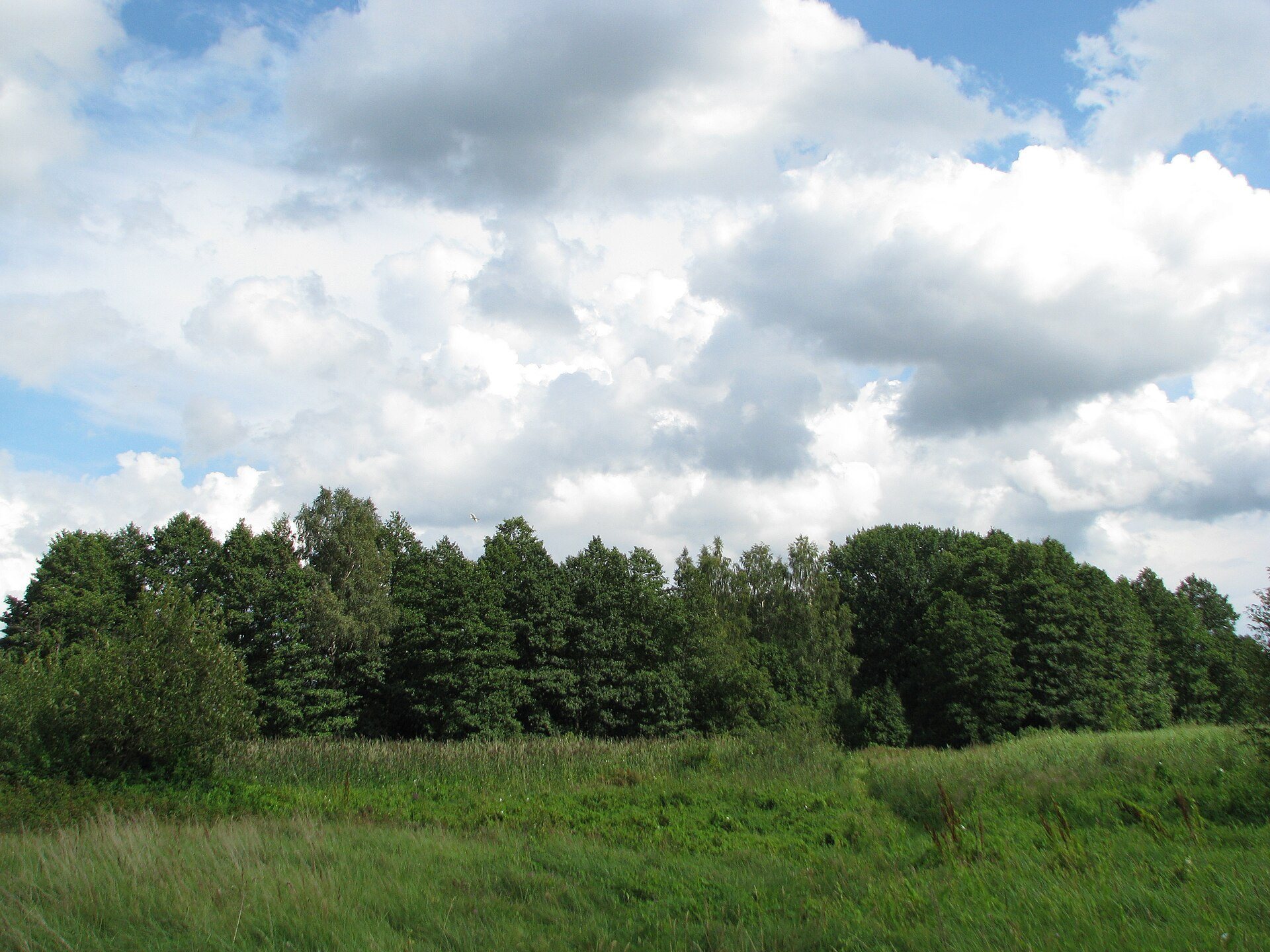
The hillfort occupies a slight rise at the southern end of the Liepussala Peninsula beside Lake Ķīšezers. The rise, known as Sudrabsala or Buldursala after the former Bulduri homesteads, is separated from the rest of the peninsula by a wet meadow. The peninsula reaches approximately 14 metres above sea level, while the hillfort rises by up to 5 metres. The site lies within the Jaunciems Nature Reserve and the Suži area of Riga.
Summit and earthworks
Summit
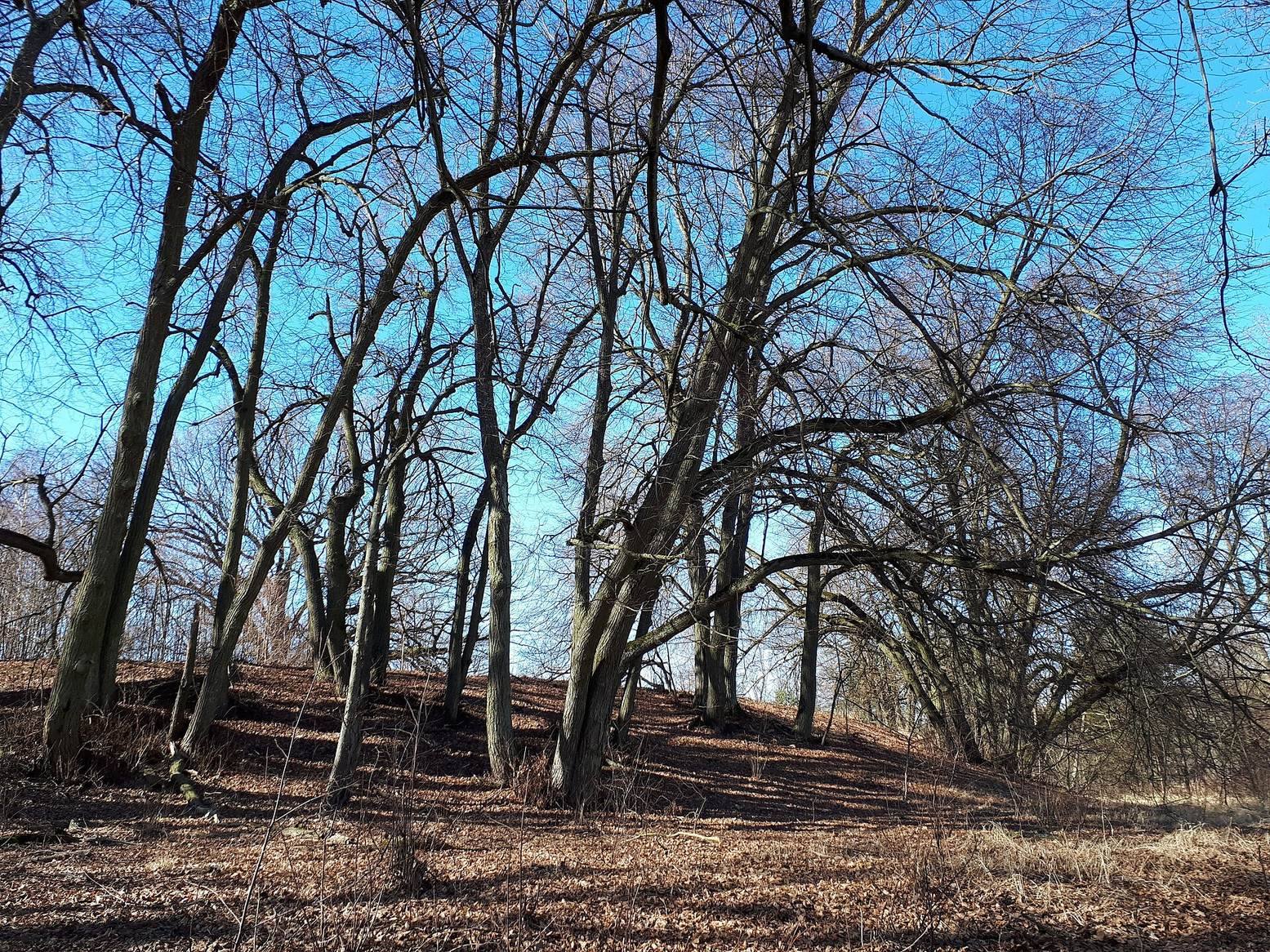
The level summit measures approximately 40 by 15 metres and is oriented southeast to northwest. Dimensions of approximately 85 by 40 metres have also been given for the wider site. Woodland now covers much of the hillfort, while the summit bears evidence of earlier ploughing. Buldursala Great Oak grows at the western edge of the summit. Its circumference was measured at 6.41 metres in 2010, with a later measurement of 6.9 metres. Lime trees with broad canopies grow on the slopes.
Rampart and slopes
Buldurpunga Bay of Lake Ķīšezers bounds the site to the east, the shallows at the mouth of the River Jugla lie to the south, and Lake Ķīšezers borders it to the west. A rampart approximately 0.5 metres high runs along the northwestern edge. Wind-driven fluctuations in the lake, which can reach several metres, have washed out the southwestern slope. The remains of an old bridge cross the wet meadow toward the rise.
Archaeological finds
Excavations have yielded ceramic sherds, fragments of stove tiles, worked flint pieces, coins, and other objects. Together, these finds indicate human presence at the end of the Late Iron Age and the beginning of the Early Middle Ages, as well as active use of the area from the seventeenth century.