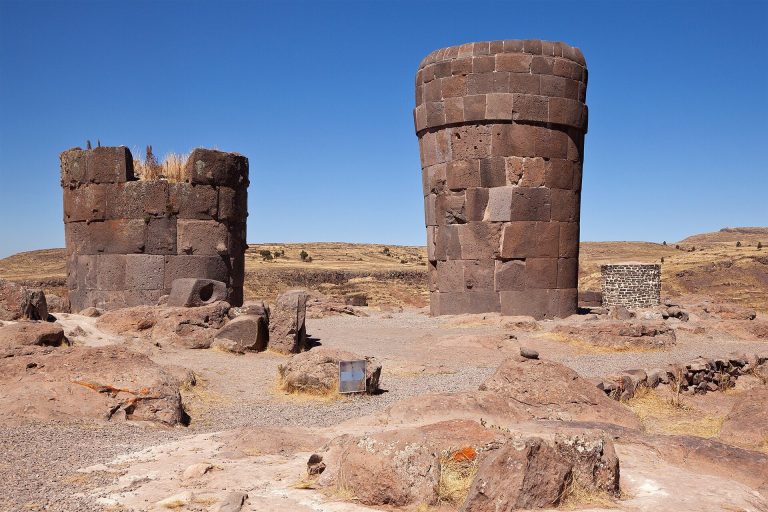
Inca Uyo: An Archaeological Site in Chucuito, Peru
Site at a Glance
- Rating
- 4.2
- Popularity
- Medium
- Country
- Peru
- Primary era
- Medieval
- Eras represented
- Medieval, Early Modern
- Civilizations
- Spanish
- Site type
- Religious
- Remains
- Sanctuary
On this page6 sections
History
Inca Uyo is an archaeological site associated with the Lupaca culture in Chucuito, Peru. The Lupaca were an Aymara-speaking polity that occupied the western Lake Titicaca region before and during the expansion of the Inca Empire. Chucuito was formerly regarded as the capital and administrative center of the Lupaca polity, and Inca Uyo was important before the Inca period before being retained as a sacred place under Inca rule.
Lupaca and Inca-period importance
The site once formed part of a larger complex of substantial buildings and is described as having been a major center of power. The sixteenth-century chronicler Pedro Cieza de León recorded traditions identifying Chucuito as the oldest settlement in the region. Inca Uyo may have belonged to a wider group of buildings used for political and religious ceremonies, although its precise function remains uncertain.
Interpretations have included a fertility temple and an ushnu, a raised or specially constituted ceremonial place used in Inca political and religious practices. This interpretation connects the site with worship of Pachamama, an Andean earth and fertility deity or sacred power. Another proposal identifies Inca Uyo as an astronomical observatory used to determine the equinoxes and solstices and to select the appropriate time for planting.
Changing interpretations and archaeological work
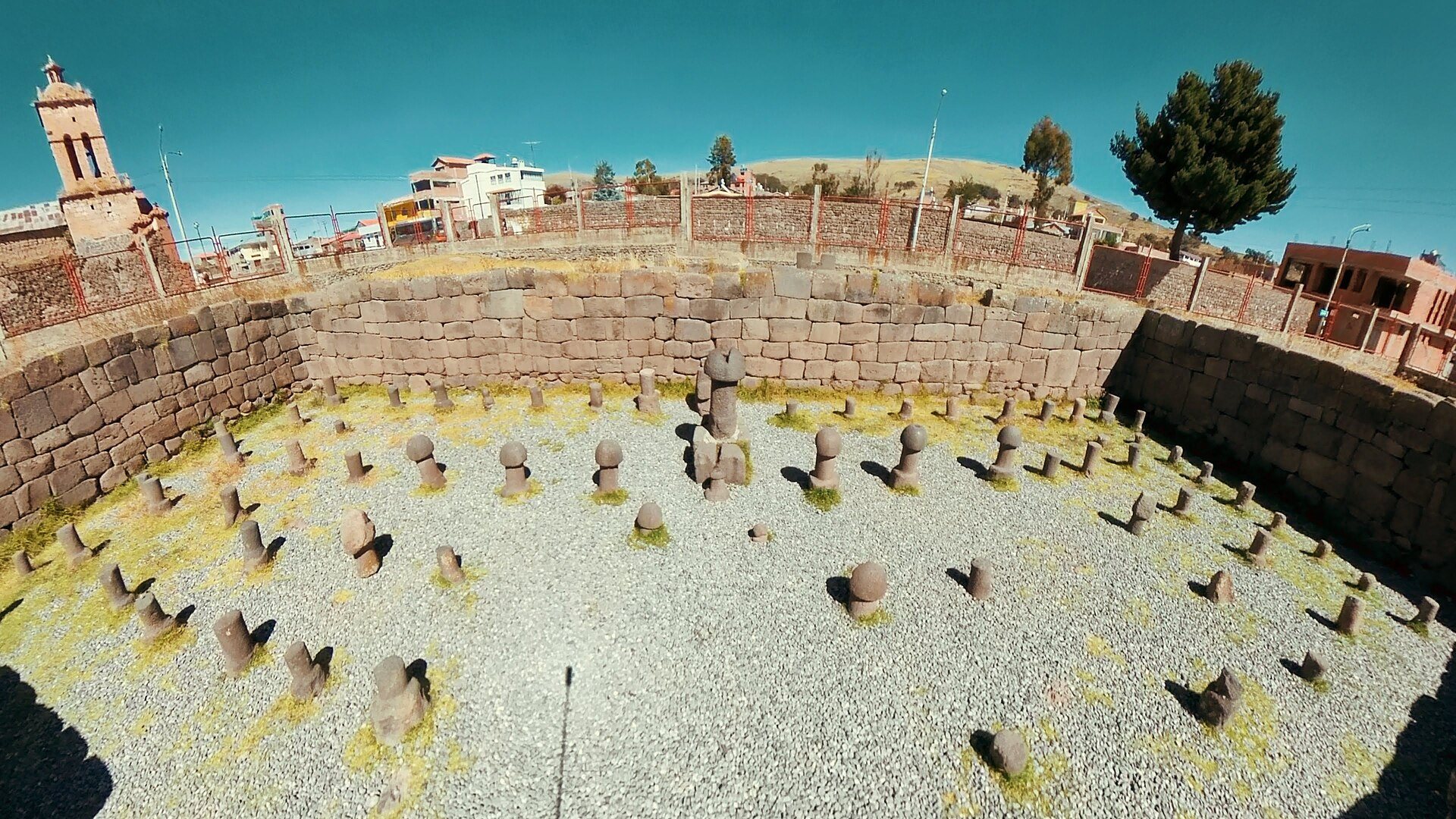
The date and sequence of construction are unresolved. A foundation date of 1533 appears in one historical listing, while excavated materials indicate that construction was still underway when the Spanish arrived. The interpretation of the site as a “Temple of Fertility” gained strength after carved, mushroom-shaped stones were moved and rearranged there in 1993. That interpretation has been rejected because the stones are not identified in Lupaca, Inca, or viceregal records as belonging to Inca Uyo.
The stones had reportedly been collected from the ruins of houses and smaller structures, where they served as fence components, door lintels, animal-tethering supports, and other practical elements. Their relationship to the original structures at Inca Uyo is therefore uncertain. Excavation began in 1941 under the landowner Isaac Meneses Romero and resumed in 1971 under the archaeologist Orompelio Vidal. Work in the 1940s recovered substantial quantities of ceramics, metal, stone, and bone artifacts, while the later excavations recovered several carved-stone pieces. A 2005 forum also reported channels and foundations belonging to colonial buildings.
Inca Uyo was declared Cultural Heritage of the Nation of Peru in 2001. The site is near the Church of Santo Domingo in Chucuito, considered one of the early churches built in the Altiplano.
Remains
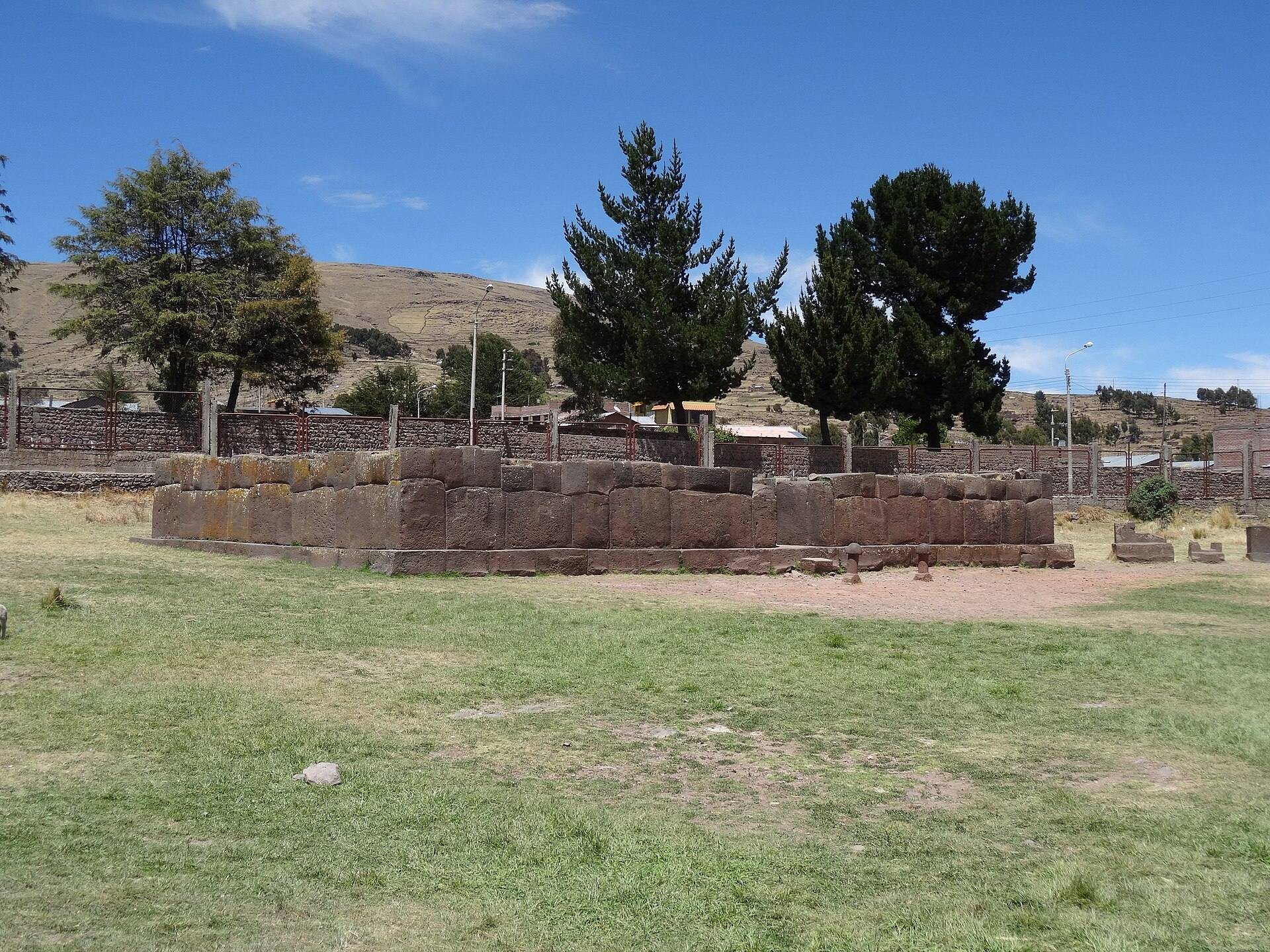
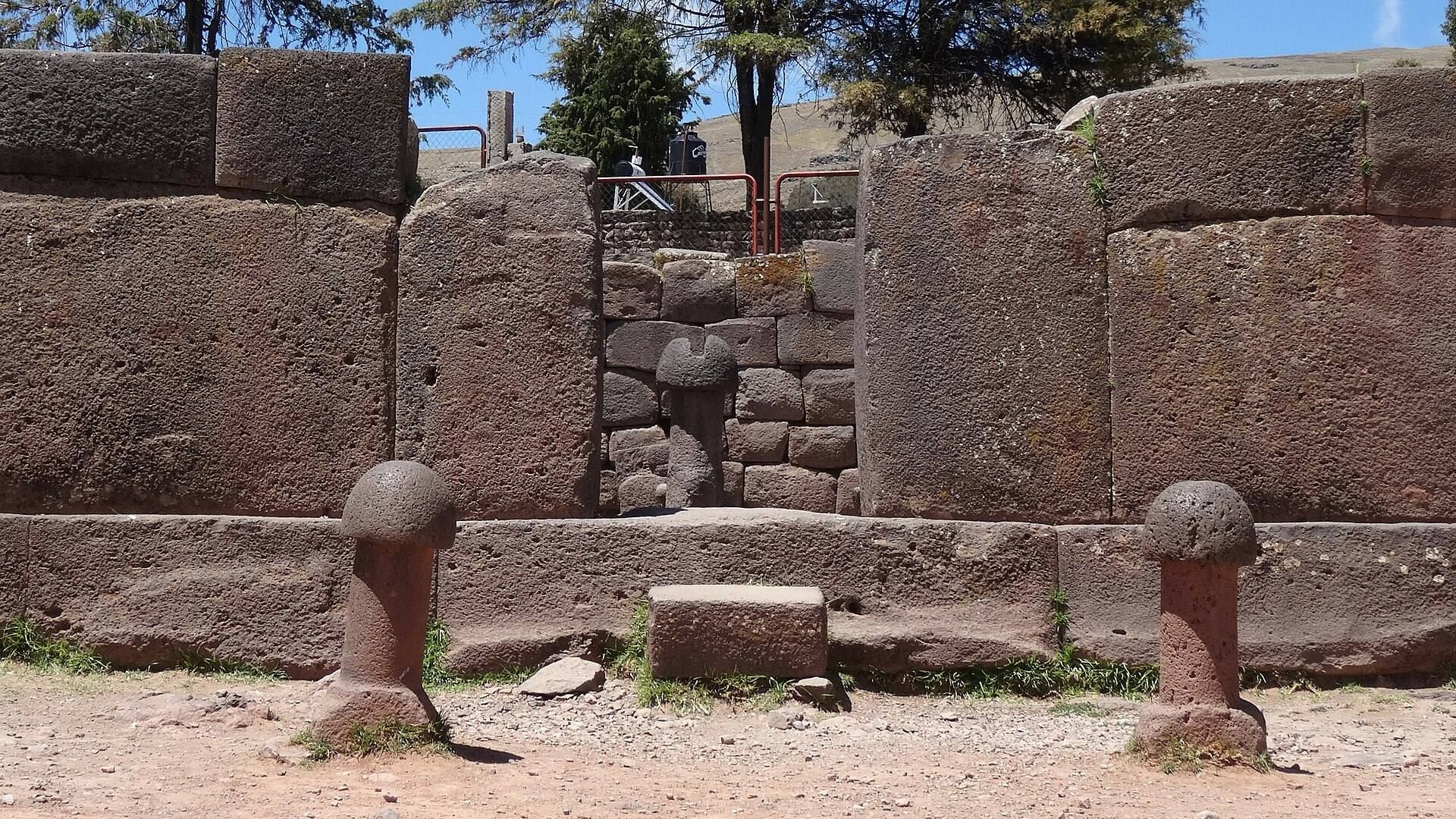
Inca Uyo consists of a rectangular enclosure measuring approximately 20 metres from north to south and 10 metres across, covering about 200 square metres. Cut stones laid in two rows form its boundary. The enclosure follows an astronomical orientation, and its entrance lies on the northeastern side. The surviving layout combines the bounded enclosure with carved stones placed inside and along its northern exterior, although the present arrangement does not securely preserve an ancient plan.
The rectangular enclosure
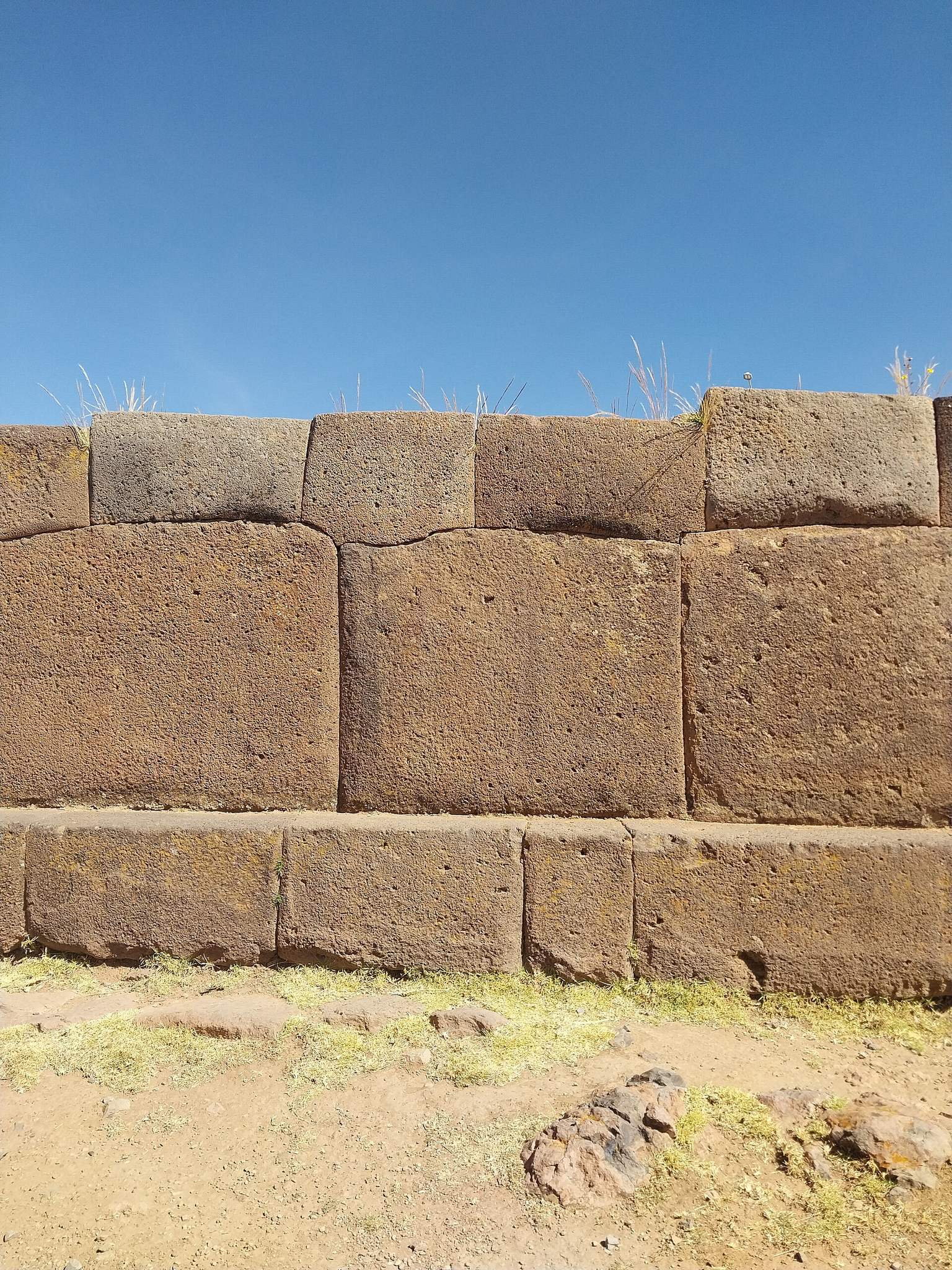
The enclosure is built with walls of cut stone arranged in two rows. Its northeastern entrance provides the principal point of access, while the orientation of the structure has been associated with astronomical observation. Excavations around the site have produced channels and foundations of colonial buildings, as well as ceramics, metal objects, stone artifacts, and bone artifacts. These finds reflect multiple phases of activity at the location.
Carved stones
Several carved stones stand within the enclosure. They vary in size and form and are commonly described as phallic or mushroom-shaped. Two small examples are positioned at the entrance, other figures are distributed through the interior, and a larger stone occupies the center. The stones were placed or rearranged at Inca Uyo in 1993, and their arrangement does not provide secure evidence for the original ancient layout.
On the northern exterior, additional carved stones shaped like the letter U are aligned along a north-south axis. The stones are described as ancient and made from local stone deposits, although some may have been brought from elsewhere. Their earlier use as supports for the roofs of houses and other buildings, together with the recovery of carved pieces during excavation, leaves their connection with the enclosure’s first construction unresolved.