Idrija Mine: A Historic Mercury Mine in Slovenia
Site at a Glance
- Rating
- 4.8
- Popularity
- High
- Country
- Slovenia
- Primary era
- Early Modern
- Eras represented
- Medieval, Early Modern, Modern
- Civilizations
- Austrian Empire, Habsburg, Habsburg Austria, Holy Roman Empire
- Site type
- Economic
- Remains
- Mine
On this page18 sections
History
The Idrija mine in Idrija, Slovenia, became one of the world’s major mercury-producing centers after mining began in the late fifteenth century. It was the world’s second-largest mercury producer, after Almadén in Spain.
Discovery and early mining
Local tradition dates the discovery of mercury to 1490. A tub maker is said to have noticed a bright substance in water left in his wooden vessel. When the unusually heavy tub proved impossible to lift, he took a sample to Škofja Loka, where it was identified as mercury. The discovery is associated with the formation of Idrija.
Mining began in the 1490s, but early work yielded little mercury. In 1508, miners found major ore veins in Anthony’s Gallery. Over its working history, the mine produced more than 200,000 tonnes of mercury, with annual output of about 400 tonnes.
Austrian control and industrial connections
The Austrian government took full control in 1575 and owned the mine until 1918. Modernization followed, including retort furnaces, closed vessels used to heat ore and extract mercury, and pumps to remove underground water. French forces occupied the mine in the late seventeenth and early eighteenth centuries and extracted mercury intensively.
Demand for glass containers for Idrija’s mercury helped encourage glassmaking in Slovenia’s Posavje region. During the period of Austrian rule under Austria-Hungary, a Habsburg-led dual monarchy that existed from 1867 to 1918, this industry included the establishment of the company now known as Steklarna Hrastnik.
Suspension of mining and heritage recognition
Mining was mothballed in 1978 as the mercury content of the ore fell from several percent to around 0.2–0.3 percent.
An initial 2008 UNESCO nomination grouped Idrija with Almadén and the silver mine at Potosí, Mexico, but the application was rejected in 2009. After resubmission, UNESCO, the United Nations agency for education, science and culture, inscribed Idrija and Almadén together on 30 June 2012 as the cultural property Heritage of Mercury. Almadén and Idrija.
Remains
The surviving site brings together surface buildings, displays of mining equipment, water-powered machinery and extensive underground workings. These remains reflect both the mine’s industrial operations and the geology that shaped its ore deposits.
Historic buildings and mine exhibits
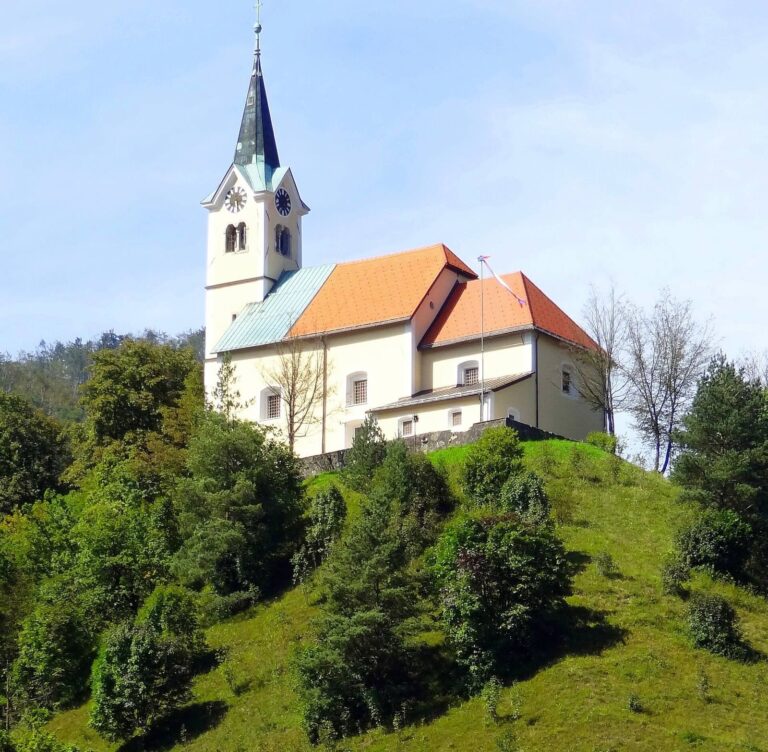
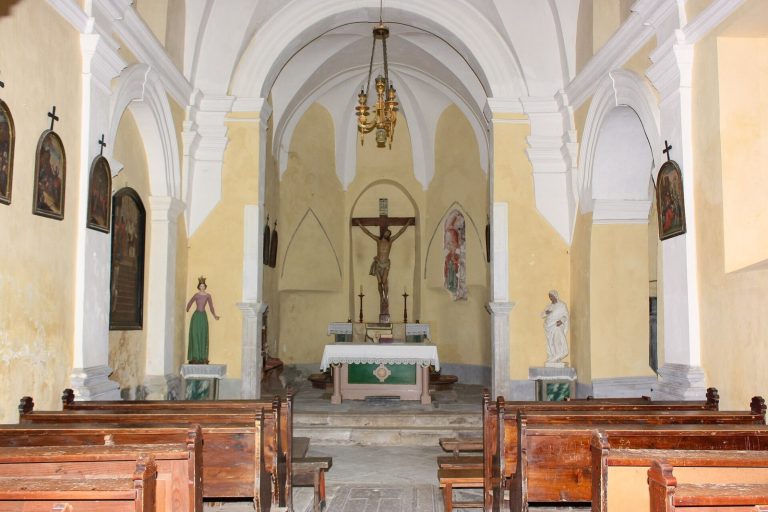
Church of the Holy Trinity
Built in 1500, the Church of the Holy Trinity stands at the place local tradition identifies with the discovery of mercury.
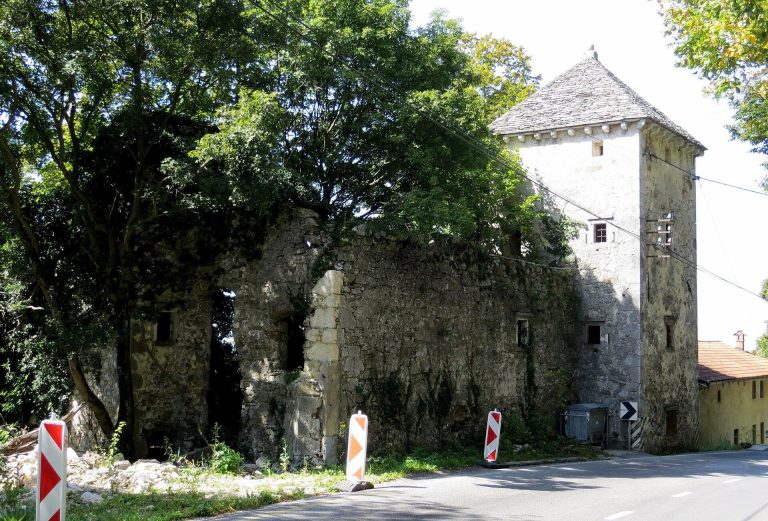
Gewerkenegg Castle
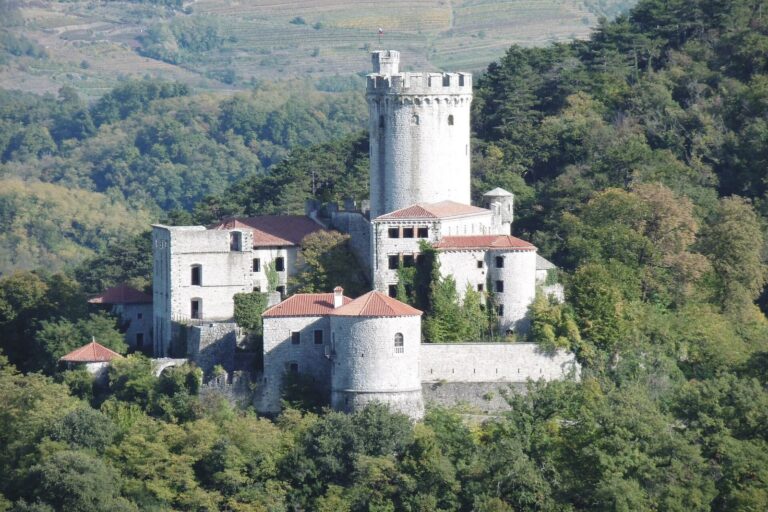
Gewerkenegg Castle was built in Idrija in 1527. It served as a storage place for mercury and as the seat of the mining administration, rather than as a defensive stronghold.
Anthony’s Gallery
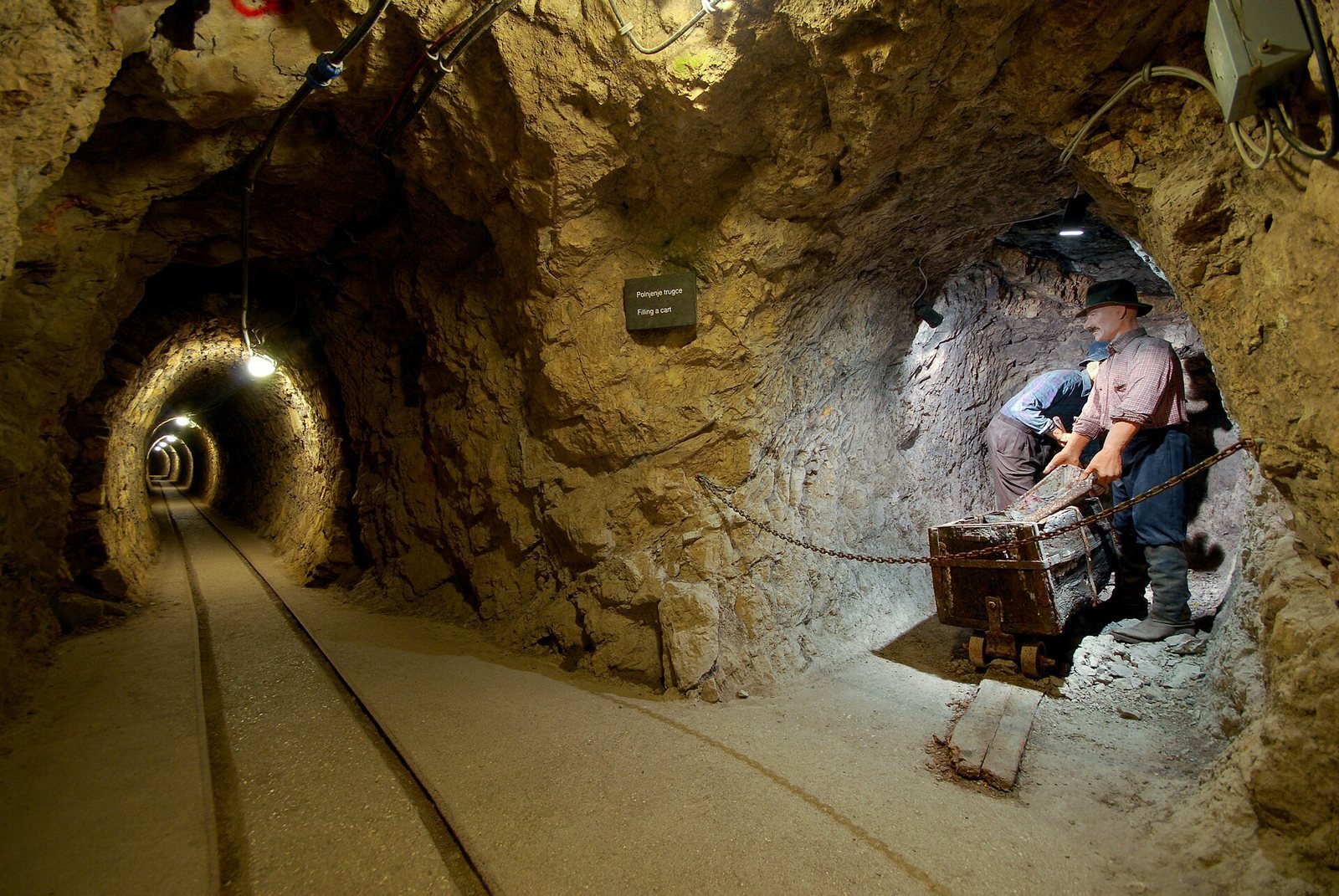
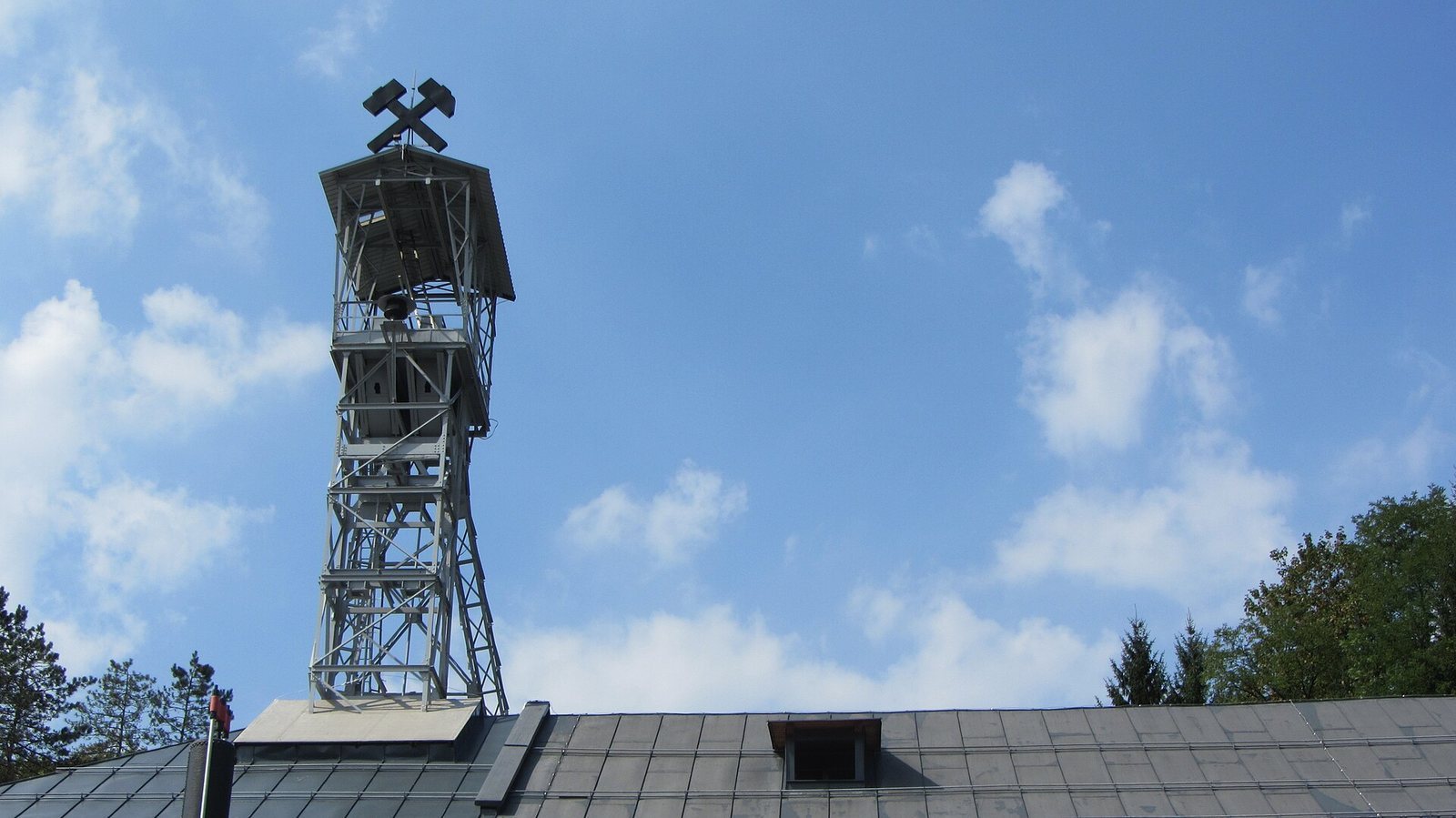
Immediately behind the mine’s former main entrance, Anthony’s Gallery is a refurbished part of the abandoned underground workings now used as a museum.
Machinery halls
Old mining machinery is displayed in two halls beside the former Francis Shaft.
Miners’ house
Near the machinery halls is a restored miners’ house dating to the second half of the eighteenth century.
Water-powered machinery and drainage
Kamšt waterwheel
The Kamšt is a wooden waterwheel about 13 metres in diameter, built roughly two centuries ago to pump water from the mine. It drove rods extending 67 metres horizontally and 340 metres underground to a pump. A flood in 1948 swept away the dam on the Idrijca that supplied the wheel through the Rake channel, ending its water-powered operation. The restored wheel can now turn only by hand and is Europe’s largest wooden wheel. Its name is thought to come from the German word Kunst.
Rake channel
The Rake was constructed beside the Idrijca to carry a steady flow of water to the Kamšt. It fell into disrepair after the wheel stopped and has since been partly restored.
Mine-water drainage conduit
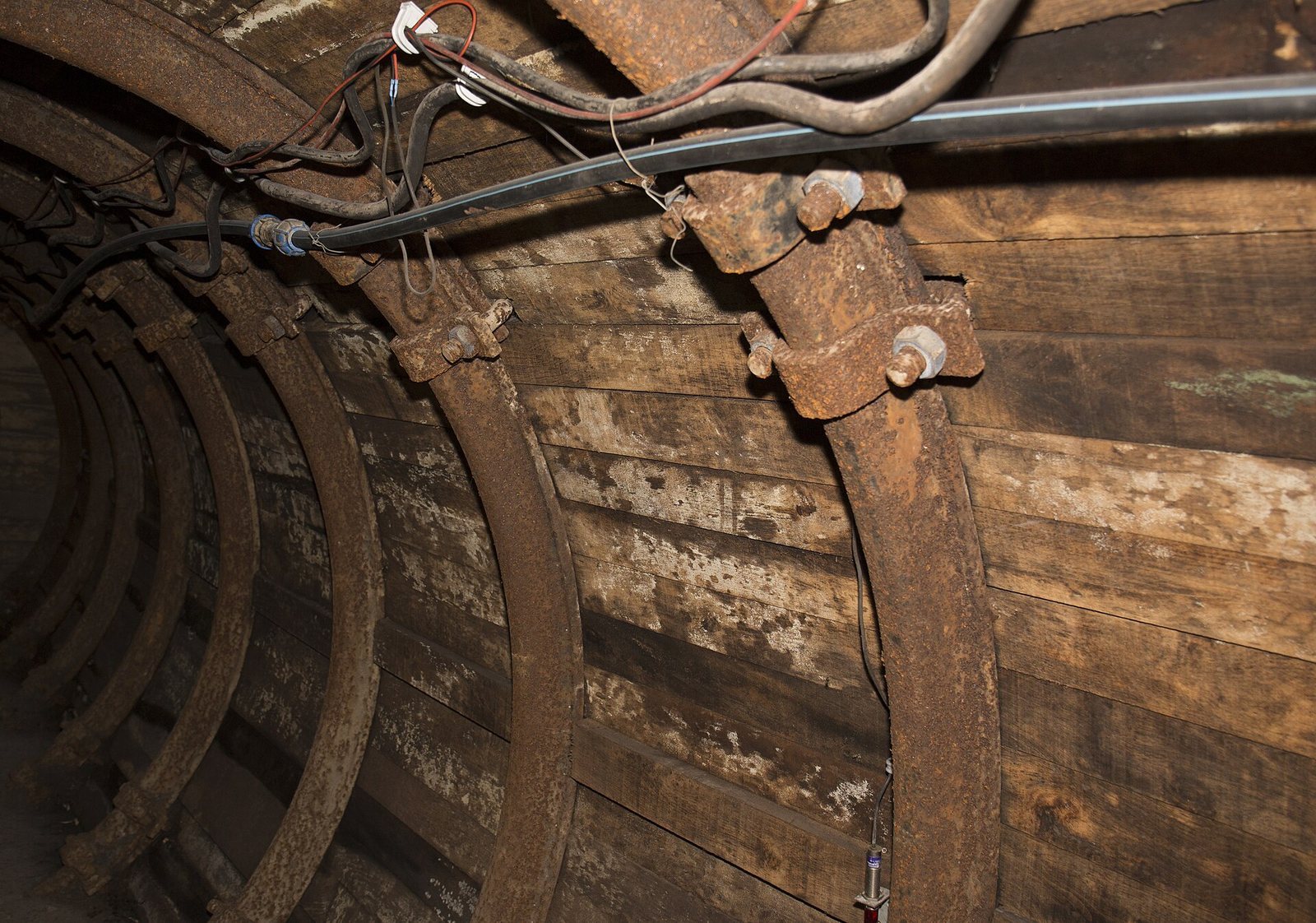
In 2021, repairs were completed to a drainage passage at the mine’s first underground level. Its wooden supporting lining had deteriorated behind a concrete water-collection basin near chute 11. Maintaining this drainage helps protect Idrija from flooding or subsidence into the mine.
Ore deposit and underground workings
Geology of the deposit
The deposit has a complex structure, with ore bodies at several levels between rock formations beneath thrusts, low-angle faults where one mass of rock is pushed over another. It also includes steep veins, mineralized crushed zones and stockworks, networks of mineralized veins. The richest ore occurs where limestone meets overthrust shale, locally deformed into mylonite, rock finely altered by intense movement within the Earth’s crust. Cinnabar, a mercury sulfide, is the principal ore mineral. Native mercury, elemental mercury found naturally in metallic form, makes up 5–20 percent of the mercury and becomes more abundant at lower levels, complicating extraction. Estimated reserves total 350,000–400,000 tonnes, with further potential in deeper levels and concealed deposits nearby.
Mining layout
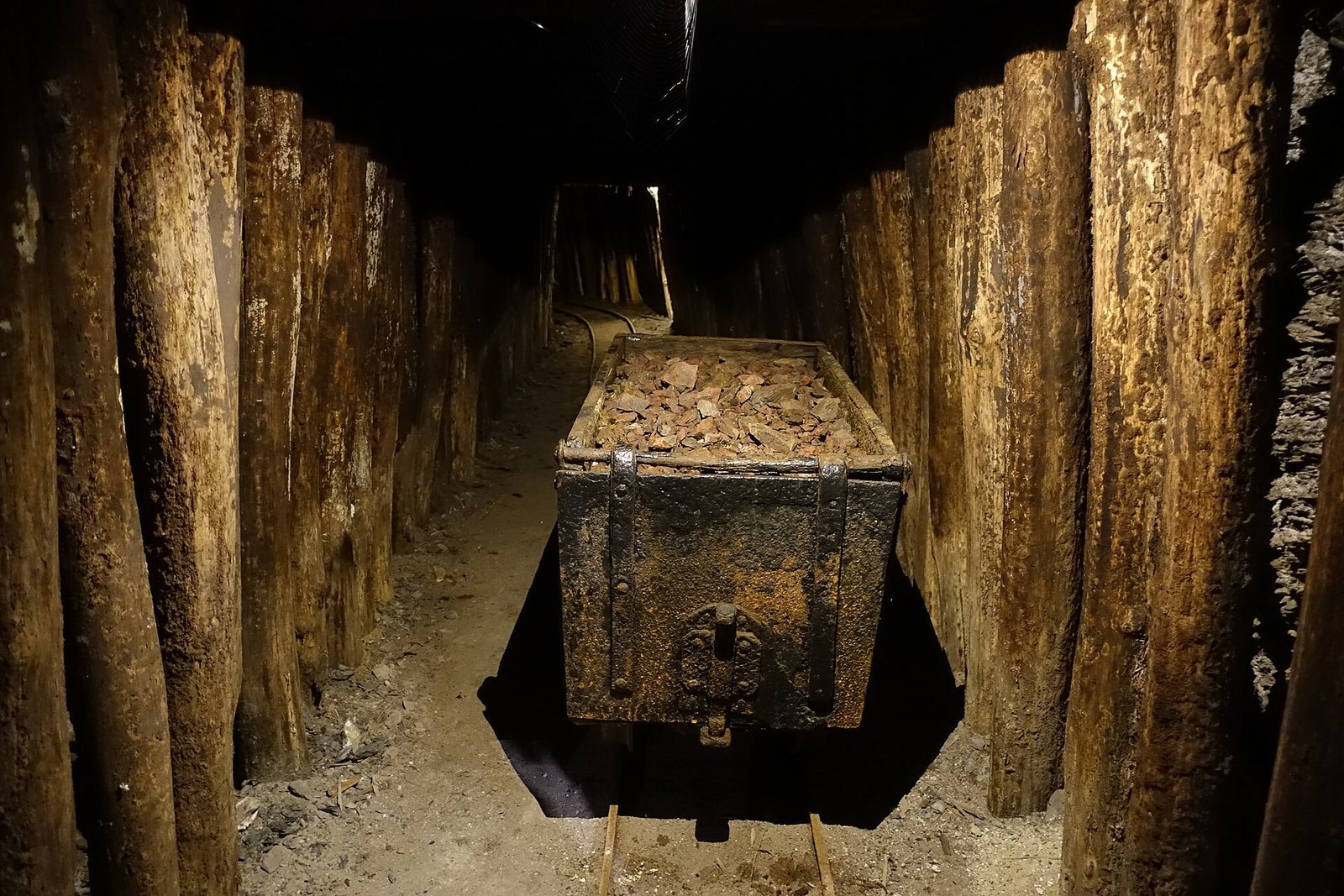
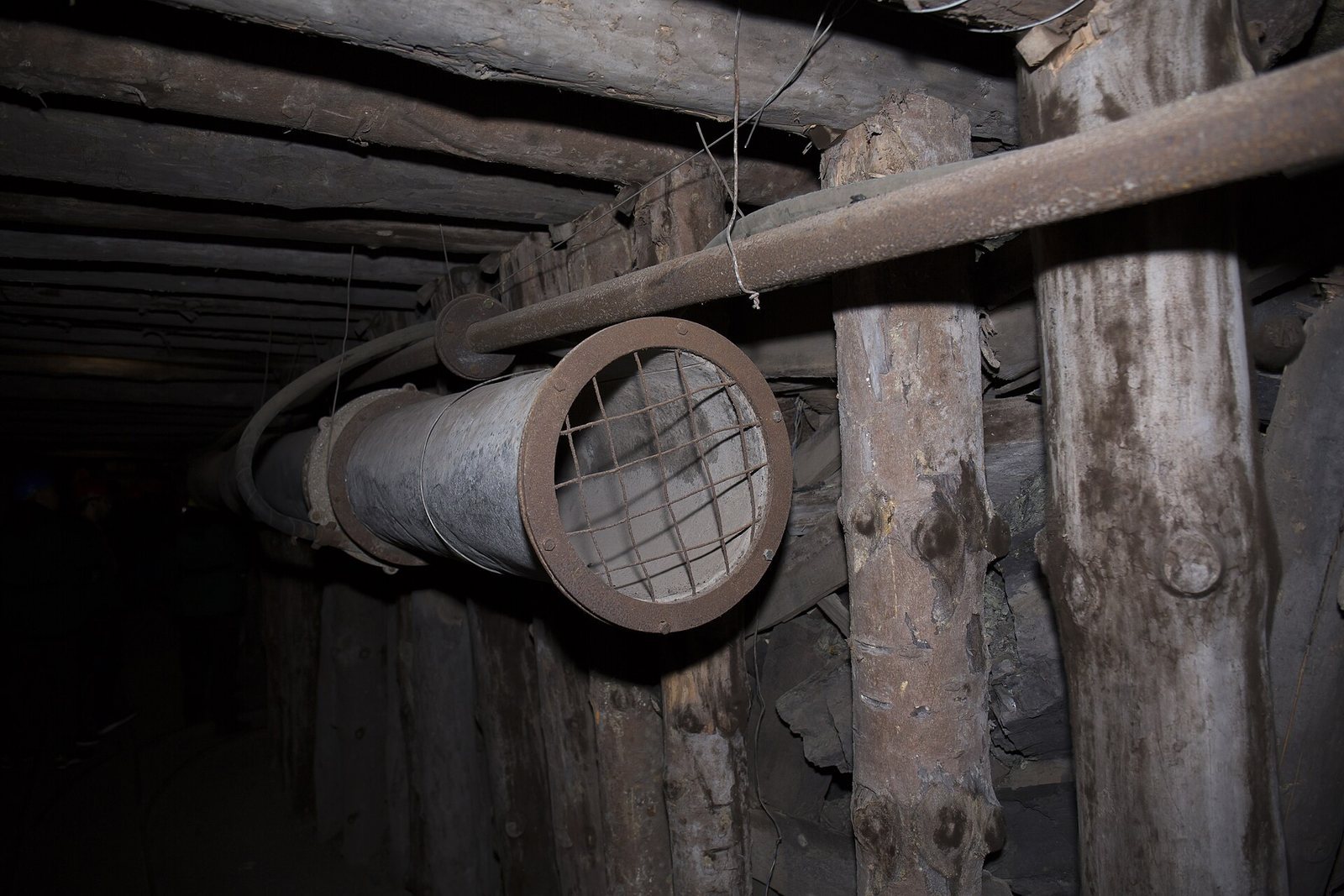
The underground workings extend to depths of more than 400 metres. Miners used room-and-pillar extraction, taking ore from chambers while leaving pillars to support the surrounding rock. Some worked-out areas were partly filled with backfill.