Holy Trinity Church in Dartford: A Norman Parish Church
Site at a Glance
- Rating
- 3.9
- Popularity
- Low
- Country
- United Kingdom
- Primary era
- Medieval
- Eras represented
- Medieval
- Civilizations
- English, Norman
- Site type
- Religious
- Remains
- Church
On this page9 sections
History
Foundation and medieval expansion
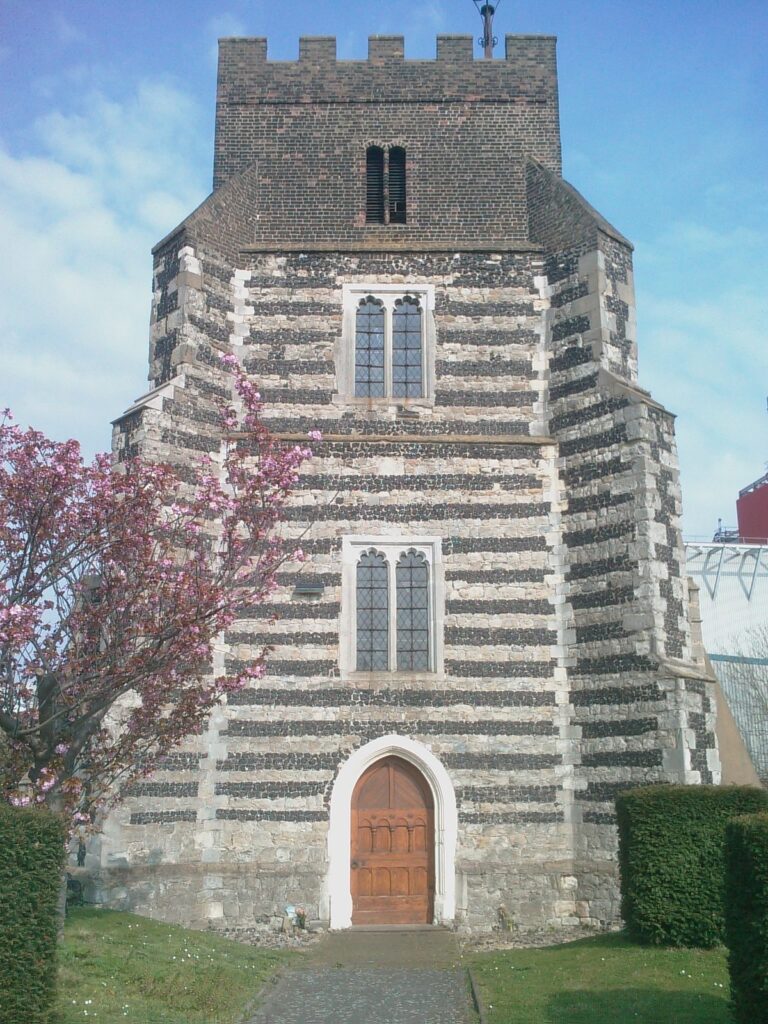
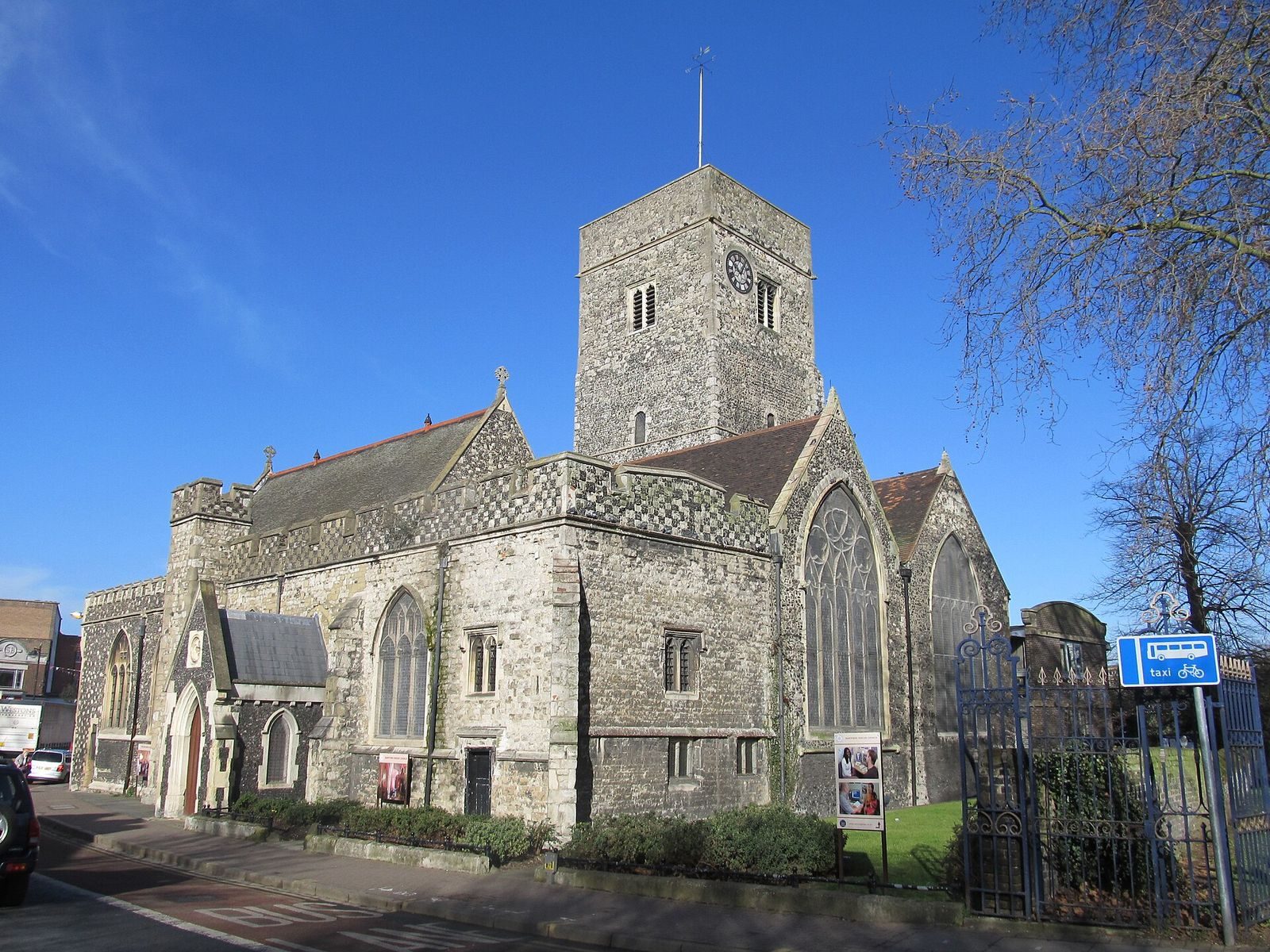
Holy Trinity Church in Dartford is an active Church of England parish church in Dartford, United Kingdom. Its oldest part was built around 1080 by Gundulf, a Norman monk and Bishop of Rochester, on the site of an earlier Saxon church. Norman refers to the period of Norman rule in England after the Conquest of 1066. The Domesday Book, a survey of English land and resources completed in 1086, records three chapels within the church.
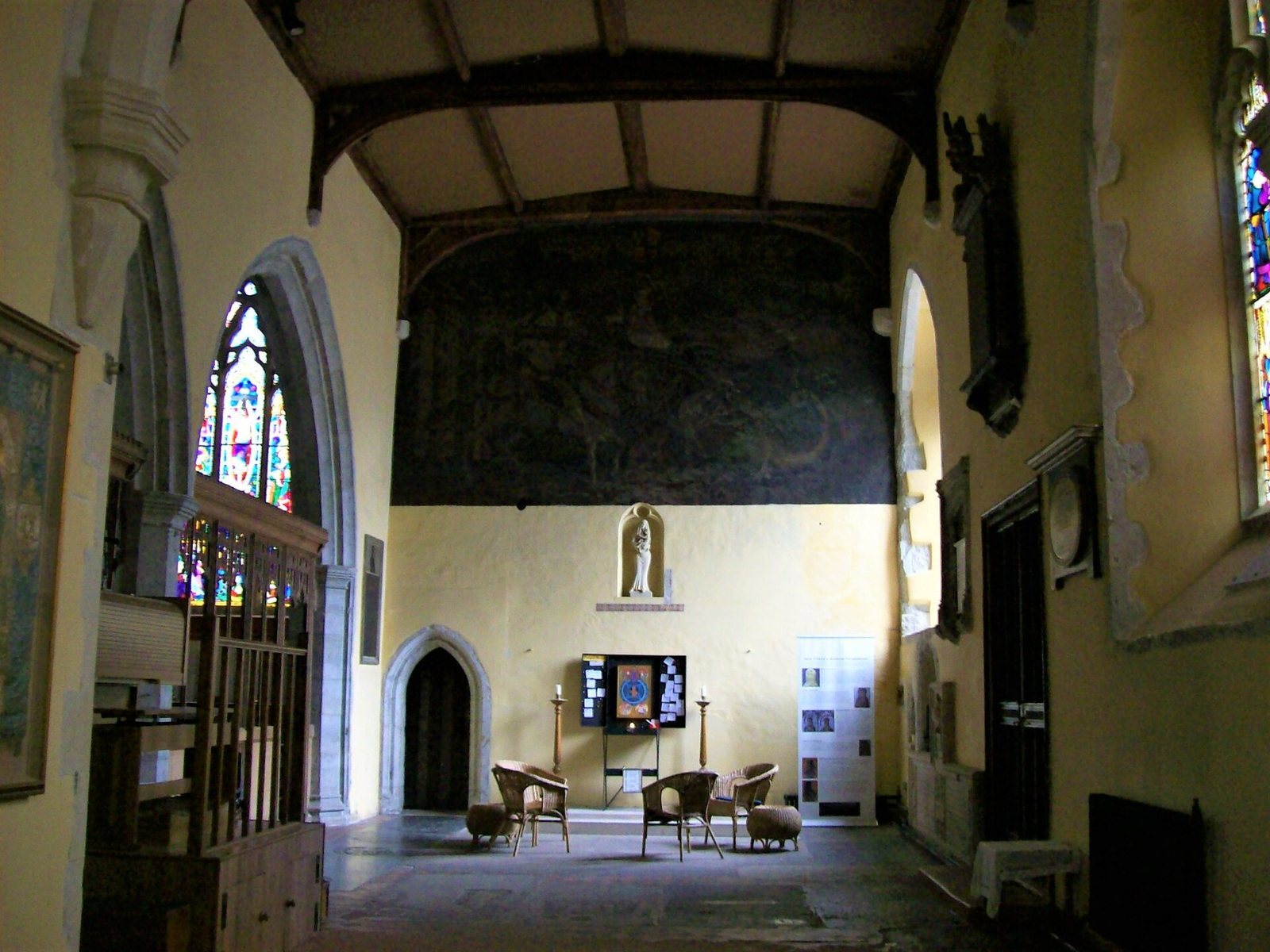
In the thirteenth century, the church was enlarged with a chapel dedicated to Thomas Becket, the Archbishop of Canterbury who was killed in 1170 and later venerated as a martyr. The chapel was intended for pilgrims visiting his shrine. The original Norman tower was extended in the fourteenth century.
Religious change and later alterations
During the English Reformation, the sixteenth-century transformation of English worship and church authority, the chapel’s altar was removed. Pilgrimages declined, and Holy Trinity lost its place as a focus of Dartford’s religious and ceremonial life. Local traders also lost income associated with the flow of pilgrims.
In 1792, architect Robert Mylne removed part of the church to widen the High Street. Arthur Blomfield led further restoration in the 1860s and 1870s, followed by work by W. D. Caröe in 1910. The church received Grade I listed status, England’s highest category of protection for buildings of exceptional interest, on 22 December 1953.
Parish life
Holy Trinity remains a parish church within the Church of England and the Diocese of Rochester, an area of church administration overseen by a bishop. Its tradition is Anglo-Catholic, emphasizing Catholic forms of worship and sacramental practice within Anglicanism; the church describes its present approach as liberal Anglo-Catholic. Holy Trinity Church of England Primary School is affiliated with the church.
Remains
Church and grounds
Church fabric
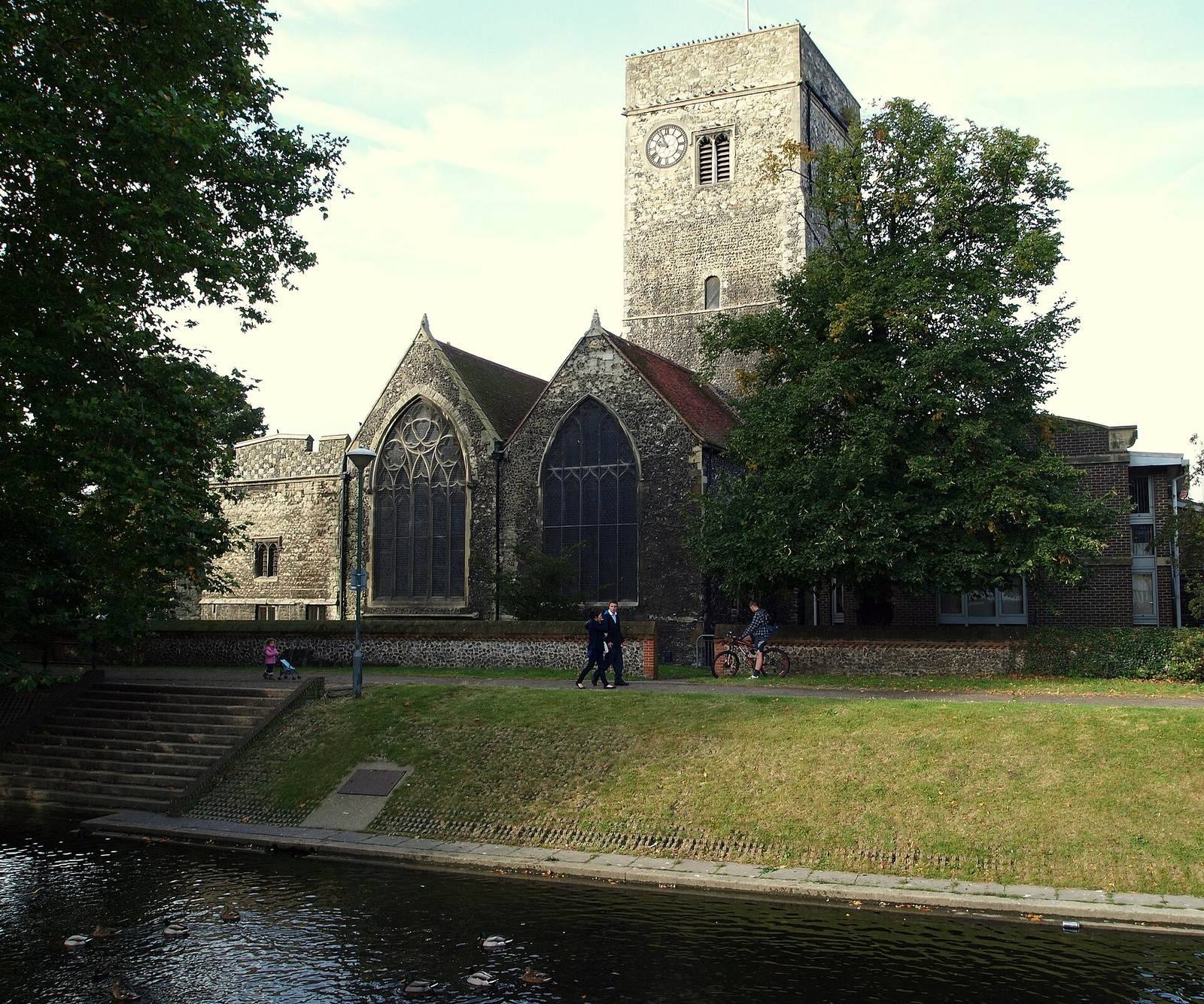
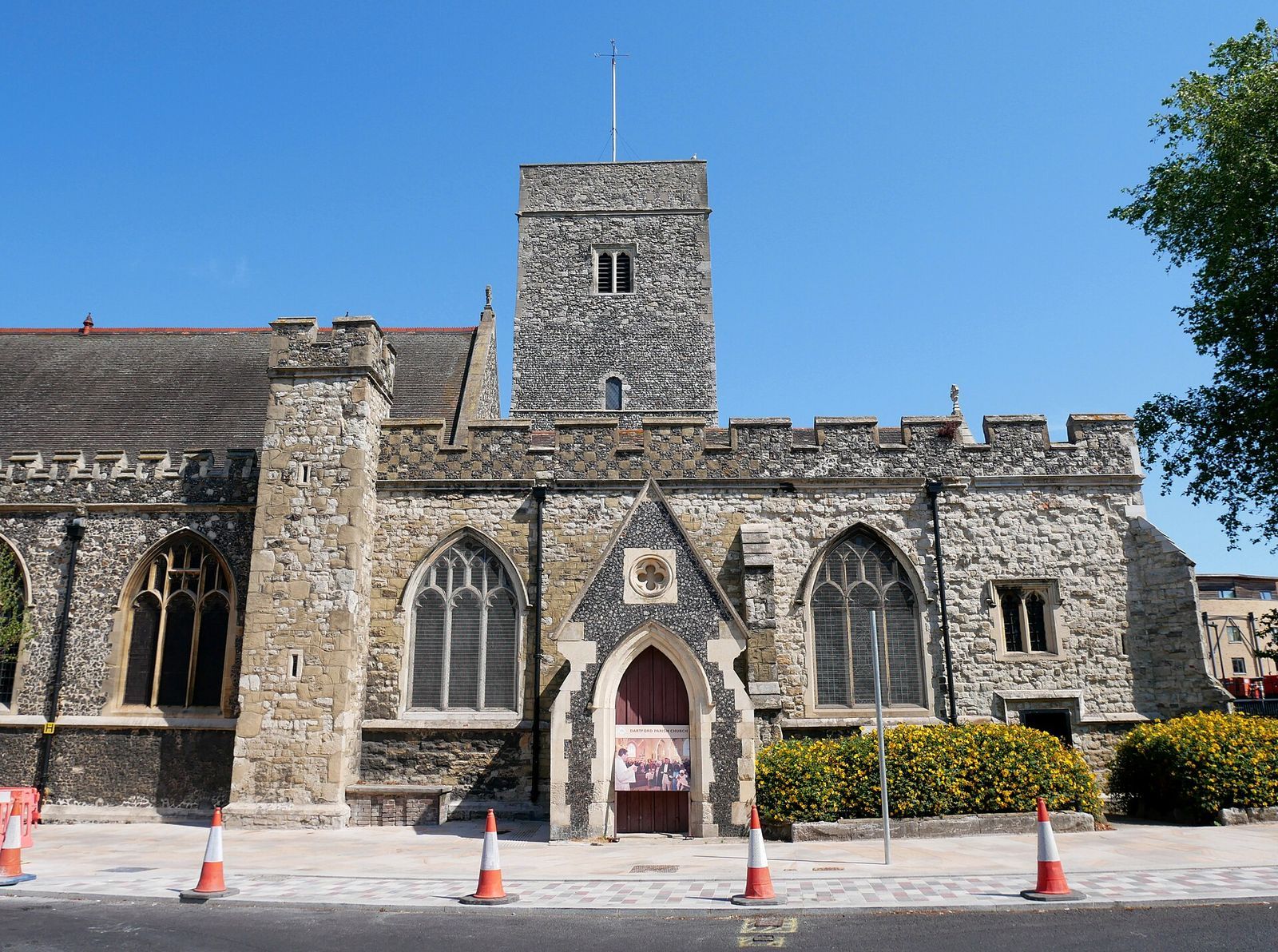
The church stands on Dartford High Street beside the River Darent. Its surviving Norman tower contains eight bells and reflects the building’s early phase, with the tower later extended during the fourteenth century.
Wall painting and memorials
A fresco, a painting made on freshly applied plaster, remains visible on a church wall. It depicts Saint George slaying the dragon and was painted around 1485. The church also contains brass and stone memorials, including a tablet made by mason William Stanton in memory of John Twisleton. Other memorials commemorate engineer and inventor Richard Trevithick, papermaker and jeweller Sir John Spilman, and topographer John Dunkin.
Churchyards
A small portion of the original churchyard survives east of the church. A parish hall built in 1971 occupies its northern part. The newer churchyard lies on the site of the former chantry chapel of St Edmund the Martyr, a chapel founded for prayers or masses for the dead.