Holy Trinity Cathedral, Ostashkov: An Orthodox Cathedral in Russia
Site at a Glance
- Popularity
- Low
- Country
- Russia
- Primary era
- Early Modern
- Eras represented
- Early Modern
- Civilizations
- Russian
- Site type
- Religious
- Remains
- Church
On this page5 sections
History
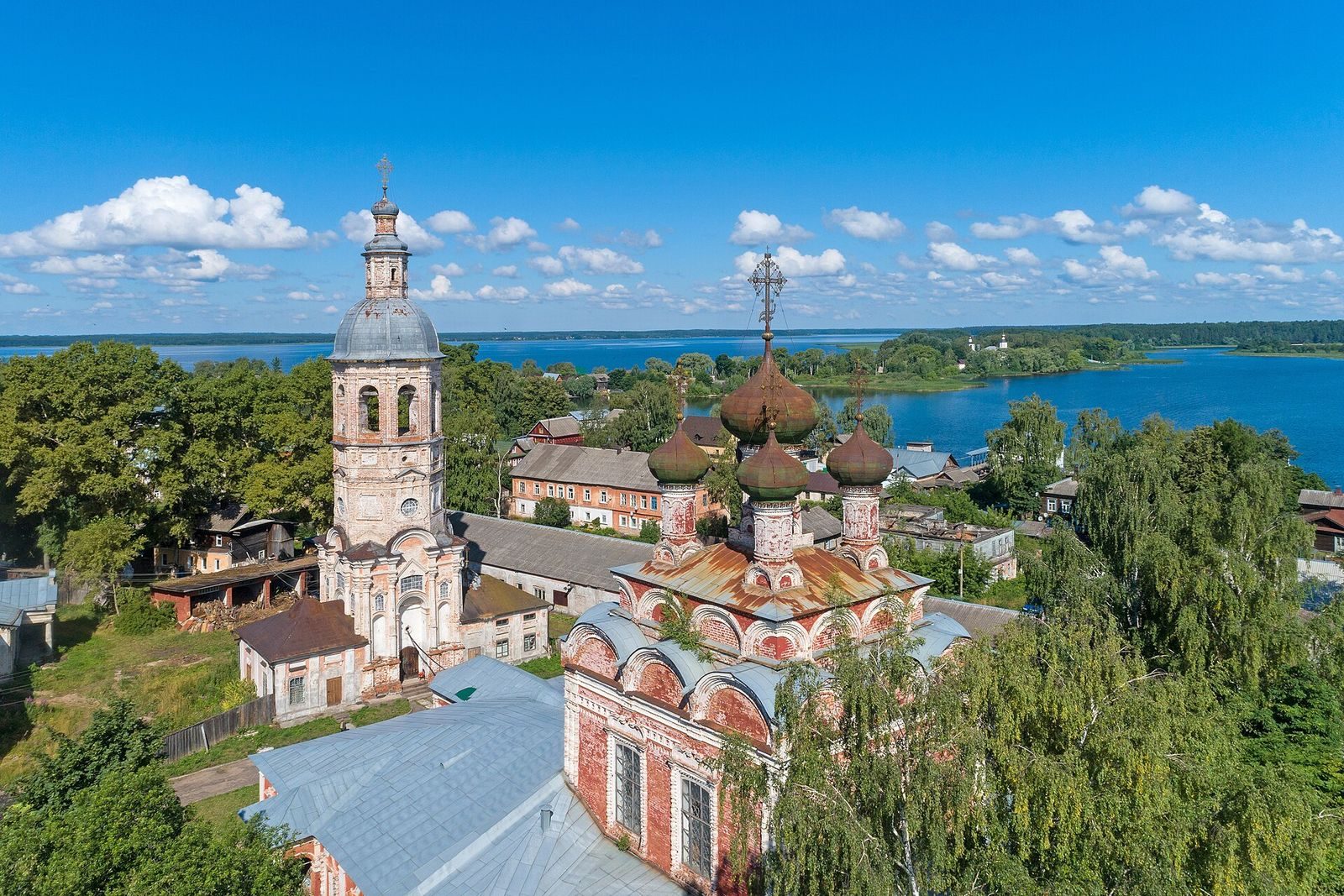
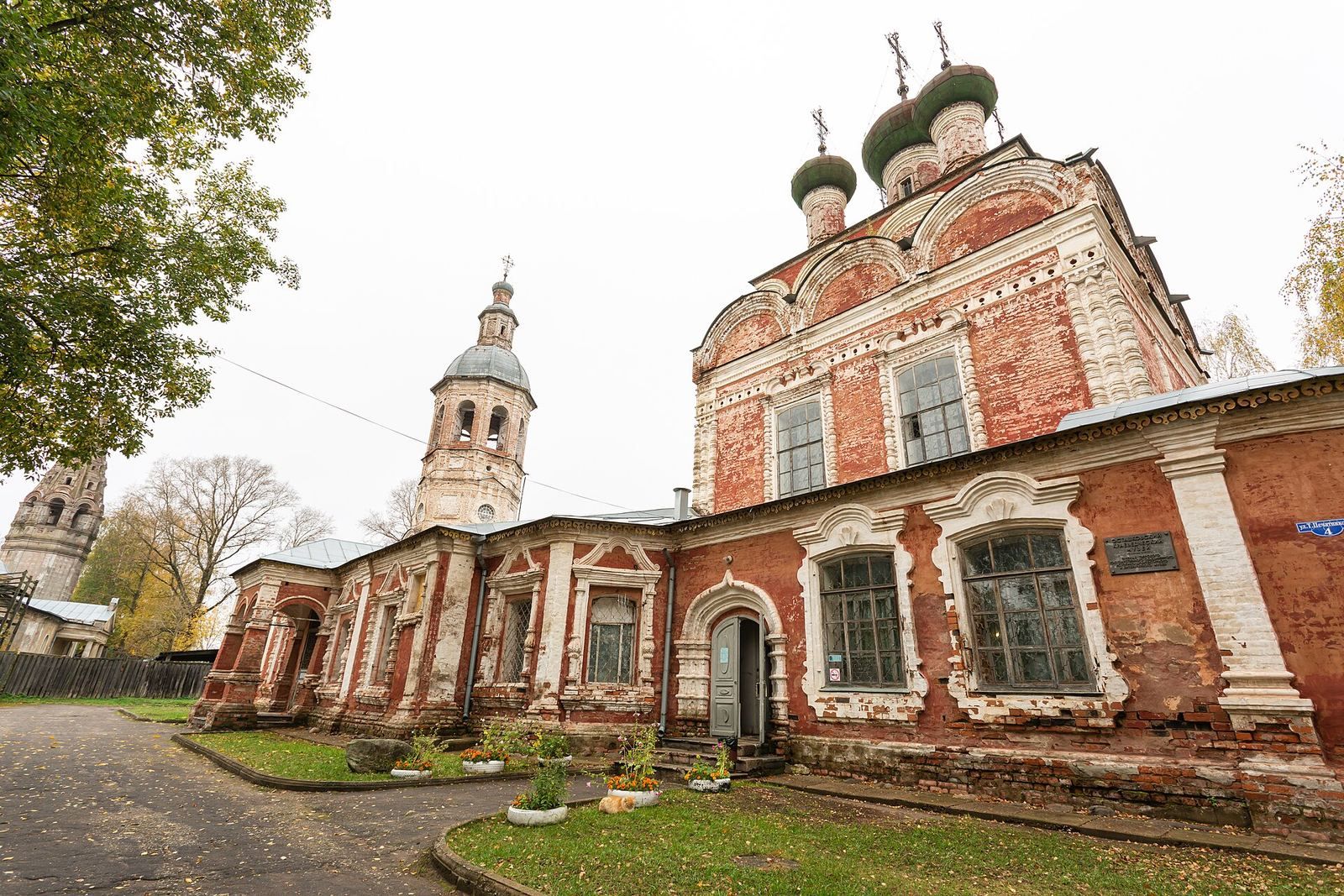
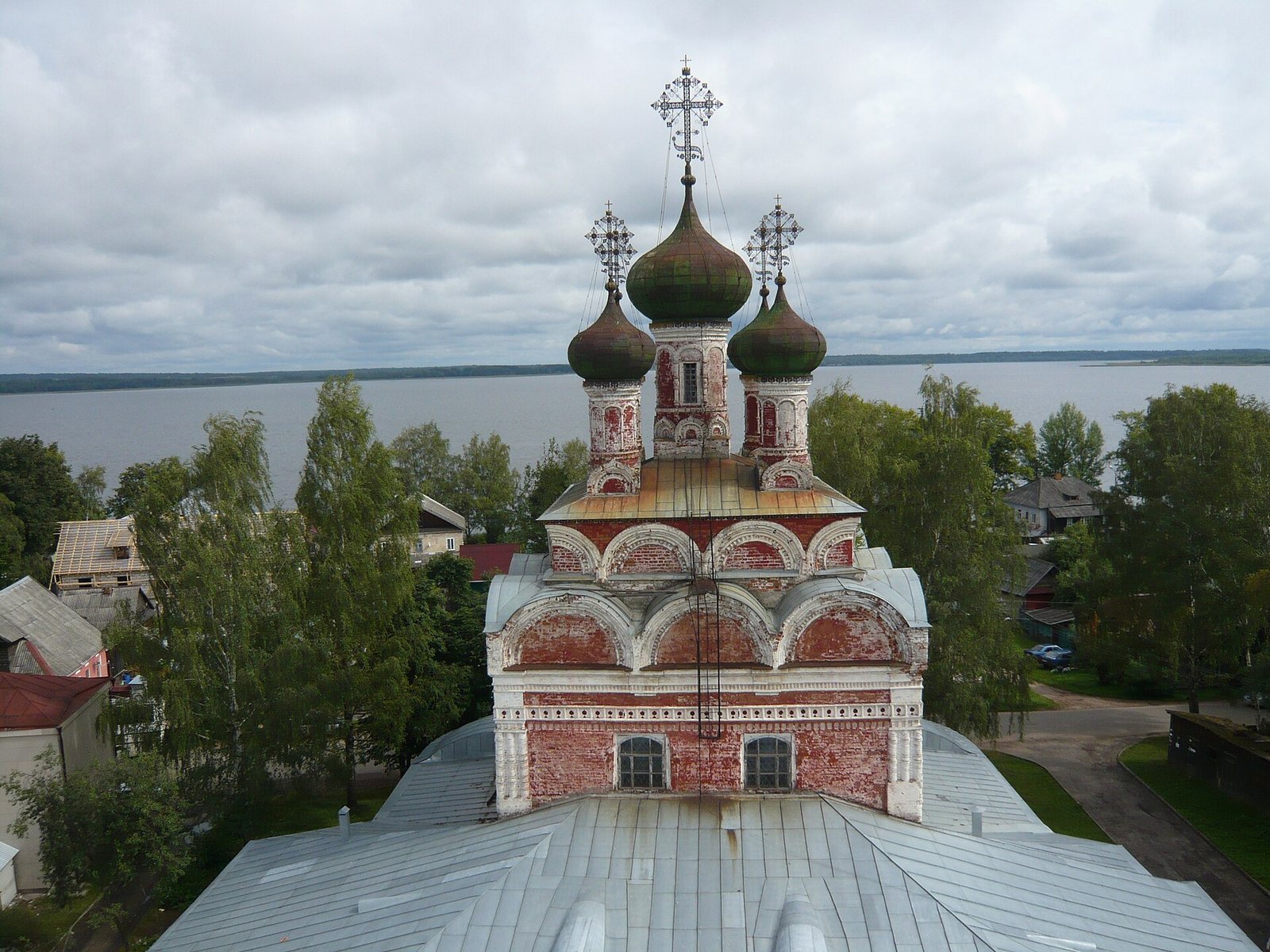
Holy Trinity Cathedral is a cathedral of the Orthodox branch of Christianity in Ostashkov, Russia. Its foundation was laid in 1685, and construction was completed in 1697 on the site of a wooden church built in 1599.
Foundation and eighteenth-century work
In the late eighteenth century, stucco artist Kondraty Konyagin worked at the cathedral. Modern art historians attribute to him a revered image of St Nil of Stolobny, a Russian Orthodox monk and saint, which was regarded as miraculous. Ilya Verzin and Semyon Utkin also worked at the cathedral around this time. They are thought to have painted churches at Nilov Hermitage, an Orthodox monastic institution associated with St Nil.
Closure and later use
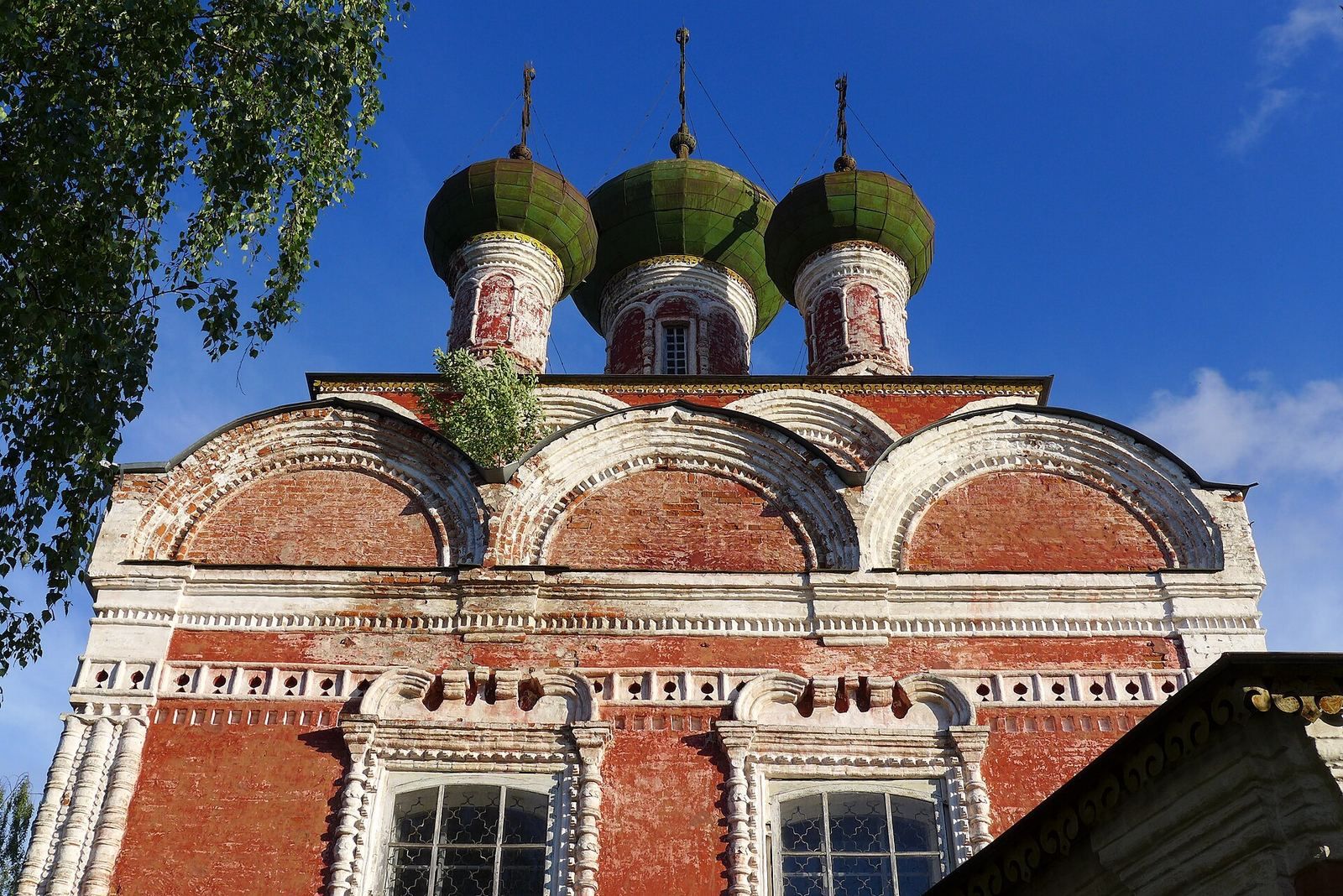
Successive rebuildings changed the cathedral’s decoration and exterior. It closed in the 1920s and ceased to function as a church. Architect-restorer Vladimir Yakubeni led reconstruction in the 1970s, and the Ostashkov Local History Museum has occupied the building since 1977. The cathedral is designated an architectural monument and a cultural heritage property of federal significance in Russia.
Remains
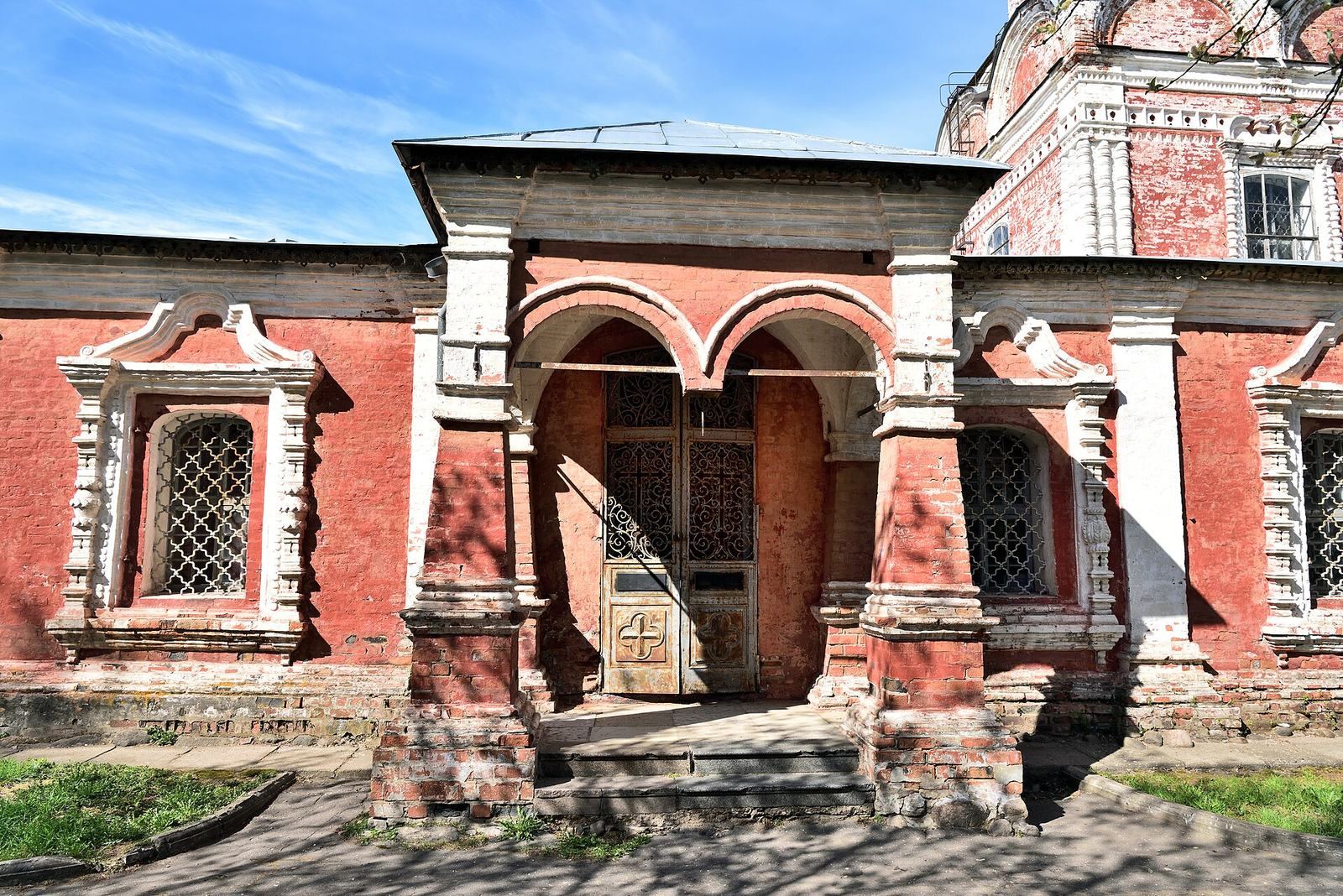
The stone cathedral stands within the former Ostashkov fortress, near Resurrection Church. A separate bell tower was erected nearby in the mid-eighteenth century.
The five altars
The cathedral has five altars. The main altar is dedicated to the Life-Giving Trinity, the Christian doctrine of one God as Father, Son, and Holy Spirit. The four side altars honor the Okovets Icon of the Mother of God, an Orthodox title for Mary; Paraskeva of Iconium; George the Victorious; and Nicholas the Wonderworker, all Christian saints.