Hogarth’s House: William Hogarth’s Home and Historic House Museum
Site at a Glance
- Rating
- 4.4
- Popularity
- Medium
- Country
- United Kingdom
- Primary era
- Early Modern
- Eras represented
- Early Modern
- Civilizations
- British
- Site type
- Domestic
- Remains
- House
On this page9 sections
History
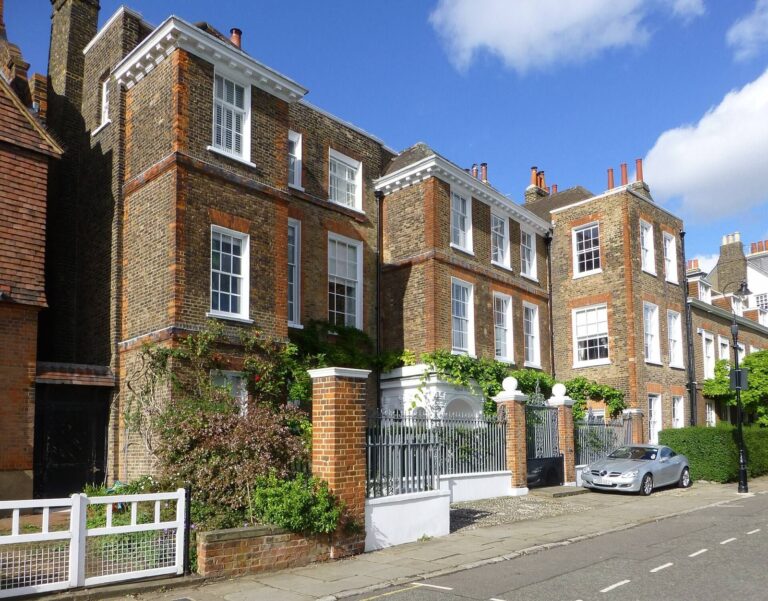
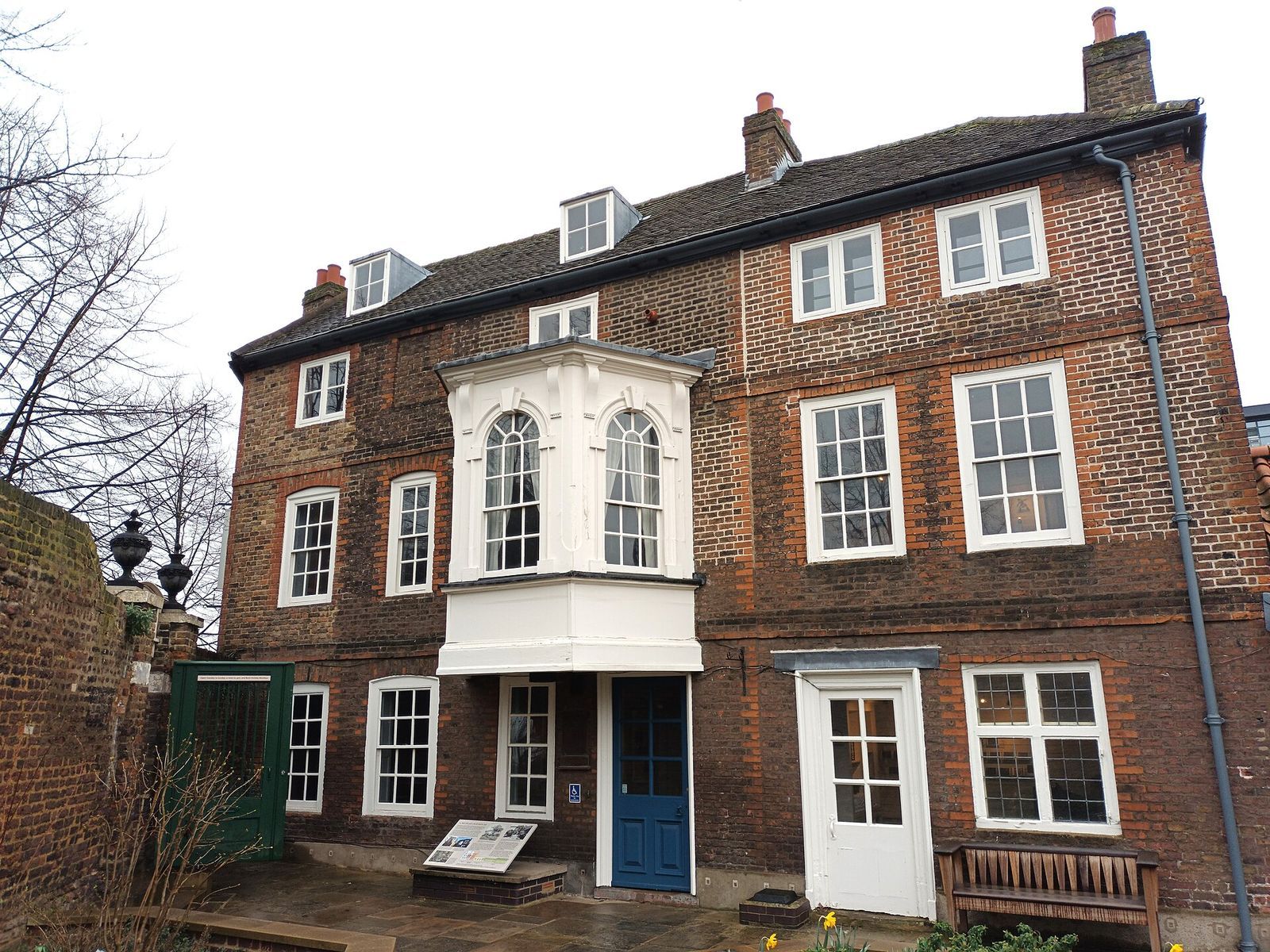
Hogarth’s House is a brick house in Chiswick, United Kingdom, built between 1713 and 1717 and later used as the home of painter, engraver, and satirist William Hogarth. It is now a historic house museum associated with his life and work, and with the earlier story of its first occupant, George Andreas Ruperti.
Ruperti and the house’s early years
The house stood in a corner of an orchard belonging to the Downes family. Ruperti, pastor of St Mary’s Lutheran Church in the Savoy, London, used it as a country home. Lutheranism is a Protestant tradition that began during the Reformation. Ruperti also assisted thousands of refugees from the Rhineland who came to London after the famine of 1708–09. With his help, many went on to America, while others settled in southern Ireland. His lists of the refugees and their occupations later helped family historians.
Ruperti died in 1731, and his widow kept the house. The Hogarths bought it from Ruperti’s son in 1749. Chiswick was then a village or small town within easy reach of London, but distinct from the capital.
The Hogarth family
William Hogarth used the house as a country retreat from 1749. He made it his permanent home in spring 1763, when illness and dissatisfaction with London’s intellectual life drew him away from the city. He shared the house with his wife Jane, his mother-in-law, his sister, and Jane’s cousin Mary Lewis, who helped with his business. The family’s connection with the property continued until Lewis died in 1808.
Hogarth died at the house on 26 October 1764 and was buried in the nearby churchyard of St Nicholas, Chiswick. His tomb carries an obituary written by his friend David Garrick, a prominent actor and theatrical manager. Hogarth’s wife, Jane, remained connected with the house after his death.
Later owners and preservation
The English poet and translator Henry Francis Cary owned the house from 1814 to 1833. The Wickstead family took it over in 1833, then moved to Australia in 1840 and left it to tenants. Actor Newton Treen Hicks lived there during the 1860s.
Alfred Dawson rescued and restored the house in 1890, later leasing it and part of his garden to a nursery gardener. By 1901, the property was threatened with redevelopment associated with major road construction. Artists and writers campaigned to save it but could not raise enough money to purchase it. Lieutenant-Colonel Robert William Shipway acquired the house and restored it in an effort to recover its eighteenth-century appearance. He collected Hogarth’s works, commissioned replica furniture based on objects in Hogarth’s prints, and opened the house to visitors in 1904. Shipway left it to Middlesex County Council in 1909; ownership passed to Hounslow Council in 1965, after Middlesex was abolished. The house is Grade I listed, the highest level of building protection in England, for places of exceptional interest.
Damage and restoration
A parachute-dropped mine exploded nearby in September 1940 and damaged the house. During a refurbishment, a fire broke out in the empty building on 14 August 2009. The staircase and one room were badly damaged, while smoke and water affected other areas. Restoration followed, including repairs and the uncovering of original features. Paint analysis guided the redecoration, and a research project examined the house’s history and occupants. An earlier refurbishment had renewed the interior for the tercentenary of Hogarth’s birth in 1997.
Remains
The house and garden buildings
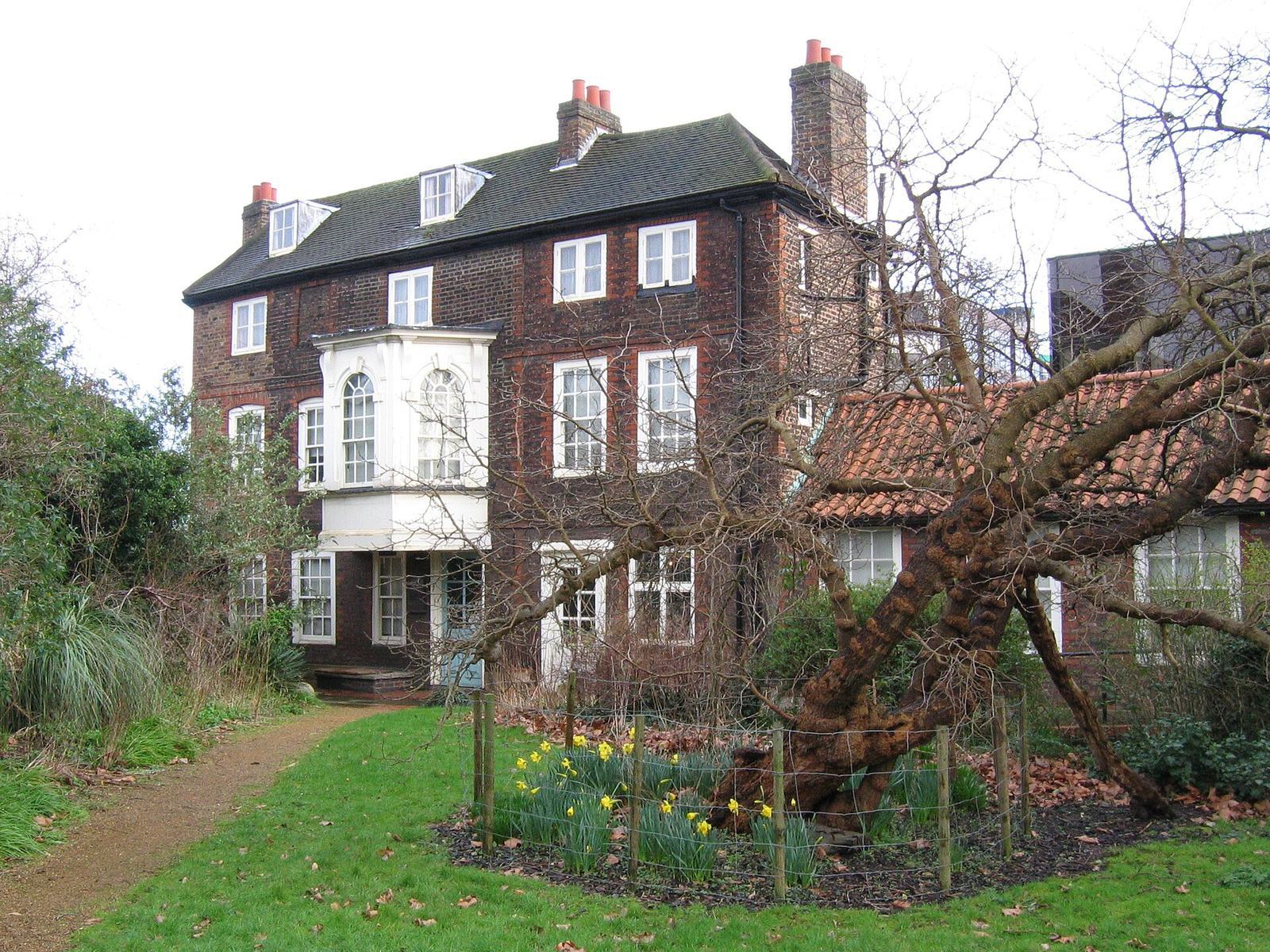
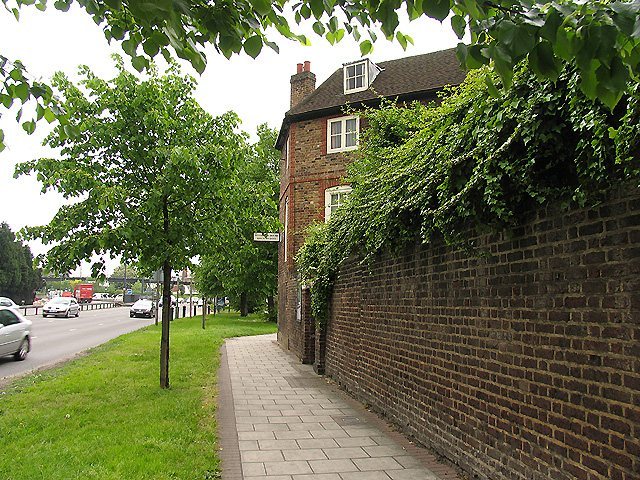
The two-storey brick house contains six rooms and stands on a small plot. The Hogarth family enlarged it in 1750, and Jane Hogarth added a single-storey extension in 1769. Rebuilt in 1951, that addition now provides exhibition space. At the bottom of the garden, Hogarth’s painting room was situated above the coach house. The property also includes a wall and gate.
The walled garden
A walled garden contains a mulberry tree thought to be the last survivor of an orchard planted in the 1670s. The tree was already growing during Hogarth’s time and was damaged by the 1940 explosion. Arboriculturists from Kew Gardens helped restore it to health.
Museum interiors
The museum displays replica furniture commissioned by Shipway from objects shown in Hogarth’s prints, alongside prints of his engravings, including A Harlot’s Progress, A Rake’s Progress, and Marriage à-la-mode. The top floor houses a study and research room.